Philadelphia Semiconductor Index Sees Gains as Broadcom Jumps Over 3% and Other Major Stocks Rise

Market Performance: The Philadelphia semiconductor index experienced an upward trend during trading, with Broadcom rising over 3%.
Company Gains: KLA Corp saw an increase of over 2%, while ASML Holding and Lam Research surged more than 1.5%.
Tech Giants' Growth: Micron Technology, NVIDIA, and AMD also reported gains, climbing more than 0.5%.
Overall Industry Trend: The semiconductor sector is showing positive momentum, reflecting a robust performance among key players.
Trade with 70% Backtested Accuracy
Analyst Views on MU

About MU
About the author

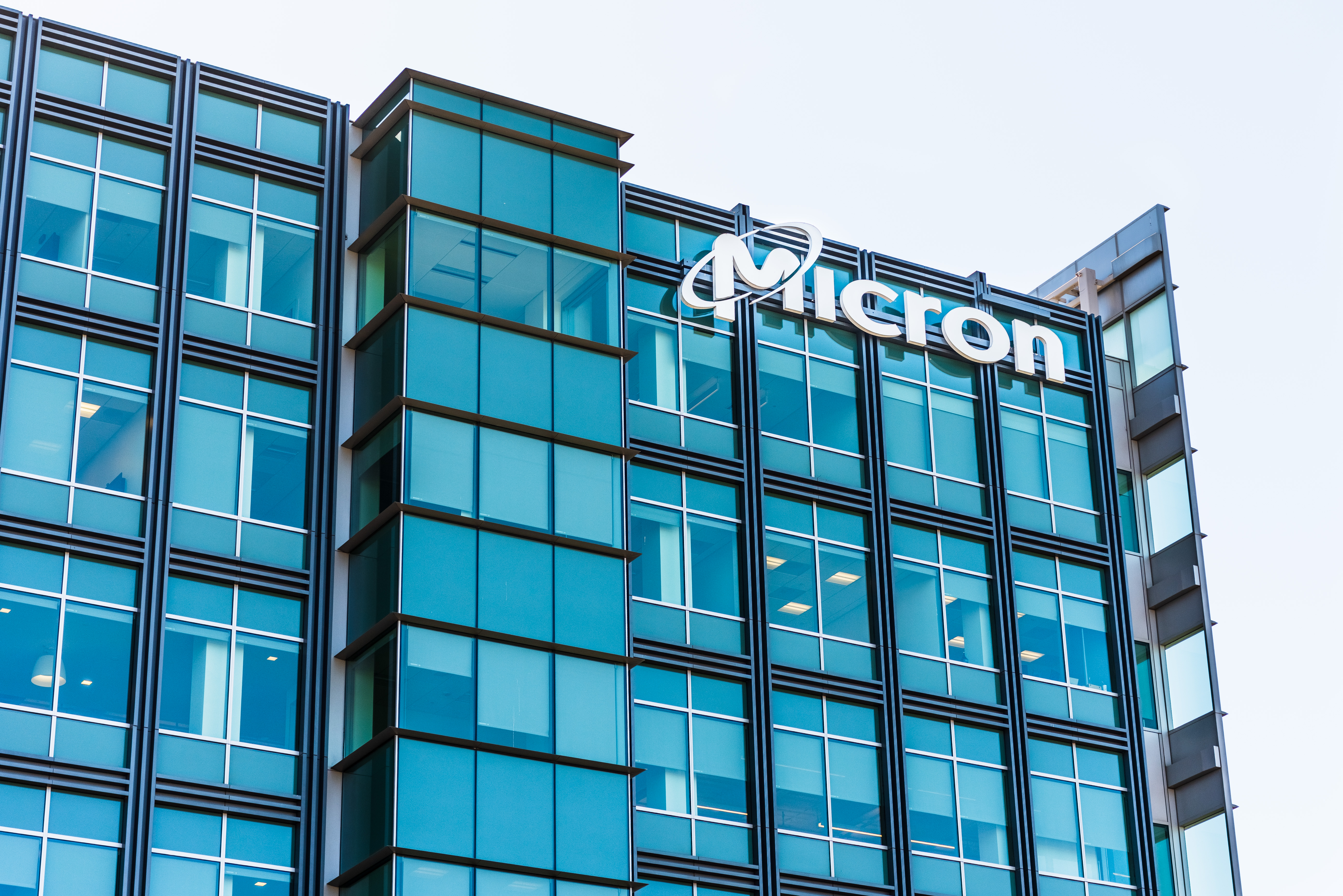
Citi Raises Micron Technology Price Target to $430 Ahead of Earnings

- Rating Maintained with Price Target Increase: Citi has maintained its Buy rating on Micron Technology while raising the price target from $385 to $430, reflecting optimism ahead of the company's quarterly results, particularly amid surging memory prices and strong AI demand.
- Memory Price Forecast: Citi analysts project that DRAM average selling prices will increase by 171% year-over-year by 2026, with NAND prices also expected to rise by 127%, driven by robust demand from data centers and eSSD, highlighting Micron's competitive position in the market.
- Market Cycle Analysis: Analysts noted that the key investor debate surrounding Micron is whether we are in an extended memory cycle akin to the 1990s Windows PC DRAM cycle, particularly given strong AI demand and limited new fab capacity, which could impact future price trends.
- Competitor Dynamics: Samsung's reported 100% quarter-over-quarter increase in DRAM prices in Q1 2026 has further heightened market interest in Micron, with analysts believing that despite the sharp price hikes in Q1, Micron's stock could still sustain gains this year.

Inverse Cramer Portfolio Outperforms Expectations
- Significant Asset Growth: Since its launch in 2023, Autopilot has seen its assets soar from $2 million to $1.3 billion, indicating strong appeal among retail investors, particularly with 40% of assets allocated to popular meme portfolios, reflecting market acceptance of inverse investment strategies.
- Outstanding Inverse Cramer Performance: The Inverse Cramer portfolio has amassed $56 million in assets on Autopilot and has risen 158% since its inception, significantly outperforming the S&P 500's 68% increase during the same period, showcasing its popularity and effectiveness among investors.
- Market Reaction Analysis: Co-founder Josephs notes that Cramer's investment advice often comes too late, leading investors to pay attention only after stocks have already risen, while the Inverse Cramer portfolio capitalizes on this, successfully profiting from market volatility, demonstrating a deep understanding of market psychology.
- Comparison with Pelosi Portfolio: The Inverse Cramer portfolio has achieved a 90.6% gain over the past two years, surpassing Pelosi's 62.5% increase and ranking third on Autopilot, further solidifying its competitive position in investment strategies.
Nvidia and Micron Technology's Future Collaboration Prospects

- Surging Market Demand: Nvidia's unprecedented demand for GPUs has significantly boosted the demand for Micron Technology's high-bandwidth memory (HBM), DRAM, and NAND processors, although Micron faces persistent shortages of data center memory chips, which may adversely affect its market performance.
- Competitor Supply: Nvidia's flagship Vera Rubin chip will source HBM4 memory chips from SK Hynix and Samsung Electronics, with SK Hynix expected to supply over 50% of Nvidia's total HBM supply, indicating increased competitive pressure on Micron in the market.
- Market Share Analysis: According to Counterpoint Research, SK Hynix and Samsung Electronics hold 34% and 33% of the HBM market share respectively, while Micron ranks third with a 26% share, highlighting the challenges Micron faces in the high-end memory market.
- Investment Opportunity: Despite Micron's stock price declining 13% from its peak, the company is expected to grow its revenue by 109% this year, with a forward P/E ratio of 11, indicating that there are still investment opportunities amidst uncertainty, attracting attention to its future growth potential.

Micron Faces Competitive Pressure and Opportunities Amid AI Demand
- Intensifying Market Competition: Micron, a key supplier to Nvidia, faces competition from SK Hynix and Samsung Electronics, which will be the sole suppliers of HBM4 for Nvidia's new flagship Vera Rubin chip, potentially impacting Micron's market share.
- Sustained Demand Growth: Despite competition, demand for Micron's high-bandwidth memory (HBM), DRAM, and NAND processors remains strong, with an estimated $700 billion in capital expenditures earmarked for AI data centers in 2026, ensuring opportunities for Micron in other memory chip markets.
- Price Surge Expectations: Citi analysts predict that prices for certain memory chips will skyrocket by 171% due to persistent data center demand and shortages, providing Micron with additional market space, even though its role in the Vera Rubin chip may be limited.
- Emerging Investment Opportunities: Micron's stock has fallen 13% from its peak, with a current P/E ratio of 36 times earnings, but a more reasonable forward multiple of 11 times, alongside an expected revenue growth of 109% this year, presenting a relatively attractive entry point for investors.

Palantir Rallies Amid Broader Market Downturn


- Stock Price Surge: Palantir's shares rose 15% between February 27 and March 6, defying a broader market downturn driven by geopolitical tensions and policy shifts, demonstrating its resilience in uncertain environments.
- Government Spending Dependency: With approximately 60% of its revenue derived from government contracts, Palantir's expansion in military and intelligence work has attracted investor optimism as tensions in the Middle East escalate, further boosting its stock price.
- Analysts Optimistic Outlook: Rosenblatt maintained a 'Buy' rating on Palantir and raised its price target from $150 to $200, citing the company's strong defense positioning as a key factor supporting its stock price amid rising tensions in the region.
- CEO's Warning: Palantir CEO Alex Karp issued a stark warning at the a16z American Dynamism Summit, stating that sidelining the U.S. military while replacing white-collar jobs with AI could provoke government intervention, highlighting potential risks of technology nationalization.

Philadelphia Semiconductor Index Sees Gains as Broadcom Jumps Over 3% and Other Major Stocks Rise
Market Performance: The Philadelphia semiconductor index experienced an upward trend during trading, with Broadcom rising over 3%.
Company Gains: KLA Corp saw an increase of over 2%, while ASML Holding and Lam Research surged more than 1.5%.
Tech Giants' Growth: Micron Technology, NVIDIA, and AMD also reported gains, climbing more than 0.5%.
Overall Industry Trend: The semiconductor sector is showing positive momentum, reflecting a robust performance among key players.
Citi Raises Micron Technology Price Target to $430 Ahead of Earnings
- Rating Maintained with Price Target Increase: Citi has maintained its Buy rating on Micron Technology while raising the price target from $385 to $430, reflecting optimism ahead of the company's quarterly results, particularly amid surging memory prices and strong AI demand.
- Memory Price Forecast: Citi analysts project that DRAM average selling prices will increase by 171% year-over-year by 2026, with NAND prices also expected to rise by 127%, driven by robust demand from data centers and eSSD, highlighting Micron's competitive position in the market.
- Market Cycle Analysis: Analysts noted that the key investor debate surrounding Micron is whether we are in an extended memory cycle akin to the 1990s Windows PC DRAM cycle, particularly given strong AI demand and limited new fab capacity, which could impact future price trends.
- Competitor Dynamics: Samsung's reported 100% quarter-over-quarter increase in DRAM prices in Q1 2026 has further heightened market interest in Micron, with analysts believing that despite the sharp price hikes in Q1, Micron's stock could still sustain gains this year.
Inverse Cramer Portfolio Outperforms Expectations
- Significant Asset Growth: Since its launch in 2023, Autopilot has seen its assets soar from $2 million to $1.3 billion, indicating strong appeal among retail investors, particularly with 40% of assets allocated to popular meme portfolios, reflecting market acceptance of inverse investment strategies.
- Outstanding Inverse Cramer Performance: The Inverse Cramer portfolio has amassed $56 million in assets on Autopilot and has risen 158% since its inception, significantly outperforming the S&P 500's 68% increase during the same period, showcasing its popularity and effectiveness among investors.
- Market Reaction Analysis: Co-founder Josephs notes that Cramer's investment advice often comes too late, leading investors to pay attention only after stocks have already risen, while the Inverse Cramer portfolio capitalizes on this, successfully profiting from market volatility, demonstrating a deep understanding of market psychology.
- Comparison with Pelosi Portfolio: The Inverse Cramer portfolio has achieved a 90.6% gain over the past two years, surpassing Pelosi's 62.5% increase and ranking third on Autopilot, further solidifying its competitive position in investment strategies.
Nvidia and Micron Technology's Future Collaboration Prospects
- Surging Market Demand: Nvidia's unprecedented demand for GPUs has significantly boosted the demand for Micron Technology's high-bandwidth memory (HBM), DRAM, and NAND processors, although Micron faces persistent shortages of data center memory chips, which may adversely affect its market performance.
- Competitor Supply: Nvidia's flagship Vera Rubin chip will source HBM4 memory chips from SK Hynix and Samsung Electronics, with SK Hynix expected to supply over 50% of Nvidia's total HBM supply, indicating increased competitive pressure on Micron in the market.
- Market Share Analysis: According to Counterpoint Research, SK Hynix and Samsung Electronics hold 34% and 33% of the HBM market share respectively, while Micron ranks third with a 26% share, highlighting the challenges Micron faces in the high-end memory market.
- Investment Opportunity: Despite Micron's stock price declining 13% from its peak, the company is expected to grow its revenue by 109% this year, with a forward P/E ratio of 11, indicating that there are still investment opportunities amidst uncertainty, attracting attention to its future growth potential.
Micron Faces Competitive Pressure and Opportunities Amid AI Demand
- Intensifying Market Competition: Micron, a key supplier to Nvidia, faces competition from SK Hynix and Samsung Electronics, which will be the sole suppliers of HBM4 for Nvidia's new flagship Vera Rubin chip, potentially impacting Micron's market share.
- Sustained Demand Growth: Despite competition, demand for Micron's high-bandwidth memory (HBM), DRAM, and NAND processors remains strong, with an estimated $700 billion in capital expenditures earmarked for AI data centers in 2026, ensuring opportunities for Micron in other memory chip markets.
- Price Surge Expectations: Citi analysts predict that prices for certain memory chips will skyrocket by 171% due to persistent data center demand and shortages, providing Micron with additional market space, even though its role in the Vera Rubin chip may be limited.
- Emerging Investment Opportunities: Micron's stock has fallen 13% from its peak, with a current P/E ratio of 36 times earnings, but a more reasonable forward multiple of 11 times, alongside an expected revenue growth of 109% this year, presenting a relatively attractive entry point for investors.
Palantir Rallies Amid Broader Market Downturn
- Stock Price Surge: Palantir's shares rose 15% between February 27 and March 6, defying a broader market downturn driven by geopolitical tensions and policy shifts, demonstrating its resilience in uncertain environments.
- Government Spending Dependency: With approximately 60% of its revenue derived from government contracts, Palantir's expansion in military and intelligence work has attracted investor optimism as tensions in the Middle East escalate, further boosting its stock price.
- Analysts Optimistic Outlook: Rosenblatt maintained a 'Buy' rating on Palantir and raised its price target from $150 to $200, citing the company's strong defense positioning as a key factor supporting its stock price amid rising tensions in the region.
- CEO's Warning: Palantir CEO Alex Karp issued a stark warning at the a16z American Dynamism Summit, stating that sidelining the U.S. military while replacing white-collar jobs with AI could provoke government intervention, highlighting potential risks of technology nationalization.
Philadelphia Semiconductor Index Sees Gains as Broadcom Jumps Over 3% and Other Major Stocks Rise
Market Performance: The Philadelphia semiconductor index experienced an upward trend during trading, with Broadcom rising over 3%.
Company Gains: KLA Corp saw an increase of over 2%, while ASML Holding and Lam Research surged more than 1.5%.
Tech Giants' Growth: Micron Technology, NVIDIA, and AMD also reported gains, climbing more than 0.5%.
Overall Industry Trend: The semiconductor sector is showing positive momentum, reflecting a robust performance among key players.