Pharma and Biotech Deal-Making Trends Remain Strong
Written by Emily J. Thompson, Senior Investment Analyst
Updated: 2 days ago
0mins
Source: seekingalpha
- Surge in Transactions: Eric Tokat from Centerview Partners noted that 34 significant transactions are expected in Q4 2025 and Q1 2026, indicating a robust trend in pharma and biotech deal-making, particularly with an increase in early-stage candidate deals compared to previous years.
- Expansion into New Areas: Clive Meanwell from Population Health Partners highlighted that while recent deals have focused on oncology and obesity, there is an expectation for expansion into other areas, especially central nervous system assets, showcasing the market's potential for diversification over the next few years.
- Merck's Acquisition Frenzy: Merck has spent nearly $26 billion on M&A from April 2025 to April 2026, driven by the impending patent expiration of its blockbuster oncology therapy Keytruda in 2028, prompting the company to accelerate transactions to maintain its competitive edge in the market.
- Limited Macro Impact: Despite challenges such as inflation, oil prices, and the ongoing Iran war, Tokat believes that pharma and biotech deal-making will remain active, indicating strong industry resilience capable of withstanding external shocks.
Trade with 70% Backtested Accuracy
Stop guessing "Should I Buy MRK?" and start using high-conviction signals backed by rigorous historical data.
Sign up today to access powerful investing tools and make smarter, data-driven decisions.
Analyst Views on MRK
Wall Street analysts forecast MRK stock price to rise
16 Analyst Rating
11 Buy
5 Hold
0 Sell
Moderate Buy
Current: 113.410

Low
95.00
Averages
119.53
High
139.00
Current: 113.410
Low
95.00
Averages
119.53
High
139.00
About MRK
Merck & Co., Inc. is a global health care company that delivers health solutions through its prescription medicines, including biologic therapies, vaccines and animal health products. Its Pharmaceutical segment includes human health pharmaceutical and vaccine products. The Company sells its human health pharmaceutical products primarily to drug wholesalers and retailers, hospitals, government agencies and managed health care providers. It sells these human health vaccines primarily to physicians, wholesalers, distributors and government entities. Its Animal Health segment discovers, develops, manufactures and markets a range of veterinary pharmaceutical and vaccine products, as well as health management solutions and services, for the prevention, treatment and control of disease in all livestock and companion animal species. Its products include KEYTRUDA (pembrolizumab) injection, for intravenous use; WELIREG (belzutifan) tablets, for oral use; Ohtuvayre (ensifentrine) and others.
About the author

Emily J. Thompson
Emily J. Thompson, a Chartered Financial Analyst (CFA) with 12 years in investment research, graduated with honors from the Wharton School. Specializing in industrial and technology stocks, she provides in-depth analysis for Intellectia’s earnings and market brief reports.
Regeneron’s Combination Therapy Fails Late-Stage Trial Against Keytruda


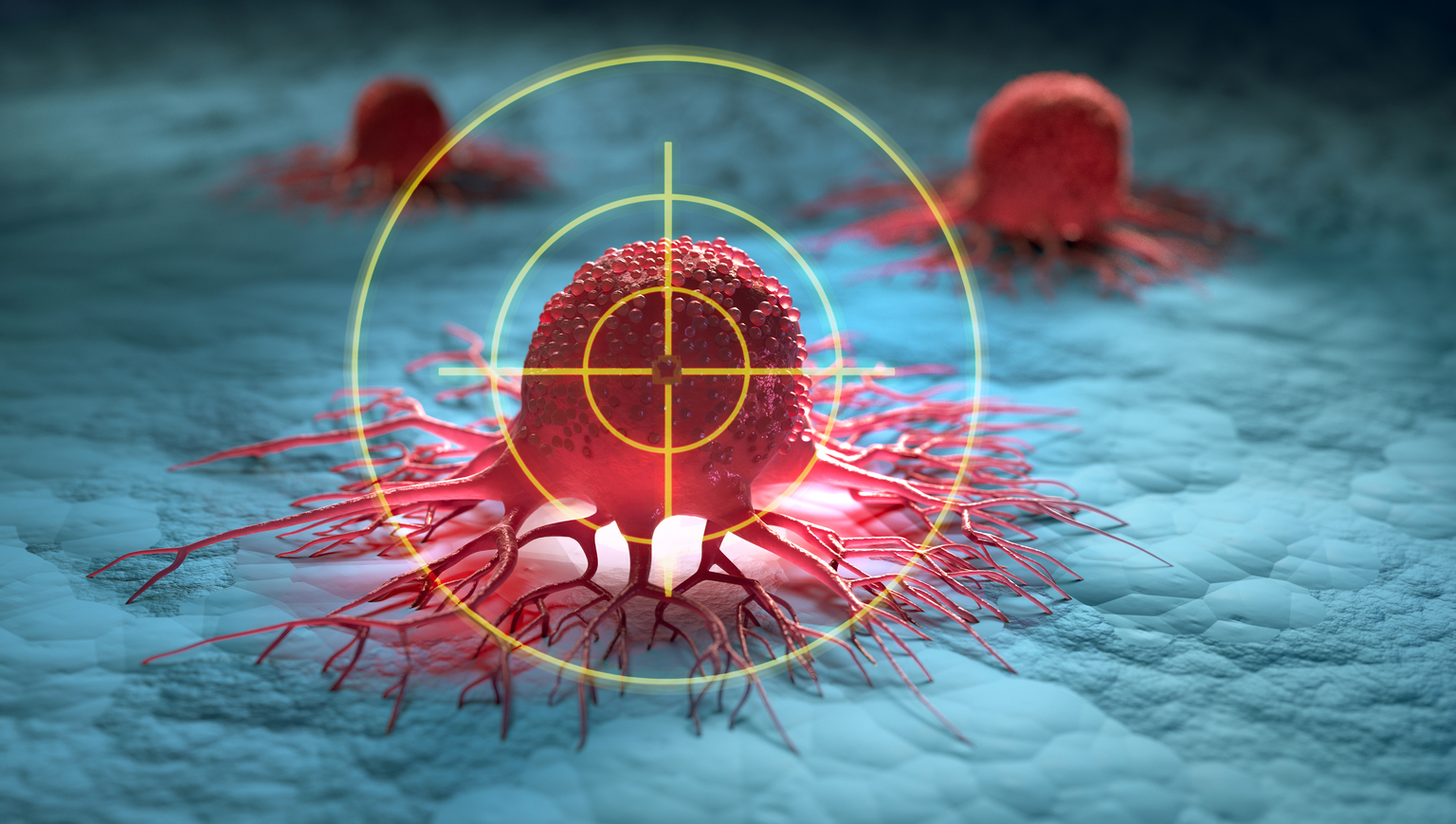
- Trial Failure: Regeneron (REGN) announced that its late-stage trial failed to meet the primary endpoint of progression-free survival against Merck’s (MRK) Keytruda, indicating insufficient efficacy of its combination therapy, which may impact the company's future market competitiveness.
- Study Scale and Results: The Phase 3 study evaluated over 1,500 subjects aged 12 and older, revealing that the combination therapy did not achieve statistical significance in progression-free survival, reflecting limitations in the treatment approach.
- Safety Assessment: Despite the disappointing results, Regeneron stated that the combination therapy did not indicate new safety signals, which may alleviate some investor concerns regarding the drug's safety profile.
- Ongoing Research Plans: Regeneron is currently conducting another Phase 3 trial comparing its combination therapy to Bristol Myers’ (BMY) Opdualag, demonstrating the company's continued exploration of treatment options despite facing challenges.
See More
Regeneron's Fianlimab Trial Fails to Meet Key Goals
- Trial Results: Regeneron's pivotal late-stage melanoma trial for its experimental drug fianlimab, combined with Libtayo, failed to meet its primary endpoint, as the fianlimab arm showed numerical improvement in progression-free survival but lacked statistical significance, leading to a slight decline in stock price during after-hours trading.
- Survival Data: In the high-dose arm, patients had a median progression-free survival of 11.5 months compared to 6.4 months for those on Keytruda alone, indicating a potential benefit but failing to meet clinical trial statistical requirements, highlighting challenges in market competition.
- Market Reaction: Despite 22 out of 29 analysts rating Regeneron stock as 'Buy' or higher, retail sentiment on Stocktwits remained bearish, reflecting concerns about the company's future performance, especially with the investigational status of the drug.
- Future Outlook: Regeneron is continuing a separate late-stage trial comparing the same combination against Bristol Myers Squibb’s Opdualag; although this trial's results are disappointing, the company is striving to establish a foothold in the rapidly growing melanoma immunotherapy market, with full results to be presented at an upcoming medical meeting.
See More
Acting FDA CDER Leader Expected to Step Down

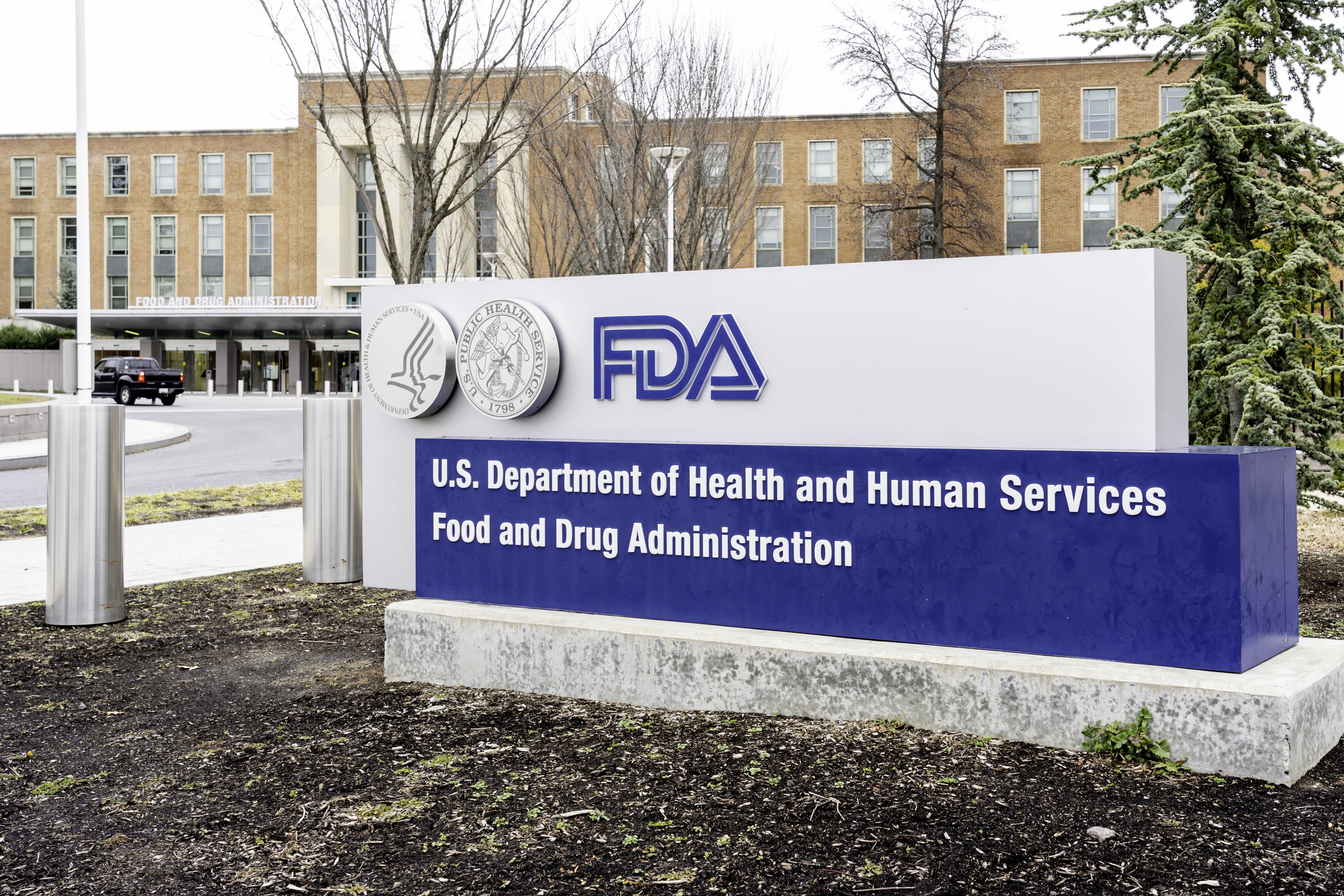
- Leadership Change: Following Marty Makary's resignation as FDA Commissioner on May 12, acting CDER Director Tracey Beth Hoeg is also expected to step down, indicating instability at the FDA that could impact drug approval processes.
- Tenure Background: Hoeg has served as acting director since December 2025 and joined the FDA in March 2025 as a special assistant and senior advisor to Makary, highlighting her rapid ascent and influence within the agency.
- Professional Background: Trained as a sports medicine physician and epidemiologist, Hoeg criticized school closures during the COVID-19 pandemic, suggesting her public health policy stance may influence FDA decision-making.
- Market Reaction: The leadership changes at the FDA could create uncertainty in the biopharmaceutical sector, particularly regarding partnerships and R&D with countries like China, potentially affecting future deal-making and investment strategies.
See More
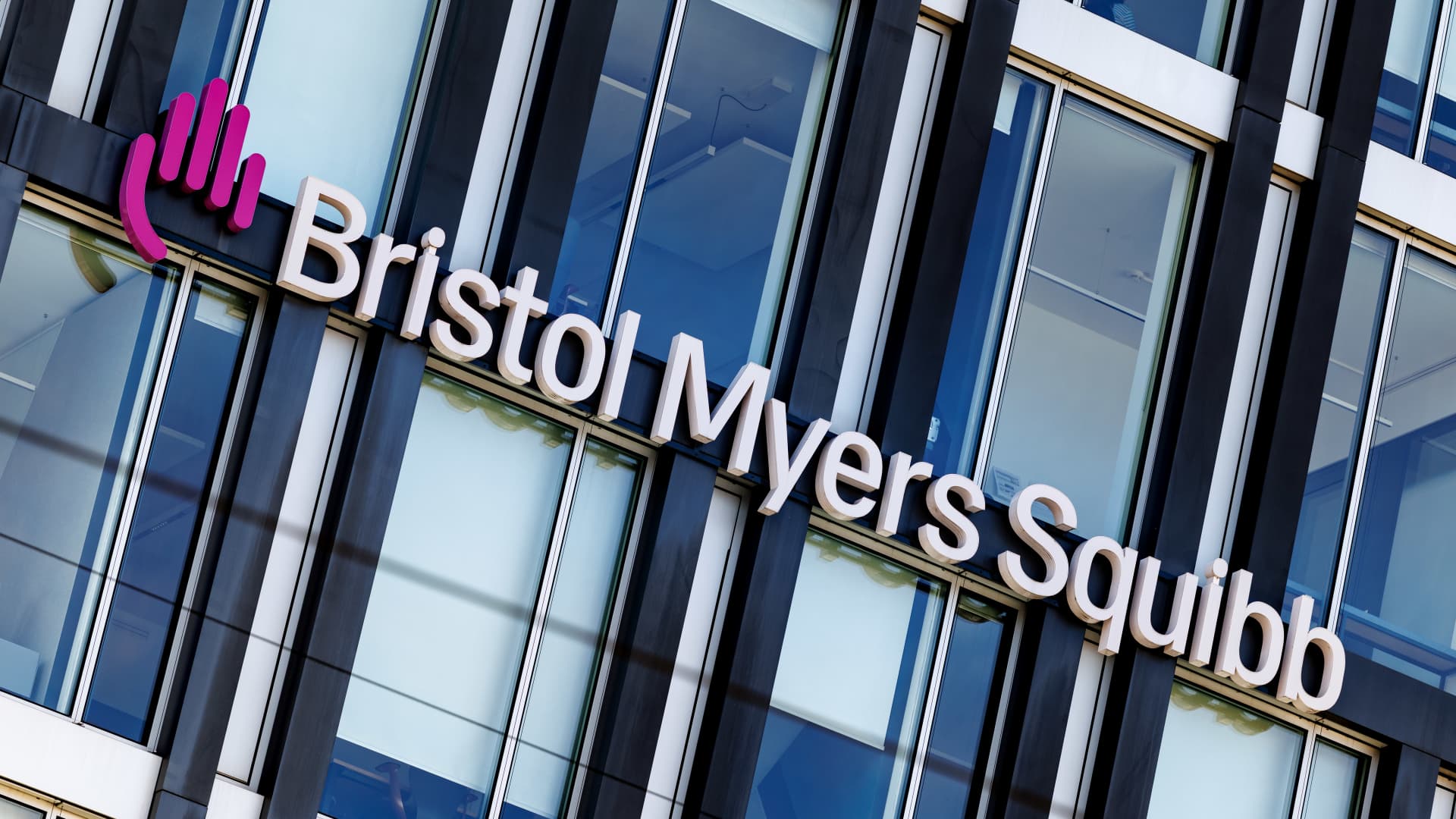
Bristol Myers Squibb Partners with Hengrui Pharma for Drug Development


- Significant Partnership: Bristol Myers Squibb has announced a potential multi-billion dollar partnership with Hengrui Pharma, aiming to co-develop around a dozen drugs, including four that Bristol will send to China for early-stage clinical trials, marking a new phase of international collaboration in drug development.
- Shift in R&D Model: This collaboration represents a departure from traditional licensing agreements, as both companies will contribute resources to drug development, positioning China as a vital part of the global pharmaceutical R&D ecosystem and highlighting U.S. drugmakers' increasing focus on the Chinese market.
- Market Trend Shift: According to DealForma, over half of large pharmaceutical licensing deals this year have originated from China, up from 39% last year, indicating a growing trend among U.S. and European biopharmaceutical companies to shift early drug development to China to expedite market entry.
- Future Industry Outlook: Experts predict that early-stage drug discovery will increasingly move to China due to its ability to conduct studies at lower costs and faster timelines, potentially reshaping the U.S. pharmaceutical landscape and encouraging more companies to initiate early clinical trials in China.
See More
Bristol Myers Squibb Partners with Hengrui Pharma for Drug Development
- New Drug Collaboration: Bristol Myers Squibb has announced a potential multi-billion dollar partnership with China's Hengrui Pharma to jointly develop about a dozen drugs, including four experimental drugs that will be sent to China for early clinical trials, marking a new phase in cross-continental drug development.
- Significance of the Chinese Market: According to DealForma, over half of large pharmaceutical companies' licensing deals have originated from China this year, a significant increase from 39% last year, indicating a growing focus of American and European biopharmaceutical companies on the Chinese market, which could accelerate the introduction of new drugs.
- Shift in R&D Model: This partnership not only involves sending experimental drugs to China for development but also positions China as a crucial part of the global R&D ecosystem, reflecting the pharmaceutical industry's recognition of China's innovative capabilities and potentially altering the future landscape of drug development.
- Signal of Industry Transformation: As more companies conduct early drug development in China, industry experts believe this will enhance drug development efficiency and reduce costs, potentially challenging the traditional U.S. early drug discovery model and prompting global pharmaceutical companies to reassess their R&D strategies.
See More

Pharma and Biotech Deal-Making Trends Remain Strong
- Surge in Transactions: Eric Tokat from Centerview Partners noted that 34 significant transactions are expected in Q4 2025 and Q1 2026, indicating a robust trend in pharma and biotech deal-making, particularly with an increase in early-stage candidate deals compared to previous years.
- Expansion into New Areas: Clive Meanwell from Population Health Partners highlighted that while recent deals have focused on oncology and obesity, there is an expectation for expansion into other areas, especially central nervous system assets, showcasing the market's potential for diversification over the next few years.
- Merck's Acquisition Frenzy: Merck has spent nearly $26 billion on M&A from April 2025 to April 2026, driven by the impending patent expiration of its blockbuster oncology therapy Keytruda in 2028, prompting the company to accelerate transactions to maintain its competitive edge in the market.
- Limited Macro Impact: Despite challenges such as inflation, oil prices, and the ongoing Iran war, Tokat believes that pharma and biotech deal-making will remain active, indicating strong industry resilience capable of withstanding external shocks.
See More
Regeneron’s Combination Therapy Fails Late-Stage Trial Against Keytruda
- Trial Failure: Regeneron (REGN) announced that its late-stage trial failed to meet the primary endpoint of progression-free survival against Merck’s (MRK) Keytruda, indicating insufficient efficacy of its combination therapy, which may impact the company's future market competitiveness.
- Study Scale and Results: The Phase 3 study evaluated over 1,500 subjects aged 12 and older, revealing that the combination therapy did not achieve statistical significance in progression-free survival, reflecting limitations in the treatment approach.
- Safety Assessment: Despite the disappointing results, Regeneron stated that the combination therapy did not indicate new safety signals, which may alleviate some investor concerns regarding the drug's safety profile.
- Ongoing Research Plans: Regeneron is currently conducting another Phase 3 trial comparing its combination therapy to Bristol Myers’ (BMY) Opdualag, demonstrating the company's continued exploration of treatment options despite facing challenges.
See More
Regeneron's Fianlimab Trial Fails to Meet Key Goals
- Trial Results: Regeneron's pivotal late-stage melanoma trial for its experimental drug fianlimab, combined with Libtayo, failed to meet its primary endpoint, as the fianlimab arm showed numerical improvement in progression-free survival but lacked statistical significance, leading to a slight decline in stock price during after-hours trading.
- Survival Data: In the high-dose arm, patients had a median progression-free survival of 11.5 months compared to 6.4 months for those on Keytruda alone, indicating a potential benefit but failing to meet clinical trial statistical requirements, highlighting challenges in market competition.
- Market Reaction: Despite 22 out of 29 analysts rating Regeneron stock as 'Buy' or higher, retail sentiment on Stocktwits remained bearish, reflecting concerns about the company's future performance, especially with the investigational status of the drug.
- Future Outlook: Regeneron is continuing a separate late-stage trial comparing the same combination against Bristol Myers Squibb’s Opdualag; although this trial's results are disappointing, the company is striving to establish a foothold in the rapidly growing melanoma immunotherapy market, with full results to be presented at an upcoming medical meeting.
See More
Acting FDA CDER Leader Expected to Step Down
- Leadership Change: Following Marty Makary's resignation as FDA Commissioner on May 12, acting CDER Director Tracey Beth Hoeg is also expected to step down, indicating instability at the FDA that could impact drug approval processes.
- Tenure Background: Hoeg has served as acting director since December 2025 and joined the FDA in March 2025 as a special assistant and senior advisor to Makary, highlighting her rapid ascent and influence within the agency.
- Professional Background: Trained as a sports medicine physician and epidemiologist, Hoeg criticized school closures during the COVID-19 pandemic, suggesting her public health policy stance may influence FDA decision-making.
- Market Reaction: The leadership changes at the FDA could create uncertainty in the biopharmaceutical sector, particularly regarding partnerships and R&D with countries like China, potentially affecting future deal-making and investment strategies.
See More
Bristol Myers Squibb Partners with Hengrui Pharma for Drug Development
- Significant Partnership: Bristol Myers Squibb has announced a potential multi-billion dollar partnership with Hengrui Pharma, aiming to co-develop around a dozen drugs, including four that Bristol will send to China for early-stage clinical trials, marking a new phase of international collaboration in drug development.
- Shift in R&D Model: This collaboration represents a departure from traditional licensing agreements, as both companies will contribute resources to drug development, positioning China as a vital part of the global pharmaceutical R&D ecosystem and highlighting U.S. drugmakers' increasing focus on the Chinese market.
- Market Trend Shift: According to DealForma, over half of large pharmaceutical licensing deals this year have originated from China, up from 39% last year, indicating a growing trend among U.S. and European biopharmaceutical companies to shift early drug development to China to expedite market entry.
- Future Industry Outlook: Experts predict that early-stage drug discovery will increasingly move to China due to its ability to conduct studies at lower costs and faster timelines, potentially reshaping the U.S. pharmaceutical landscape and encouraging more companies to initiate early clinical trials in China.
See More
Bristol Myers Squibb Partners with Hengrui Pharma for Drug Development
- New Drug Collaboration: Bristol Myers Squibb has announced a potential multi-billion dollar partnership with China's Hengrui Pharma to jointly develop about a dozen drugs, including four experimental drugs that will be sent to China for early clinical trials, marking a new phase in cross-continental drug development.
- Significance of the Chinese Market: According to DealForma, over half of large pharmaceutical companies' licensing deals have originated from China this year, a significant increase from 39% last year, indicating a growing focus of American and European biopharmaceutical companies on the Chinese market, which could accelerate the introduction of new drugs.
- Shift in R&D Model: This partnership not only involves sending experimental drugs to China for development but also positions China as a crucial part of the global R&D ecosystem, reflecting the pharmaceutical industry's recognition of China's innovative capabilities and potentially altering the future landscape of drug development.
- Signal of Industry Transformation: As more companies conduct early drug development in China, industry experts believe this will enhance drug development efficiency and reduce costs, potentially challenging the traditional U.S. early drug discovery model and prompting global pharmaceutical companies to reassess their R&D strategies.
See More
Pharma and Biotech Deal-Making Trends Remain Strong
- Surge in Transactions: Eric Tokat from Centerview Partners noted that 34 significant transactions are expected in Q4 2025 and Q1 2026, indicating a robust trend in pharma and biotech deal-making, particularly with an increase in early-stage candidate deals compared to previous years.
- Expansion into New Areas: Clive Meanwell from Population Health Partners highlighted that while recent deals have focused on oncology and obesity, there is an expectation for expansion into other areas, especially central nervous system assets, showcasing the market's potential for diversification over the next few years.
- Merck's Acquisition Frenzy: Merck has spent nearly $26 billion on M&A from April 2025 to April 2026, driven by the impending patent expiration of its blockbuster oncology therapy Keytruda in 2028, prompting the company to accelerate transactions to maintain its competitive edge in the market.
- Limited Macro Impact: Despite challenges such as inflation, oil prices, and the ongoing Iran war, Tokat believes that pharma and biotech deal-making will remain active, indicating strong industry resilience capable of withstanding external shocks.
See More