Pfizer's Talzenna with Xtandi Shows Significant Results in Prostate Cancer Study
Pfizer announced detailed results from the Phase 3 Talapro-3 study of Talzenna, an oral poly ADP-ribose polymerase inhibitor, in combination with Xtandi, an androgen receptor pathway inhibitor, in men with homologous recombination repair gene-mutated metastatic castration-sensitive prostate cancer, mCSPC, also known as metastatic hormone-sensitive prostate cancer, mHSPC. These results will be presented in a late-breaking oral presentation at the 2026 American Society of Clinical Oncology, ASCO, Annual Meeting and simultaneously published in The New England Journal of Medicine. Talzenna plus Xtandi demonstrated a 52% reduction in the risk of radiographic progression or death compared to placebo plus Xtandi. At three years, radiographic progression-free survival rates were estimated at 77% in patients treated with Talzenna plus XTANDI versus 56% in patients treated with placebo plus Xtandi. With a median follow-up of over 37 months, median rPFS was not reached in the Talzenna plus Xtandi arm and was 46 months with placebo and Xtandi.
Trade with 70% Backtested Accuracy
Analyst Views on PFE

About PFE
About the author


Pfizer Faces Challenges Yet Remains a Long-Term Investment Opportunity

- Long History: Founded in 1849, Pfizer has survived over a century in the highly competitive pharmaceutical industry, with a corporate ethos emphasizing resilience in adversity, which instills confidence in investors.
- Stock Price Decline: Pfizer's stock has dropped over 50% due to a retraction in pandemic-related vaccine demand, following a significant price spike, presenting a potential buying opportunity for long-term investors.
- Patent Expiration Risks: The company faces risks from the expiration of patents on key drugs, with several set to expire by 2028, leading to concerns about declining sales and investor apprehension.
- Innovation and Investment Opportunities: Despite challenges, Pfizer is actively developing new drugs, including vaccines and oncology treatments, with plans for up to 20 pivotal studies in 2026, indicating its long-term investment potential amidst industry dynamics.

Pfizer's Stock Decline: A Generational Opportunity?

- Long-Standing Company: Founded in 1849, Pfizer has survived over a century in the highly competitive pharmaceutical industry, emphasizing a corporate ethos of resilience that provides long-term investors with confidence in its potential recovery.
- Significant Stock Decline: Pfizer's stock has dropped over 50% from pandemic highs as COVID vaccine demand wanes, presenting a potential buying opportunity for long-term investors amid current negative market sentiment.
- Patent Expiration Risks: The company faces significant revenue risks due to the expiration of patents on key drugs, with multiple patents set to expire by 2028, leading to an influx of generics that could impact sales and investor confidence.
- Innovation and Acquisitions: Rather than retreating, Pfizer is actively pursuing innovation by acquiring competitors for more attractive GLP-1 drugs and planning up to 20 pivotal studies in 2026, demonstrating its commitment to medical advancement despite challenges.

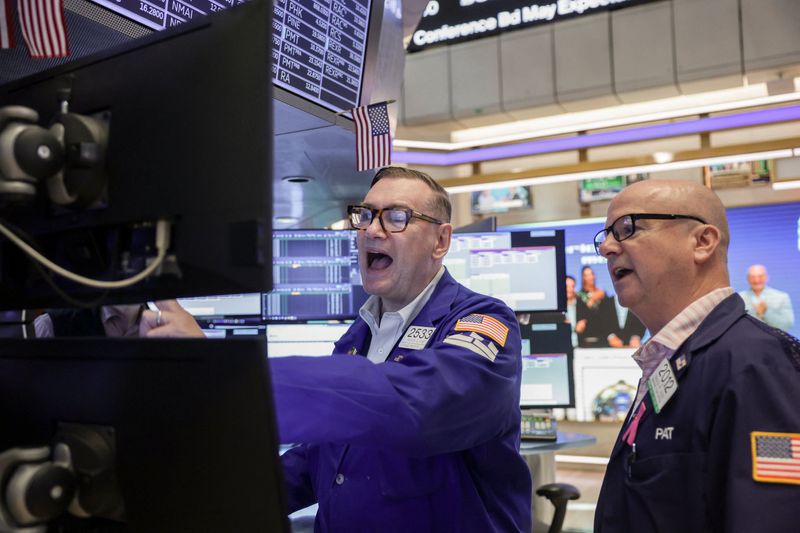
US Stocks Rise on Ceasefire Agreement and AI Optimism
- Ceasefire Agreement Impact: The temporary 60-day ceasefire agreement between the US and Iran alleviated energy price concerns for oil-importing nations, contributing to a 1.2% rise in the S&P 500 index.
- AI-Driven Optimism: Renewed optimism surrounding artificial intelligence and related technologies propelled the Nasdaq index up by 2%, indicating strong performance in tech stocks and a recovery in investor confidence.
- European Market Decline: In contrast to the US gains, European equities fell, with the STOXX index down 0.5%, reflecting concerns over the eurozone economic outlook, particularly after lower-than-expected inflation rates in Germany and France.
- Asian Market Divergence: Chinese markets dropped by 1.4%, while Japan's Nikkei 225 rose by 2.2%, highlighting a lack of synchronization in regional economic recovery, especially given Japan's strong retail sales and industrial output figures.

Pfizer's BRAFTOVI Clinical Trial Progress Update
- Significant Efficacy Improvement: In Cohort 3 of the BREAKWATER trial, the BRAFTOVI combination therapy achieved a median progression-free survival (PFS) of 15.2 months, nearly doubling the comparator's 8.3 months, indicating a potential shift in treatment paradigms.
- Survival Rate Enhancement: Patients receiving the BRAFTOVI regimen experienced a 44% reduction in death risk, with an expected 72% survival rate at 18 months compared to 54.5% in the comparator group, highlighting the clinical significance of this combination therapy in extending survival.
- Stable Safety Profile: The safety profile of BRAFTOVI in combination with other agents remained consistent with known drug characteristics, with no new safety signals identified; 70.4% of patients experienced grade 3 adverse events, lower than the 80.9% in the comparator group, suggesting better tolerability.
- Treatment Discontinuation Rates: Treatment discontinuation due to adverse events was reported in 15.5% of patients on the BRAFTOVI regimen versus 10.3% for the comparator, indicating a need to monitor patient tolerability and treatment continuity in clinical practice.
New Lung Cancer Drug ivonescimab Significantly Extends Survival


- Clinical Trial Results: The experimental drug ivonescimab from Akeso and Summit Therapeutics demonstrated a 34% reduction in death risk in late-stage trials, extending median survival by four months for patients with squamous non-small-cell lung cancer when combined with chemotherapy, indicating its potential in difficult-to-treat populations.
- Global Research Plans: The results from the Phase 3 trial conducted in China have garnered attention, and while a global Phase 3 study is ongoing, the applicability of the Chinese data to other populations remains uncertain, highlighting implications for future market dynamics.
- Market Reaction: Since Summit Therapeutics announced ivonescimab's superiority over Keytruda in a separate trial, its stock has surged nearly 600%, yet recent declines due to concerns over global efficacy reflect investor divisions regarding the drug's prospects.
- Safety Considerations: The trial revealed a bleeding incidence of nearly 25% in the ivonescimab group, double that of the control group, raising safety concerns despite fewer severe cases, which may impact market acceptance.

Analysts' Negative Outlook on Pfizer
- Analyst Rating Discrepancy: Among 29 analysts, only 2 have a strong buy rating for Pfizer, with 9 at buy, while the rest are hold or sell, indicating over 60% of analysts suggest a cautious view, reflecting a negative market perception of the company.
- Stock Price Decline Impact: Pfizer's stock has fallen over 50% from its 2021 peak, leading to investor disappointment regarding its business outlook, particularly with upcoming patent expirations that will significantly impact revenue from key drugs like Eliquis and Vyndaqel.
- New Drug Development Challenges: Pfizer's decision to drop its internally developed GLP-1 drug in the first half of 2025 has hindered its entry into a high-demand drug category, resulting in diminished investor confidence in its future product pipeline and negatively affecting the company's market image.
- Rising Dividend Yield: Despite Pfizer's dividend yield rising to 6.6%, well above the market average of 1.1%, its payout ratio exceeds 100%, yet the company remains committed to supporting dividend payments, demonstrating a determination to maintain shareholder returns during challenging times.
Pfizer Faces Challenges Yet Remains a Long-Term Investment Opportunity
- Long History: Founded in 1849, Pfizer has survived over a century in the highly competitive pharmaceutical industry, with a corporate ethos emphasizing resilience in adversity, which instills confidence in investors.
- Stock Price Decline: Pfizer's stock has dropped over 50% due to a retraction in pandemic-related vaccine demand, following a significant price spike, presenting a potential buying opportunity for long-term investors.
- Patent Expiration Risks: The company faces risks from the expiration of patents on key drugs, with several set to expire by 2028, leading to concerns about declining sales and investor apprehension.
- Innovation and Investment Opportunities: Despite challenges, Pfizer is actively developing new drugs, including vaccines and oncology treatments, with plans for up to 20 pivotal studies in 2026, indicating its long-term investment potential amidst industry dynamics.
Pfizer's Stock Decline: A Generational Opportunity?
- Long-Standing Company: Founded in 1849, Pfizer has survived over a century in the highly competitive pharmaceutical industry, emphasizing a corporate ethos of resilience that provides long-term investors with confidence in its potential recovery.
- Significant Stock Decline: Pfizer's stock has dropped over 50% from pandemic highs as COVID vaccine demand wanes, presenting a potential buying opportunity for long-term investors amid current negative market sentiment.
- Patent Expiration Risks: The company faces significant revenue risks due to the expiration of patents on key drugs, with multiple patents set to expire by 2028, leading to an influx of generics that could impact sales and investor confidence.
- Innovation and Acquisitions: Rather than retreating, Pfizer is actively pursuing innovation by acquiring competitors for more attractive GLP-1 drugs and planning up to 20 pivotal studies in 2026, demonstrating its commitment to medical advancement despite challenges.
US Stocks Rise on Ceasefire Agreement and AI Optimism
- Ceasefire Agreement Impact: The temporary 60-day ceasefire agreement between the US and Iran alleviated energy price concerns for oil-importing nations, contributing to a 1.2% rise in the S&P 500 index.
- AI-Driven Optimism: Renewed optimism surrounding artificial intelligence and related technologies propelled the Nasdaq index up by 2%, indicating strong performance in tech stocks and a recovery in investor confidence.
- European Market Decline: In contrast to the US gains, European equities fell, with the STOXX index down 0.5%, reflecting concerns over the eurozone economic outlook, particularly after lower-than-expected inflation rates in Germany and France.
- Asian Market Divergence: Chinese markets dropped by 1.4%, while Japan's Nikkei 225 rose by 2.2%, highlighting a lack of synchronization in regional economic recovery, especially given Japan's strong retail sales and industrial output figures.
Pfizer's BRAFTOVI Clinical Trial Progress Update
- Significant Efficacy Improvement: In Cohort 3 of the BREAKWATER trial, the BRAFTOVI combination therapy achieved a median progression-free survival (PFS) of 15.2 months, nearly doubling the comparator's 8.3 months, indicating a potential shift in treatment paradigms.
- Survival Rate Enhancement: Patients receiving the BRAFTOVI regimen experienced a 44% reduction in death risk, with an expected 72% survival rate at 18 months compared to 54.5% in the comparator group, highlighting the clinical significance of this combination therapy in extending survival.
- Stable Safety Profile: The safety profile of BRAFTOVI in combination with other agents remained consistent with known drug characteristics, with no new safety signals identified; 70.4% of patients experienced grade 3 adverse events, lower than the 80.9% in the comparator group, suggesting better tolerability.
- Treatment Discontinuation Rates: Treatment discontinuation due to adverse events was reported in 15.5% of patients on the BRAFTOVI regimen versus 10.3% for the comparator, indicating a need to monitor patient tolerability and treatment continuity in clinical practice.
New Lung Cancer Drug ivonescimab Significantly Extends Survival
- Clinical Trial Results: The experimental drug ivonescimab from Akeso and Summit Therapeutics demonstrated a 34% reduction in death risk in late-stage trials, extending median survival by four months for patients with squamous non-small-cell lung cancer when combined with chemotherapy, indicating its potential in difficult-to-treat populations.
- Global Research Plans: The results from the Phase 3 trial conducted in China have garnered attention, and while a global Phase 3 study is ongoing, the applicability of the Chinese data to other populations remains uncertain, highlighting implications for future market dynamics.
- Market Reaction: Since Summit Therapeutics announced ivonescimab's superiority over Keytruda in a separate trial, its stock has surged nearly 600%, yet recent declines due to concerns over global efficacy reflect investor divisions regarding the drug's prospects.
- Safety Considerations: The trial revealed a bleeding incidence of nearly 25% in the ivonescimab group, double that of the control group, raising safety concerns despite fewer severe cases, which may impact market acceptance.
Analysts' Negative Outlook on Pfizer
- Analyst Rating Discrepancy: Among 29 analysts, only 2 have a strong buy rating for Pfizer, with 9 at buy, while the rest are hold or sell, indicating over 60% of analysts suggest a cautious view, reflecting a negative market perception of the company.
- Stock Price Decline Impact: Pfizer's stock has fallen over 50% from its 2021 peak, leading to investor disappointment regarding its business outlook, particularly with upcoming patent expirations that will significantly impact revenue from key drugs like Eliquis and Vyndaqel.
- New Drug Development Challenges: Pfizer's decision to drop its internally developed GLP-1 drug in the first half of 2025 has hindered its entry into a high-demand drug category, resulting in diminished investor confidence in its future product pipeline and negatively affecting the company's market image.
- Rising Dividend Yield: Despite Pfizer's dividend yield rising to 6.6%, well above the market average of 1.1%, its payout ratio exceeds 100%, yet the company remains committed to supporting dividend payments, demonstrating a determination to maintain shareholder returns during challenging times.