Pfizer Shares Rise on Upgraded Price Forecast
Written by Emily J. Thompson, Senior Investment Analyst
Updated: Jan 27 2026
0mins

Should l Buy PFE?
Source: Benzinga
- Forecast Upgrade: Cantor Fitzgerald raised Pfizer's price forecast from $24 to $27, providing a positive catalyst for the pharmaceutical giant despite a 1.6% decline in the broader healthcare sector.
- Licensing Agreement: Pfizer entered a non-exclusive licensing agreement with Novavax for its Matrix-M adjuvant technology, granting Novavax a $30 million upfront payment and potential milestones up to $500 million, indicating Pfizer's proactive approach in product development.
- FDA Breakthrough Therapy: Pfizer's Sutent, in combination with Cogent Biosciences' bezuclastinib, received FDA Breakthrough Therapy Designation after showing a 50% reduction in disease progression risk, enhancing Pfizer's competitive edge in oncology treatments.
- Leadership Warning: At the World Economic Forum, CEO Albert Bourla warned that reduced funding for U.S. universities has weakened America's position in global health research, highlighting China's dominance in health research rankings.
Trade with 70% Backtested Accuracy
Stop guessing "Should I Buy PFE?" and start using high-conviction signals backed by rigorous historical data.
Sign up today to access powerful investing tools and make smarter, data-driven decisions.
Analyst Views on PFE
Wall Street analysts forecast PFE stock price to rise
16 Analyst Rating
5 Buy
11 Hold
0 Sell
Moderate Buy
Current: 28.550

Low
24.00
Averages
28.56
High
35.00
Current: 28.550
Low
24.00
Averages
28.56
High
35.00
About PFE
Pfizer Inc. is a research-based, global biopharmaceutical company. The Company is engaged in the discovery, development, manufacture, marketing, sale and distribution of biopharmaceutical products worldwide. Its Biopharma segment includes the Pfizer U.S. Commercial Division, and the Pfizer International Commercial Division. Its product categories include oncology, primary care and specialty care. Its oncology products include Ibrance, Xtandi, Padcev, Adcetris, Inlyta, Lorbrena, Bosulif, Tukysa, Braftovi, Mektovi, Orgovyx, Elrexfio, Tivdak and Talzenna. Its primary care products include Eliquis, Nurtec ODT/Vydura, Zavzpret, the Prevnar family, Comirnaty, Abrysvo, FSME/IMMUN-TicoVac, Nimenrix, Trumenba, and Paxlovid. Its specialty care products include Xeljanz, Enbrel (outside the United States and Canada), Inflectra, Abrilada, Cibinqo, Litfulo, Eucrisa, Velsipity, the Vyndaqel family, Genotropin, and others. Its PF-08653944 is an ultra-long-acting fully biased GLP-1 receptor agonist.
About the author

Emily J. Thompson
Emily J. Thompson, a Chartered Financial Analyst (CFA) with 12 years in investment research, graduated with honors from the Wharton School. Specializing in industrial and technology stocks, she provides in-depth analysis for Intellectia’s earnings and market brief reports.
NHS Expands Eligibility for RSV Vaccine to Three Million Older Adults

- Expanded Eligibility: The NHS has announced that an additional three million adults aged 80 and older will be eligible for Pfizer's RSV vaccine, Abrysvo, which is expected to significantly reduce hospital admissions caused by the virus.
- Diverse Access Channels: Older adults can receive the vaccine through GP practices, community pharmacies, or by informing care home staff, enhancing accessibility and potentially increasing vaccination rates to bolster public health.
- Hospitalization Prevention Impact: The NHS indicated that this vaccination initiative is expected to prevent thousands of RSV-related hospitalizations, with nearly 9,000 hospitalizations occurring annually among those over 75, underscoring the vaccine's critical role.
- Historical Context: Since September 2024, the NHS has provided bivalent shots to adults aged 75-79, now expanding to a broader elderly demographic, reflecting ongoing commitment to elderly health and policy adaptation.
See More
Impact of Trump's Tariffs One Year Later

- Widespread Tariff Impact: Trump's tariff policies have placed significant economic pressure on U.S. businesses over the past year, with approximately 80% to 85% of costs absorbed by companies, leading to reduced profits and increased consumer prices, thereby exacerbating overall economic uncertainty.
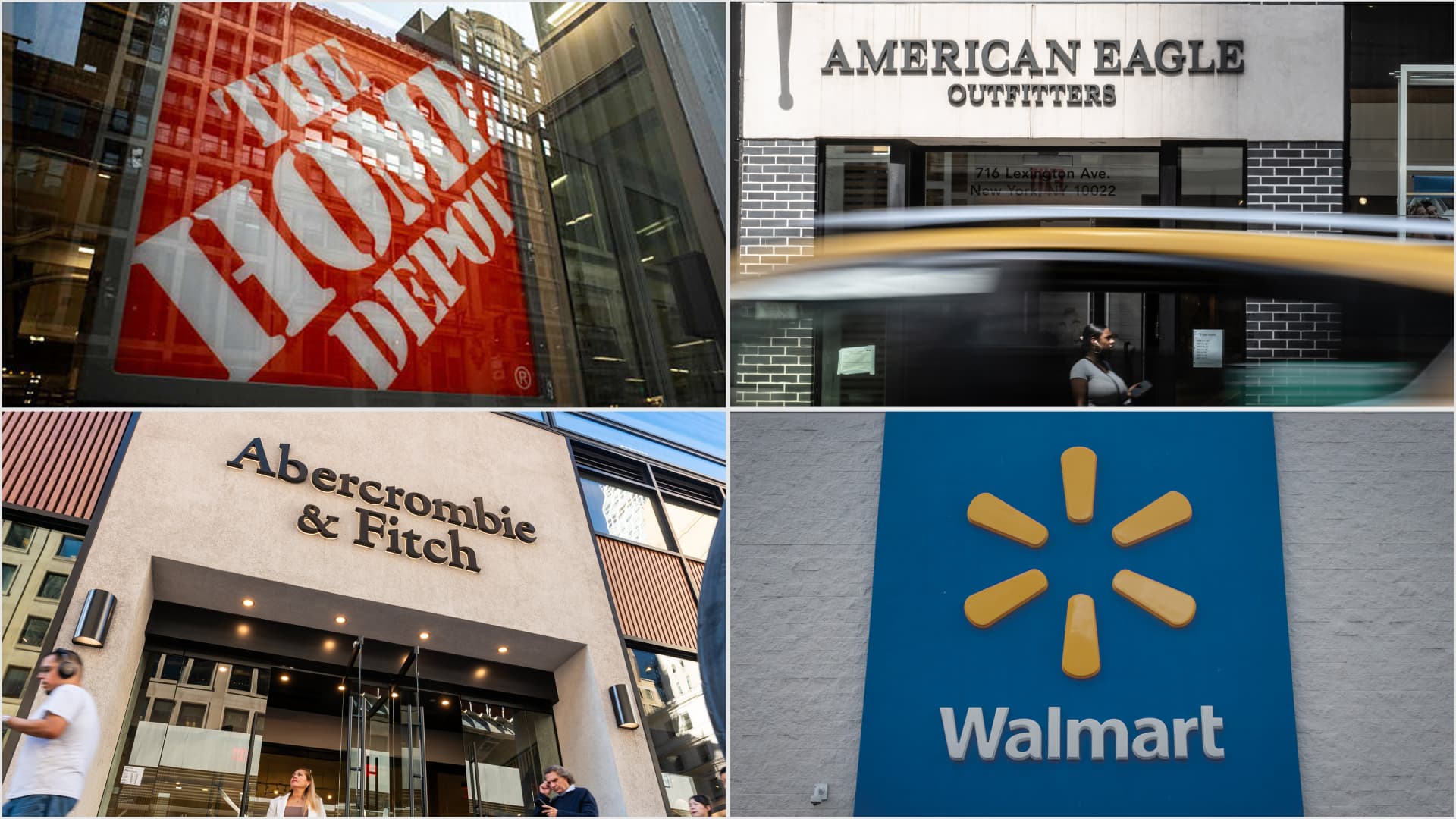
- Retail Sector Adaptation: While large retailers like Walmart have emerged relatively unscathed, smaller businesses have been severely impacted, with Home Depot aiming to limit purchases from any single country to 10% to reduce dependency and enhance supply chain flexibility.
- Automotive Industry Cost Surge: Automakers such as General Motors and Toyota are facing tariff impacts estimated at up to $9.5 billion, and although the Trump administration has taken steps to alleviate overlapping tariffs, overall costs remain significant, forcing companies to reassess their supply chain strategies.
- Pharmaceutical Sector Stability: Pharmaceutical companies have secured three-year tariff exemptions through pricing agreements with Trump, although new tariffs impose 100% on companies that do not reach agreements, the overall industry is still striving to increase investments in U.S. manufacturing.
See More

Trump Administration Plans 100% Tariffs on Imported Pharmaceuticals
- Tariff Policy Shift: The Trump administration is preparing to impose tariffs of up to 100% on branded drugs from companies that have not negotiated price reductions, potentially impacting major pharmaceutical firms like Eli Lilly, Pfizer, and Novo Nordisk, thereby increasing price volatility in the drug market.
- Manufacturing Incentives: Drugmakers can reduce or avoid tariffs by relocating production to the U.S. or negotiating deals with the administration, aiming to stimulate domestic manufacturing and potentially leading to a resurgence of investments in the pharmaceutical sector.
- Tariff Implementation Details: The draft proposal includes a 20% tariff for companies planning to onshore production, escalating to 100% in four years, which could significantly influence the long-term strategic positioning of the pharmaceutical industry.
- National Security Considerations: The tariff proposal stems from a Commerce Department investigation that identified certain pharmaceutical imports as a national security risk, highlighting the government's heightened focus on the security of drug supply chains.
See More

Trump Administration Plans New Tariffs on Pharmaceuticals
- New Tariff Policy: The Trump administration is preparing to impose new tariffs on pharmaceutical companies that have not struck price reduction deals, with patented drugs facing a potential 100% tariff, which could significantly increase costs and impact drug pricing.
- Exemption Pathways: Drugmakers can reduce or avoid tariffs by relocating production to the U.S. or negotiating agreements with the administration, aiming to encourage domestic manufacturing while potentially reshaping drug supply chains.
- Scope of Impact: Since November, over a dozen major drugmakers, including Eli Lilly, Pfizer, and Novo Nordisk, have secured three-year tariff exemptions through agreements with Trump, indicating a strong governmental stance on drug pricing that may alter competitive dynamics in the industry.
- Future Tariff Plans: The draft outlines a 20% tariff for companies planning to onshore production, escalating to 100% in four years, which could have profound implications for the pharmaceutical sector's long-term strategies amid increasing global market competition.
See More
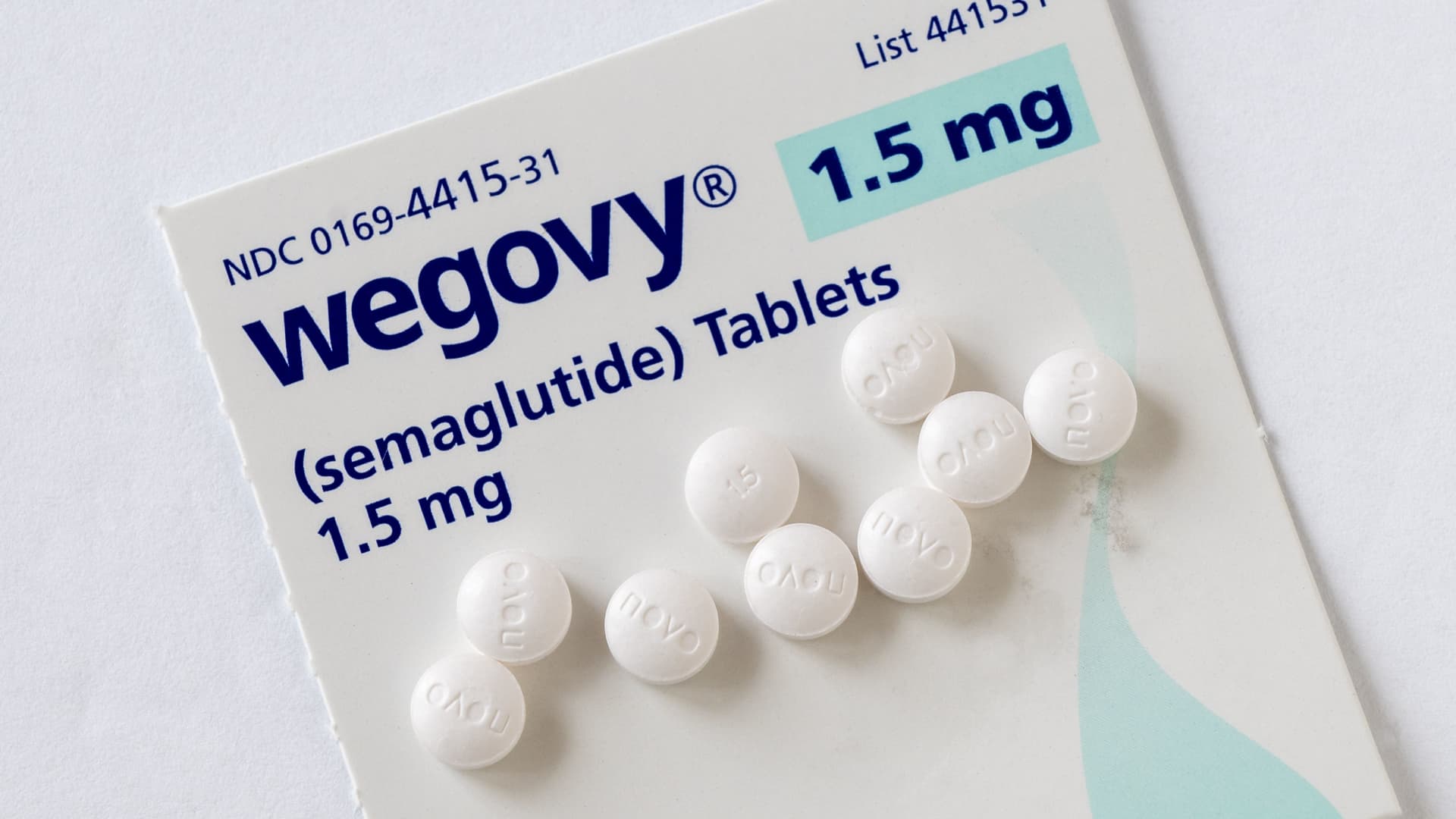
Wegovy Pill Shows Superior Weight Loss Over Foundayo
- Weight Loss Efficacy: The Wegovy pill demonstrated significantly greater mean weight loss of 16.6% compared to Eli Lilly's Foundayo, which showed only 12.4%, indicating Wegovy's competitive edge in the weight-loss drug market.
- Patient Preference Insights: An analysis by Novo revealed that 84% of patients preferred the drug profile of Wegovy, highlighting strong patient recognition of its lifestyle compatibility, which provides robust support for Novo's market promotion efforts.
- Market Competition Dynamics: The launch of the Wegovy pill is seen as the beginning of a new era in weight-loss medications; however, analysts note that the rapid increase in prescriptions may slow down as Foundayo approaches its market entry, potentially impacting Wegovy's market share.
- Side Effect Comparison: Recent studies indicate that Wegovy outperforms Foundayo in terms of discontinuation rates, with the latter associated with about 14 times higher odds of stopping treatment due to side effects, providing Wegovy with a crucial differentiation advantage in the increasingly competitive anti-obesity drug market.
See More
Analysis of High Dividend Stock Investment Strategy

- Philip Morris Growth: Despite declining global cigarette demand, Philip Morris International's smoke-free product volumes grew by 12.8% in 2025, demonstrating strong pricing power and unit economics in emerging markets, with expectations for significant increases in dividend per share in the future.
- Pfizer Dividend Advantage: Pfizer currently offers a dividend yield of 6.2%, and despite its stock price being down 55% from all-time highs, its investments in oncology and obesity drug markets may provide future growth potential, making it a stable income source.
- UnitedHealth Group Challenges: UnitedHealth Group has a dividend yield of 3.4%, and despite facing rising healthcare costs and cyberattack challenges, it is projected to rebound to $24 billion in operating earnings by 2026, supporting future dividend payments.
- Healthcare Spending Growth: As the U.S. population ages and healthcare costs inflate, healthcare spending is expected to continue rising, and while the insurance industry may not be popular, UnitedHealth Group's long-term growth potential remains noteworthy.
See More
NHS Expands Eligibility for RSV Vaccine to Three Million Older Adults
- Expanded Eligibility: The NHS has announced that an additional three million adults aged 80 and older will be eligible for Pfizer's RSV vaccine, Abrysvo, which is expected to significantly reduce hospital admissions caused by the virus.
- Diverse Access Channels: Older adults can receive the vaccine through GP practices, community pharmacies, or by informing care home staff, enhancing accessibility and potentially increasing vaccination rates to bolster public health.
- Hospitalization Prevention Impact: The NHS indicated that this vaccination initiative is expected to prevent thousands of RSV-related hospitalizations, with nearly 9,000 hospitalizations occurring annually among those over 75, underscoring the vaccine's critical role.
- Historical Context: Since September 2024, the NHS has provided bivalent shots to adults aged 75-79, now expanding to a broader elderly demographic, reflecting ongoing commitment to elderly health and policy adaptation.
See More
Impact of Trump's Tariffs One Year Later
- Widespread Tariff Impact: Trump's tariff policies have placed significant economic pressure on U.S. businesses over the past year, with approximately 80% to 85% of costs absorbed by companies, leading to reduced profits and increased consumer prices, thereby exacerbating overall economic uncertainty.
- Retail Sector Adaptation: While large retailers like Walmart have emerged relatively unscathed, smaller businesses have been severely impacted, with Home Depot aiming to limit purchases from any single country to 10% to reduce dependency and enhance supply chain flexibility.
- Automotive Industry Cost Surge: Automakers such as General Motors and Toyota are facing tariff impacts estimated at up to $9.5 billion, and although the Trump administration has taken steps to alleviate overlapping tariffs, overall costs remain significant, forcing companies to reassess their supply chain strategies.
- Pharmaceutical Sector Stability: Pharmaceutical companies have secured three-year tariff exemptions through pricing agreements with Trump, although new tariffs impose 100% on companies that do not reach agreements, the overall industry is still striving to increase investments in U.S. manufacturing.
See More
Trump Administration Plans 100% Tariffs on Imported Pharmaceuticals
- Tariff Policy Shift: The Trump administration is preparing to impose tariffs of up to 100% on branded drugs from companies that have not negotiated price reductions, potentially impacting major pharmaceutical firms like Eli Lilly, Pfizer, and Novo Nordisk, thereby increasing price volatility in the drug market.
- Manufacturing Incentives: Drugmakers can reduce or avoid tariffs by relocating production to the U.S. or negotiating deals with the administration, aiming to stimulate domestic manufacturing and potentially leading to a resurgence of investments in the pharmaceutical sector.
- Tariff Implementation Details: The draft proposal includes a 20% tariff for companies planning to onshore production, escalating to 100% in four years, which could significantly influence the long-term strategic positioning of the pharmaceutical industry.
- National Security Considerations: The tariff proposal stems from a Commerce Department investigation that identified certain pharmaceutical imports as a national security risk, highlighting the government's heightened focus on the security of drug supply chains.
See More
Trump Administration Plans New Tariffs on Pharmaceuticals
- New Tariff Policy: The Trump administration is preparing to impose new tariffs on pharmaceutical companies that have not struck price reduction deals, with patented drugs facing a potential 100% tariff, which could significantly increase costs and impact drug pricing.
- Exemption Pathways: Drugmakers can reduce or avoid tariffs by relocating production to the U.S. or negotiating agreements with the administration, aiming to encourage domestic manufacturing while potentially reshaping drug supply chains.
- Scope of Impact: Since November, over a dozen major drugmakers, including Eli Lilly, Pfizer, and Novo Nordisk, have secured three-year tariff exemptions through agreements with Trump, indicating a strong governmental stance on drug pricing that may alter competitive dynamics in the industry.
- Future Tariff Plans: The draft outlines a 20% tariff for companies planning to onshore production, escalating to 100% in four years, which could have profound implications for the pharmaceutical sector's long-term strategies amid increasing global market competition.
See More
Wegovy Pill Shows Superior Weight Loss Over Foundayo
- Weight Loss Efficacy: The Wegovy pill demonstrated significantly greater mean weight loss of 16.6% compared to Eli Lilly's Foundayo, which showed only 12.4%, indicating Wegovy's competitive edge in the weight-loss drug market.
- Patient Preference Insights: An analysis by Novo revealed that 84% of patients preferred the drug profile of Wegovy, highlighting strong patient recognition of its lifestyle compatibility, which provides robust support for Novo's market promotion efforts.
- Market Competition Dynamics: The launch of the Wegovy pill is seen as the beginning of a new era in weight-loss medications; however, analysts note that the rapid increase in prescriptions may slow down as Foundayo approaches its market entry, potentially impacting Wegovy's market share.
- Side Effect Comparison: Recent studies indicate that Wegovy outperforms Foundayo in terms of discontinuation rates, with the latter associated with about 14 times higher odds of stopping treatment due to side effects, providing Wegovy with a crucial differentiation advantage in the increasingly competitive anti-obesity drug market.
See More
Analysis of High Dividend Stock Investment Strategy
- Philip Morris Growth: Despite declining global cigarette demand, Philip Morris International's smoke-free product volumes grew by 12.8% in 2025, demonstrating strong pricing power and unit economics in emerging markets, with expectations for significant increases in dividend per share in the future.
- Pfizer Dividend Advantage: Pfizer currently offers a dividend yield of 6.2%, and despite its stock price being down 55% from all-time highs, its investments in oncology and obesity drug markets may provide future growth potential, making it a stable income source.
- UnitedHealth Group Challenges: UnitedHealth Group has a dividend yield of 3.4%, and despite facing rising healthcare costs and cyberattack challenges, it is projected to rebound to $24 billion in operating earnings by 2026, supporting future dividend payments.
- Healthcare Spending Growth: As the U.S. population ages and healthcare costs inflate, healthcare spending is expected to continue rising, and while the insurance industry may not be popular, UnitedHealth Group's long-term growth potential remains noteworthy.
See More