PepsiCo and Givaudan Announce 10-Year Virtual Power Purchase Agreement

PepsiCo (PEP), Givaudan (GVDNY), Smurfit WestRock (SW) and Statkraft have announced a 10-year Virtual Power Purchase Agreement, or VPPA, with an underlying wind asset in Spain which is undergoing repowering. Under the pep+ REnew program, PepsiCo worked with SE Advisory Services, Schneider Electric's global consulting practice, to structure and deliver its second supply-chain VPPA cohort under the pep+ REnew program. SE Advisory Services helped aggregate load across PepsiCo, Givaudan, and Smurfit WestRock. Launched in 2022, pep+ REnew has grown into a global platform supporting over 250 companies across North America, Latin America, Europe, and APAC. This VPPA represents the program's second completed cohort and the first renewable electricity cohort in Europe. The renewable electricity generated through this agreement is expected to contribute to an estimated 32,000 metric tons of CO2 emissions reductions per year. By aggregating demand, the parties were able to secure favorable commercial terms and gain access to long-term renewable energy opportunities typically available only to large buyers.
Trade with 70% Backtested Accuracy
Analyst Views on PEP

About PEP
About the author

Greg Abel's First Shareholder Meeting as CEO Receives Mixed Reviews


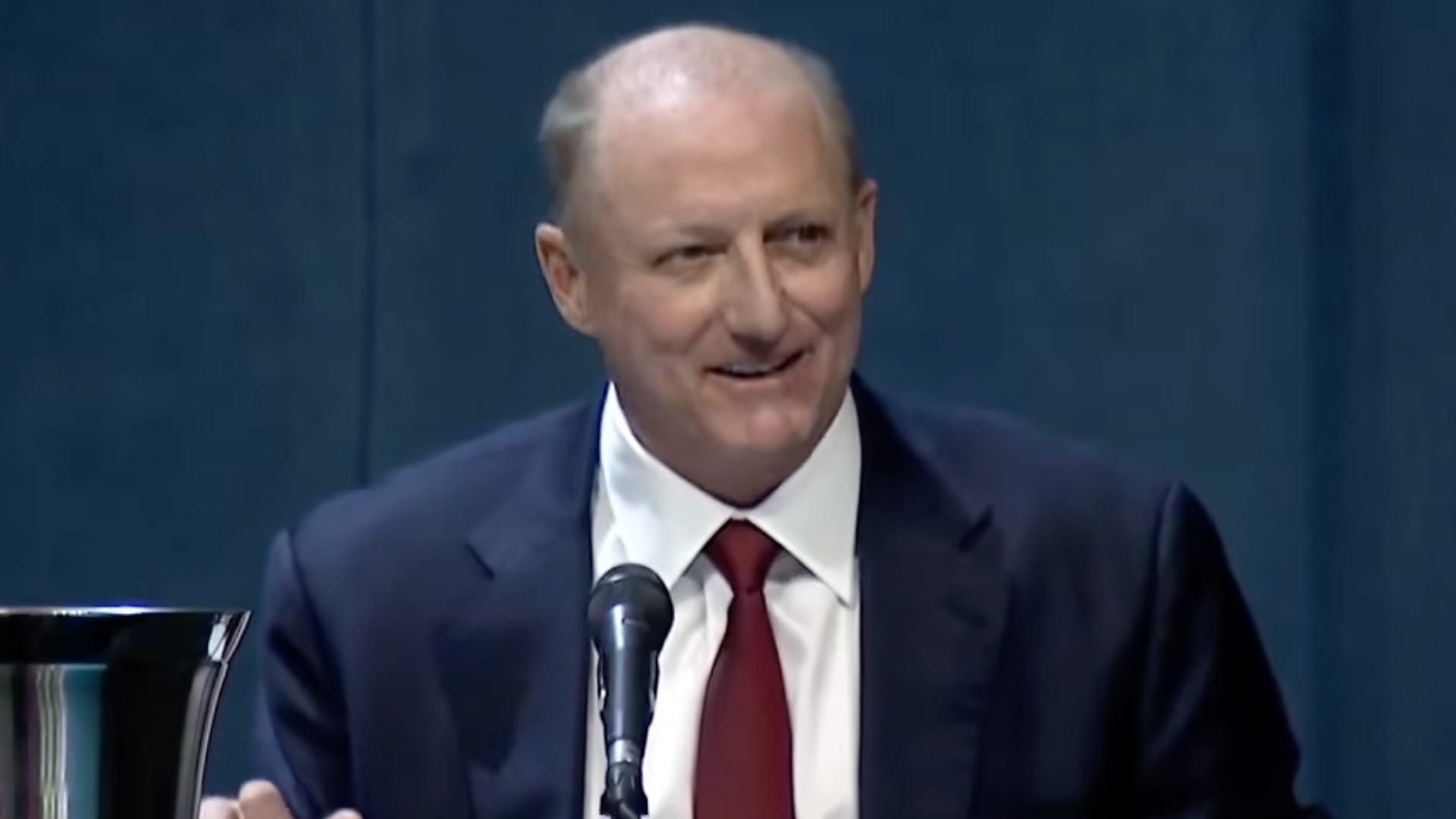
- Attendance at Shareholder Meeting: Greg Abel's first annual meeting as CEO saw attendance at just over half capacity, indicating a significant drop in draw compared to the Buffett and Munger era, although it still surpassed typical corporate annual meetings.
- Capital Allocation Concerns: Abel's failure to provide clear guidance on the future of Berkshire's equity portfolio and substantial cash reserves has heightened investor concerns regarding the company's capital allocation strategy, potentially impacting market confidence in Berkshire.
- Lackluster Buyback Performance: Despite announcing a resumption of stock buybacks, Berkshire repurchased only $234 million in shares during Q1, falling short of market expectations and possibly undermining investor trust in the company's buyback strategy.
- New CFO Compensation: The new CFO, Charles Chang, will receive an annual salary of $8 million, a significant increase compared to the previous CFO Marc Hamburg's total compensation of $4.3 million, raising potential shareholder concerns about the reasonableness of executive pay.
Overview of This Week's Dividend Activities


- Dividend Increases: Diamondback Energy raised its dividend from $1.0476 to $1.10, a 5% increase, indicating robust profitability and cash flow management.
- Beverage Giants' Dividend Boost: PepsiCo increased its dividend from $1.4225 to $1.48, a 4% rise, reflecting strong market performance and commitment to shareholder returns.
- New Dividend Declarations: Eli Lilly and Nike announced dividends of $1.73 and $0.41 per share, respectively, showcasing their stable profitability and attractiveness to investors in their sectors.
- Upcoming Dividend Calendar: Apple and Visa will have ex-dividend dates next week on May 11 and May 12, respectively, which is expected to further attract investor interest in their dividend-paying capabilities.

Three Unstoppable Dividend Kings to Buy Now

- Strong Dividend Growth: Johnson & Johnson (JNJ) raised its dividend by 3.1% last month, marking 64 consecutive years of increases, with a current yield of 2.3%, significantly higher than the S&P 500's 1.1%, demonstrating its stability and appeal during economic downturns.
- Robust Cash Flow: Johnson & Johnson generated $20 billion in free cash flow last year, more than covering its $12.4 billion dividend payout, and its ultra-low net debt level underscores its financial health and ability to sustain dividends.
- Long-Term Growth Potential: Procter & Gamble (PG) has paid dividends for 136 consecutive years, recently extending its growth streak to 70 years, with expected operating cash flow of $20 billion this year, sufficient to cover its $10 billion dividend and $5 billion in share repurchases, ensuring stable dividend payments.
- Strategic Investments and Returns: PepsiCo (PEP) delivered a 4% dividend increase this year and plans to return about $8.9 billion in cash to shareholders, showcasing its strong cash flow and strategic investment capabilities, which are expected to support long-term revenue growth and dividend increases.

DoorDash's Revenue Miss Doesn't Detract from Strong Growth Story
- Significant Revenue Growth: DoorDash's Q1 revenue increased by 33% year-over-year to $4.04 billion, largely driven by the acquisition of Deliveroo, showcasing the company's strong performance in market expansion.
- Order Volume Surge: Total orders rose by 27% to 933 million, with marketplace gross order value jumping 37% to $31.6 billion, indicating that the company is not only adding orders but also capturing larger ones, particularly in the fast-growing grocery and retail categories.
- Profit Pressure Intensifies: Despite revenue growth, diluted EPS fell from $0.44 to $0.42, primarily due to integration costs from Deliveroo and ongoing investments in autonomous delivery, highlighting the profit pressures faced during expansion.
- Optimistic Future Outlook: Management maintained its full-year outlook, expecting modest margin gains, although heavy investment will continue, indicating the company's need to prove that these investments can translate into operational leverage.
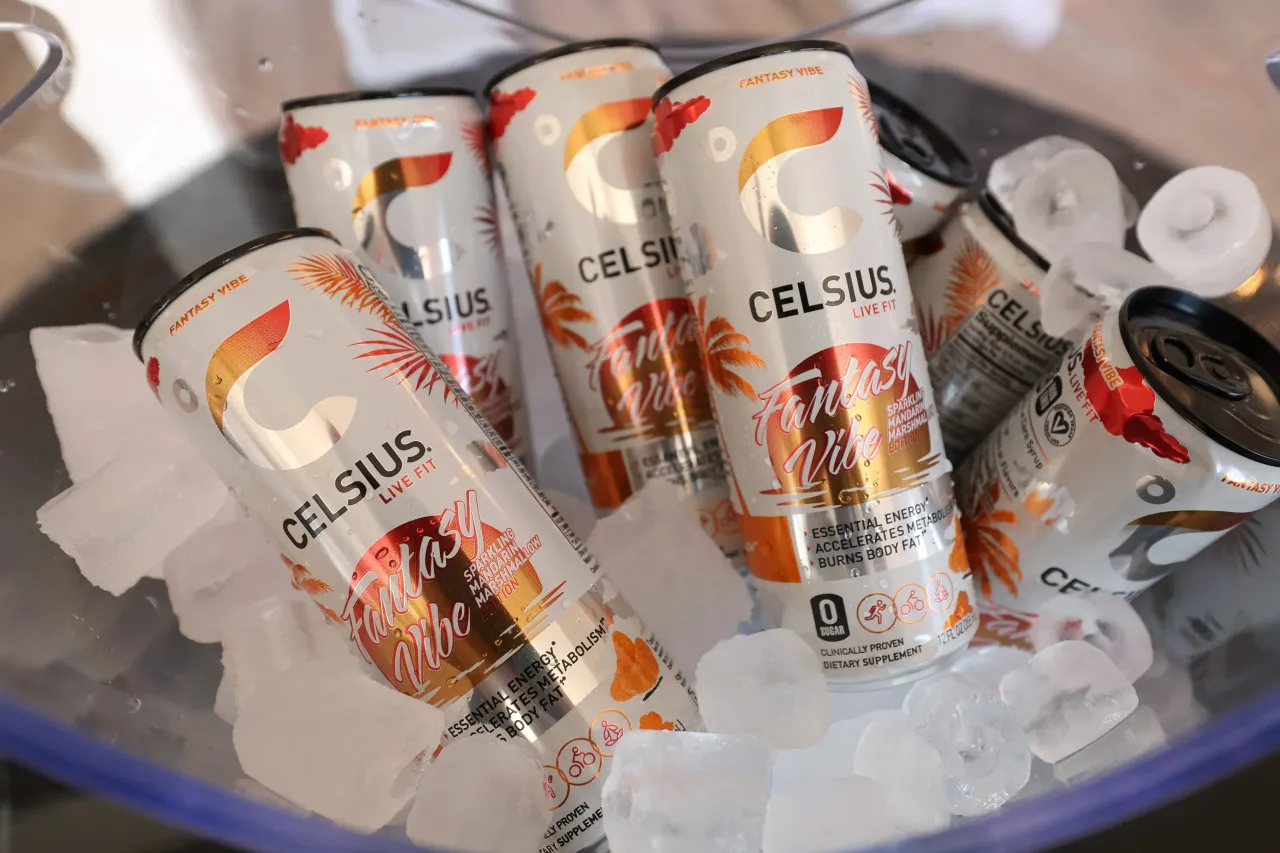
Celsius Reports Record Q1 Earnings, Sales Surge
- Significant Revenue Growth: Celsius reported a 138% year-on-year increase in Q1 revenue to $783 million, surpassing Wall Street's expectations of $761 million, indicating strong market performance.
- Doubling of EPS: The company's earnings per share (EPS) surged 128% from $0.18 to $0.41 year-on-year, exceeding market expectations of $0.28, reflecting a substantial improvement in profitability.
- Record Sales for Alani Nu: Celsius's energy drink brand Alani Nu achieved record sales of $368 million in Q1, accounting for about half of the company's total sales, benefiting from its integration into PepsiCo's distribution system.
- Strong International Performance: Celsius's international revenue soared 55% year-on-year to $35.3 million, primarily driven by growth in the Nordics, showcasing the company's potential in global expansion.
Social Media Influencers Transform India's Food and Beverage Market

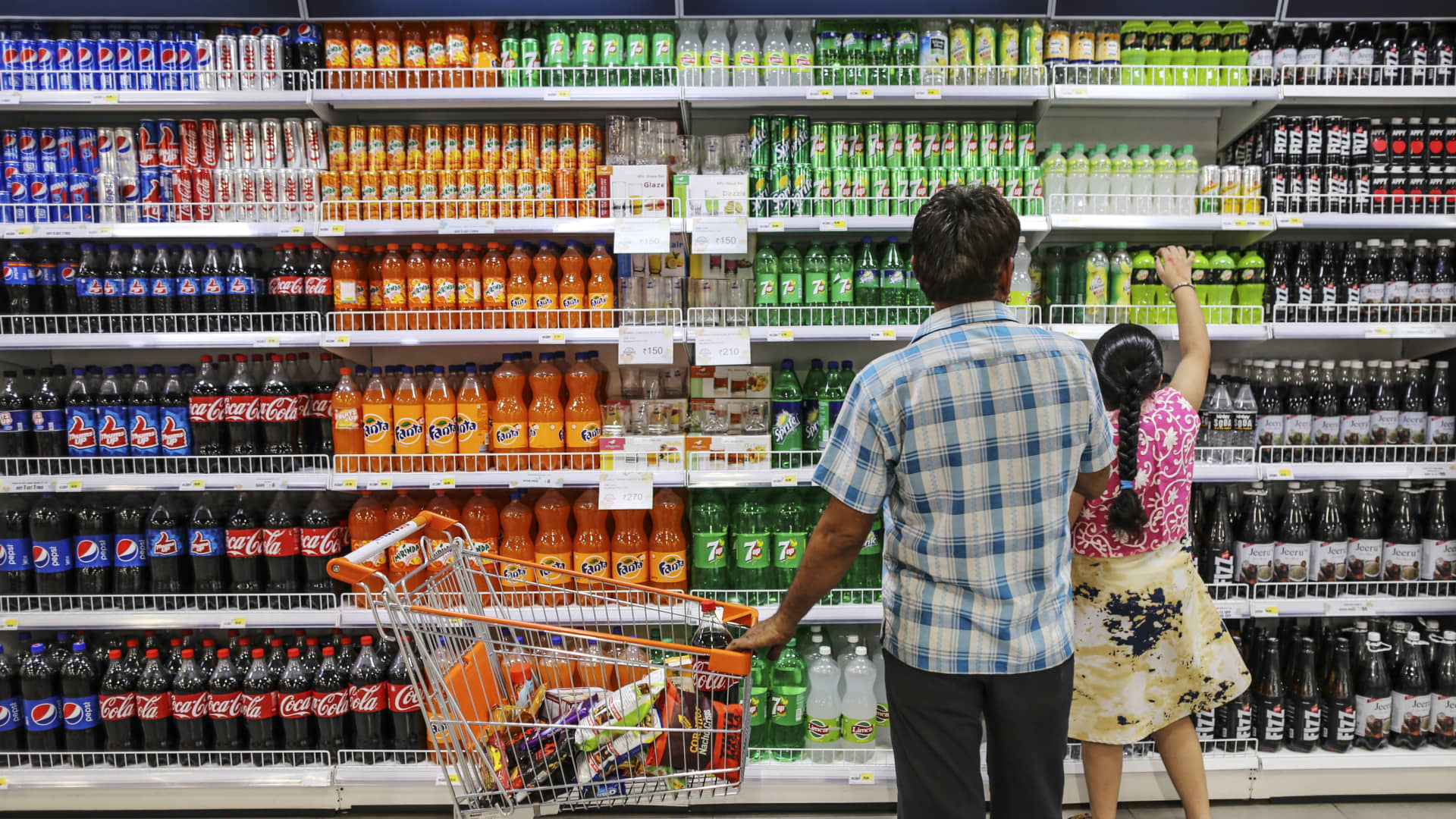
- Health Beverage Transformation: PepsiCo reports that over 50% of its beverage portfolio in India consists of low- to no-sugar options, with plans to increase this to 90%, reflecting a significant shift towards healthier consumer preferences in the market.
- Consumer Awareness Rise: Social media influencers are urging consumers to read labels, leading brands like Dabur and Mondelez to reduce sugar content; Dabur has cut sugar by 21% in its juices by 2023 and aims for an additional 20% reduction, highlighting the strong demand for healthier products.
- Rise of D2C Brands: The growth of social media is facilitating the rise of direct-to-consumer brands in India, posing a threat to traditional companies that fail to adapt, as experts indicate this trend will be a crucial lever for future personal care and food brands.
- Strengthened Food Safety Regulations: India's food safety regulator has banned certain beverages from using
Greg Abel's First Shareholder Meeting as CEO Receives Mixed Reviews
- Attendance at Shareholder Meeting: Greg Abel's first annual meeting as CEO saw attendance at just over half capacity, indicating a significant drop in draw compared to the Buffett and Munger era, although it still surpassed typical corporate annual meetings.
- Capital Allocation Concerns: Abel's failure to provide clear guidance on the future of Berkshire's equity portfolio and substantial cash reserves has heightened investor concerns regarding the company's capital allocation strategy, potentially impacting market confidence in Berkshire.
- Lackluster Buyback Performance: Despite announcing a resumption of stock buybacks, Berkshire repurchased only $234 million in shares during Q1, falling short of market expectations and possibly undermining investor trust in the company's buyback strategy.
- New CFO Compensation: The new CFO, Charles Chang, will receive an annual salary of $8 million, a significant increase compared to the previous CFO Marc Hamburg's total compensation of $4.3 million, raising potential shareholder concerns about the reasonableness of executive pay.
Overview of This Week's Dividend Activities
- Dividend Increases: Diamondback Energy raised its dividend from $1.0476 to $1.10, a 5% increase, indicating robust profitability and cash flow management.
- Beverage Giants' Dividend Boost: PepsiCo increased its dividend from $1.4225 to $1.48, a 4% rise, reflecting strong market performance and commitment to shareholder returns.
- New Dividend Declarations: Eli Lilly and Nike announced dividends of $1.73 and $0.41 per share, respectively, showcasing their stable profitability and attractiveness to investors in their sectors.
- Upcoming Dividend Calendar: Apple and Visa will have ex-dividend dates next week on May 11 and May 12, respectively, which is expected to further attract investor interest in their dividend-paying capabilities.
Three Unstoppable Dividend Kings to Buy Now
- Strong Dividend Growth: Johnson & Johnson (JNJ) raised its dividend by 3.1% last month, marking 64 consecutive years of increases, with a current yield of 2.3%, significantly higher than the S&P 500's 1.1%, demonstrating its stability and appeal during economic downturns.
- Robust Cash Flow: Johnson & Johnson generated $20 billion in free cash flow last year, more than covering its $12.4 billion dividend payout, and its ultra-low net debt level underscores its financial health and ability to sustain dividends.
- Long-Term Growth Potential: Procter & Gamble (PG) has paid dividends for 136 consecutive years, recently extending its growth streak to 70 years, with expected operating cash flow of $20 billion this year, sufficient to cover its $10 billion dividend and $5 billion in share repurchases, ensuring stable dividend payments.
- Strategic Investments and Returns: PepsiCo (PEP) delivered a 4% dividend increase this year and plans to return about $8.9 billion in cash to shareholders, showcasing its strong cash flow and strategic investment capabilities, which are expected to support long-term revenue growth and dividend increases.
DoorDash's Revenue Miss Doesn't Detract from Strong Growth Story
- Significant Revenue Growth: DoorDash's Q1 revenue increased by 33% year-over-year to $4.04 billion, largely driven by the acquisition of Deliveroo, showcasing the company's strong performance in market expansion.
- Order Volume Surge: Total orders rose by 27% to 933 million, with marketplace gross order value jumping 37% to $31.6 billion, indicating that the company is not only adding orders but also capturing larger ones, particularly in the fast-growing grocery and retail categories.
- Profit Pressure Intensifies: Despite revenue growth, diluted EPS fell from $0.44 to $0.42, primarily due to integration costs from Deliveroo and ongoing investments in autonomous delivery, highlighting the profit pressures faced during expansion.
- Optimistic Future Outlook: Management maintained its full-year outlook, expecting modest margin gains, although heavy investment will continue, indicating the company's need to prove that these investments can translate into operational leverage.
Celsius Reports Record Q1 Earnings, Sales Surge
- Significant Revenue Growth: Celsius reported a 138% year-on-year increase in Q1 revenue to $783 million, surpassing Wall Street's expectations of $761 million, indicating strong market performance.
- Doubling of EPS: The company's earnings per share (EPS) surged 128% from $0.18 to $0.41 year-on-year, exceeding market expectations of $0.28, reflecting a substantial improvement in profitability.
- Record Sales for Alani Nu: Celsius's energy drink brand Alani Nu achieved record sales of $368 million in Q1, accounting for about half of the company's total sales, benefiting from its integration into PepsiCo's distribution system.
- Strong International Performance: Celsius's international revenue soared 55% year-on-year to $35.3 million, primarily driven by growth in the Nordics, showcasing the company's potential in global expansion.
Social Media Influencers Transform India's Food and Beverage Market
- Health Beverage Transformation: PepsiCo reports that over 50% of its beverage portfolio in India consists of low- to no-sugar options, with plans to increase this to 90%, reflecting a significant shift towards healthier consumer preferences in the market.
- Consumer Awareness Rise: Social media influencers are urging consumers to read labels, leading brands like Dabur and Mondelez to reduce sugar content; Dabur has cut sugar by 21% in its juices by 2023 and aims for an additional 20% reduction, highlighting the strong demand for healthier products.
- Rise of D2C Brands: The growth of social media is facilitating the rise of direct-to-consumer brands in India, posing a threat to traditional companies that fail to adapt, as experts indicate this trend will be a crucial lever for future personal care and food brands.
- Strengthened Food Safety Regulations: India's food safety regulator has banned certain beverages from using