Pension Officials Raise Concerns Over SpaceX's Governance Structure Ahead of IPO
Written by Emily J. Thompson, Senior Investment Analyst
Updated: 1 day ago
0mins
Should l Buy TSLA?
Source: Yahoo Finance
- Governance Concerns: Pension officials from New York and California have expressed concerns in a letter to Elon Musk regarding SpaceX's 'extreme' governance structure, particularly Musk's control over voting rights, which could impact shareholder interests post-IPO.
- Dual-Class Share Structure: SpaceX plans to implement a dual-class share structure where Musk's Class B shares are worth ten times the regular shares, granting him significant voting power, which has been labeled as 'the most management-favorable governance structure,' raising questions about corporate governance.
- CEO Compensation Issues: The letter highlights potential risks associated with Musk's compensation packages, suggesting that they could create competitive tensions between SpaceX and Tesla, while urging the adoption of a one-vote, one-share structure and the separation of the Chair and CEO roles to enhance governance transparency.
- IPO Valuation and Risks: SpaceX's IPO filings target a valuation of $1.75 trillion, although its plans for Mars colonization rely on unproven technology and carry significant risks, leading officials to question the commercial viability of these ambitious goals.
Trade with 70% Backtested Accuracy
Stop guessing "Should I Buy TSLA?" and start using high-conviction signals backed by rigorous historical data.
Sign up today to access powerful investing tools and make smarter, data-driven decisions.
Analyst Views on TSLA
Wall Street analysts forecast TSLA stock price to fall
30 Analyst Rating
12 Buy
11 Hold
7 Sell
Hold
Current: 445.270

Low
25.28
Averages
401.93
High
600.00
Current: 445.270
Low
25.28
Averages
401.93
High
600.00
About TSLA
Tesla, Inc. designs, develops, manufactures, sells and leases high-performance fully electric vehicles and energy generation and storage systems, and offers services related to its products. Its segments include automotive, and energy generation and storage. The automotive segment includes the design, development, manufacturing, sales and leasing of high-performance fully electric vehicles, and sales of automotive regulatory credits. It also includes sales of used vehicles, non-warranty maintenance services and collisions, part sales, paid supercharging, insurance services revenue and retail merchandise sales. The energy generation and storage segment include the design, manufacture, installation, sales and leasing of solar energy generation and energy storage products and related services and sales of solar energy systems incentives. Its consumer vehicles include the Model 3, Y, S, X and Cybertruck. Its lithium-ion battery energy storage products include Powerwall and Megapack.
About the author

Emily J. Thompson
Emily J. Thompson, a Chartered Financial Analyst (CFA) with 12 years in investment research, graduated with honors from the Wharton School. Specializing in industrial and technology stocks, she provides in-depth analysis for Intellectia’s earnings and market brief reports.
Tesla Accelerates Robotaxi Operations Amid Software Developments

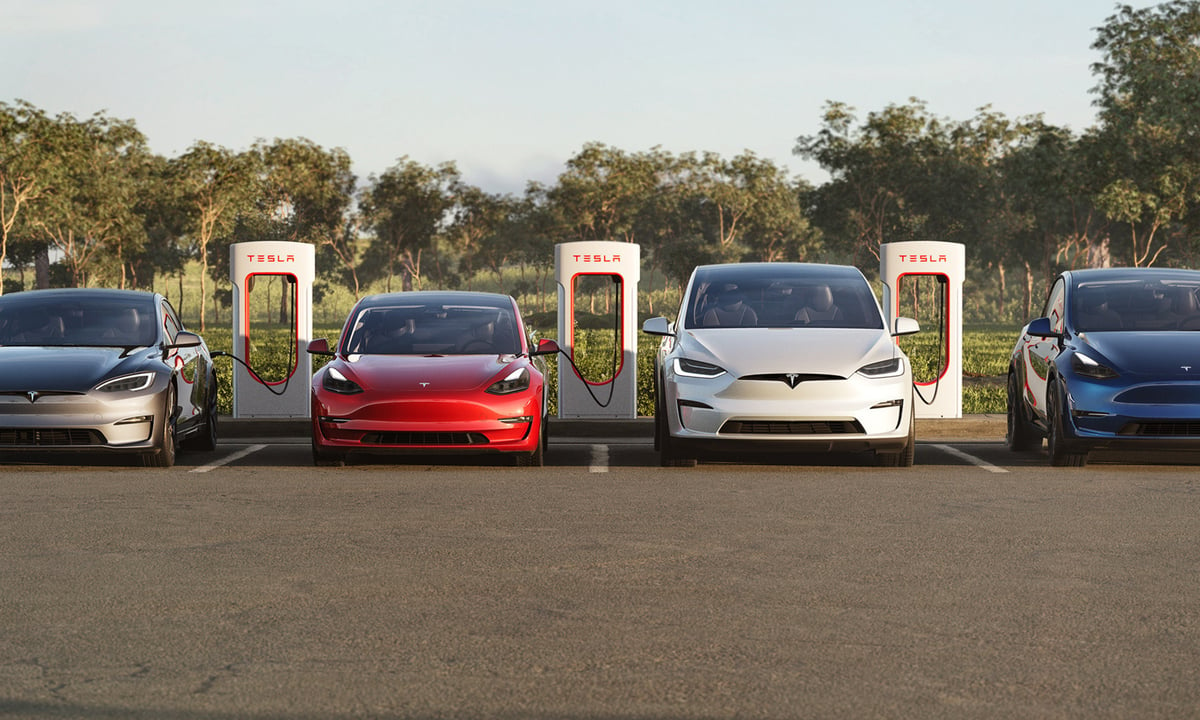
- Fleet Expansion: Tesla currently operates 39 unsupervised robotaxis in Austin, Dallas, and Houston, a significant increase from just 9 in early April and 26 in early May, showcasing the company's aggressive strategy in the robotaxi sector and boosting investor confidence.
- Software Update Importance: The next version of Tesla's Full Self-Driving software (FSD v15) is expected to be available by early 2027, with CEO Elon Musk emphasizing the need to address major architectural improvements before large-scale deployment, which will directly impact the future rollout of robotaxis.
- Market Expectations: While Tesla has made progress in robotaxi deployment, investors should remain cautious as the company will not pursue large-scale unsupervised robotaxi launches until the FSD software is updated, indicating that short-term market reactions may be limited.
- Urban Expansion Plans: Tesla is preparing for robotaxi deployments in new cities such as Phoenix, Miami, Orlando, Tampa, and Las Vegas, and although it currently operates only in unsupervised mode in Dallas and Houston, future city expansions will further enhance its competitive position in the market.
See More

Magnificent Seven Drives Market Recovery


- Significant Market Cap Growth: Since April 2023, the combined market cap of the Magnificent Seven has increased by $4.8 trillion, accounting for about 7% of the total S&P 500 market cap, highlighting their dominant position and robust profitability in the market.
- Earnings-Driven Growth: As of May 14, 2026, companies like Nvidia, Alphabet, and Apple saw their market caps rise by 35.2%, 39.7%, and 17.6% respectively, indicating that their stock prices are propelled by sustained revenue growth and high margins.
- Concentration Risk: As of April 30, 35% of the S&P 500 is composed of tech stocks, reflecting a heavy reliance on a few companies, which could lead to increased market volatility, especially if the AI investment narrative cools down.
- Investment Strategy Adjustment: Investors should consider alternative investment vehicles like equal-weight ETFs to reduce excessive exposure to growth stocks, thereby protecting portfolio stability during market fluctuations.
See More
Asian Shares Under Pressure Amid Inflation Fears
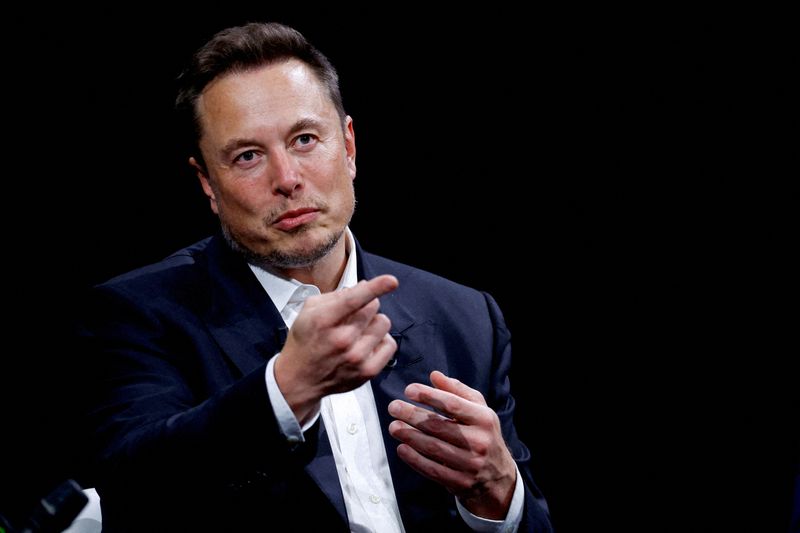
- Inflation Concerns Rise: Asian markets faced pressure on Friday as investor enthusiasm for tech stocks waned due to inflation fears, with the MSCI Asia-Pacific index dropping 1.2%, erasing this week's gains and reflecting heightened concerns over rising prices driven by oil surging to $107 per barrel.
- Japan's Inflation Data: Japan's wholesale inflation accelerated to 4.9% in April, the fastest pace in three years, which may compel the Bank of Japan to consider interest rate hikes, negatively impacting market confidence in the yen and contributing to a 1.2% drop in the Nikkei index.
- U.S. Treasury Yields Climb: The 30-year Treasury yield reached 5.046%, the highest since 2007, while the two-year yield rose to 4.056%, indicating increased market expectations for rate hikes and potentially higher borrowing costs, which could dampen economic growth.
- Dollar Strengthens: The dollar is set for a 1.2% weekly gain, the largest in two months, bolstered by strong retail sales data and uncertainty in the Gulf region, pushing the yen below 158 per dollar and keeping traders alert for potential intervention from Tokyo.
See More
Musk v. OpenAI Trial Enters Jury Deliberation Phase

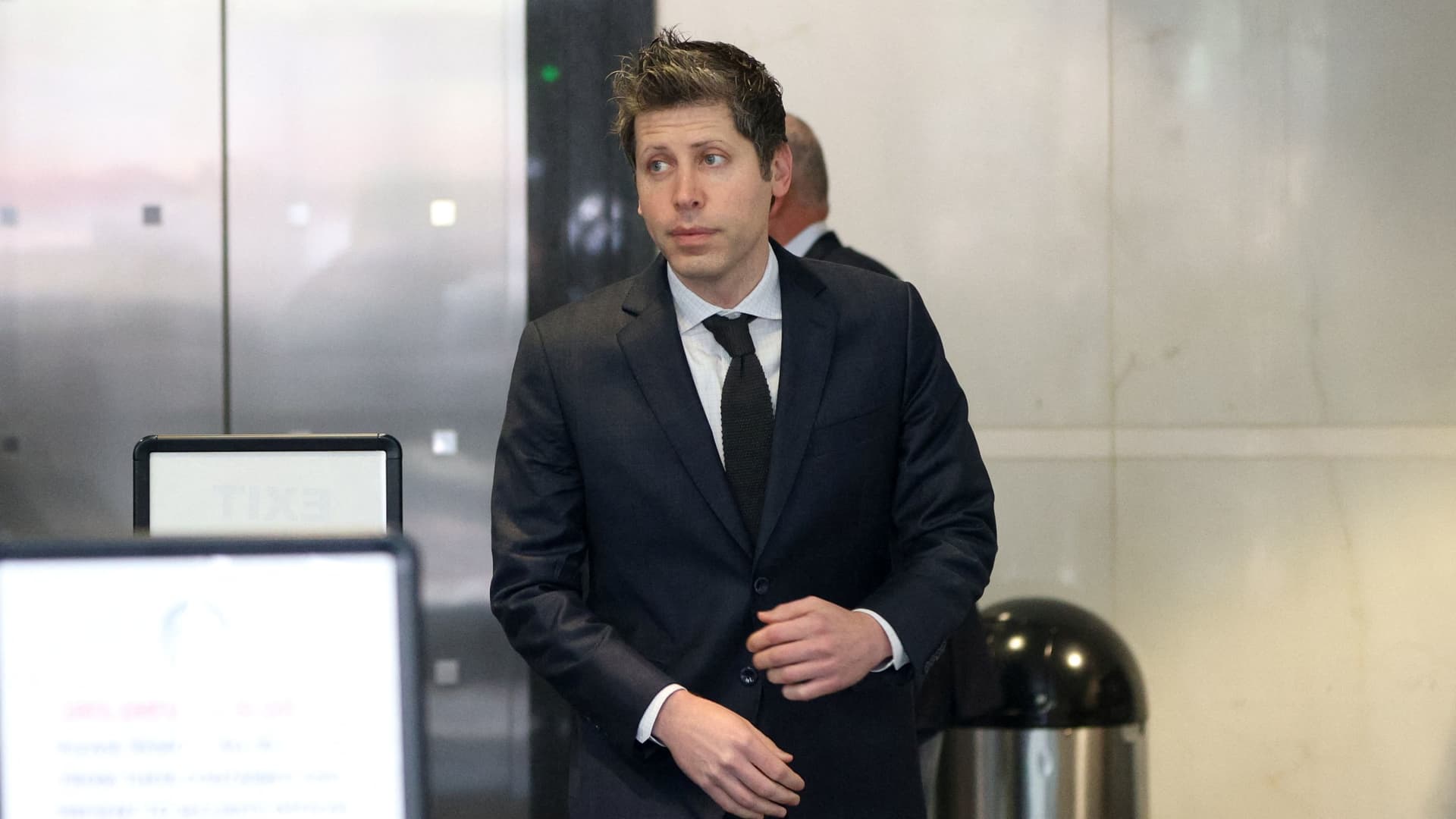
- Jury Deliberation Begins: The first phase of the Musk v. OpenAI trial concluded in federal court in Oakland, California, with the jury set to deliberate on Monday, indicating the case's complexity and potential ramifications for the involved parties.
- Lawsuit Background: Musk alleges that OpenAI, along with CEO Altman and President Brockman, breached their commitment to maintain a nonprofit status, claiming that his $38 million donation was misused for unauthorized commercial purposes, which could damage OpenAI's reputation.
- Legal Argument Focus: Musk's attorney reiterated claims that OpenAI failed to open-source its technology and prioritize AI safety, while OpenAI's lawyers countered that Musk's donations were used appropriately and that he only filed the lawsuit after launching his competing AI startup, xAI, suggesting ulterior motives.
- Potential Damages Issue: Should OpenAI be found liable, Judge Gonzalez Rogers will address the damages phase, with Musk seeking up to $134 billion in compensation, which could significantly impact OpenAI's future operations and governance structure.
See More
U.S.-China Summit Sparks Market Optimism


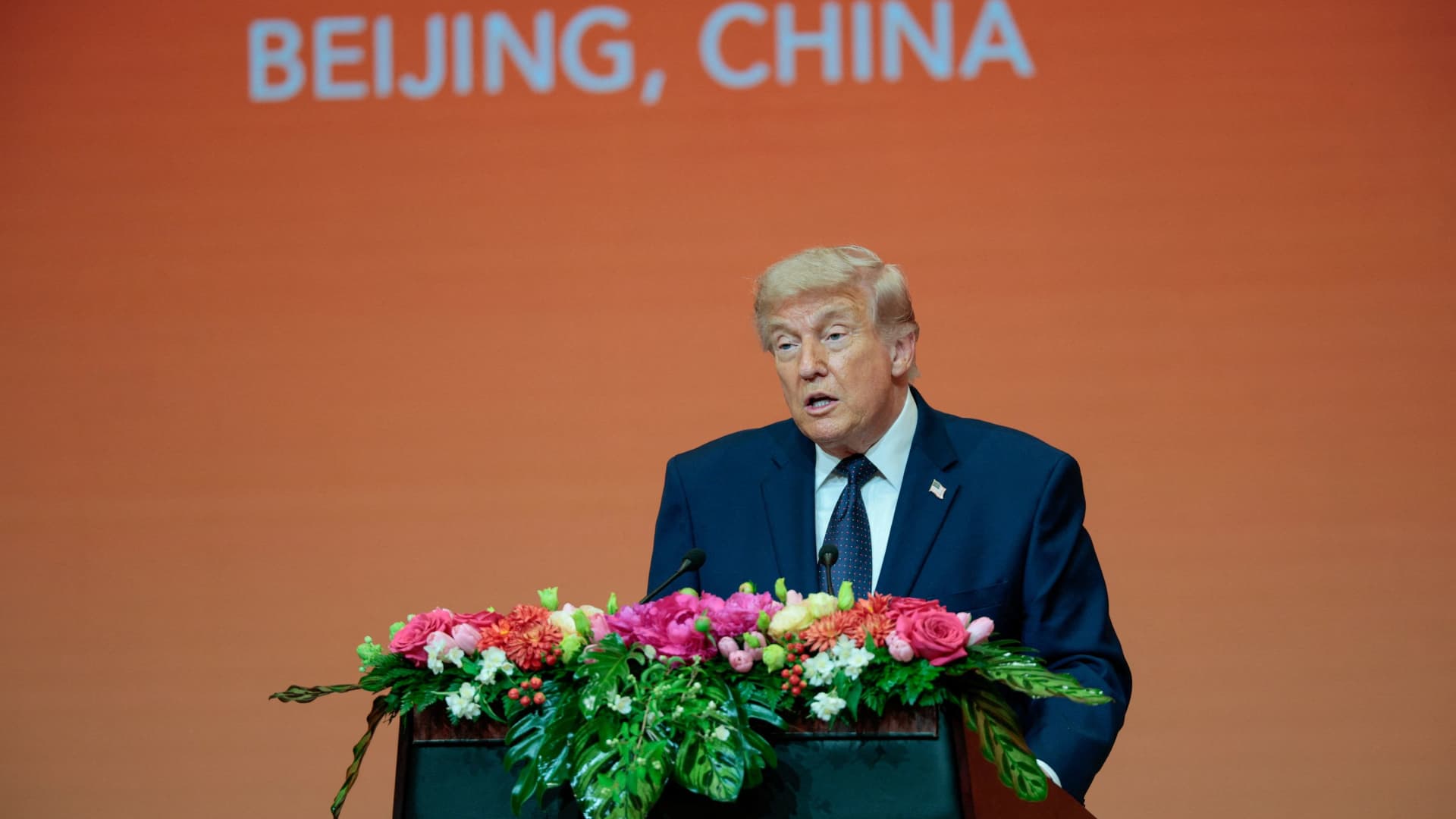
- Strong Market Performance: U.S. stocks surged on the first day of the Trump-Xi summit, with the S&P 500 closing above 7,500 for the first time and the Dow Jones Industrial Average jumping 370 points back to 50,000, reflecting investor optimism about improved bilateral relations.
- Strategic Stability Agreement: Trump and Xi agreed to foster a 'constructive China-U.S. relationship of strategic stability', laying the groundwork for future trade and tech cooperation, which could enhance economic integration between the two nations.
- Major Commercial Deal: Trump announced that China will order 200 Boeing jets, seen as a significant win for the U.S. planemaker, which is expected to positively impact Boeing's performance and potentially boost the related supply chain.
- Tech Stocks Shine: AI chipmaker Cerebras saw its shares skyrocket 68% in its Nasdaq debut, reaching a market cap of $95 billion, highlighting the strong demand for high-growth AI companies and further driving up tech stock valuations.
See More
Musk v. OpenAI Trial Phase Concludes
- Jury Deliberation Begins: The first phase of the Musk v. OpenAI trial concluded in Oakland, California, with a nine-person jury set to begin deliberations on Monday, where their advisory verdict will guide Judge Yvonne Gonzalez Rogers in making the final liability decision.
- Lawsuit Background: Musk filed the lawsuit in 2024 against OpenAI, CEO Sam Altman, and President Greg Brockman, alleging they breached commitments to maintain the nonprofit status of the AI startup, resulting in the misuse of his $38 million donation for unauthorized commercial purposes.
- Legal Debate Focus: Musk's attorney argued that OpenAI failed to adhere to nonprofit customs, while OpenAI's lawyers countered that Altman and Brockman made no commitments regarding the corporate structure, asserting that Musk's motivations were tied to his competitive interests as he launched his own AI startup.
- Potential Damages Issue: Should the jury find OpenAI and its executives liable, the judge will hear arguments regarding potential damages and next steps, with Musk seeking to remove Altman and Brockman from their positions and to reclaim any “ill-gotten gains.”
See More
Tesla Accelerates Robotaxi Operations Amid Software Developments
- Fleet Expansion: Tesla currently operates 39 unsupervised robotaxis in Austin, Dallas, and Houston, a significant increase from just 9 in early April and 26 in early May, showcasing the company's aggressive strategy in the robotaxi sector and boosting investor confidence.
- Software Update Importance: The next version of Tesla's Full Self-Driving software (FSD v15) is expected to be available by early 2027, with CEO Elon Musk emphasizing the need to address major architectural improvements before large-scale deployment, which will directly impact the future rollout of robotaxis.
- Market Expectations: While Tesla has made progress in robotaxi deployment, investors should remain cautious as the company will not pursue large-scale unsupervised robotaxi launches until the FSD software is updated, indicating that short-term market reactions may be limited.
- Urban Expansion Plans: Tesla is preparing for robotaxi deployments in new cities such as Phoenix, Miami, Orlando, Tampa, and Las Vegas, and although it currently operates only in unsupervised mode in Dallas and Houston, future city expansions will further enhance its competitive position in the market.
See More
Magnificent Seven Drives Market Recovery
- Significant Market Cap Growth: Since April 2023, the combined market cap of the Magnificent Seven has increased by $4.8 trillion, accounting for about 7% of the total S&P 500 market cap, highlighting their dominant position and robust profitability in the market.
- Earnings-Driven Growth: As of May 14, 2026, companies like Nvidia, Alphabet, and Apple saw their market caps rise by 35.2%, 39.7%, and 17.6% respectively, indicating that their stock prices are propelled by sustained revenue growth and high margins.
- Concentration Risk: As of April 30, 35% of the S&P 500 is composed of tech stocks, reflecting a heavy reliance on a few companies, which could lead to increased market volatility, especially if the AI investment narrative cools down.
- Investment Strategy Adjustment: Investors should consider alternative investment vehicles like equal-weight ETFs to reduce excessive exposure to growth stocks, thereby protecting portfolio stability during market fluctuations.
See More
Asian Shares Under Pressure Amid Inflation Fears
- Inflation Concerns Rise: Asian markets faced pressure on Friday as investor enthusiasm for tech stocks waned due to inflation fears, with the MSCI Asia-Pacific index dropping 1.2%, erasing this week's gains and reflecting heightened concerns over rising prices driven by oil surging to $107 per barrel.
- Japan's Inflation Data: Japan's wholesale inflation accelerated to 4.9% in April, the fastest pace in three years, which may compel the Bank of Japan to consider interest rate hikes, negatively impacting market confidence in the yen and contributing to a 1.2% drop in the Nikkei index.
- U.S. Treasury Yields Climb: The 30-year Treasury yield reached 5.046%, the highest since 2007, while the two-year yield rose to 4.056%, indicating increased market expectations for rate hikes and potentially higher borrowing costs, which could dampen economic growth.
- Dollar Strengthens: The dollar is set for a 1.2% weekly gain, the largest in two months, bolstered by strong retail sales data and uncertainty in the Gulf region, pushing the yen below 158 per dollar and keeping traders alert for potential intervention from Tokyo.
See More
Musk v. OpenAI Trial Enters Jury Deliberation Phase
- Jury Deliberation Begins: The first phase of the Musk v. OpenAI trial concluded in federal court in Oakland, California, with the jury set to deliberate on Monday, indicating the case's complexity and potential ramifications for the involved parties.
- Lawsuit Background: Musk alleges that OpenAI, along with CEO Altman and President Brockman, breached their commitment to maintain a nonprofit status, claiming that his $38 million donation was misused for unauthorized commercial purposes, which could damage OpenAI's reputation.
- Legal Argument Focus: Musk's attorney reiterated claims that OpenAI failed to open-source its technology and prioritize AI safety, while OpenAI's lawyers countered that Musk's donations were used appropriately and that he only filed the lawsuit after launching his competing AI startup, xAI, suggesting ulterior motives.
- Potential Damages Issue: Should OpenAI be found liable, Judge Gonzalez Rogers will address the damages phase, with Musk seeking up to $134 billion in compensation, which could significantly impact OpenAI's future operations and governance structure.
See More
U.S.-China Summit Sparks Market Optimism
- Strong Market Performance: U.S. stocks surged on the first day of the Trump-Xi summit, with the S&P 500 closing above 7,500 for the first time and the Dow Jones Industrial Average jumping 370 points back to 50,000, reflecting investor optimism about improved bilateral relations.
- Strategic Stability Agreement: Trump and Xi agreed to foster a 'constructive China-U.S. relationship of strategic stability', laying the groundwork for future trade and tech cooperation, which could enhance economic integration between the two nations.
- Major Commercial Deal: Trump announced that China will order 200 Boeing jets, seen as a significant win for the U.S. planemaker, which is expected to positively impact Boeing's performance and potentially boost the related supply chain.
- Tech Stocks Shine: AI chipmaker Cerebras saw its shares skyrocket 68% in its Nasdaq debut, reaching a market cap of $95 billion, highlighting the strong demand for high-growth AI companies and further driving up tech stock valuations.
See More
Musk v. OpenAI Trial Phase Concludes
- Jury Deliberation Begins: The first phase of the Musk v. OpenAI trial concluded in Oakland, California, with a nine-person jury set to begin deliberations on Monday, where their advisory verdict will guide Judge Yvonne Gonzalez Rogers in making the final liability decision.
- Lawsuit Background: Musk filed the lawsuit in 2024 against OpenAI, CEO Sam Altman, and President Greg Brockman, alleging they breached commitments to maintain the nonprofit status of the AI startup, resulting in the misuse of his $38 million donation for unauthorized commercial purposes.
- Legal Debate Focus: Musk's attorney argued that OpenAI failed to adhere to nonprofit customs, while OpenAI's lawyers countered that Altman and Brockman made no commitments regarding the corporate structure, asserting that Musk's motivations were tied to his competitive interests as he launched his own AI startup.
- Potential Damages Issue: Should the jury find OpenAI and its executives liable, the judge will hear arguments regarding potential damages and next steps, with Musk seeking to remove Altman and Brockman from their positions and to reclaim any “ill-gotten gains.”
See More