OpenAI's Defense Department Deal Sparks Controversy


- Defense Department Agreement: OpenAI's contract with the DOD allows the agency to use AI systems for all lawful purposes, with Altman stressing that the company will ensure these systems are not used for domestic mass surveillance or fully autonomous weapons, highlighting a commitment to safety principles.
- Legislative Call to Action: Senator Mark Kelly of Arizona stated after discussions with Altman that Congress needs to create legislation to set boundaries and guardrails for AI technology, reflecting concerns over the rapid pace of technological advancement.
- Competitor's Dilemma: In stark contrast, Anthropic has been designated a 'supply chain risk to national security' due to stalled negotiations with the DOD, illustrating the complexities and competitive pressures surrounding AI applications in defense.
- Debate on Technology and Ethics: Altman emphasized during the meeting that the use of AI technology must adhere to constitutional principles, ensuring human responsibility for the use of force, underscoring the importance of ethics and legality in military applications.
Trade with 70% Backtested Accuracy
Analyst Views on LHX

About LHX
About the author

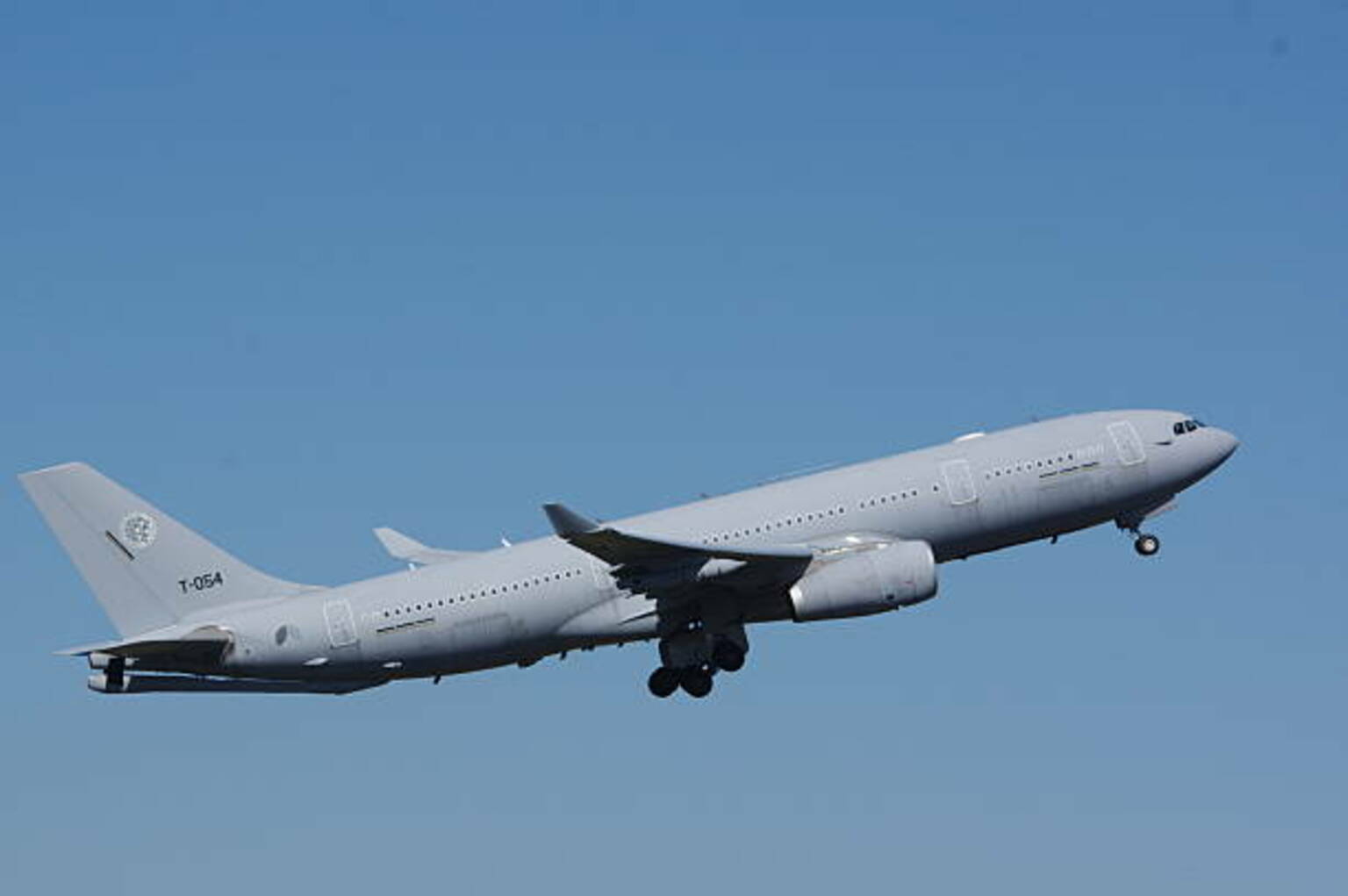
Canada Awards $1.5 Billion Contracts to L3Harris and Airbus for Defense Support

- Significant Contract Value: The Canadian government has awarded approximately $1.5 billion in long-term support contracts to L3Harris and Airbus, aimed at enhancing national defense capabilities and ensuring maintenance and technical support for the new CC-330 Husky fleet.
- L3Harris Contract Details: L3Harris secured two contracts worth around $1.1 billion to provide maintenance services, ensuring the new fleet operates efficiently during strategic missions such as refueling, transport, and medical evacuation.
- Airbus Support Agreement: Airbus will receive $374 million for engineering and airworthiness support, ensuring that the nine newly ordered Husky aircraft can effectively replace the aging CC-150 Polaris planes, with the first delivery scheduled for 2027.
- Job Creation Impact: The support program is expected to sustain or create about 720 jobs across Ontario, Quebec, and Alberta, reflecting the Canadian government's strategic decision to address emerging threats and protect national interests.
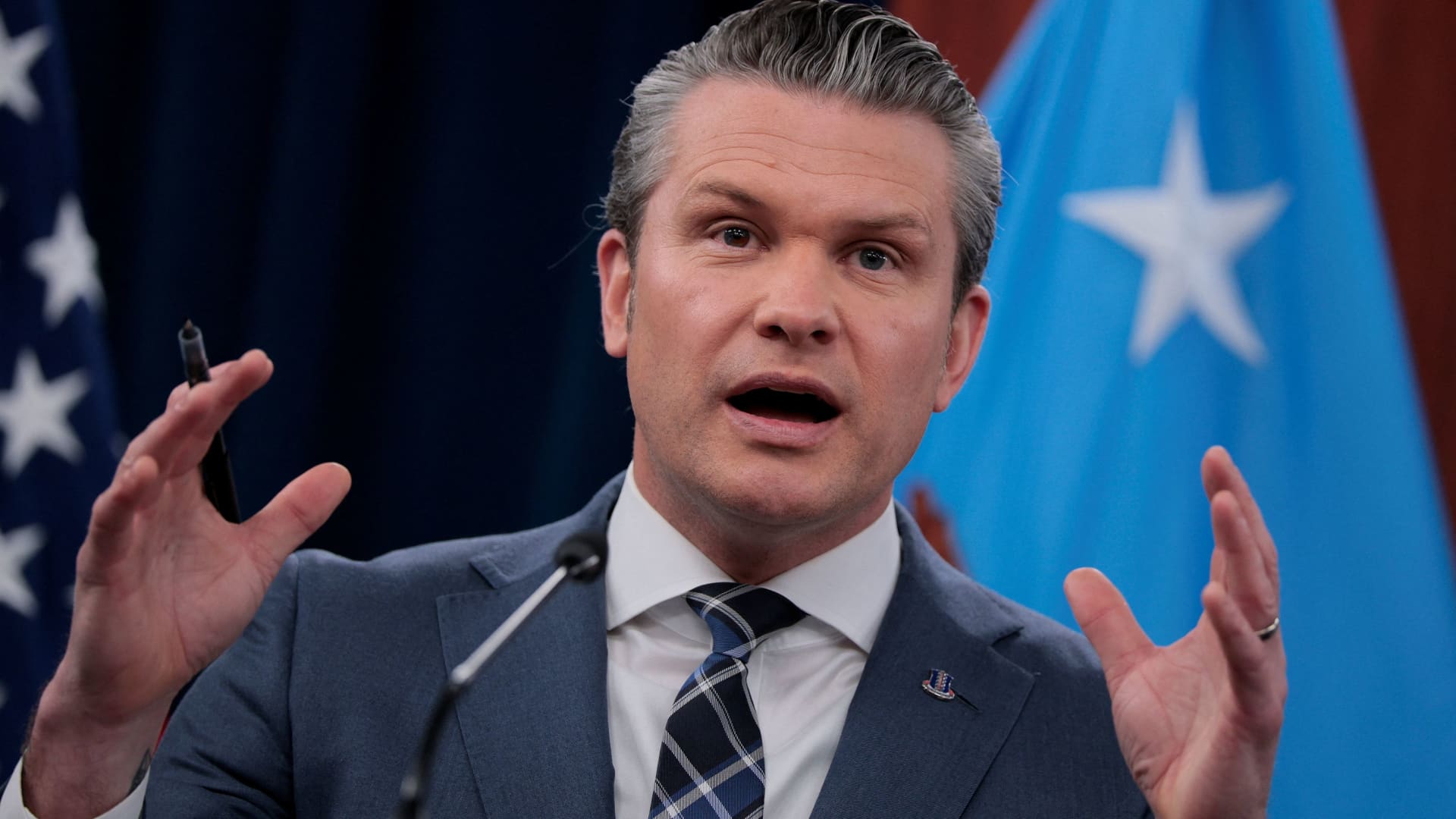
Pentagon Denies Defense Secretary's Investment Rumors


- Investment Rumors Surface: According to the Financial Times, U.S. Defense Secretary Pete Hegseth's broker sought to make a large investment in major defense companies ahead of the Iran war, although the Pentagon denied the report, labeling it as 'entirely false.'
- ETF Investment Plan: Hegseth's broker contacted BlackRock to discuss a multimillion-dollar investment in its iShares Defense Industrials Active ETF, which has approximately $3.1 billion in assets and includes stocks from major defense firms like Lockheed Martin.
- Poor Market Performance: The Defense ETF has lost 12.4% in the past month since the onset of the Iran war, reflecting cautious sentiment in the defense investment landscape, despite Hegseth's investment plans not materializing.
- Conflict Escalation: With U.S. Marines arriving in the region, the Pentagon is preparing for weeks of ground operations in Iran, indicating a potential escalation of the conflict that could further impact defense industry investment sentiment.

PUBLIC SERVICES AND PROCUREMENT CANADA: DIA AWARDED TWO CONTRACTS TO L3HARRIS AND A THIRD CONTRACT TO AIRBUS FOR SUPPORT OF THE CC-330 HUSKY FLEET

Contracts Awarded: Public Services and Procurement Canada has awarded two contracts to L3 Harris for unspecified services.
Airbus Contract: A third contract has been awarded to Airbus for support related to the CC-330 Husky fleet.
Airbus and L3Harris Secure $1.1 Billion Contracts for Canadian Fleet Support - Bloomberg News
Airbus and L3 Harris Partnership: Airbus has entered into a significant partnership with L3 Harris to support Canada's fleet operations.
Financial Deal: The collaboration is valued at $1.1 billion, indicating a substantial investment in enhancing fleet capabilities for Canada.
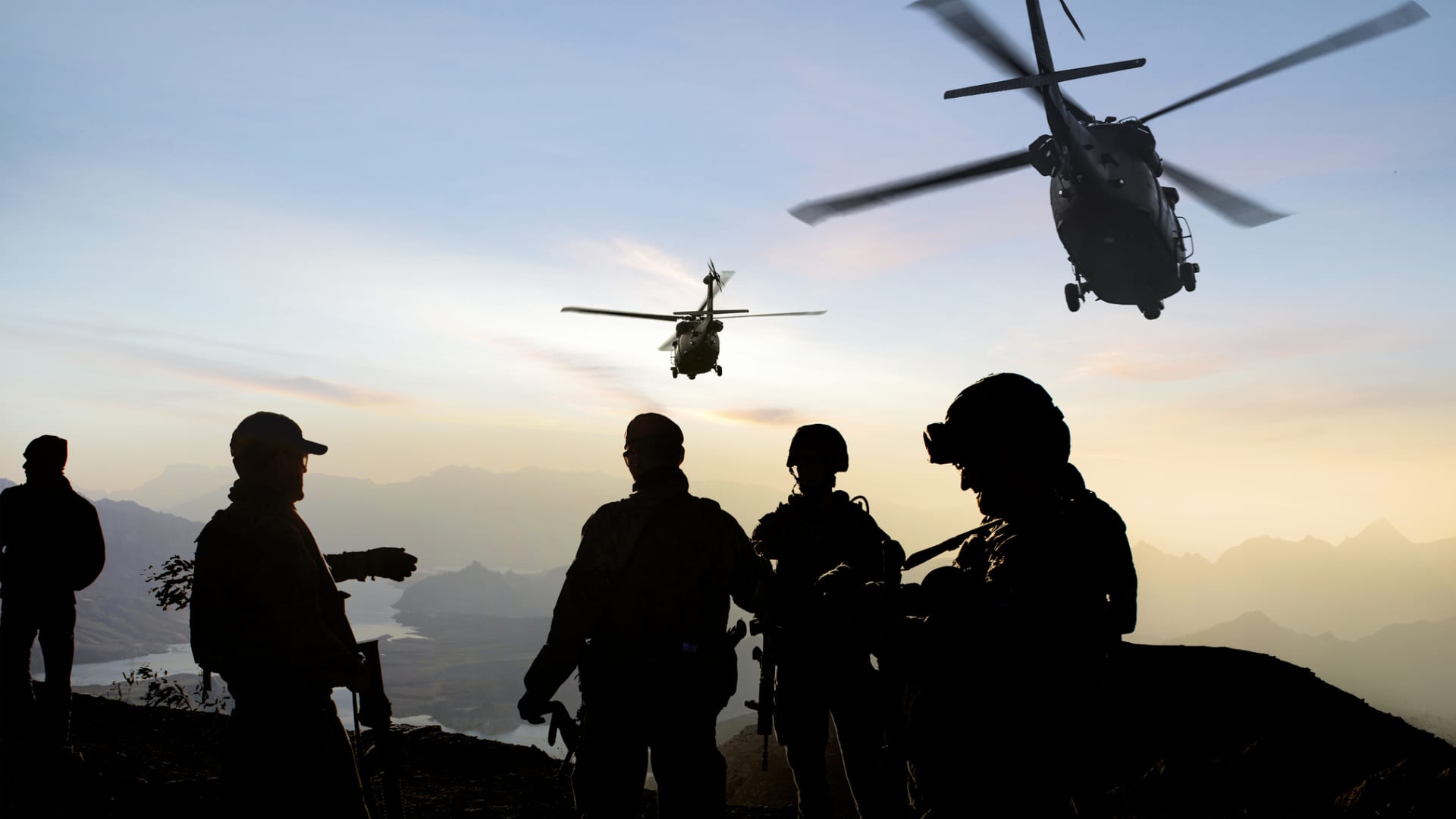
Iran War Drives Transformation in Defense Technology

- Cost-Effectiveness Demand: Defense Secretary's warning against using $2 million missiles to shoot down $20,000 drones highlights the urgent need for defense tech companies to accelerate the development of low-cost drones to meet modern warfare demands.
- Market Opportunities: The U.S. Department of Defense consumed $5.6 billion in munitions within two days of the Iran war outbreak, indicating a pressing need for new drone and counter-drone technologies, which is rapidly boosting valuations and market shares of related startups.
- Accelerated Technological Innovation: The U.S. has introduced the Low-cost Uncrewed Combat Attack System (LUCAS), priced at approximately $35,000, which is becoming a key technology in countering Iranian drone threats and is expected to attract more defense budget allocations.
- Intensified Industry Competition: Although spending in the defense tech sector accounted for less than 1% of contract dollars in 2025, startups like Anduril and Palantir have secured multi-billion dollar contracts, reflecting strong market demand for high-tech solutions.
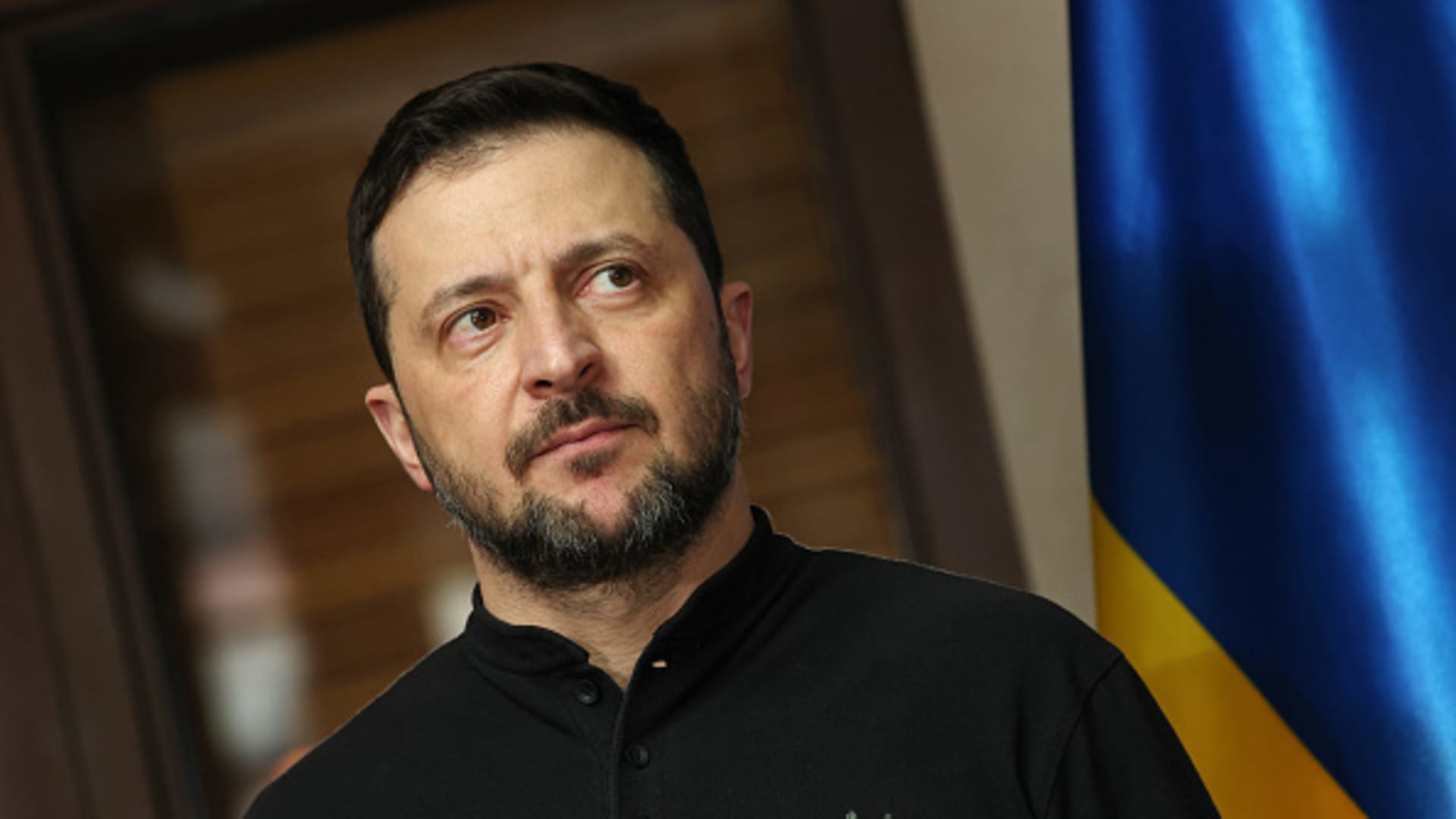
Zelensky's Surprise Visit to Saudi Arabia for Support
- Military Cooperation Talks: Ukrainian President Zelensky met with Saudi Crown Prince Mohammed bin Salman to discuss escalating military tensions in the Middle East and the war in Ukraine, aiming to enhance cooperation with Gulf nations by offering air defense and drone technology.
- Expert Deployment: Over 200 Ukrainian experts have been dispatched to the Middle East to assist countries in intercepting Iranian attacks that have damaged energy infrastructure, highlighting Ukraine's proactive role in international security cooperation.
- U.S. Resource Reallocation: As the U.S. considers redirecting military resources originally intended for Ukraine to the Middle East, Zelensky's visit aims to secure Gulf nations' support for Ukraine in its ongoing battle against Russian aggression.
- European Aid Uncertainty: The critical €90 billion ($104 billion) EU loan package for Ukraine is now in jeopardy due to Hungary's veto, further intensifying Ukraine's military and economic pressures.
Canada Awards $1.5 Billion Contracts to L3Harris and Airbus for Defense Support
- Significant Contract Value: The Canadian government has awarded approximately $1.5 billion in long-term support contracts to L3Harris and Airbus, aimed at enhancing national defense capabilities and ensuring maintenance and technical support for the new CC-330 Husky fleet.
- L3Harris Contract Details: L3Harris secured two contracts worth around $1.1 billion to provide maintenance services, ensuring the new fleet operates efficiently during strategic missions such as refueling, transport, and medical evacuation.
- Airbus Support Agreement: Airbus will receive $374 million for engineering and airworthiness support, ensuring that the nine newly ordered Husky aircraft can effectively replace the aging CC-150 Polaris planes, with the first delivery scheduled for 2027.
- Job Creation Impact: The support program is expected to sustain or create about 720 jobs across Ontario, Quebec, and Alberta, reflecting the Canadian government's strategic decision to address emerging threats and protect national interests.
Pentagon Denies Defense Secretary's Investment Rumors
- Investment Rumors Surface: According to the Financial Times, U.S. Defense Secretary Pete Hegseth's broker sought to make a large investment in major defense companies ahead of the Iran war, although the Pentagon denied the report, labeling it as 'entirely false.'
- ETF Investment Plan: Hegseth's broker contacted BlackRock to discuss a multimillion-dollar investment in its iShares Defense Industrials Active ETF, which has approximately $3.1 billion in assets and includes stocks from major defense firms like Lockheed Martin.
- Poor Market Performance: The Defense ETF has lost 12.4% in the past month since the onset of the Iran war, reflecting cautious sentiment in the defense investment landscape, despite Hegseth's investment plans not materializing.
- Conflict Escalation: With U.S. Marines arriving in the region, the Pentagon is preparing for weeks of ground operations in Iran, indicating a potential escalation of the conflict that could further impact defense industry investment sentiment.
PUBLIC SERVICES AND PROCUREMENT CANADA: DIA AWARDED TWO CONTRACTS TO L3HARRIS AND A THIRD CONTRACT TO AIRBUS FOR SUPPORT OF THE CC-330 HUSKY FLEET
Contracts Awarded: Public Services and Procurement Canada has awarded two contracts to L3 Harris for unspecified services.
Airbus Contract: A third contract has been awarded to Airbus for support related to the CC-330 Husky fleet.
Airbus and L3Harris Secure $1.1 Billion Contracts for Canadian Fleet Support - Bloomberg News
Airbus and L3 Harris Partnership: Airbus has entered into a significant partnership with L3 Harris to support Canada's fleet operations.
Financial Deal: The collaboration is valued at $1.1 billion, indicating a substantial investment in enhancing fleet capabilities for Canada.
Iran War Drives Transformation in Defense Technology
- Cost-Effectiveness Demand: Defense Secretary's warning against using $2 million missiles to shoot down $20,000 drones highlights the urgent need for defense tech companies to accelerate the development of low-cost drones to meet modern warfare demands.
- Market Opportunities: The U.S. Department of Defense consumed $5.6 billion in munitions within two days of the Iran war outbreak, indicating a pressing need for new drone and counter-drone technologies, which is rapidly boosting valuations and market shares of related startups.
- Accelerated Technological Innovation: The U.S. has introduced the Low-cost Uncrewed Combat Attack System (LUCAS), priced at approximately $35,000, which is becoming a key technology in countering Iranian drone threats and is expected to attract more defense budget allocations.
- Intensified Industry Competition: Although spending in the defense tech sector accounted for less than 1% of contract dollars in 2025, startups like Anduril and Palantir have secured multi-billion dollar contracts, reflecting strong market demand for high-tech solutions.
Zelensky's Surprise Visit to Saudi Arabia for Support
- Military Cooperation Talks: Ukrainian President Zelensky met with Saudi Crown Prince Mohammed bin Salman to discuss escalating military tensions in the Middle East and the war in Ukraine, aiming to enhance cooperation with Gulf nations by offering air defense and drone technology.
- Expert Deployment: Over 200 Ukrainian experts have been dispatched to the Middle East to assist countries in intercepting Iranian attacks that have damaged energy infrastructure, highlighting Ukraine's proactive role in international security cooperation.
- U.S. Resource Reallocation: As the U.S. considers redirecting military resources originally intended for Ukraine to the Middle East, Zelensky's visit aims to secure Gulf nations' support for Ukraine in its ongoing battle against Russian aggression.
- European Aid Uncertainty: The critical €90 billion ($104 billion) EU loan package for Ukraine is now in jeopardy due to Hungary's veto, further intensifying Ukraine's military and economic pressures.