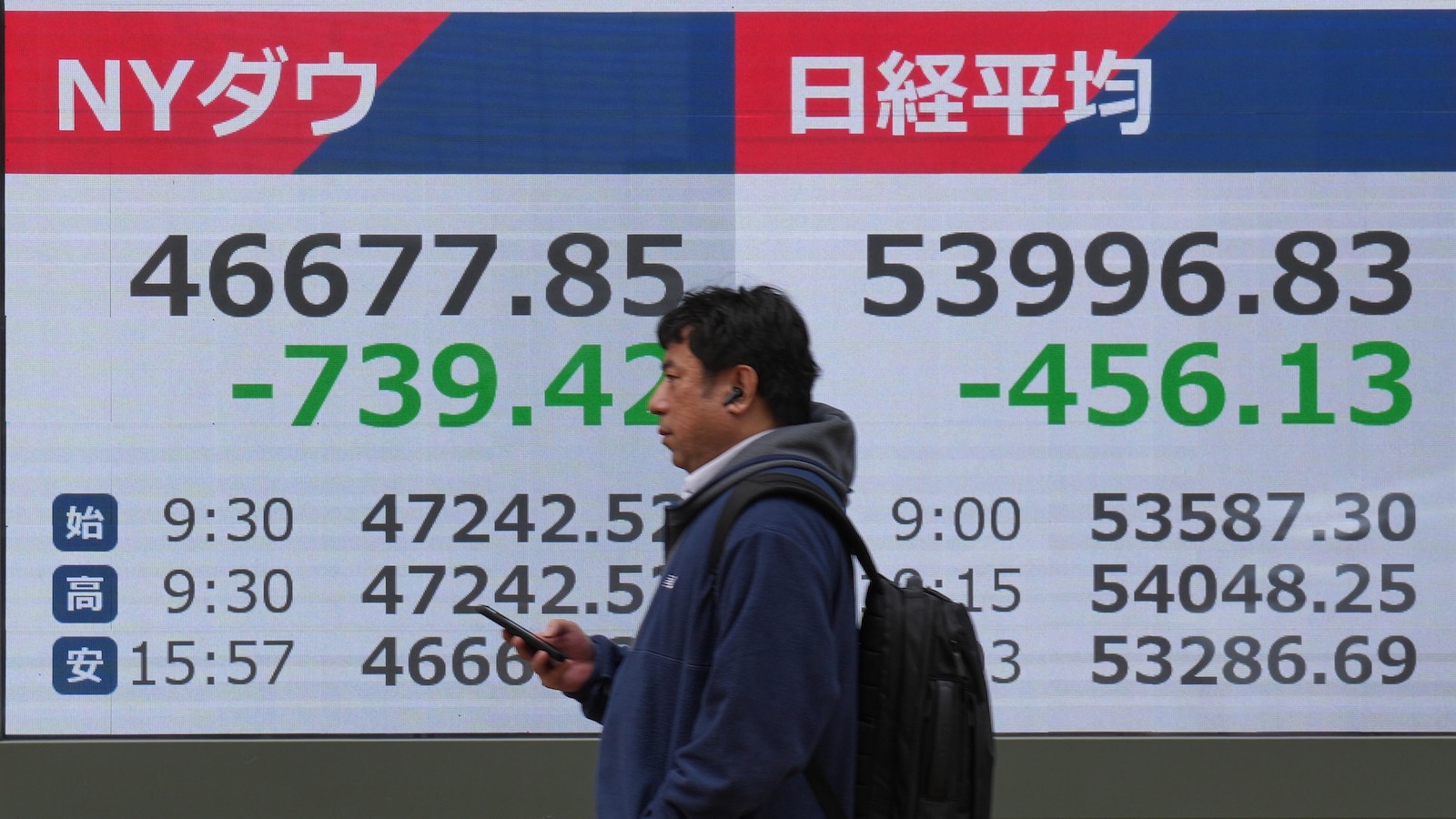
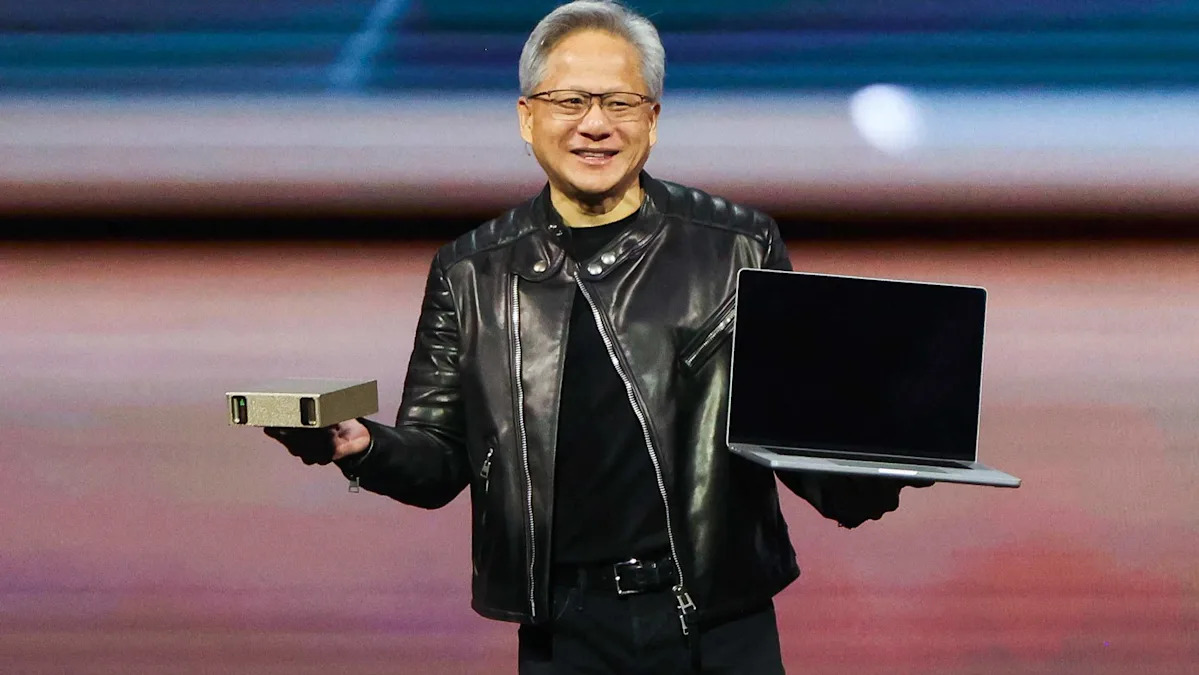
Oil Prices Surge Over 2% Amid Middle East Tensions
Written by Emily J. Thompson, Senior Investment Analyst
Updated: 1 hour ago
0mins

Should l Buy NVDA?
Source: CNBC
- Oil Price Surge: Oil prices jumped over 2% on Tuesday due to uncertainty surrounding a U.S.-led coalition to protect shipping through the Strait of Hormuz, reflecting the market's heightened sensitivity to Middle Eastern tensions that could lead to further price increases.
- Middle East Tensions: The UAE reopened its airspace after a brief shutdown, indicating that security conditions in the region remain precarious, with ongoing missile and drone attacks from Iran disrupting shipping and oil production.
- Interest Rate Hike: The Reserve Bank of Australia raised its benchmark policy rate for the second consecutive time due to inflation risks posed by the war in Iran, a move that could dampen economic growth and affect investor confidence.
- Market Reactions: Asia-Pacific equities rose on Tuesday, driven by gains in auto and tech stocks, particularly after Nvidia announced a robust revenue forecast, showcasing market optimism in the tech sector despite a lack of direction in European and U.S. futures trading.
Trade with 70% Backtested Accuracy
Stop guessing "Should I Buy NVDA?" and start using high-conviction signals backed by rigorous historical data.
Sign up today to access powerful investing tools and make smarter, data-driven decisions.
Analyst Views on NVDA
Wall Street analysts forecast NVDA stock price to rise
41 Analyst Rating
39 Buy
1 Hold
1 Sell
Strong Buy
Current: 180.250

Low
200.00
Averages
264.97
High
352.00
Current: 180.250
Low
200.00
Averages
264.97
High
352.00
About NVDA
NVIDIA Corporation is a full-stack computing infrastructure company. The Company is engaged in accelerated computing to help solve the challenging computational problems. The Company’s segments include Compute & Networking and Graphics. The Compute & Networking segment includes its Data Center accelerated computing platforms and artificial intelligence (AI) solutions and software; networking; automotive platforms and autonomous and electric vehicle solutions; Jetson for robotics and other embedded platforms, and DGX Cloud computing services. The Graphics segment includes GeForce GPUs for gaming and PCs, the GeForce NOW game streaming service and related infrastructure, and solutions for gaming platforms; Quadro/NVIDIA RTX GPUs for enterprise workstation graphics; virtual GPU software for cloud-based visual and virtual computing; automotive platforms for infotainment systems, and Omniverse Enterprise software for building and operating industrial AI and digital twin applications.
About the author

Emily J. Thompson
Emily J. Thompson, a Chartered Financial Analyst (CFA) with 12 years in investment research, graduated with honors from the Wharton School. Specializing in industrial and technology stocks, she provides in-depth analysis for Intellectia’s earnings and market brief reports.
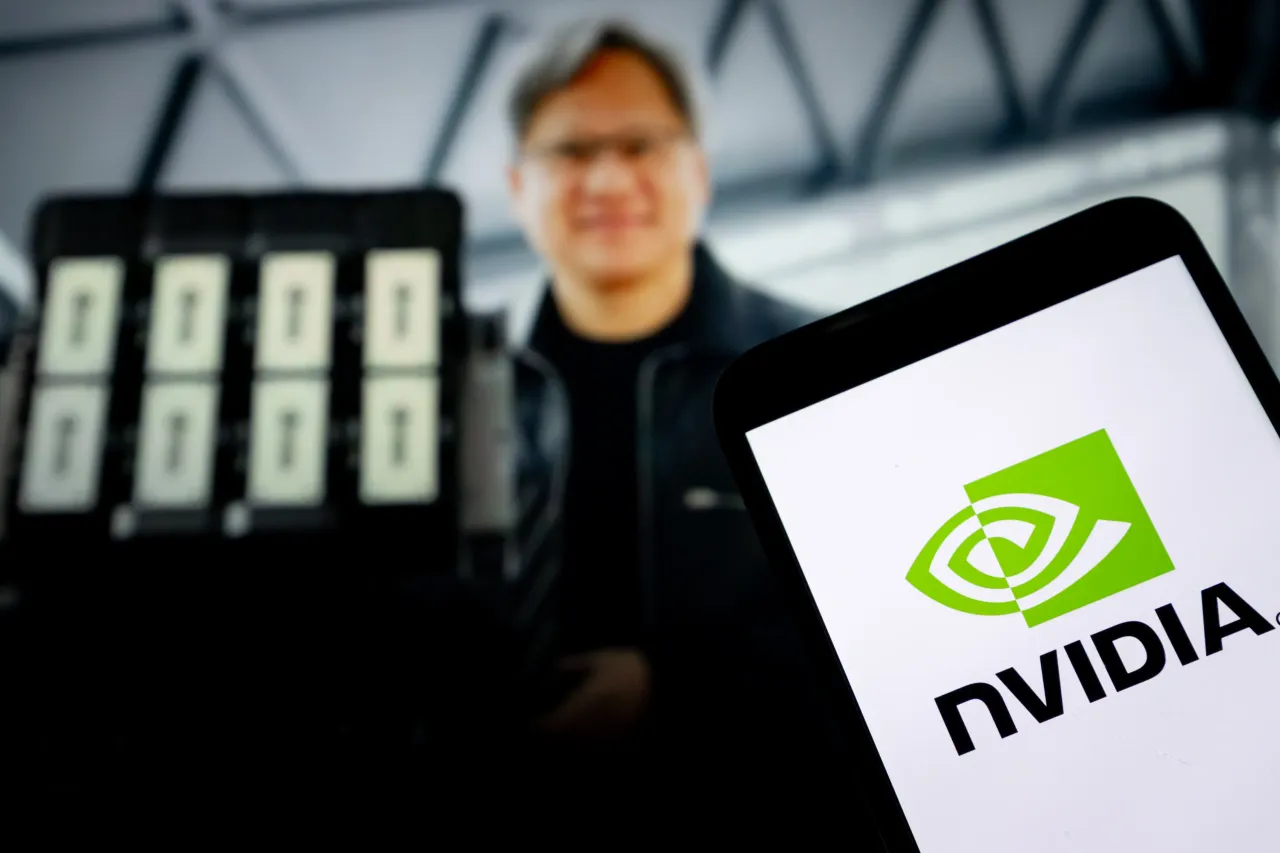
Nvidia Projects Over $1 Trillion Revenue by 2027

- Revenue Surge Expected: Nvidia anticipates generating at least $1 trillion in revenue by 2027, driven by accelerating demand for artificial intelligence computing infrastructure, indicating strong market confidence and growth in AI technology.
- CEO Keynote Highlights: Founder and CEO Jensen Huang emphasized at GTC 2026 that the shift of AI systems from training to large-scale inference has led to a significant increase in computing requirements, marking a pivotal moment for the industry.
- Demand Comparison Analysis: Huang noted that last year at this time, the company projected a demand of $500 billion, which has now doubled, showcasing robust purchase orders and confidence in the Blackwell and Ruben products.
- Stock Price Reaction: At the time of the announcement, Nvidia's shares rose approximately 1%, reflecting the market's positive outlook on the company's future growth potential and further solidifying its leadership position in the AI sector.
See More
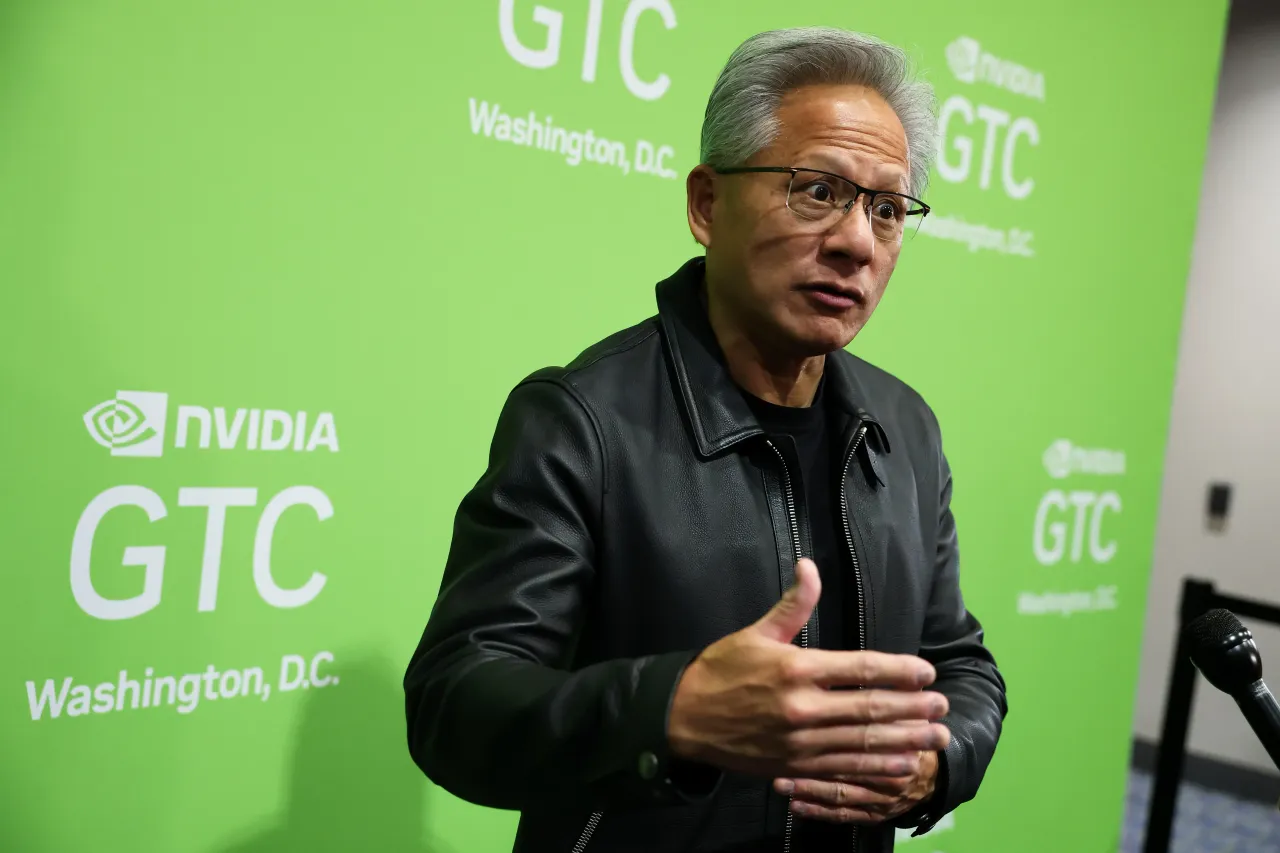
Nvidia GTC Conference Preview: Strong AI Demand Ahead
- Strong AI Demand: Gene Munster from Deepwater indicates that Nvidia will emphasize at the GTC conference that demand for AI infrastructure exceeds investor expectations, even as concerns about growth slowing in 2027 intensify, with Huang likely reiterating that AI's utility has reached an 'inflection point.'
- Economic Benefits of Rubin Architecture: Munster expects Nvidia to elaborate on how the Rubin architecture will enhance inference economics, with investors focusing on key metrics such as cost per token, throughput, and performance per watt, which could shape industry perceptions of inference infrastructure.
- Full-Stack AI Infrastructure Strategy: Analyst Patrick Moorhead notes that Nvidia is transitioning from a semiconductor company to a comprehensive AI infrastructure platform, with hyperscaler AI spending expected to exceed $600 billion this year, providing Nvidia with unusually strong demand visibility and enhancing its market position.
- Market Sentiment Shift: Despite NVDA stock rising 56% over the past year, sentiment among Stocktwits users has shifted from 'neutral' to 'bearish,' reflecting investor unease about future growth, particularly ahead of the GTC conference where signals on AI demand are closely watched.
See More

Fractal Launches LLM Studio for Enterprise AI Customization
- Platform Launch: Fractal has introduced LLM Studio, designed to assist organizations in designing, building, and managing domain-specific language models using NVIDIA AI infrastructure, addressing the demand for customized AI solutions in enterprises.
- Module Features: LLM Studio comprises two modules, AutoLLM for creating smaller specialized models, and LLMOps for managing the model lifecycle, ensuring reliability and governance in production environments.
- Cost Efficiency: By leveraging open-source models, LLM Studio enables businesses to run customized models at a lower cost, significantly reducing reliance on larger foundational models while enhancing response quality and reasoning capabilities.
- Market Demand: As enterprises increasingly seek generative AI solutions, LLM Studio provides predictable costs and reliable performance, marking a shift towards mature applications of generative AI in the business landscape.
See More
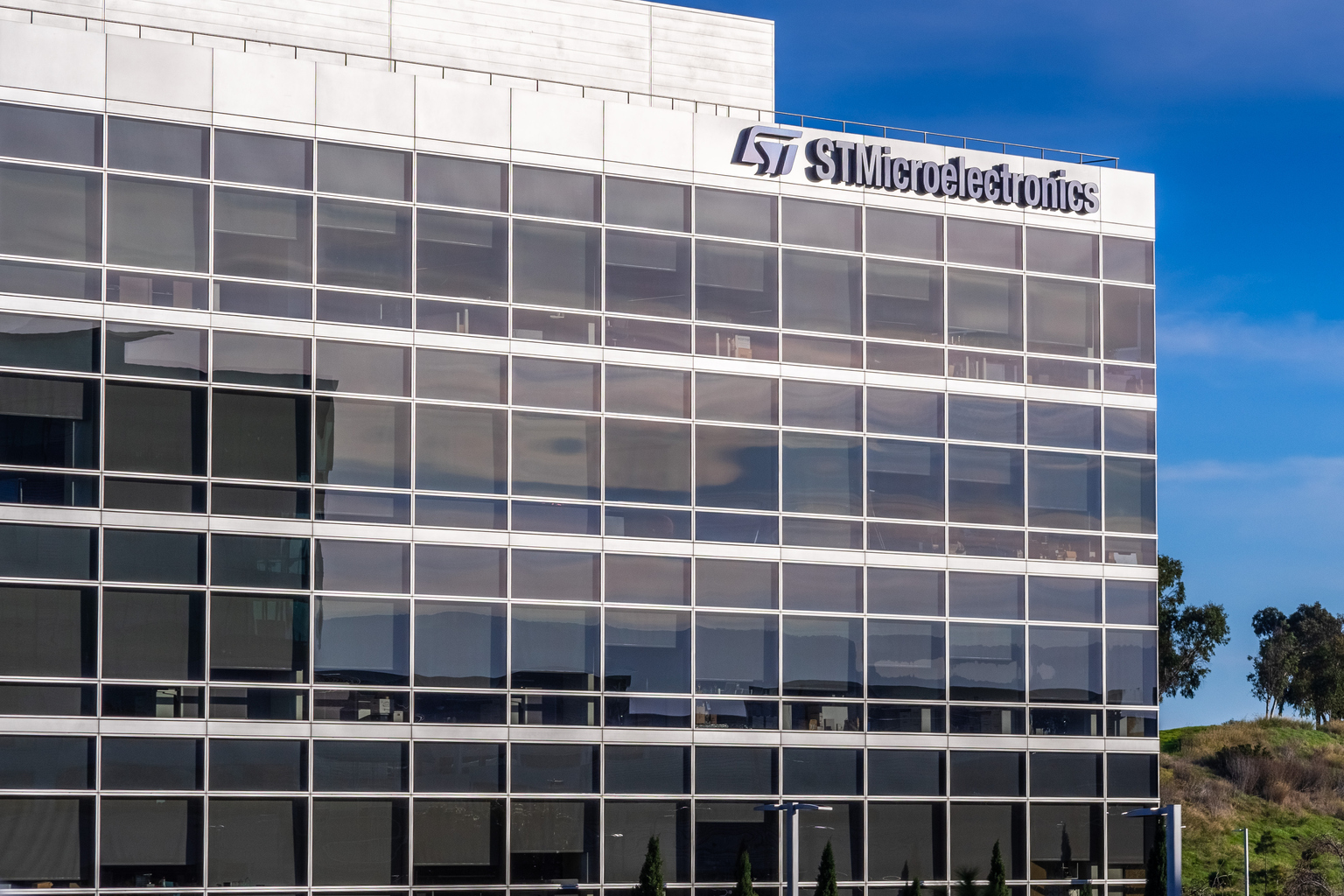
STMicroelectronics Expands Collaboration with Nvidia for Physical AI Systems

- Collaboration Goals: STMicroelectronics and Nvidia aim to accelerate the global development of 'physical AI' systems, targeting applications from humanoid robots to industrial automation, thus driving the next wave of cutting-edge robotics innovation.
- Technology Integration: The collaboration integrates STM's sensors, STM32 microcontrollers, and motor control solutions into Nvidia's robotics ecosystem, including the Holoscan Sensor Bridge and Isaac Sim platforms, enhancing developer and customer experiences.
- Efficiency Improvement: The 'sim-to-real' approach will make STM's components compatible with Nvidia's systems, reducing development time and costs while improving the reliability of robotics systems, facilitating the evolution of sophisticated AI-driven physical platforms.
- Market Outlook: This partnership not only advances robotics technology but also provides STMicroelectronics and Nvidia with a competitive edge in the rapidly growing AI market, addressing the increasing market demand.
See More

Hesai Technology Joins Nvidia AI Systems Inspection Lab
- Joining AI Lab: Hesai Technology (HSAI) announced its membership in the Nvidia Halos AI Systems Inspection Lab, the first ANSI National Accreditation Board-accredited lab for AI-driven physical systems, marking a significant step in its development in AI compliance and functional safety.
- Lidar Platform Validation: As a member, Hesai will evaluate and validate its lidar platforms within this unified framework, ensuring performance in functional safety, cybersecurity, and AI compliance, thereby enhancing its product competitiveness in the market.
- Nvidia Halos System: Nvidia Halos is a comprehensive full-stack safety system designed to unify safety elements across vehicle and robotics architectures and their underlying AI models, safeguarding AI-based autonomous driving and robotics systems through a combination of hardware and software components.
- Collaborative Ecosystem: Digital accessibility platform AEye (LIDR) also joined the Nvidia lab, and both companies will collaborate to validate interoperability, safety processes, and system-level integration, further advancing the safety ecosystem of the Nvidia Drive platform.
See More

Oil Prices Surge Over 2% Amid Middle East Tensions
- Oil Price Surge: Oil prices jumped over 2% on Tuesday due to uncertainty surrounding a U.S.-led coalition to protect shipping through the Strait of Hormuz, reflecting the market's heightened sensitivity to Middle Eastern tensions that could lead to further price increases.
- Middle East Tensions: The UAE reopened its airspace after a brief shutdown, indicating that security conditions in the region remain precarious, with ongoing missile and drone attacks from Iran disrupting shipping and oil production.
- Interest Rate Hike: The Reserve Bank of Australia raised its benchmark policy rate for the second consecutive time due to inflation risks posed by the war in Iran, a move that could dampen economic growth and affect investor confidence.
- Market Reactions: Asia-Pacific equities rose on Tuesday, driven by gains in auto and tech stocks, particularly after Nvidia announced a robust revenue forecast, showcasing market optimism in the tech sector despite a lack of direction in European and U.S. futures trading.
See More
Nvidia Projects Over $1 Trillion Revenue by 2027
- Revenue Surge Expected: Nvidia anticipates generating at least $1 trillion in revenue by 2027, driven by accelerating demand for artificial intelligence computing infrastructure, indicating strong market confidence and growth in AI technology.
- CEO Keynote Highlights: Founder and CEO Jensen Huang emphasized at GTC 2026 that the shift of AI systems from training to large-scale inference has led to a significant increase in computing requirements, marking a pivotal moment for the industry.
- Demand Comparison Analysis: Huang noted that last year at this time, the company projected a demand of $500 billion, which has now doubled, showcasing robust purchase orders and confidence in the Blackwell and Ruben products.
- Stock Price Reaction: At the time of the announcement, Nvidia's shares rose approximately 1%, reflecting the market's positive outlook on the company's future growth potential and further solidifying its leadership position in the AI sector.
See More
Nvidia GTC Conference Preview: Strong AI Demand Ahead
- Strong AI Demand: Gene Munster from Deepwater indicates that Nvidia will emphasize at the GTC conference that demand for AI infrastructure exceeds investor expectations, even as concerns about growth slowing in 2027 intensify, with Huang likely reiterating that AI's utility has reached an 'inflection point.'
- Economic Benefits of Rubin Architecture: Munster expects Nvidia to elaborate on how the Rubin architecture will enhance inference economics, with investors focusing on key metrics such as cost per token, throughput, and performance per watt, which could shape industry perceptions of inference infrastructure.
- Full-Stack AI Infrastructure Strategy: Analyst Patrick Moorhead notes that Nvidia is transitioning from a semiconductor company to a comprehensive AI infrastructure platform, with hyperscaler AI spending expected to exceed $600 billion this year, providing Nvidia with unusually strong demand visibility and enhancing its market position.
- Market Sentiment Shift: Despite NVDA stock rising 56% over the past year, sentiment among Stocktwits users has shifted from 'neutral' to 'bearish,' reflecting investor unease about future growth, particularly ahead of the GTC conference where signals on AI demand are closely watched.
See More
Fractal Launches LLM Studio for Enterprise AI Customization
- Platform Launch: Fractal has introduced LLM Studio, designed to assist organizations in designing, building, and managing domain-specific language models using NVIDIA AI infrastructure, addressing the demand for customized AI solutions in enterprises.
- Module Features: LLM Studio comprises two modules, AutoLLM for creating smaller specialized models, and LLMOps for managing the model lifecycle, ensuring reliability and governance in production environments.
- Cost Efficiency: By leveraging open-source models, LLM Studio enables businesses to run customized models at a lower cost, significantly reducing reliance on larger foundational models while enhancing response quality and reasoning capabilities.
- Market Demand: As enterprises increasingly seek generative AI solutions, LLM Studio provides predictable costs and reliable performance, marking a shift towards mature applications of generative AI in the business landscape.
See More
STMicroelectronics Expands Collaboration with Nvidia for Physical AI Systems
- Collaboration Goals: STMicroelectronics and Nvidia aim to accelerate the global development of 'physical AI' systems, targeting applications from humanoid robots to industrial automation, thus driving the next wave of cutting-edge robotics innovation.
- Technology Integration: The collaboration integrates STM's sensors, STM32 microcontrollers, and motor control solutions into Nvidia's robotics ecosystem, including the Holoscan Sensor Bridge and Isaac Sim platforms, enhancing developer and customer experiences.
- Efficiency Improvement: The 'sim-to-real' approach will make STM's components compatible with Nvidia's systems, reducing development time and costs while improving the reliability of robotics systems, facilitating the evolution of sophisticated AI-driven physical platforms.
- Market Outlook: This partnership not only advances robotics technology but also provides STMicroelectronics and Nvidia with a competitive edge in the rapidly growing AI market, addressing the increasing market demand.
See More
Hesai Technology Joins Nvidia AI Systems Inspection Lab
- Joining AI Lab: Hesai Technology (HSAI) announced its membership in the Nvidia Halos AI Systems Inspection Lab, the first ANSI National Accreditation Board-accredited lab for AI-driven physical systems, marking a significant step in its development in AI compliance and functional safety.
- Lidar Platform Validation: As a member, Hesai will evaluate and validate its lidar platforms within this unified framework, ensuring performance in functional safety, cybersecurity, and AI compliance, thereby enhancing its product competitiveness in the market.
- Nvidia Halos System: Nvidia Halos is a comprehensive full-stack safety system designed to unify safety elements across vehicle and robotics architectures and their underlying AI models, safeguarding AI-based autonomous driving and robotics systems through a combination of hardware and software components.
- Collaborative Ecosystem: Digital accessibility platform AEye (LIDR) also joined the Nvidia lab, and both companies will collaborate to validate interoperability, safety processes, and system-level integration, further advancing the safety ecosystem of the Nvidia Drive platform.
See More
Oil Prices Surge Over 2% Amid Middle East Tensions
- Oil Price Surge: Oil prices jumped over 2% on Tuesday due to uncertainty surrounding a U.S.-led coalition to protect shipping through the Strait of Hormuz, reflecting the market's heightened sensitivity to Middle Eastern tensions that could lead to further price increases.
- Middle East Tensions: The UAE reopened its airspace after a brief shutdown, indicating that security conditions in the region remain precarious, with ongoing missile and drone attacks from Iran disrupting shipping and oil production.
- Interest Rate Hike: The Reserve Bank of Australia raised its benchmark policy rate for the second consecutive time due to inflation risks posed by the war in Iran, a move that could dampen economic growth and affect investor confidence.
- Market Reactions: Asia-Pacific equities rose on Tuesday, driven by gains in auto and tech stocks, particularly after Nvidia announced a robust revenue forecast, showcasing market optimism in the tech sector despite a lack of direction in European and U.S. futures trading.
See More