Nvidia Unveils Vera Rubin Chip Platform Promising Major Cost Reductions
Written by Emily J. Thompson, Senior Investment Analyst
Updated: 1 hour ago
0mins
Source: Fool
- Significant Cost Reductions: Nvidia's Vera Rubin platform promises to reduce AI inference costs by 90% and cut the number of GPUs needed for training AI models by 75%, which is likely to significantly enhance customer purchasing interest and drive future sales growth for the company.
- Surge in Order Volume: Nvidia anticipates that combined orders for its Blackwell and Vera Rubin chips will reach $1 trillion by 2027, a substantial increase from the previous forecast of $500 billion, providing strong support for the company's stock price.
- Growth Potential for Micron Technology: The Rubin chips will increase DRAM capacity by 2.5 times and HBM bandwidth by 2.8 times, with Micron already producing HBM and enterprise SSDs for Rubin systems, which is expected to drive a 260% revenue increase this quarter and boost earnings per share from $1.91 to $19.15.
- Expansion Opportunities for TSMC: TSMC is projected to spend $52 billion to $56 billion on capital expenditures in 2026, primarily for advanced process node expansion, with Nvidia as its largest customer, likely driving a 36% increase in earnings per share in 2026 and potentially raising its stock price to $460 by 2027.
Trade with 70% Backtested Accuracy
Stop guessing "Should I Buy TSM?" and start using high-conviction signals backed by rigorous historical data.
Sign up today to access powerful investing tools and make smarter, data-driven decisions.
Analyst Views on TSM
Wall Street analysts forecast TSM stock price to fall
8 Analyst Rating
7 Buy
1 Hold
0 Sell
Strong Buy
Current: 337.950

Low
63.24
Averages
313.46
High
390.00
Current: 337.950
Low
63.24
Averages
313.46
High
390.00
About TSM
Taiwan Semiconductor Manufacturing Co Ltd is a Taiwan-based integrated circuit foundry service provider. The Company is primarily engaged in integrated circuit manufacturing services. It offers advanced process technologies, specialised process solutions, advanced photomask and silicon stacking, and packaging-related technologies, while supporting a comprehensive design ecosystem. The Company's products serve diverse electronic sectors including artificial intelligence, high-performance computing, wired and wireless communications, automotive and industrial equipment, personal computing, information applications, consumer electronics, smart internet of things, and wearable devices.
About the author

Emily J. Thompson
Emily J. Thompson, a Chartered Financial Analyst (CFA) with 12 years in investment research, graduated with honors from the Wharton School. Specializing in industrial and technology stocks, she provides in-depth analysis for Intellectia’s earnings and market brief reports.
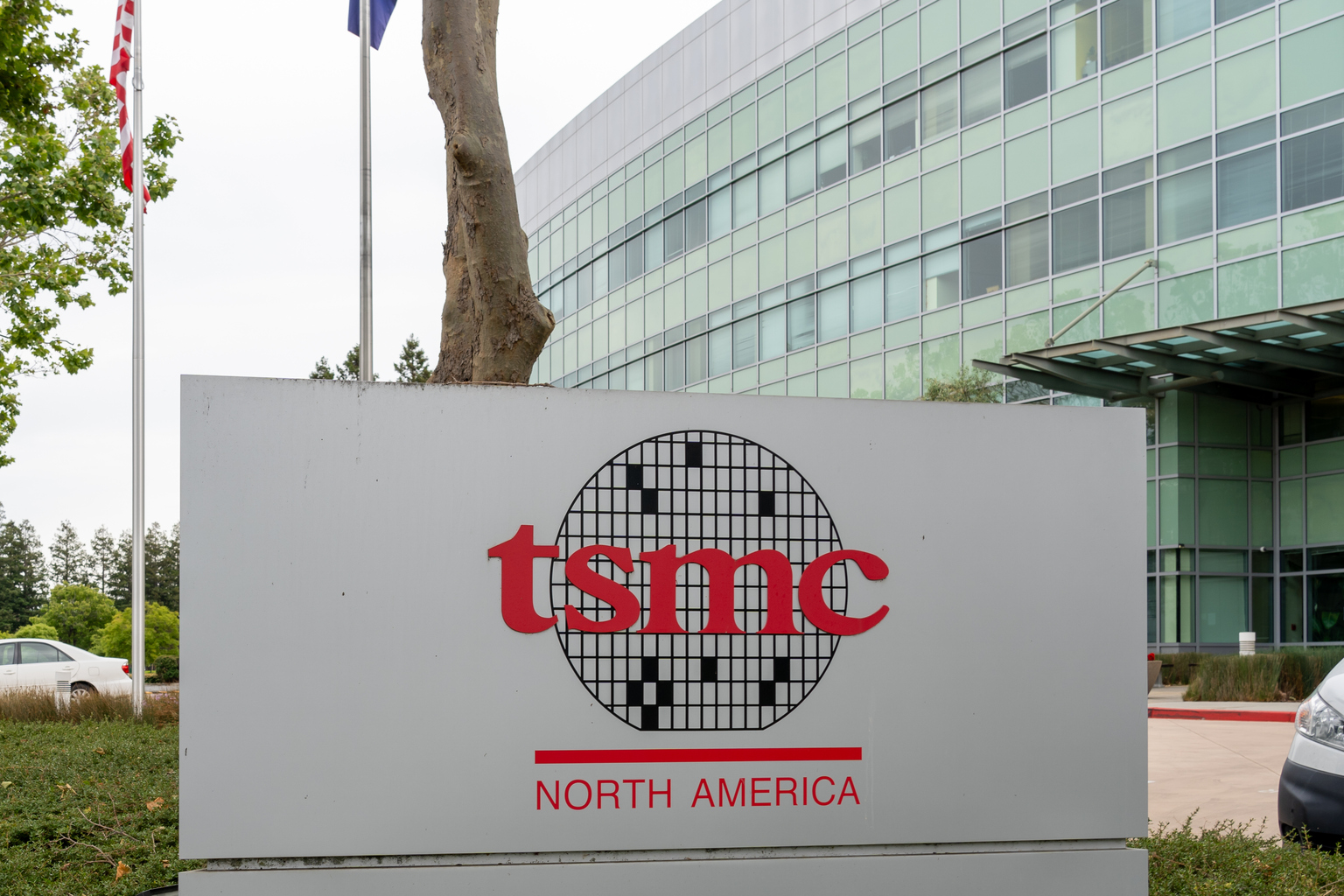
TSMC to Begin Mass Production of 3nm Chips in Japan by 2028

- Advanced Process Expansion: TSMC plans to start mass production of 3nm chips at its Kumamoto facility in Japan by 2028, targeting a monthly capacity of 15,000 12-inch wafers, marking Japan's first domestic production of 3nm chips and enhancing its competitiveness in high-performance computing and AI.
- Significant Investment: The investment for the second fab plant has reached $17 billion, primarily supported by substantial Japanese government subsidies, reflecting TSMC's commitment to the Japanese market and its strategy to diversify production amid geopolitical risks.
- Notable Technology Upgrade: The upgrade from the initially planned 6-12nm processes to the advanced 3nm technology significantly expands semiconductor manufacturing capabilities, addressing the surging demand for AI chips and laying the groundwork for future electronic products.
- Deepening Strategic Cooperation: The project's advancement is bolstered by the trust between Taiwan and Japan, with TSMC CEO CC Wei announcing the initiative during talks with Japan's PM Sanae Takaichi in 2026, further solidifying bilateral cooperation in the semiconductor sector.
See More
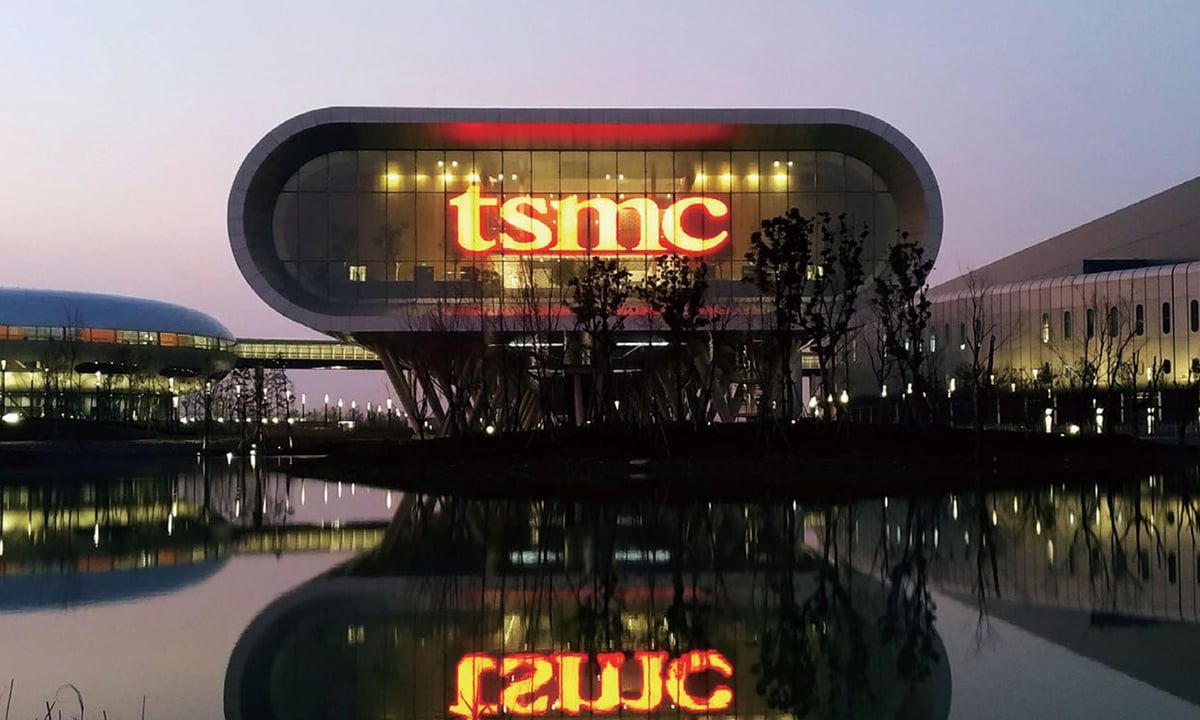
Nvidia Unveils Vera Rubin Chip Platform Promising Major Cost Reductions

- Significant Cost Reductions: Nvidia's Vera Rubin platform promises to reduce AI inference costs by 90% and cut the number of GPUs needed for training AI models by 75%, which is likely to significantly enhance customer purchasing interest and drive future sales growth for the company.
- Surge in Order Volume: Nvidia anticipates that combined orders for its Blackwell and Vera Rubin chips will reach $1 trillion by 2027, a substantial increase from the previous forecast of $500 billion, providing strong support for the company's stock price.
- Growth Potential for Micron Technology: The Rubin chips will increase DRAM capacity by 2.5 times and HBM bandwidth by 2.8 times, with Micron already producing HBM and enterprise SSDs for Rubin systems, which is expected to drive a 260% revenue increase this quarter and boost earnings per share from $1.91 to $19.15.
- Expansion Opportunities for TSMC: TSMC is projected to spend $52 billion to $56 billion on capital expenditures in 2026, primarily for advanced process node expansion, with Nvidia as its largest customer, likely driving a 36% increase in earnings per share in 2026 and potentially raising its stock price to $460 by 2027.
See More

Pinnacle West Capital's Nuclear Potential

- Nuclear Power Leadership: Pinnacle West Capital, through its subsidiary Arizona Public Service, operates the Palo Verde nuclear plant, the most productive power plant in the U.S., generating 32 million megawatt-hours annually, enough to power over 4 million homes and businesses, showcasing its strong position in the nuclear energy sector.
- Stable Dividend Yield: The company currently offers a 3.69% dividend yield, which has grown consistently over the past five years; despite a modest 7.29% increase in stock price over the last 12 months, it remains more attractive than other nuclear companies, indicating stability amid market fluctuations.
- Future Expansion Plans: Pinnacle West is working to renew its Palo Verde operating licenses and collaborating with other utilities to explore deploying more nuclear plants in Arizona, particularly small modular reactors (SMRs), to meet the increasing energy demands.
- Clean Energy Investments: In addition to nuclear, Pinnacle West plans to bring its Ironwood Solar Plant in Yuma online in 2023, actively expanding into clean energy generation opportunities to address Arizona's growing power needs, especially driven by the semiconductor industry.
See More

U.S. Energy Department Aims to Triple Nuclear Power Capacity
- Nuclear Capacity Goals: The U.S. Department of Energy has set a goal to triple nuclear power generation capacity by mid-century, indicating strong confidence in the future of nuclear energy despite the lengthy construction timelines for new plants.
- Palo Verde Plant Advantage: Arizona's Palo Verde nuclear plant is the largest in the U.S., generating 32 million megawatt-hours annually, enough to power over 4 million homes and businesses, highlighting its critical role in national power production.
- Collaboration and Expansion Plans: Pinnacle West Capital Corp. is collaborating with other utilities to explore deploying more nuclear plants in Arizona, particularly small modular reactors (SMR), to meet the growing energy demands in the state.
- Stable Dividend Yield: Pinnacle West offers a dividend yield of 3.69%, with only a 7.29% increase over the past year, reflecting its relatively stable financial health and ongoing potential for dividend growth, making it an attractive option for long-term investors.
See More

Cathie Wood's Latest Moves in AI Stocks


- Buying AI Stocks: Cathie Wood is strategically investing in AI stocks during market dips, recently selling 4,189 shares of Alphabet, 5,707 shares of Broadcom, and 120,936 shares of Nvidia in her Ark Innovation fund, showcasing her opportunistic approach amid volatility.
- Portfolio Adjustments: While reducing positions in several AI leaders, Wood retains AMD as one of her top ten holdings, indicating her continued confidence in the company's long-term potential, with AMD accounting for 4% of the fund's weight.
- New Investment Opportunities: During the market correction, Wood purchased 41,830 shares of CoreWeave, reflecting her belief in innovative opportunities within the AI sector, particularly in cloud capacity, which aligns with her forward-looking investment strategy.
- Investment Strategy Considerations: Wood's approach emphasizes long-term holding, advising investors to assess their risk tolerance when selecting AI stocks, especially in the current market environment, where seeking companies with stable earnings growth may be a more prudent choice.
See More

Analysis of Cathie Wood's AI Investment Strategy
- Investment Strategy Shift: Cathie Wood has opted to reduce her positions in AI stocks during recent declines, particularly in her flagship Ark Innovation fund, although AMD remains a key holding at 4%, indicating her sensitivity to market dynamics.
- Long-Term Holding Philosophy: Wood adheres to a long-term investment strategy focused on early-stage innovative companies, demonstrating confidence in future growth potential despite short-term volatility in AI stocks.
- New Investment Opportunities: On March 30, Wood increased her stake in CoreWeave by 41,830 shares, reflecting her belief in the importance of cloud capacity for AI workloads and her determination to seek new opportunities amid market corrections.
- Risk and Reward Considerations: For risk-tolerant investors, Wood's investment in CoreWeave offers high growth potential, while more conservative investors might find stability and earnings growth in the AI leaders she recently sold.
See More
TSMC to Begin Mass Production of 3nm Chips in Japan by 2028
- Advanced Process Expansion: TSMC plans to start mass production of 3nm chips at its Kumamoto facility in Japan by 2028, targeting a monthly capacity of 15,000 12-inch wafers, marking Japan's first domestic production of 3nm chips and enhancing its competitiveness in high-performance computing and AI.
- Significant Investment: The investment for the second fab plant has reached $17 billion, primarily supported by substantial Japanese government subsidies, reflecting TSMC's commitment to the Japanese market and its strategy to diversify production amid geopolitical risks.
- Notable Technology Upgrade: The upgrade from the initially planned 6-12nm processes to the advanced 3nm technology significantly expands semiconductor manufacturing capabilities, addressing the surging demand for AI chips and laying the groundwork for future electronic products.
- Deepening Strategic Cooperation: The project's advancement is bolstered by the trust between Taiwan and Japan, with TSMC CEO CC Wei announcing the initiative during talks with Japan's PM Sanae Takaichi in 2026, further solidifying bilateral cooperation in the semiconductor sector.
See More
Nvidia Unveils Vera Rubin Chip Platform Promising Major Cost Reductions
- Significant Cost Reductions: Nvidia's Vera Rubin platform promises to reduce AI inference costs by 90% and cut the number of GPUs needed for training AI models by 75%, which is likely to significantly enhance customer purchasing interest and drive future sales growth for the company.
- Surge in Order Volume: Nvidia anticipates that combined orders for its Blackwell and Vera Rubin chips will reach $1 trillion by 2027, a substantial increase from the previous forecast of $500 billion, providing strong support for the company's stock price.
- Growth Potential for Micron Technology: The Rubin chips will increase DRAM capacity by 2.5 times and HBM bandwidth by 2.8 times, with Micron already producing HBM and enterprise SSDs for Rubin systems, which is expected to drive a 260% revenue increase this quarter and boost earnings per share from $1.91 to $19.15.
- Expansion Opportunities for TSMC: TSMC is projected to spend $52 billion to $56 billion on capital expenditures in 2026, primarily for advanced process node expansion, with Nvidia as its largest customer, likely driving a 36% increase in earnings per share in 2026 and potentially raising its stock price to $460 by 2027.
See More
Pinnacle West Capital's Nuclear Potential
- Nuclear Power Leadership: Pinnacle West Capital, through its subsidiary Arizona Public Service, operates the Palo Verde nuclear plant, the most productive power plant in the U.S., generating 32 million megawatt-hours annually, enough to power over 4 million homes and businesses, showcasing its strong position in the nuclear energy sector.
- Stable Dividend Yield: The company currently offers a 3.69% dividend yield, which has grown consistently over the past five years; despite a modest 7.29% increase in stock price over the last 12 months, it remains more attractive than other nuclear companies, indicating stability amid market fluctuations.
- Future Expansion Plans: Pinnacle West is working to renew its Palo Verde operating licenses and collaborating with other utilities to explore deploying more nuclear plants in Arizona, particularly small modular reactors (SMRs), to meet the increasing energy demands.
- Clean Energy Investments: In addition to nuclear, Pinnacle West plans to bring its Ironwood Solar Plant in Yuma online in 2023, actively expanding into clean energy generation opportunities to address Arizona's growing power needs, especially driven by the semiconductor industry.
See More
U.S. Energy Department Aims to Triple Nuclear Power Capacity
- Nuclear Capacity Goals: The U.S. Department of Energy has set a goal to triple nuclear power generation capacity by mid-century, indicating strong confidence in the future of nuclear energy despite the lengthy construction timelines for new plants.
- Palo Verde Plant Advantage: Arizona's Palo Verde nuclear plant is the largest in the U.S., generating 32 million megawatt-hours annually, enough to power over 4 million homes and businesses, highlighting its critical role in national power production.
- Collaboration and Expansion Plans: Pinnacle West Capital Corp. is collaborating with other utilities to explore deploying more nuclear plants in Arizona, particularly small modular reactors (SMR), to meet the growing energy demands in the state.
- Stable Dividend Yield: Pinnacle West offers a dividend yield of 3.69%, with only a 7.29% increase over the past year, reflecting its relatively stable financial health and ongoing potential for dividend growth, making it an attractive option for long-term investors.
See More
Cathie Wood's Latest Moves in AI Stocks
- Buying AI Stocks: Cathie Wood is strategically investing in AI stocks during market dips, recently selling 4,189 shares of Alphabet, 5,707 shares of Broadcom, and 120,936 shares of Nvidia in her Ark Innovation fund, showcasing her opportunistic approach amid volatility.
- Portfolio Adjustments: While reducing positions in several AI leaders, Wood retains AMD as one of her top ten holdings, indicating her continued confidence in the company's long-term potential, with AMD accounting for 4% of the fund's weight.
- New Investment Opportunities: During the market correction, Wood purchased 41,830 shares of CoreWeave, reflecting her belief in innovative opportunities within the AI sector, particularly in cloud capacity, which aligns with her forward-looking investment strategy.
- Investment Strategy Considerations: Wood's approach emphasizes long-term holding, advising investors to assess their risk tolerance when selecting AI stocks, especially in the current market environment, where seeking companies with stable earnings growth may be a more prudent choice.
See More
Analysis of Cathie Wood's AI Investment Strategy
- Investment Strategy Shift: Cathie Wood has opted to reduce her positions in AI stocks during recent declines, particularly in her flagship Ark Innovation fund, although AMD remains a key holding at 4%, indicating her sensitivity to market dynamics.
- Long-Term Holding Philosophy: Wood adheres to a long-term investment strategy focused on early-stage innovative companies, demonstrating confidence in future growth potential despite short-term volatility in AI stocks.
- New Investment Opportunities: On March 30, Wood increased her stake in CoreWeave by 41,830 shares, reflecting her belief in the importance of cloud capacity for AI workloads and her determination to seek new opportunities amid market corrections.
- Risk and Reward Considerations: For risk-tolerant investors, Wood's investment in CoreWeave offers high growth potential, while more conservative investors might find stability and earnings growth in the AI leaders she recently sold.
See More