Nvidia: The Giant Potential in the AI Market
Written by Emily J. Thompson, Senior Investment Analyst
Updated: Mar 20 2026
0mins


Source: Fool
- Market Size Forecast: The global AI market is projected to reach $5.3 trillion by 2035, up from $274 billion in 2023, indicating a significant growth trend that will create generational wealth for investors and drive long-term growth for related companies.
- Revenue Growth Momentum: Nvidia achieved nearly $216 billion in revenue for fiscal 2026, a 65% increase year-over-year, with current quarter revenue expectations at $78 billion, suggesting a 77% year-over-year growth, highlighting its acceleration potential despite a massive revenue base.
- Dominance in AI Chip Market: The global AI chip market is expected to grow from $500 billion in 2026 to $1 trillion by 2030, with a compound annual growth rate of nearly 19%, and Nvidia holds a 90% market share, indicating substantial future growth opportunities.
- Full-Stack AI Strategy: Nvidia plans to invest $26 billion in open-weight AI models over the next year, aiming to enhance its control over the AI ecosystem by integrating hardware and software, thereby achieving sustainable long-term growth.
Trade with 70% Backtested Accuracy
Stop guessing "Should I Buy NVDA?" and start using high-conviction signals backed by rigorous historical data.
Sign up today to access powerful investing tools and make smarter, data-driven decisions.
Analyst Views on NVDA
Wall Street analysts forecast NVDA stock price to rise
41 Analyst Rating
39 Buy
1 Hold
1 Sell
Strong Buy
Current: 220.610

Low
200.00
Averages
264.97
High
352.00
Current: 220.610
Low
200.00
Averages
264.97
High
352.00
About NVDA
NVIDIA Corporation is an artificial intelligence (AI) infrastructure company. The Company is engaged in accelerated computing to help solve the challenging computational problems. Its segments include Compute & Networking and Graphics. The Compute & Networking segment includes its Data Center accelerated computing and networking platforms and AI solutions and software, and automotive platforms and autonomous and electric vehicle solutions, including software. The Graphics segment includes GeForce GPUs for gaming and personal computers (PCs), and Quadro/NVIDIA RTX GPUs for enterprise workstation graphics. Its technology stack includes the foundational NVIDIA CUDA development platform that runs on all NVIDIA GPUs, as well as hundreds of domain-specific software libraries, frameworks, algorithms, software development kits (SDKs), and application programming interfaces (APIs). Its platforms address four markets, which include Data Center, Gaming, Professional Visualization, and Automotive.
About the author

Emily J. Thompson
Emily J. Thompson, a Chartered Financial Analyst (CFA) with 12 years in investment research, graduated with honors from the Wharton School. Specializing in industrial and technology stocks, she provides in-depth analysis for Intellectia’s earnings and market brief reports.

Nvidia Earnings Preview: Key Insights Ahead

- Earnings Preview: Nvidia is set to release its earnings on May 19, 2026, with market attention focused on its performance, particularly regarding ongoing investments and innovations in AI technology.
- Investment Advice: Despite Nvidia's strong past performance, the Motley Fool analyst team has not included it in their current top 10 stock recommendations, advising investors to proceed with caution.
- Historical Returns: Nvidia was recommended in 2005, and an investment of $1,000 at that time would now be worth $1,362,941, highlighting its robust long-term return potential.
- Market Performance Comparison: Stock Advisor boasts an average return of 998%, significantly outperforming the S&P 500's 207%, indicating the superiority and market impact of its recommended stocks.
See More
Nvidia Faces Record Short Exposure Ahead of Q1 Earnings
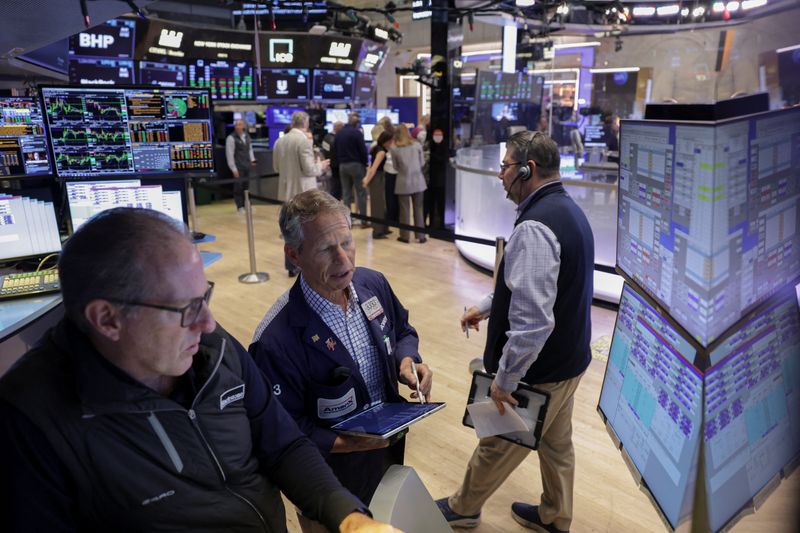
- Record Short Position: According to S3 Partners, Nvidia's notional net short exposure has reached approximately $62.5 billion, making it the largest single-name short in the S&P 500, significantly surpassing Apple's $38.5 billion and Microsoft's $33.7 billion, indicating heavy reliance on the stock as a hedge.
- High Short Interest: Nvidia's short interest, measured at 281 million shares and 1.2% of float, is near 52-week highs, suggesting that much of this positioning reflects hedging activity rather than outright bearish bets, leveraging its liquidity and high-beta AI exposure.
- Price Volatility Expectations: Nvidia closed at $220.60 on Tuesday, below its 52-week high of $236.50 but above its 50-day moving average of $194.7, with the options market pricing in a potential post-earnings move of about 5%, translating to a $3.5 billion mark-to-market swing for short sellers.
- Market Sentiment Warning: Michael Kramer of Mott Capital Management cautions that Nvidia may be caught in what he describes as an “epic squeeze” driven by euphoric options activity, suggesting that this positioning could reset following earnings as implied volatility collapses.
See More
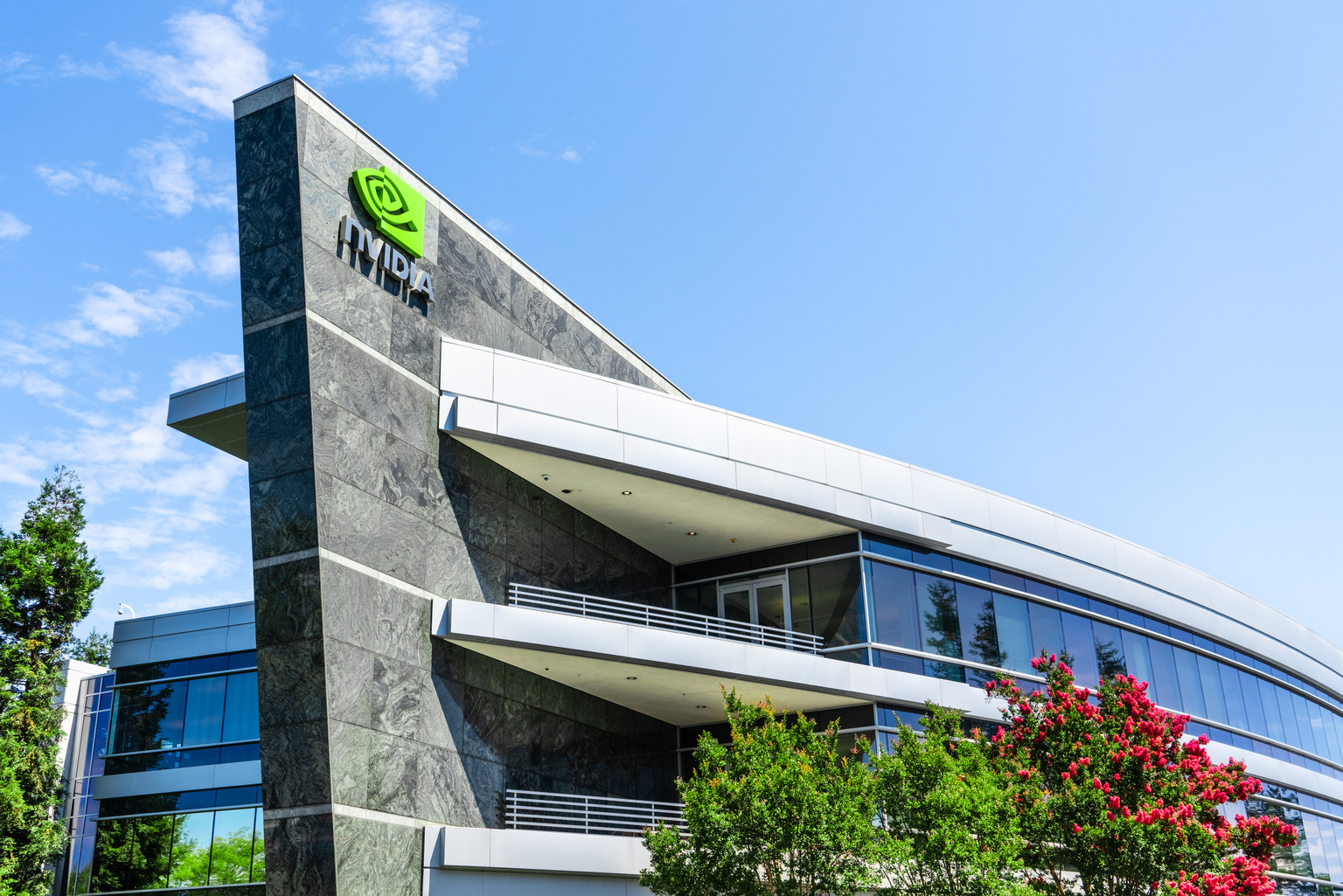
Nvidia CEO Acknowledges Concession in China's AI Chip Market
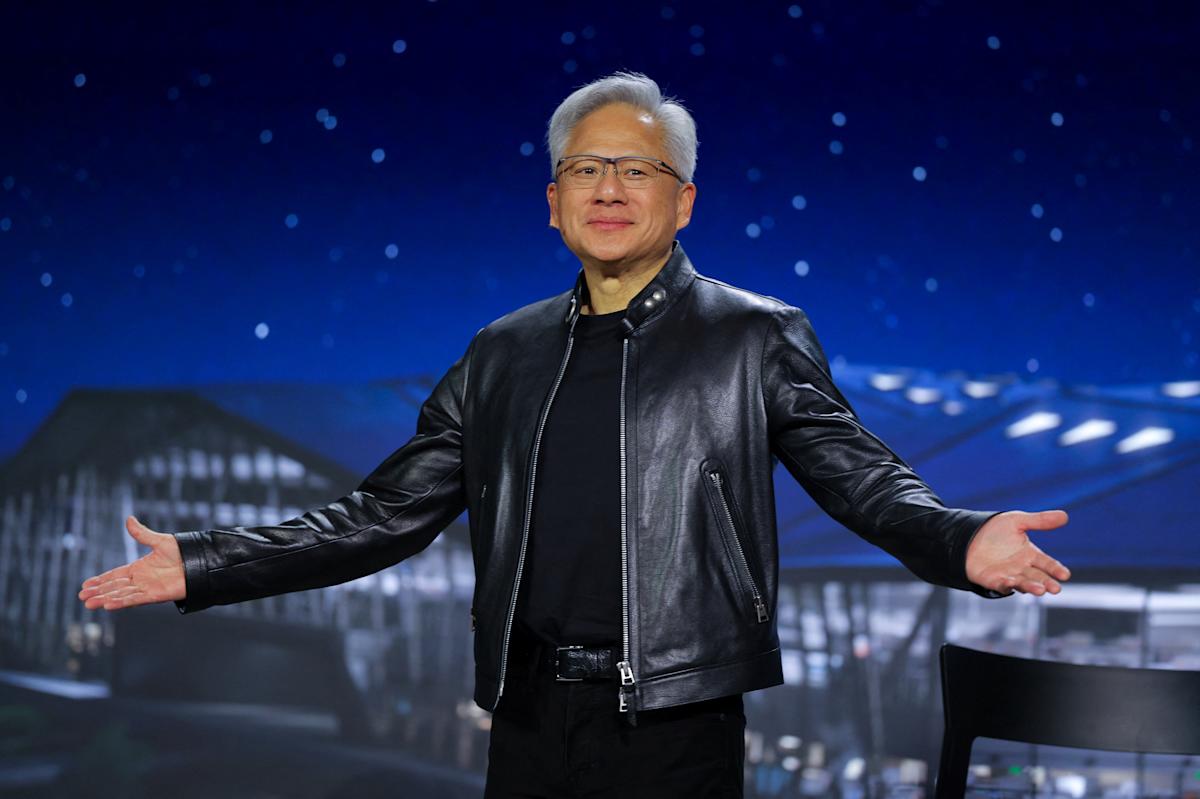
- Intensifying Market Competition: Nvidia CEO Jensen Huang stated that the company has 'largely conceded' the Chinese AI chip market to Huawei, which is expected to have an extraordinary year, highlighting the increasing competitive pressure in the region due to U.S. export restrictions.
- Strong Financial Performance: Nvidia reported an 85% year-over-year revenue surge to $81.62 billion, reflecting robust demand in the global AI semiconductor market, although the uncertain outlook for China poses challenges to overall performance.
- Buyback and Dividend Increase: The company announced an $80 billion share buyback program and raised its quarterly dividend to $0.25, aiming to enhance shareholder returns despite challenges in the Chinese market, demonstrating confidence in future growth.
- Cautious Future Outlook: Nvidia expects revenue of $91 billion for the next fiscal quarter, but Huang cautioned investors to 'expect nothing' regarding approvals for selling advanced chips in China, indicating potential impacts on stock performance due to market uncertainties.
See More
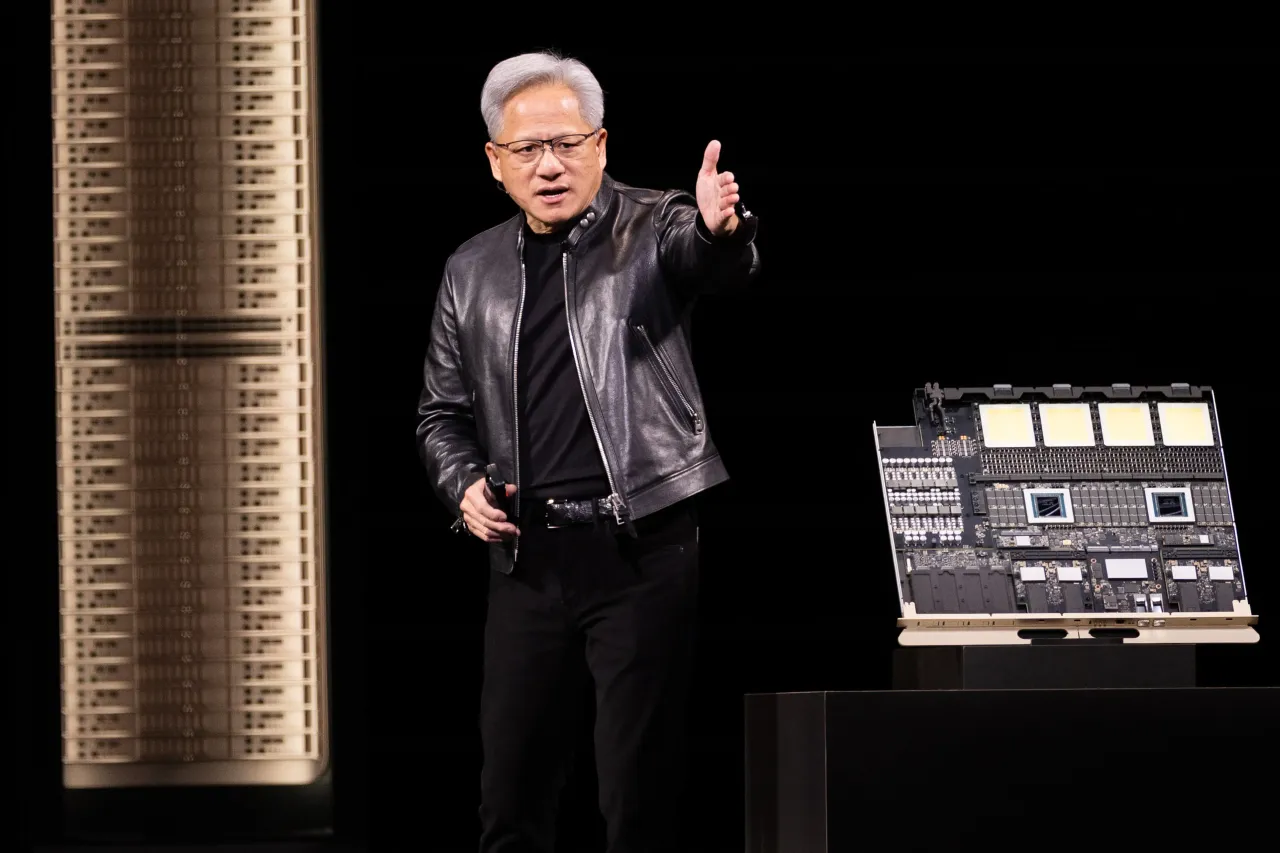
Nvidia Reports Record Q1 Revenue Amid Surging AI Demand
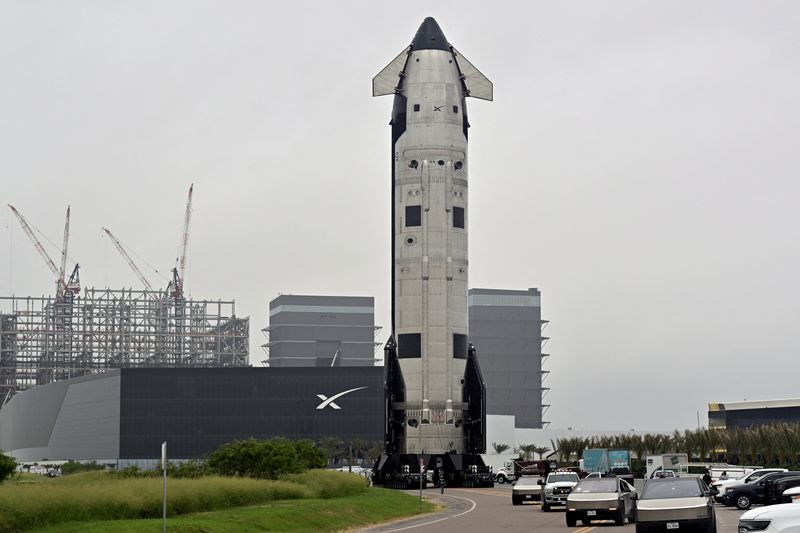
- Significant Revenue Growth: Nvidia's Q1 revenue reached $81.6 billion, an 85% year-over-year increase that surpassed Wall Street's expectations of $78.9 billion, indicating strong performance in AI infrastructure despite market focus shifting towards SpaceX's IPO plans.
- Dramatic Net Income Surge: The company's net income soared to $58.3 billion, more than tripling from the previous year, reflecting sustained growth in its data center business, particularly with networking hardware revenue tripling to a record $14.8 billion, reinforcing its market leadership.
- Stock Buyback Initiative: Nvidia announced an $80 billion share repurchase authorization and plans to return 50% of free cash flow to shareholders, demonstrating a commitment to shareholder returns, even as market attention is diverted by SpaceX's IPO ambitions.
- Retail Investor Enthusiasm: The upcoming SpaceX IPO has drawn significant interest from retail investors, with expectations of a valuation exceeding $1.5 trillion and potential fundraising over $80 billion, further fueling market interest in AI infrastructure and semiconductor sectors.
See More
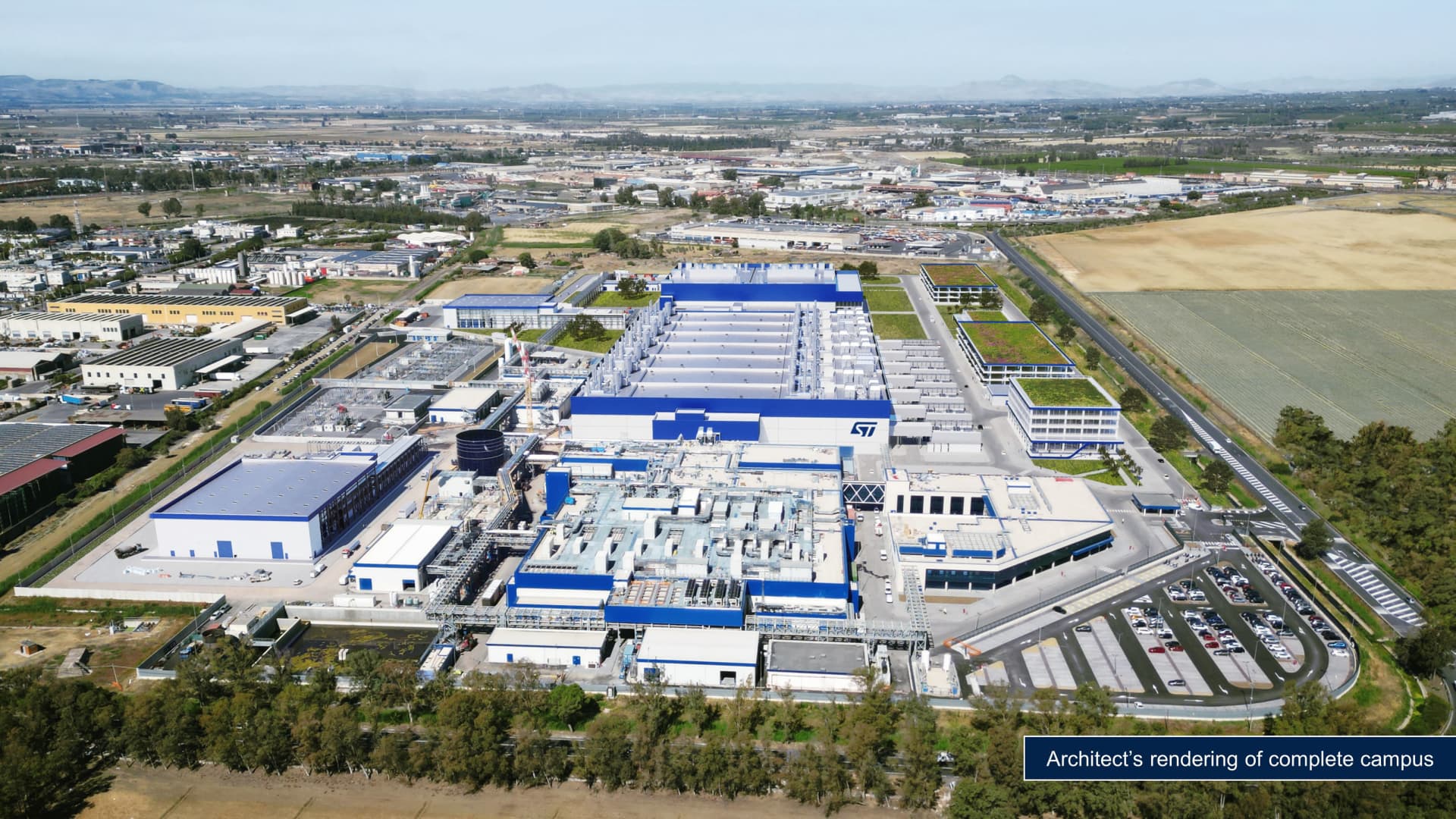
European Tech Stocks Surge Amid AI Boom


- Aixtron Stock Surge: German company Aixtron has seen its stock price soar over 300% in the past 12 months, making it the second-best performer on the Stoxx 600 index, indicating strong demand for its advanced equipment, particularly in AI applications.
- Technoprobe and STMicroelectronics Rally: Technoprobe's stock has risen 129% and STMicroelectronics 133%, reflecting sustained investor interest in chip manufacturing equipment and semiconductors, which has driven market performance for these companies.
- Nokia's Successful Transformation: Nokia has become a major supplier of optical networking equipment globally through its acquisition of Infinera, with its stock jumping 22% following Nvidia's announcement of a $1 billion share purchase, highlighting its critical role in AI infrastructure.
- Market Outlook and Challenges: Despite the strong performance of select European tech stocks, analysts caution that regulatory hurdles may slow the rollout of AI infrastructure, suggesting that the current stock market rally does not signify a broader renaissance for the European tech sector.
See More

Putin and Xi Meeting Fails to Secure Energy Agreement


- Stalled Energy Cooperation: Putin and Xi's meeting in Beijing failed to secure a breakthrough on the Power of Siberia 2 pipeline, with both sides reaching an understanding on key parameters but leaving unresolved details, indicating Russia's diminishing leverage in its partnership with China.
- Trade Agreements Signed: Despite the lack of an energy deal, over 40 agreements covering trade, education, technology, and nuclear security were signed, demonstrating the resilience of bilateral relations and China's dominant position in trade.
- Deepened Military Cooperation: Both nations agreed to enhance military trust and cooperation, including expanding joint exercises and air and maritime patrols, reflecting their interdependence in security matters amid evolving geopolitical dynamics.
- International Political Stance: Putin reaffirmed support for the
See More
Nvidia Earnings Preview: Key Insights Ahead
- Earnings Preview: Nvidia is set to release its earnings on May 19, 2026, with market attention focused on its performance, particularly regarding ongoing investments and innovations in AI technology.
- Investment Advice: Despite Nvidia's strong past performance, the Motley Fool analyst team has not included it in their current top 10 stock recommendations, advising investors to proceed with caution.
- Historical Returns: Nvidia was recommended in 2005, and an investment of $1,000 at that time would now be worth $1,362,941, highlighting its robust long-term return potential.
- Market Performance Comparison: Stock Advisor boasts an average return of 998%, significantly outperforming the S&P 500's 207%, indicating the superiority and market impact of its recommended stocks.
See More
Nvidia Faces Record Short Exposure Ahead of Q1 Earnings
- Record Short Position: According to S3 Partners, Nvidia's notional net short exposure has reached approximately $62.5 billion, making it the largest single-name short in the S&P 500, significantly surpassing Apple's $38.5 billion and Microsoft's $33.7 billion, indicating heavy reliance on the stock as a hedge.
- High Short Interest: Nvidia's short interest, measured at 281 million shares and 1.2% of float, is near 52-week highs, suggesting that much of this positioning reflects hedging activity rather than outright bearish bets, leveraging its liquidity and high-beta AI exposure.
- Price Volatility Expectations: Nvidia closed at $220.60 on Tuesday, below its 52-week high of $236.50 but above its 50-day moving average of $194.7, with the options market pricing in a potential post-earnings move of about 5%, translating to a $3.5 billion mark-to-market swing for short sellers.
- Market Sentiment Warning: Michael Kramer of Mott Capital Management cautions that Nvidia may be caught in what he describes as an “epic squeeze” driven by euphoric options activity, suggesting that this positioning could reset following earnings as implied volatility collapses.
See More
Nvidia CEO Acknowledges Concession in China's AI Chip Market
- Intensifying Market Competition: Nvidia CEO Jensen Huang stated that the company has 'largely conceded' the Chinese AI chip market to Huawei, which is expected to have an extraordinary year, highlighting the increasing competitive pressure in the region due to U.S. export restrictions.
- Strong Financial Performance: Nvidia reported an 85% year-over-year revenue surge to $81.62 billion, reflecting robust demand in the global AI semiconductor market, although the uncertain outlook for China poses challenges to overall performance.
- Buyback and Dividend Increase: The company announced an $80 billion share buyback program and raised its quarterly dividend to $0.25, aiming to enhance shareholder returns despite challenges in the Chinese market, demonstrating confidence in future growth.
- Cautious Future Outlook: Nvidia expects revenue of $91 billion for the next fiscal quarter, but Huang cautioned investors to 'expect nothing' regarding approvals for selling advanced chips in China, indicating potential impacts on stock performance due to market uncertainties.
See More
Nvidia Reports Record Q1 Revenue Amid Surging AI Demand
- Significant Revenue Growth: Nvidia's Q1 revenue reached $81.6 billion, an 85% year-over-year increase that surpassed Wall Street's expectations of $78.9 billion, indicating strong performance in AI infrastructure despite market focus shifting towards SpaceX's IPO plans.
- Dramatic Net Income Surge: The company's net income soared to $58.3 billion, more than tripling from the previous year, reflecting sustained growth in its data center business, particularly with networking hardware revenue tripling to a record $14.8 billion, reinforcing its market leadership.
- Stock Buyback Initiative: Nvidia announced an $80 billion share repurchase authorization and plans to return 50% of free cash flow to shareholders, demonstrating a commitment to shareholder returns, even as market attention is diverted by SpaceX's IPO ambitions.
- Retail Investor Enthusiasm: The upcoming SpaceX IPO has drawn significant interest from retail investors, with expectations of a valuation exceeding $1.5 trillion and potential fundraising over $80 billion, further fueling market interest in AI infrastructure and semiconductor sectors.
See More
European Tech Stocks Surge Amid AI Boom
- Aixtron Stock Surge: German company Aixtron has seen its stock price soar over 300% in the past 12 months, making it the second-best performer on the Stoxx 600 index, indicating strong demand for its advanced equipment, particularly in AI applications.
- Technoprobe and STMicroelectronics Rally: Technoprobe's stock has risen 129% and STMicroelectronics 133%, reflecting sustained investor interest in chip manufacturing equipment and semiconductors, which has driven market performance for these companies.
- Nokia's Successful Transformation: Nokia has become a major supplier of optical networking equipment globally through its acquisition of Infinera, with its stock jumping 22% following Nvidia's announcement of a $1 billion share purchase, highlighting its critical role in AI infrastructure.
- Market Outlook and Challenges: Despite the strong performance of select European tech stocks, analysts caution that regulatory hurdles may slow the rollout of AI infrastructure, suggesting that the current stock market rally does not signify a broader renaissance for the European tech sector.
See More
Putin and Xi Meeting Fails to Secure Energy Agreement
- Stalled Energy Cooperation: Putin and Xi's meeting in Beijing failed to secure a breakthrough on the Power of Siberia 2 pipeline, with both sides reaching an understanding on key parameters but leaving unresolved details, indicating Russia's diminishing leverage in its partnership with China.
- Trade Agreements Signed: Despite the lack of an energy deal, over 40 agreements covering trade, education, technology, and nuclear security were signed, demonstrating the resilience of bilateral relations and China's dominant position in trade.
- Deepened Military Cooperation: Both nations agreed to enhance military trust and cooperation, including expanding joint exercises and air and maritime patrols, reflecting their interdependence in security matters amid evolving geopolitical dynamics.
- International Political Stance: Putin reaffirmed support for the
See More