Nvidia Stock Soars 1,100% Over Three Years Driven by AI Chip Demand
Written by Emily J. Thompson, Senior Investment Analyst
Updated: 1 hour ago
0mins
Should l Buy NVDA?
Source: NASDAQ.COM
- Stock Surge: Nvidia's stock has skyrocketed over 1,100% in the past three years, rising from under $15 to approximately $180, reflecting its leadership in the AI chip market and strong investor confidence.
- Record Revenue: The latest earnings report reveals Nvidia achieved a record revenue of $68 billion, marking a 73% year-over-year increase, indicating robust demand and profitability in the AI chip sector.
- Future Growth Potential: As cloud companies ramp up infrastructure investments, Nvidia's high-performance GPUs are essential purchases, expected to drive stock price increases, especially with the upcoming launch of the Rubin platform update.
- Optimistic Market Outlook: Analysts predict Nvidia's stock could reach $300 by 2026; if the overall market environment improves, the stock may touch this target by year-end, further boosting long-term investor confidence.
Trade with 70% Backtested Accuracy
Stop guessing "Should I Buy NVDA?" and start using high-conviction signals backed by rigorous historical data.
Sign up today to access powerful investing tools and make smarter, data-driven decisions.
Analyst Views on NVDA
Wall Street analysts forecast NVDA stock price to rise
41 Analyst Rating
39 Buy
1 Hold
1 Sell
Strong Buy
Current: 180.050

Low
200.00
Averages
264.97
High
352.00
Current: 180.050
Low
200.00
Averages
264.97
High
352.00
About NVDA
NVIDIA Corporation is a full-stack computing infrastructure company. The Company is engaged in accelerated computing to help solve the challenging computational problems. The Company’s segments include Compute & Networking and Graphics. The Compute & Networking segment includes its Data Center accelerated computing platforms and artificial intelligence (AI) solutions and software; networking; automotive platforms and autonomous and electric vehicle solutions; Jetson for robotics and other embedded platforms, and DGX Cloud computing services. The Graphics segment includes GeForce GPUs for gaming and PCs, the GeForce NOW game streaming service and related infrastructure, and solutions for gaming platforms; Quadro/NVIDIA RTX GPUs for enterprise workstation graphics; virtual GPU software for cloud-based visual and virtual computing; automotive platforms for infotainment systems, and Omniverse Enterprise software for building and operating industrial AI and digital twin applications.
About the author

Emily J. Thompson
Emily J. Thompson, a Chartered Financial Analyst (CFA) with 12 years in investment research, graduated with honors from the Wharton School. Specializing in industrial and technology stocks, she provides in-depth analysis for Intellectia’s earnings and market brief reports.

Nvidia's Growth Rate Exceeds 73% Yet Stock Price Declines

- Significant Earnings Growth: Nvidia's latest earnings report reveals a revenue of $68.1 billion for the quarter ending January 25, reflecting an impressive growth rate of 73%, which is exceptionally rare among tech companies, indicating robust market demand and business performance.
- Stock Price Volatility: Despite strong performance, Nvidia's stock price has declined following the earnings release, currently trading at a P/E ratio of 37, which drops to 23 based on expected earnings, highlighting market concerns over its high valuation.
- Market Position Consolidation: As the world's most valuable company with a market cap of $4.4 trillion, Nvidia maintains a strong investment appeal despite overall bearish sentiment in tech, thanks to its leadership in the AI chip sector.
- Cautious Investor Sentiment: Analysts suggest that investors should approach Nvidia with caution in the current market environment, as while its business remains strong, the likelihood of the stock doubling in value in the short term is low, necessitating realistic expectations.
See More

Vanguard Total Stock Market ETF: Advantages and Risks
- Core Investment: The Vanguard Total Stock Market ETF (VTI) tracks the entire U.S. stock market and owns over 3,500 stocks, providing investors with the convenience of investing in thousands of stocks with a single click, making it ideal for those looking to simplify their investments.
- Cost Advantage: With an expense ratio of just 0.03%, investing $10,000 incurs only $3 in annual fees, significantly lowering investment costs and enhancing long-term return potential for investors.
- Long-Term Return Potential: Since its inception in 2001, the ETF has averaged a 9.2% annual total return, meaning a $10,000 investment would be worth over $90,000 today, demonstrating its effectiveness as a wealth-building tool.
- Concentration Risk and Lack of Diversification: Despite holding many stocks, the ETF's performance is heavily reliant on the top 10 companies, presenting significant concentration risk, while lacking exposure to international stocks and fixed-income assets, which may hinder portfolio diversification.
See More

Iran's Foreign Minister Warns US Will Regret Actions

- Escalating Tensions: Iran's Foreign Minister Seyed Abbas Araghchi warned on social media that the U.S. will “bitterly regret” its actions, reflecting Iran's strong discontent over the sinking of its frigate, which could further escalate regional tensions and impact global market stability.
- Military Actions Intensify: Iran claimed to have struck Kurdish bases in Iraq and targeted separatist groups attempting to enter through its western borders, actions that may exacerbate tensions with neighboring countries and affect regional security dynamics.
- Oil Price Volatility: Despite President Trump's efforts to alleviate concerns over oil flow through the Strait of Hormuz, U.S. West Texas Intermediate (WTI) crude futures rose by 2.1% to $76.22 per barrel, indicating the market's heightened sensitivity to Middle Eastern tensions, which could lead to sustained energy price fluctuations.
- Market Reaction: U.S. stock futures declined early Thursday, with S&P futures down 0.07% and Dow futures down 0.17%, reflecting investor anxiety over the situation in the Middle East, which may influence market sentiment and investment decisions.
See More

Nvidia's AI Infrastructure Spending Soars
- Market Spending Forecast: It is projected that just five companies will exceed $700 billion in data center capital expenditures in 2023, indicating robust demand for AI infrastructure and enhancing the growth potential for related firms.
- Nvidia's Market Dominance: Nvidia holds approximately 90% market share in the AI chip sector, with its graphics processing units (GPUs) being the primary chips for training and inference of AI models, and the insatiable demand is expected to continue benefiting the company amid industry growth.
- Significant Revenue Growth: Nvidia's overall revenue soared 73% year-over-year to $62.3 billion last quarter, with projections indicating a 77% revenue increase to $78 billion in Q1 of fiscal 2027, showcasing strong business expansion capabilities.
- Future Profit Projections: Analysts forecast Nvidia will achieve $627 billion in adjusted net income by fiscal 2032, and with a price-to-earnings ratio of 20 to 25, the stock price is expected to reach between $515 and $650 by the end of 2030, indicating strong investment value.
See More
Investment Opportunities in AI Stocks

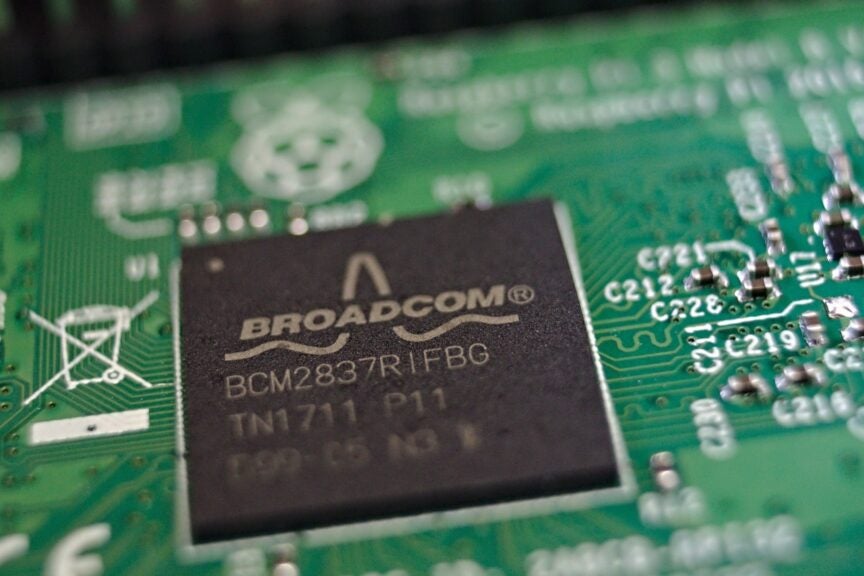
- Broadcom's Market Strategy: Broadcom is enhancing its competitive edge in the AI chip market by collaborating with Alphabet to develop Tensor Processing Units (TPUs) and signing a $21 billion deal with Anthropic to supply nearly 1 million AI chips, positioning itself as a key player in AI infrastructure.
- Lam Research's Growth Potential: Lam Research reported fourth-quarter revenue of $5.34 billion in 2025, a 22.3% increase year-over-year, with net income of $1.59 billion, indicating strong performance in semiconductor manufacturing equipment and expected benefits from the acceleration of AI technology.
- TSMC's Technological Advantage: TSMC achieved net revenue of $122.4 billion in 2025, a 35.9% increase, with 60% of its revenue coming from 3-nanometer and 5-nm chips, reinforcing its leadership position in the high-end chip market and driving profitability.
- Value of a Diversified Portfolio: By investing in Broadcom, Lam Research, and TSMC, investors can achieve diversification in the AI sector, leveraging the specialized capabilities of these companies to collectively drive stable growth in their investment portfolios.
See More

Congress Urges Investigation into Pentagon's Supply Chain Risk Designation for Anthropic

- Congressional Inquiry: A bipartisan coalition of 30 former defense and intelligence officials has sent a letter to Congress demanding an investigation into the Pentagon's designation of Anthropic as a supply chain risk, arguing that this move could undermine the U.S.'s competitive edge in the AI sector.
- Security Risk Warning: The coalition characterized Defense Secretary Pete Hegseth's decision as a 'profound departure' that sets a dangerous precedent, potentially affecting the operational environment for American businesses in the technology sector.
- Industry Backlash: Several defense tech companies have been instructed to cease using Anthropic's Claude service, indicating the immediate impact of the government's ban on industry operations and the potential disruption of technological collaborations.
- Call for Legal Oversight: The coalition urges Congress to exercise its oversight authority against the inappropriate use of executive power, emphasizing the need for legal safeguards to protect American companies from punitive actions for disagreeing with the government.
See More
Nvidia's Growth Rate Exceeds 73% Yet Stock Price Declines
- Significant Earnings Growth: Nvidia's latest earnings report reveals a revenue of $68.1 billion for the quarter ending January 25, reflecting an impressive growth rate of 73%, which is exceptionally rare among tech companies, indicating robust market demand and business performance.
- Stock Price Volatility: Despite strong performance, Nvidia's stock price has declined following the earnings release, currently trading at a P/E ratio of 37, which drops to 23 based on expected earnings, highlighting market concerns over its high valuation.
- Market Position Consolidation: As the world's most valuable company with a market cap of $4.4 trillion, Nvidia maintains a strong investment appeal despite overall bearish sentiment in tech, thanks to its leadership in the AI chip sector.
- Cautious Investor Sentiment: Analysts suggest that investors should approach Nvidia with caution in the current market environment, as while its business remains strong, the likelihood of the stock doubling in value in the short term is low, necessitating realistic expectations.
See More
Vanguard Total Stock Market ETF: Advantages and Risks
- Core Investment: The Vanguard Total Stock Market ETF (VTI) tracks the entire U.S. stock market and owns over 3,500 stocks, providing investors with the convenience of investing in thousands of stocks with a single click, making it ideal for those looking to simplify their investments.
- Cost Advantage: With an expense ratio of just 0.03%, investing $10,000 incurs only $3 in annual fees, significantly lowering investment costs and enhancing long-term return potential for investors.
- Long-Term Return Potential: Since its inception in 2001, the ETF has averaged a 9.2% annual total return, meaning a $10,000 investment would be worth over $90,000 today, demonstrating its effectiveness as a wealth-building tool.
- Concentration Risk and Lack of Diversification: Despite holding many stocks, the ETF's performance is heavily reliant on the top 10 companies, presenting significant concentration risk, while lacking exposure to international stocks and fixed-income assets, which may hinder portfolio diversification.
See More
Iran's Foreign Minister Warns US Will Regret Actions
- Escalating Tensions: Iran's Foreign Minister Seyed Abbas Araghchi warned on social media that the U.S. will “bitterly regret” its actions, reflecting Iran's strong discontent over the sinking of its frigate, which could further escalate regional tensions and impact global market stability.
- Military Actions Intensify: Iran claimed to have struck Kurdish bases in Iraq and targeted separatist groups attempting to enter through its western borders, actions that may exacerbate tensions with neighboring countries and affect regional security dynamics.
- Oil Price Volatility: Despite President Trump's efforts to alleviate concerns over oil flow through the Strait of Hormuz, U.S. West Texas Intermediate (WTI) crude futures rose by 2.1% to $76.22 per barrel, indicating the market's heightened sensitivity to Middle Eastern tensions, which could lead to sustained energy price fluctuations.
- Market Reaction: U.S. stock futures declined early Thursday, with S&P futures down 0.07% and Dow futures down 0.17%, reflecting investor anxiety over the situation in the Middle East, which may influence market sentiment and investment decisions.
See More
Nvidia's AI Infrastructure Spending Soars
- Market Spending Forecast: It is projected that just five companies will exceed $700 billion in data center capital expenditures in 2023, indicating robust demand for AI infrastructure and enhancing the growth potential for related firms.
- Nvidia's Market Dominance: Nvidia holds approximately 90% market share in the AI chip sector, with its graphics processing units (GPUs) being the primary chips for training and inference of AI models, and the insatiable demand is expected to continue benefiting the company amid industry growth.
- Significant Revenue Growth: Nvidia's overall revenue soared 73% year-over-year to $62.3 billion last quarter, with projections indicating a 77% revenue increase to $78 billion in Q1 of fiscal 2027, showcasing strong business expansion capabilities.
- Future Profit Projections: Analysts forecast Nvidia will achieve $627 billion in adjusted net income by fiscal 2032, and with a price-to-earnings ratio of 20 to 25, the stock price is expected to reach between $515 and $650 by the end of 2030, indicating strong investment value.
See More
Investment Opportunities in AI Stocks
- Broadcom's Market Strategy: Broadcom is enhancing its competitive edge in the AI chip market by collaborating with Alphabet to develop Tensor Processing Units (TPUs) and signing a $21 billion deal with Anthropic to supply nearly 1 million AI chips, positioning itself as a key player in AI infrastructure.
- Lam Research's Growth Potential: Lam Research reported fourth-quarter revenue of $5.34 billion in 2025, a 22.3% increase year-over-year, with net income of $1.59 billion, indicating strong performance in semiconductor manufacturing equipment and expected benefits from the acceleration of AI technology.
- TSMC's Technological Advantage: TSMC achieved net revenue of $122.4 billion in 2025, a 35.9% increase, with 60% of its revenue coming from 3-nanometer and 5-nm chips, reinforcing its leadership position in the high-end chip market and driving profitability.
- Value of a Diversified Portfolio: By investing in Broadcom, Lam Research, and TSMC, investors can achieve diversification in the AI sector, leveraging the specialized capabilities of these companies to collectively drive stable growth in their investment portfolios.
See More
Congress Urges Investigation into Pentagon's Supply Chain Risk Designation for Anthropic
- Congressional Inquiry: A bipartisan coalition of 30 former defense and intelligence officials has sent a letter to Congress demanding an investigation into the Pentagon's designation of Anthropic as a supply chain risk, arguing that this move could undermine the U.S.'s competitive edge in the AI sector.
- Security Risk Warning: The coalition characterized Defense Secretary Pete Hegseth's decision as a 'profound departure' that sets a dangerous precedent, potentially affecting the operational environment for American businesses in the technology sector.
- Industry Backlash: Several defense tech companies have been instructed to cease using Anthropic's Claude service, indicating the immediate impact of the government's ban on industry operations and the potential disruption of technological collaborations.
- Call for Legal Oversight: The coalition urges Congress to exercise its oversight authority against the inappropriate use of executive power, emphasizing the need for legal safeguards to protect American companies from punitive actions for disagreeing with the government.
See More