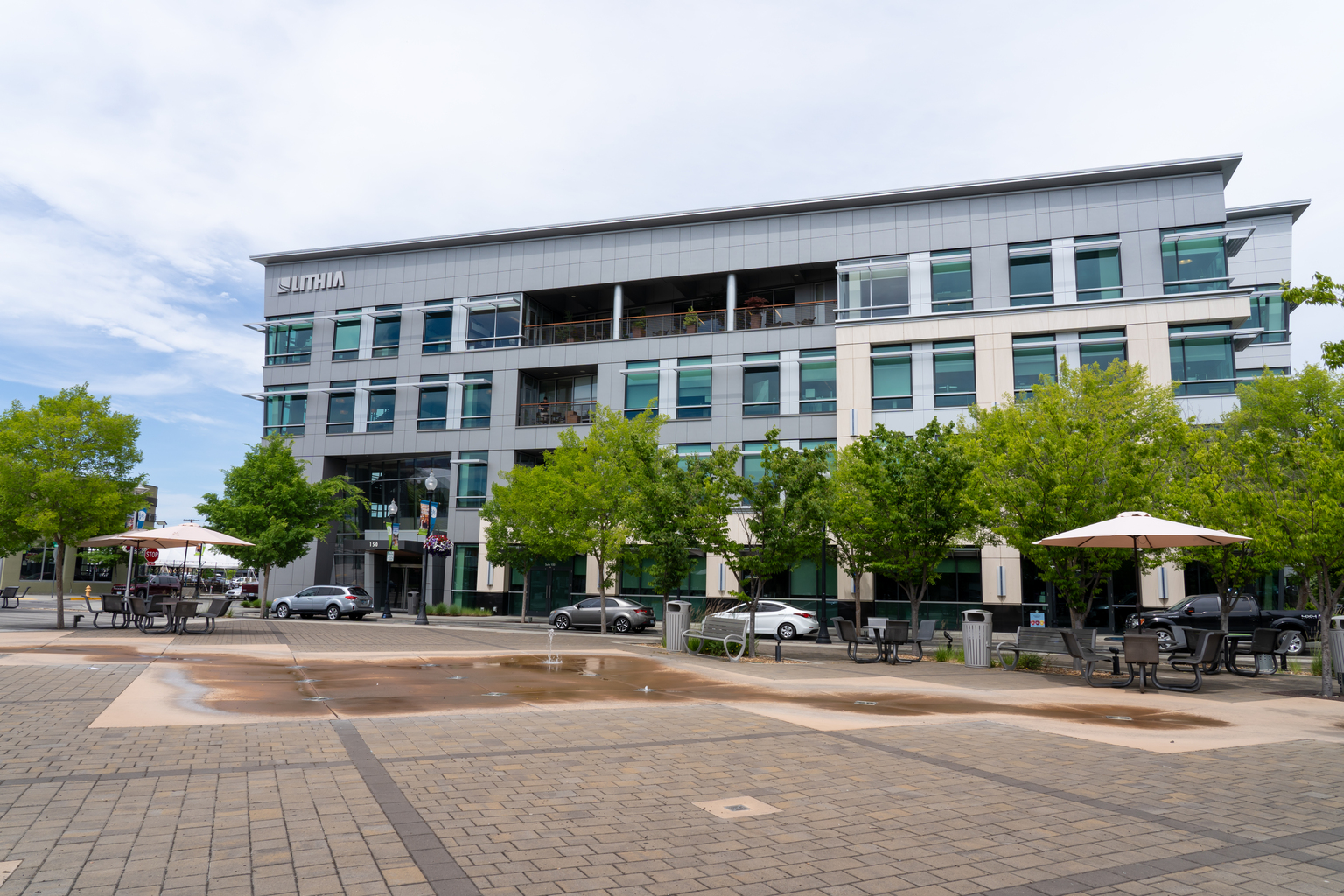
NVIDIA Partners with Multiple Companies to Build Next-Gen Wireless Networks
Written by Emily J. Thompson, Senior Investment Analyst
Updated: Mar 01 2026
0mins
Should l Buy NVDA?
NVIDIA (NVDA) announced a commitment, together with Booz Allen (BAH), BT Group, Cisco (CSCO), Deutsche Telekom (DTEGY), Ericsson (ERIC), MITRE, Nokia (NOK), OCUDU Ecosystem Foundation, ODC, SK Telecom (SKM), SoftBank (SFTBY) and T-Mobile (TMUS), to build the world's next generation of wireless networks on AI-native, open, secure platforms. "AI is redefining computing and driving the largest infrastructure buildout in human history - and telecommunications is next," said Jensen Huang, founder and CEO of NVIDIA. "Together with a global coalition of industry leaders, NVIDIA is building AI-RAN to transform the world's telecom networks into AI infrastructure everywhere."
Trade with 70% Backtested Accuracy
Stop guessing "Should I Buy NVDA?" and start using high-conviction signals backed by rigorous historical data.
Sign up today to access powerful investing tools and make smarter, data-driven decisions.
Analyst Views on NVDA
Wall Street analysts forecast NVDA stock price to rise
41 Analyst Rating
39 Buy
1 Hold
1 Sell
Strong Buy
Current: 202.060

Low
200.00
Averages
264.97
High
352.00
Current: 202.060
Low
200.00
Averages
264.97
High
352.00
About NVDA
NVIDIA Corporation is an artificial intelligence (AI) infrastructure company. The Company is engaged in accelerated computing to help solve the challenging computational problems. Its segments include Compute & Networking and Graphics. The Compute & Networking segment includes its Data Center accelerated computing and networking platforms and AI solutions and software, and automotive platforms and autonomous and electric vehicle solutions, including software. The Graphics segment includes GeForce GPUs for gaming and personal computers (PCs), and Quadro/NVIDIA RTX GPUs for enterprise workstation graphics. Its technology stack includes the foundational NVIDIA CUDA development platform that runs on all NVIDIA GPUs, as well as hundreds of domain-specific software libraries, frameworks, algorithms, software development kits (SDKs), and application programming interfaces (APIs). Its platforms address four markets, which include Data Center, Gaming, Professional Visualization, and Automotive.
About the author

Emily J. Thompson
Emily J. Thompson, a Chartered Financial Analyst (CFA) with 12 years in investment research, graduated with honors from the Wharton School. Specializing in industrial and technology stocks, she provides in-depth analysis for Intellectia’s earnings and market brief reports.

Nvidia Set to Release Q1 2027 Fiscal Results Amid AI Dominance

- Earnings Forecast: Nvidia anticipates Q1 2027 sales of $78 billion, representing a 77% increase year-over-year, with a projected gross margin of 74.9%, indicating robust market demand and profitability.
- Competitive Advantage: Despite increasing external competition, Nvidia's GPUs maintain clear advantages in computational power, and persistent GPU scarcity allows the company to sell hardware at premium prices, solidifying its market position in enterprise data centers.
- Stock Volatility: Historical data shows that Nvidia's stock typically declines after earnings releases, with five out of the last seven quarters experiencing a drop, averaging a 3% loss, reflecting overly optimistic market expectations.
- Investor Caution: While Nvidia's results often exceed analyst forecasts, the optimistic sentiment surrounding AI technology may pose bubble risks, prompting investors to carefully consider their investment decisions following the earnings report.
See More
AI Startup Cursor in Talks for $2B Fundraising at $50B Valuation
- Fundraising Plans: AI startup Cursor is in discussions to raise a $2 billion funding round, with an expected valuation exceeding $50 billion, which will further propel its market expansion and technological innovation.
- Investor Lineup: Andreessen Horowitz is set to co-lead this funding round, with Nvidia and Thrive Capital also expected to participate, reflecting strong confidence in Cursor's future growth from these previously involved investors.
- Historical Funding Review: Last November, Cursor raised approximately $2.3 billion in a Series D funding round, achieving a post-money valuation of $29.3 billion, attracting existing investors like Accel, Thrive, and Andreessen Horowitz, along with new partners such as Coatue, Nvidia, and Alphabet.
- Technology Updates: In February, Cursor released various updates aimed at assisting software developers, including enabling AI agents to test coding changes and record their actions through videos, logs, and screenshots, thereby enhancing development efficiency.
See More
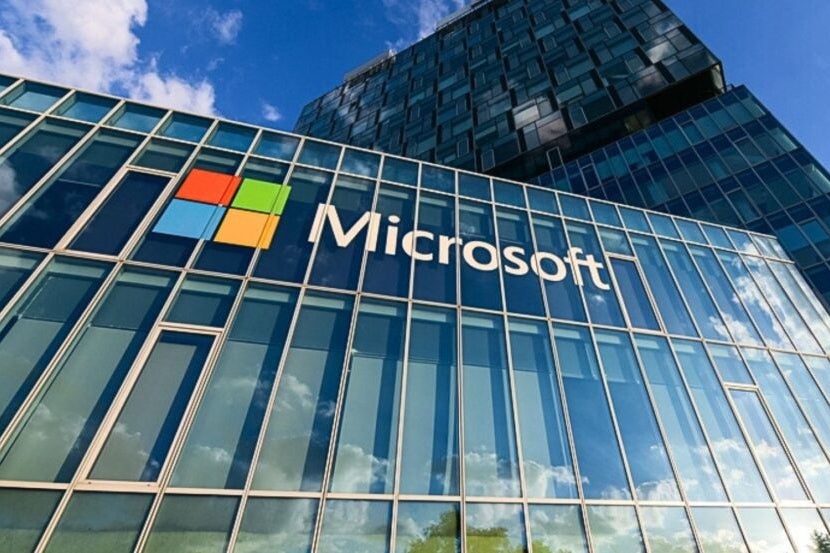
World's First Commercial Fusion Plant Construction Set for 2027

- Fusion Plant Construction: The U.S. is set to begin construction of the world's first commercial fusion power plant in 2027, with power generation expected in the early 2030s, marking a significant step towards the commercialization of fusion energy.
- Financial Backing: Commonwealth Fusion Systems has raised approximately $3 billion in private funding, making it the most financed fusion company to date, reflecting strong market confidence in fusion technology.
- Technological Progress: The demonstration fusion machine in Massachusetts is over 75% complete and is expected to be operational by 2027, after which construction of a 400-megawatt plant in Virginia will rapidly proceed, aiding the transition of the U.S. energy landscape.
- Policy Support: The Trump administration is investing in key technology firms, with Mumgaard appointed to the Council of Advisors on Science and Technology, indicating a governmental focus on emerging energy sources like fusion.
See More

Dell Couple Donates $750 Million to University of Texas Medical Center
- Major Donation: The Dells announced a $750 million commitment to the University of Texas at Austin for a new medical center and research campus, marking one of the largest donations ever to a public university in the U.S., reflecting their deep commitment to education and healthcare.
- Medical Center Development: The new medical center will integrate artificial intelligence and advanced computing to provide earlier and more precise patient treatments, with an expected opening in 2030, significantly enhancing healthcare capabilities in the Austin area and attracting more medical talent.
- Historical Connection: Dell founded his technology company at UT Austin in 1984, and this donation is seen as a way to give back to his alma mater, emphasizing his commitment to education and support for his hometown, further solidifying his ties to Austin.
- Philanthropic Commitment: The Dells have contributed over $10 billion in total charitable donations, including a recent commitment of $6.25 billion to fund
See More

Nvidia Stock Outlook: Potential for Sixfold Growth
- Historical Price Review: On June 7, 2024, Nvidia's stock closed at $1,200 per share, subsequently executing a 10-for-1 stock split, opening at $120, with market cap soaring from approximately $3 trillion to $4.9 trillion, and shares rising over 67%.
- Future Growth Expectations: Wall Street anticipates Nvidia's revenue will reach about $370 billion in fiscal 2027, up from $215.9 billion in fiscal 2026, and if these targets are met, shares could plausibly double in the coming years, nearing $400.
- Growth Rate Analysis: To achieve a sixfold increase in stock price over 25 years, Nvidia would need to maintain a 7.5% compound annual growth rate, a target that is historically below the average for the S&P 500, indicating significant future growth challenges.
- Market Environment Impact: Although Nvidia has achieved nearly 70% annualized growth over the past five years, future growth will face more difficulties as market size expands, particularly as chip sales slow, which could compress the stock's valuation multiple.
See More

D-Wave Quantum Presents New Investment Opportunity Amidst Recent Stock Dip
- Significant Revenue Growth: D-Wave's revenue surged by 179% and gross profit by 265% in 2025, indicating robust development in the quantum computing sector, although profitability remains a challenge.
- Booking Surge: The company experienced a 471% increase in customer contract bookings in 2025, with Q1 2026 bookings exceeding $32 million, nearly $8 million more than last year's total revenue, reflecting strong market demand.
- Liquidity Advantage: D-Wave ended 2025 with over $884 million in liquidity, the highest in its history, providing substantial financial support for future investments and expansion.
- Optimistic Market Outlook: Despite not yet being profitable and trading at an enterprise-value-to-revenue ratio near 280, Wall Street remains optimistic about D-Wave's long-term growth potential, viewing the recent stock dip as a compelling entry point for patient investors.
See More
Nvidia Set to Release Q1 2027 Fiscal Results Amid AI Dominance
- Earnings Forecast: Nvidia anticipates Q1 2027 sales of $78 billion, representing a 77% increase year-over-year, with a projected gross margin of 74.9%, indicating robust market demand and profitability.
- Competitive Advantage: Despite increasing external competition, Nvidia's GPUs maintain clear advantages in computational power, and persistent GPU scarcity allows the company to sell hardware at premium prices, solidifying its market position in enterprise data centers.
- Stock Volatility: Historical data shows that Nvidia's stock typically declines after earnings releases, with five out of the last seven quarters experiencing a drop, averaging a 3% loss, reflecting overly optimistic market expectations.
- Investor Caution: While Nvidia's results often exceed analyst forecasts, the optimistic sentiment surrounding AI technology may pose bubble risks, prompting investors to carefully consider their investment decisions following the earnings report.
See More
AI Startup Cursor in Talks for $2B Fundraising at $50B Valuation
- Fundraising Plans: AI startup Cursor is in discussions to raise a $2 billion funding round, with an expected valuation exceeding $50 billion, which will further propel its market expansion and technological innovation.
- Investor Lineup: Andreessen Horowitz is set to co-lead this funding round, with Nvidia and Thrive Capital also expected to participate, reflecting strong confidence in Cursor's future growth from these previously involved investors.
- Historical Funding Review: Last November, Cursor raised approximately $2.3 billion in a Series D funding round, achieving a post-money valuation of $29.3 billion, attracting existing investors like Accel, Thrive, and Andreessen Horowitz, along with new partners such as Coatue, Nvidia, and Alphabet.
- Technology Updates: In February, Cursor released various updates aimed at assisting software developers, including enabling AI agents to test coding changes and record their actions through videos, logs, and screenshots, thereby enhancing development efficiency.
See More
World's First Commercial Fusion Plant Construction Set for 2027
- Fusion Plant Construction: The U.S. is set to begin construction of the world's first commercial fusion power plant in 2027, with power generation expected in the early 2030s, marking a significant step towards the commercialization of fusion energy.
- Financial Backing: Commonwealth Fusion Systems has raised approximately $3 billion in private funding, making it the most financed fusion company to date, reflecting strong market confidence in fusion technology.
- Technological Progress: The demonstration fusion machine in Massachusetts is over 75% complete and is expected to be operational by 2027, after which construction of a 400-megawatt plant in Virginia will rapidly proceed, aiding the transition of the U.S. energy landscape.
- Policy Support: The Trump administration is investing in key technology firms, with Mumgaard appointed to the Council of Advisors on Science and Technology, indicating a governmental focus on emerging energy sources like fusion.
See More
Dell Couple Donates $750 Million to University of Texas Medical Center
- Major Donation: The Dells announced a $750 million commitment to the University of Texas at Austin for a new medical center and research campus, marking one of the largest donations ever to a public university in the U.S., reflecting their deep commitment to education and healthcare.
- Medical Center Development: The new medical center will integrate artificial intelligence and advanced computing to provide earlier and more precise patient treatments, with an expected opening in 2030, significantly enhancing healthcare capabilities in the Austin area and attracting more medical talent.
- Historical Connection: Dell founded his technology company at UT Austin in 1984, and this donation is seen as a way to give back to his alma mater, emphasizing his commitment to education and support for his hometown, further solidifying his ties to Austin.
- Philanthropic Commitment: The Dells have contributed over $10 billion in total charitable donations, including a recent commitment of $6.25 billion to fund
See More
Nvidia Stock Outlook: Potential for Sixfold Growth
- Historical Price Review: On June 7, 2024, Nvidia's stock closed at $1,200 per share, subsequently executing a 10-for-1 stock split, opening at $120, with market cap soaring from approximately $3 trillion to $4.9 trillion, and shares rising over 67%.
- Future Growth Expectations: Wall Street anticipates Nvidia's revenue will reach about $370 billion in fiscal 2027, up from $215.9 billion in fiscal 2026, and if these targets are met, shares could plausibly double in the coming years, nearing $400.
- Growth Rate Analysis: To achieve a sixfold increase in stock price over 25 years, Nvidia would need to maintain a 7.5% compound annual growth rate, a target that is historically below the average for the S&P 500, indicating significant future growth challenges.
- Market Environment Impact: Although Nvidia has achieved nearly 70% annualized growth over the past five years, future growth will face more difficulties as market size expands, particularly as chip sales slow, which could compress the stock's valuation multiple.
See More
D-Wave Quantum Presents New Investment Opportunity Amidst Recent Stock Dip
- Significant Revenue Growth: D-Wave's revenue surged by 179% and gross profit by 265% in 2025, indicating robust development in the quantum computing sector, although profitability remains a challenge.
- Booking Surge: The company experienced a 471% increase in customer contract bookings in 2025, with Q1 2026 bookings exceeding $32 million, nearly $8 million more than last year's total revenue, reflecting strong market demand.
- Liquidity Advantage: D-Wave ended 2025 with over $884 million in liquidity, the highest in its history, providing substantial financial support for future investments and expansion.
- Optimistic Market Outlook: Despite not yet being profitable and trading at an enterprise-value-to-revenue ratio near 280, Wall Street remains optimistic about D-Wave's long-term growth potential, viewing the recent stock dip as a compelling entry point for patient investors.
See More