Nvidia CEO Jensen Huang Claims AI Will Create Six-Figure Salaries, Advocates Vocational Training
Written by Emily J. Thompson, Senior Investment Analyst
Updated: Jan 22 2026
0mins


Source: CNBC
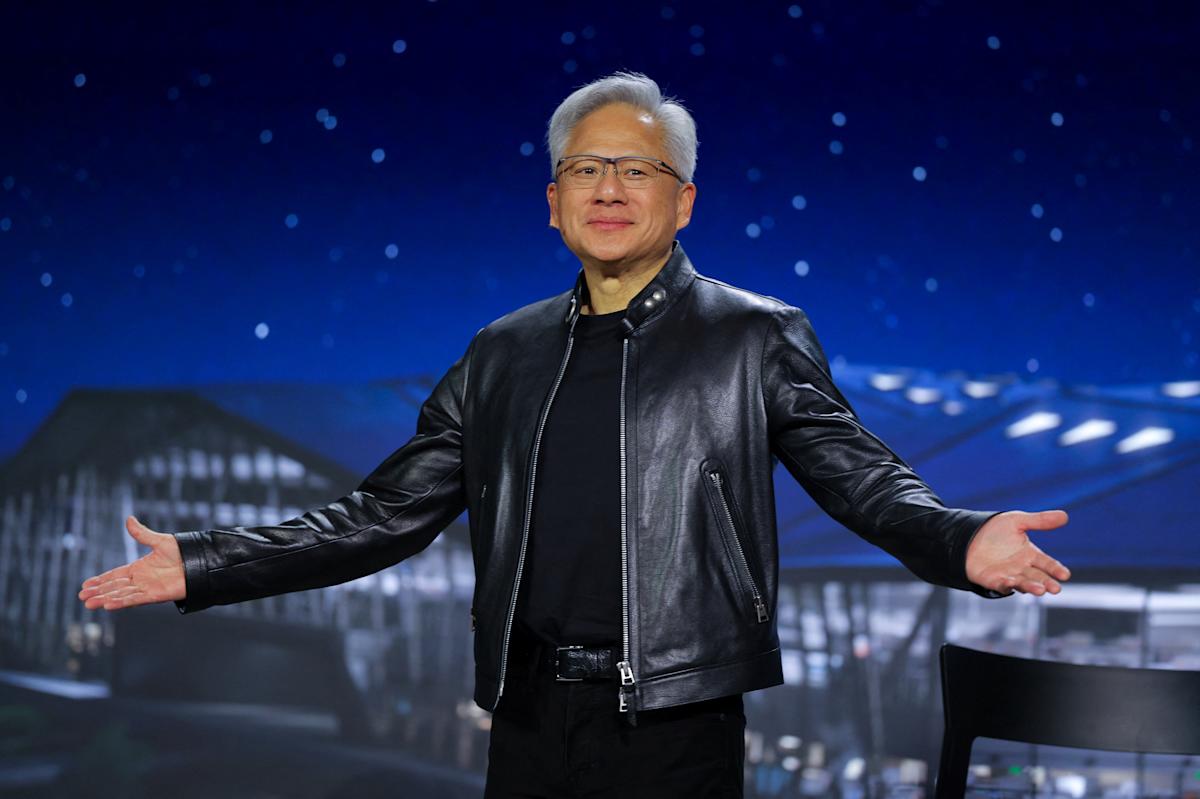
- Importance of Vocational Training: Nvidia CEO Jensen Huang emphasized at the World Economic Forum that the AI boom will create numerous six-figure salary opportunities, particularly in construction, technology, and manufacturing, highlighting the significance of vocational training for the youth.
- Increased Appeal of Blue-Collar Jobs: Data from 2025 shows that Gen Z accounted for nearly 25% of new hires in skilled trades, indicating a growing interest in high-paying jobs among young people, especially against the backdrop of rising college tuition costs.
- Strong Industry Demand: Roxana Mînzatu from the European Commission stated that the semiconductor industry is seeking 75,000 vocationally trained individuals, indicating a rising market demand for blue-collar positions, which are relatively safe from automation.
- Impact of AI on Job Market: While AI is projected to contribute to approximately 55,000 layoffs in the U.S. by 2025, Huang remains optimistic about blue-collar jobs, viewing them as a cornerstone of the future job market.
Trade with 70% Backtested Accuracy
Stop guessing "Should I Buy NVDA?" and start using high-conviction signals backed by rigorous historical data.
Sign up today to access powerful investing tools and make smarter, data-driven decisions.
Analyst Views on NVDA
Wall Street analysts forecast NVDA stock price to rise
41 Analyst Rating
39 Buy
1 Hold
1 Sell
Strong Buy
Current: 219.510

Low
200.00
Averages
264.97
High
352.00
Current: 219.510
Low
200.00
Averages
264.97
High
352.00
About NVDA
NVIDIA Corporation is an artificial intelligence (AI) infrastructure company. The Company is engaged in accelerated computing to help solve the challenging computational problems. Its segments include Compute & Networking and Graphics. The Compute & Networking segment includes its Data Center accelerated computing and networking platforms and AI solutions and software, and automotive platforms and autonomous and electric vehicle solutions, including software. The Graphics segment includes GeForce GPUs for gaming and personal computers (PCs), and Quadro/NVIDIA RTX GPUs for enterprise workstation graphics. Its technology stack includes the foundational NVIDIA CUDA development platform that runs on all NVIDIA GPUs, as well as hundreds of domain-specific software libraries, frameworks, algorithms, software development kits (SDKs), and application programming interfaces (APIs). Its platforms address four markets, which include Data Center, Gaming, Professional Visualization, and Automotive.
About the author

Emily J. Thompson
Emily J. Thompson, a Chartered Financial Analyst (CFA) with 12 years in investment research, graduated with honors from the Wharton School. Specializing in industrial and technology stocks, she provides in-depth analysis for Intellectia’s earnings and market brief reports.

SpaceX IPO Expected to Be Largest in History

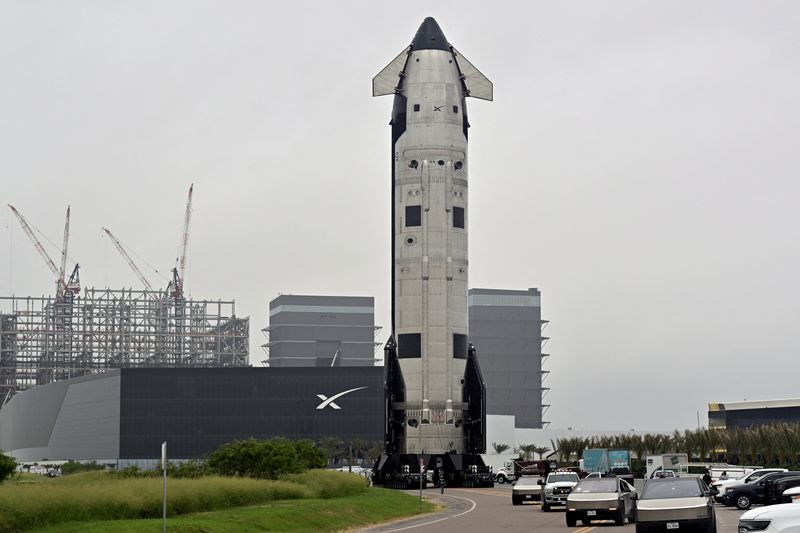
- Massive Capital Raise: SpaceX aims to raise approximately $75 billion through its IPO, with a valuation between $1.75 trillion and $2 trillion, positioning it as potentially the largest IPO in history and attracting significant investor interest.
- Infrastructure Supplier Dependence: While SpaceX's IPO garners attention, history indicates that infrastructure suppliers like Nvidia often achieve higher long-term returns, highlighting the market's ongoing demand for essential technology support.
- Clear Funding Utilization: The IPO proceeds will be directed towards expanding the Starlink network, enhancing Starship reusability, and designing data centers that could be deployed in orbit, all of which require substantial GPU support, thereby reinforcing the partnership with Nvidia.
- Expected Market Volatility: SpaceX stock is anticipated to experience typical post-IPO volatility, particularly after lock-up periods expire when insiders may begin to take profits, while Nvidia could benefit from the influx of capital due to its dominant position in AI infrastructure.
See More

Analysis of Utility ETF Investment Strategies
- Utility ETF Overview: The Vanguard Utilities Index Fund ETF (VPU) offers broader mid and small-cap utility investment options at a 0.09% expense ratio for buy-and-hold income investors, having risen about 10% over the past year, indicating stable income potential.
- Liquidity Standard: The Utilities Select Sector SPDR Fund (XLU) is the default choice as it tracks the S&P 500 utilities sector, featuring 14% in NextEra Energy and about 7% in Southern and Duke Energy, with an expense ratio of 0.08% and a yield of approximately 2.6%, making it suitable for liquidity-focused investors.
- Low-Cost Option: The Fidelity MSCI Utilities Index ETF (FUTY) provides a low-cost option for Fidelity account holders with a 0.084% expense ratio and commission-free trading, also rising about 10% over the past year, though it has a smaller asset base and lower liquidity compared to the others.
- Investment Decision Tree: For investors prioritizing liquidity and institutional-quality execution, XLU is the standard; for long-term holders seeking broad utility exposure at the lowest cost, VPU is the pick, while FUTY is ideal for Fidelity clients looking for a permanent allocation.
See More
Nvidia CEO Urges Super Micro to Enhance Compliance

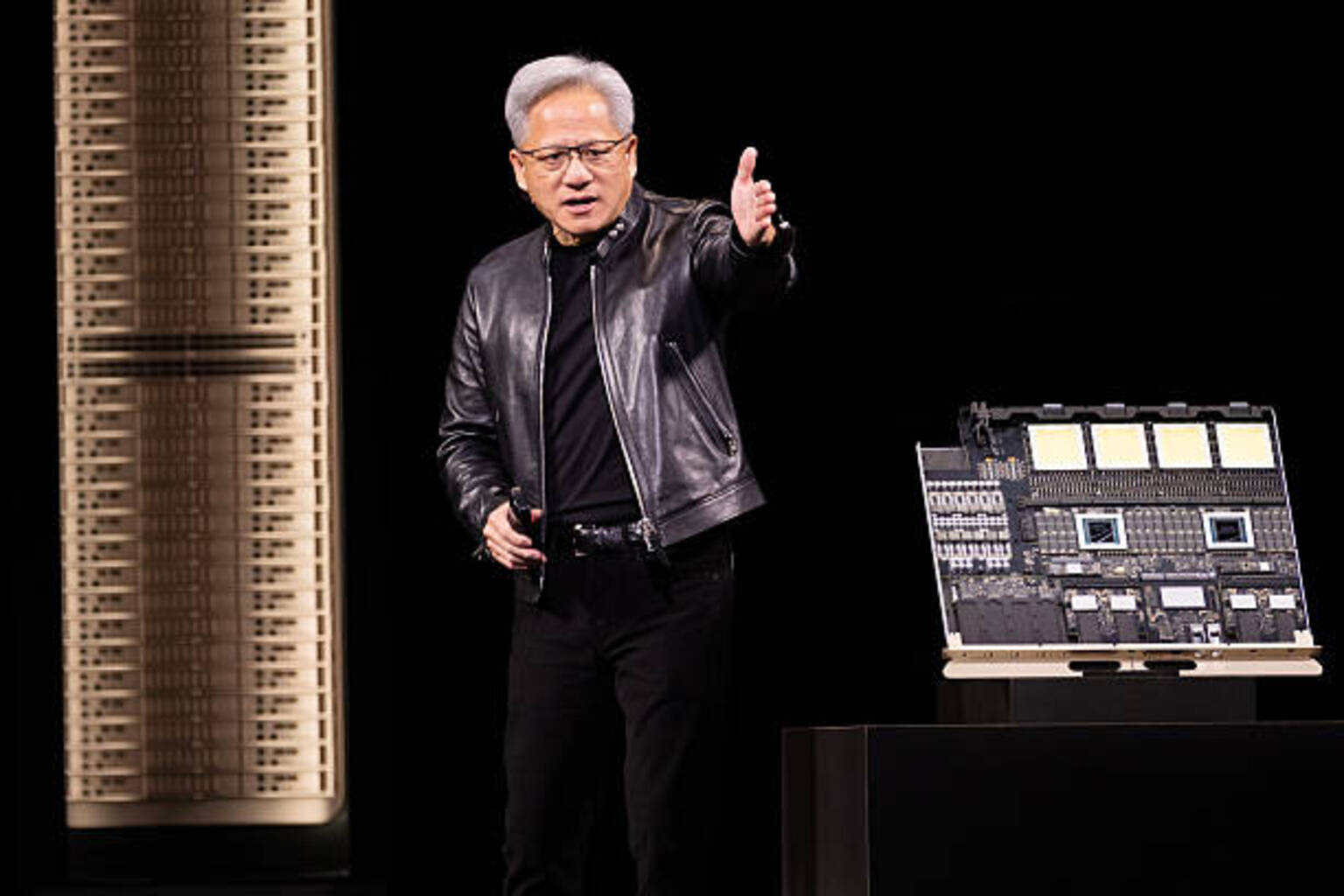
- Compliance Urgency: Nvidia CEO Jensen Huang urged Super Micro Computer to enhance compliance measures in Taipei to avoid legal issues stemming from alleged fraudulent declarations, highlighting the importance of regulatory adherence among partners.
- Legal Investigation Context: Taiwanese prosecutors are investigating three individuals for allegedly illegally exporting high-end AI servers containing Nvidia chips to China, violating U.S. trade rules, reflecting the complexities and risks in the international trade environment.
- Super Micro's Commitment: Super Micro Computer stated its commitment to collaborating with industry partners to protect advanced U.S. technologies and intellectual property while further strengthening its global trade compliance program, aiming to enhance its credibility and compliance capabilities in the global market.
- Historical Context: The U.S. Justice Department previously charged three individuals linked to Super Micro Computer for assisting in the smuggling of at least $2.5 billion worth of U.S. AI technology, underscoring the potential legal risks the company faces in international trade.
See More
Huawei's High-End Chips to Reach 1.4nm by 2031

- Chip Technology Breakthrough: Huawei announced that its high-end chips are expected to achieve a transistor density of 1.4nm by 2031, marking a significant effort by China to overcome U.S. sanctions, which could enhance its competitiveness in the global semiconductor market.
- New Guiding Principle: At the 2026 IEEE International Symposium on Circuits and Systems, Huawei introduced the τ Scaling Law, aimed at replacing traditional geometric scaling to drive the ongoing evolution of semiconductors and electronic systems, showcasing Huawei's forward-thinking in technological innovation.
- Logic Folding Architecture: The Kirin chips set to launch this year will be the first to adopt the Logic Folding architecture, which is expected to significantly enhance chip performance, further solidifying Huawei's position in the AI chip market, especially against the backdrop of strong demand for local alternatives in China.
- Surging Market Demand: Huawei anticipates a revenue surge of at least 60% from its AI chips this year, driven by strong demand for the Ascend 950PR processor from Chinese companies, reflecting Huawei's rapid rise in the global AI semiconductor market.
See More
SpaceX Aims for Record-Breaking IPO of $75 Billion
- Massive IPO Scale: SpaceX is targeting a capital raise of approximately $75 billion, with a valuation between $1.75 trillion and $2 trillion, potentially marking the largest IPO in history and drawing significant investor interest.
- Supplier Benefits: The capital influx associated with SpaceX's IPO is expected to benefit infrastructure suppliers like Nvidia, which is poised to receive substantial orders to support SpaceX's advanced computing needs, further solidifying its market position.
- Technological Dependency: Despite SpaceX's investment in developing its own silicon, it will continue to purchase Nvidia hardware at scale, highlighting its reliance on cutting-edge GPU architectures, which will drive growth in Nvidia's data center chip business.
- Long-Term Investment Opportunity: SpaceX's IPO will serve as another catalyst for Nvidia, and as investments in AI infrastructure accelerate, Nvidia's competitive advantages are expected to strengthen, providing investors with the potential for sustained growth over the coming years.
See More

Alphabet's Stock Soars 130%, Attracting Investor Attention


- Significant Revenue Growth: Alphabet's Q1 revenue surged 22% year-over-year to $109.9 billion, exceeding Wall Street expectations, showcasing the company's strong performance in the AI sector and further solidifying its market position.
- Robust Cloud Business: Google Cloud's revenue skyrocketed 63% year-over-year, with customer backlogs reaching $462 billion, nearly doubling from three months prior, indicating sustained demand for AI products and services that will drive future growth.
- Capital Expenditure Risks: Alphabet's capital expenditures totaled $91 billion in 2025, with projections for 2026 ranging from $180 billion to $190 billion, highlighting the company's aggressive investment in AI infrastructure while raising concerns about long-term returns.
- Attractive Valuation: Although Alphabet's P/E ratio stands at 29.6, a 62% increase from last year, analysts project its earnings per share to grow at a nearly 17% compound annual rate from 2025 to 2028, reflecting investor confidence in the company's future.
See More
SpaceX IPO Expected to Be Largest in History
- Massive Capital Raise: SpaceX aims to raise approximately $75 billion through its IPO, with a valuation between $1.75 trillion and $2 trillion, positioning it as potentially the largest IPO in history and attracting significant investor interest.
- Infrastructure Supplier Dependence: While SpaceX's IPO garners attention, history indicates that infrastructure suppliers like Nvidia often achieve higher long-term returns, highlighting the market's ongoing demand for essential technology support.
- Clear Funding Utilization: The IPO proceeds will be directed towards expanding the Starlink network, enhancing Starship reusability, and designing data centers that could be deployed in orbit, all of which require substantial GPU support, thereby reinforcing the partnership with Nvidia.
- Expected Market Volatility: SpaceX stock is anticipated to experience typical post-IPO volatility, particularly after lock-up periods expire when insiders may begin to take profits, while Nvidia could benefit from the influx of capital due to its dominant position in AI infrastructure.
See More
Analysis of Utility ETF Investment Strategies
- Utility ETF Overview: The Vanguard Utilities Index Fund ETF (VPU) offers broader mid and small-cap utility investment options at a 0.09% expense ratio for buy-and-hold income investors, having risen about 10% over the past year, indicating stable income potential.
- Liquidity Standard: The Utilities Select Sector SPDR Fund (XLU) is the default choice as it tracks the S&P 500 utilities sector, featuring 14% in NextEra Energy and about 7% in Southern and Duke Energy, with an expense ratio of 0.08% and a yield of approximately 2.6%, making it suitable for liquidity-focused investors.
- Low-Cost Option: The Fidelity MSCI Utilities Index ETF (FUTY) provides a low-cost option for Fidelity account holders with a 0.084% expense ratio and commission-free trading, also rising about 10% over the past year, though it has a smaller asset base and lower liquidity compared to the others.
- Investment Decision Tree: For investors prioritizing liquidity and institutional-quality execution, XLU is the standard; for long-term holders seeking broad utility exposure at the lowest cost, VPU is the pick, while FUTY is ideal for Fidelity clients looking for a permanent allocation.
See More
Nvidia CEO Urges Super Micro to Enhance Compliance
- Compliance Urgency: Nvidia CEO Jensen Huang urged Super Micro Computer to enhance compliance measures in Taipei to avoid legal issues stemming from alleged fraudulent declarations, highlighting the importance of regulatory adherence among partners.
- Legal Investigation Context: Taiwanese prosecutors are investigating three individuals for allegedly illegally exporting high-end AI servers containing Nvidia chips to China, violating U.S. trade rules, reflecting the complexities and risks in the international trade environment.
- Super Micro's Commitment: Super Micro Computer stated its commitment to collaborating with industry partners to protect advanced U.S. technologies and intellectual property while further strengthening its global trade compliance program, aiming to enhance its credibility and compliance capabilities in the global market.
- Historical Context: The U.S. Justice Department previously charged three individuals linked to Super Micro Computer for assisting in the smuggling of at least $2.5 billion worth of U.S. AI technology, underscoring the potential legal risks the company faces in international trade.
See More
Huawei's High-End Chips to Reach 1.4nm by 2031
- Chip Technology Breakthrough: Huawei announced that its high-end chips are expected to achieve a transistor density of 1.4nm by 2031, marking a significant effort by China to overcome U.S. sanctions, which could enhance its competitiveness in the global semiconductor market.
- New Guiding Principle: At the 2026 IEEE International Symposium on Circuits and Systems, Huawei introduced the τ Scaling Law, aimed at replacing traditional geometric scaling to drive the ongoing evolution of semiconductors and electronic systems, showcasing Huawei's forward-thinking in technological innovation.
- Logic Folding Architecture: The Kirin chips set to launch this year will be the first to adopt the Logic Folding architecture, which is expected to significantly enhance chip performance, further solidifying Huawei's position in the AI chip market, especially against the backdrop of strong demand for local alternatives in China.
- Surging Market Demand: Huawei anticipates a revenue surge of at least 60% from its AI chips this year, driven by strong demand for the Ascend 950PR processor from Chinese companies, reflecting Huawei's rapid rise in the global AI semiconductor market.
See More
SpaceX Aims for Record-Breaking IPO of $75 Billion
- Massive IPO Scale: SpaceX is targeting a capital raise of approximately $75 billion, with a valuation between $1.75 trillion and $2 trillion, potentially marking the largest IPO in history and drawing significant investor interest.
- Supplier Benefits: The capital influx associated with SpaceX's IPO is expected to benefit infrastructure suppliers like Nvidia, which is poised to receive substantial orders to support SpaceX's advanced computing needs, further solidifying its market position.
- Technological Dependency: Despite SpaceX's investment in developing its own silicon, it will continue to purchase Nvidia hardware at scale, highlighting its reliance on cutting-edge GPU architectures, which will drive growth in Nvidia's data center chip business.
- Long-Term Investment Opportunity: SpaceX's IPO will serve as another catalyst for Nvidia, and as investments in AI infrastructure accelerate, Nvidia's competitive advantages are expected to strengthen, providing investors with the potential for sustained growth over the coming years.
See More
Alphabet's Stock Soars 130%, Attracting Investor Attention
- Significant Revenue Growth: Alphabet's Q1 revenue surged 22% year-over-year to $109.9 billion, exceeding Wall Street expectations, showcasing the company's strong performance in the AI sector and further solidifying its market position.
- Robust Cloud Business: Google Cloud's revenue skyrocketed 63% year-over-year, with customer backlogs reaching $462 billion, nearly doubling from three months prior, indicating sustained demand for AI products and services that will drive future growth.
- Capital Expenditure Risks: Alphabet's capital expenditures totaled $91 billion in 2025, with projections for 2026 ranging from $180 billion to $190 billion, highlighting the company's aggressive investment in AI infrastructure while raising concerns about long-term returns.
- Attractive Valuation: Although Alphabet's P/E ratio stands at 29.6, a 62% increase from last year, analysts project its earnings per share to grow at a nearly 17% compound annual rate from 2025 to 2028, reflecting investor confidence in the company's future.
See More