Nvidia CEO Declares Taiwan as the Epicenter of AI Revolution
Written by Emily J. Thompson, Senior Investment Analyst
Updated: 54 minutes ago
0mins
Source: Newsfilter
- AI Revolution Hub: Nvidia CEO Jensen Huang stated at a Taipei launch event that Taiwan is the 'epicenter' of the global AI revolution, which not only elevates Taiwan's status in the tech industry but may also attract further investments and technological collaborations.
- Headquarters Construction: Huang announced that Nvidia will break ground on its Taiwan headquarters this year, with plans to be operational by 2030, a move that will further solidify Nvidia's market influence in the Asia-Pacific region.
- Technology Manufacturing Hub: He emphasized that Taiwan will remain a global technology manufacturing hub for a long time, a statement that could encourage other tech companies to establish R&D and production bases in Taiwan, thereby boosting local economic development.
- Future Outlook: Nvidia's investment plans not only demonstrate confidence in the Taiwanese market but also highlight the company's focus on the future of AI technology, indicating that Taiwan's role in the global tech ecosystem will continue to strengthen.
Trade with 70% Backtested Accuracy
Stop guessing "Should I Buy NVDA?" and start using high-conviction signals backed by rigorous historical data.
Sign up today to access powerful investing tools and make smarter, data-driven decisions.
Analyst Views on NVDA
Wall Street analysts forecast NVDA stock price to rise
41 Analyst Rating
39 Buy
1 Hold
1 Sell
Strong Buy
Current: 215.330

Low
200.00
Averages
264.97
High
352.00
Current: 215.330
Low
200.00
Averages
264.97
High
352.00
About NVDA
NVIDIA Corporation is an artificial intelligence (AI) infrastructure company. The Company is engaged in accelerated computing to help solve the challenging computational problems. Its segments include Compute & Networking and Graphics. The Compute & Networking segment includes its Data Center accelerated computing and networking platforms and AI solutions and software, and automotive platforms and autonomous and electric vehicle solutions, including software. The Graphics segment includes GeForce GPUs for gaming and personal computers (PCs), and Quadro/NVIDIA RTX GPUs for enterprise workstation graphics. Its technology stack includes the foundational NVIDIA CUDA development platform that runs on all NVIDIA GPUs, as well as hundreds of domain-specific software libraries, frameworks, algorithms, software development kits (SDKs), and application programming interfaces (APIs). Its platforms address four markets, which include Data Center, Gaming, Professional Visualization, and Automotive.
About the author

Emily J. Thompson
Emily J. Thompson, a Chartered Financial Analyst (CFA) with 12 years in investment research, graduated with honors from the Wharton School. Specializing in industrial and technology stocks, she provides in-depth analysis for Intellectia’s earnings and market brief reports.

Nvidia's Strong Earnings Mask Underlying Concerns

- Significant Revenue Growth: Nvidia reported an 85% revenue growth in Q1 of Fiscal 2027, surpassing the previous quarter's 73%, indicating strong demand for its AI chips; however, market concerns about future growth expectations have emerged.
- Increased Competition Risks: The company warned in its earnings report that some customers are developing their own ASICs and other products, which could erode Nvidia's market share and margins, raising investor concerns about future profitability.
- Stock Price Volatility Reasons: Despite a strong earnings report, Nvidia's stock fell by 0.88% post-release, reflecting that investor uncertainty about future growth may outweigh current performance metrics.
- Valuation Controversy: With a market cap of $5.2 trillion, Nvidia appears expensive, yet its forward P/E ratio of 25 suggests it could be undervalued; however, any slowdown in tech spending or increased competition could impact earnings projections, necessitating cautious investor sentiment.
See More
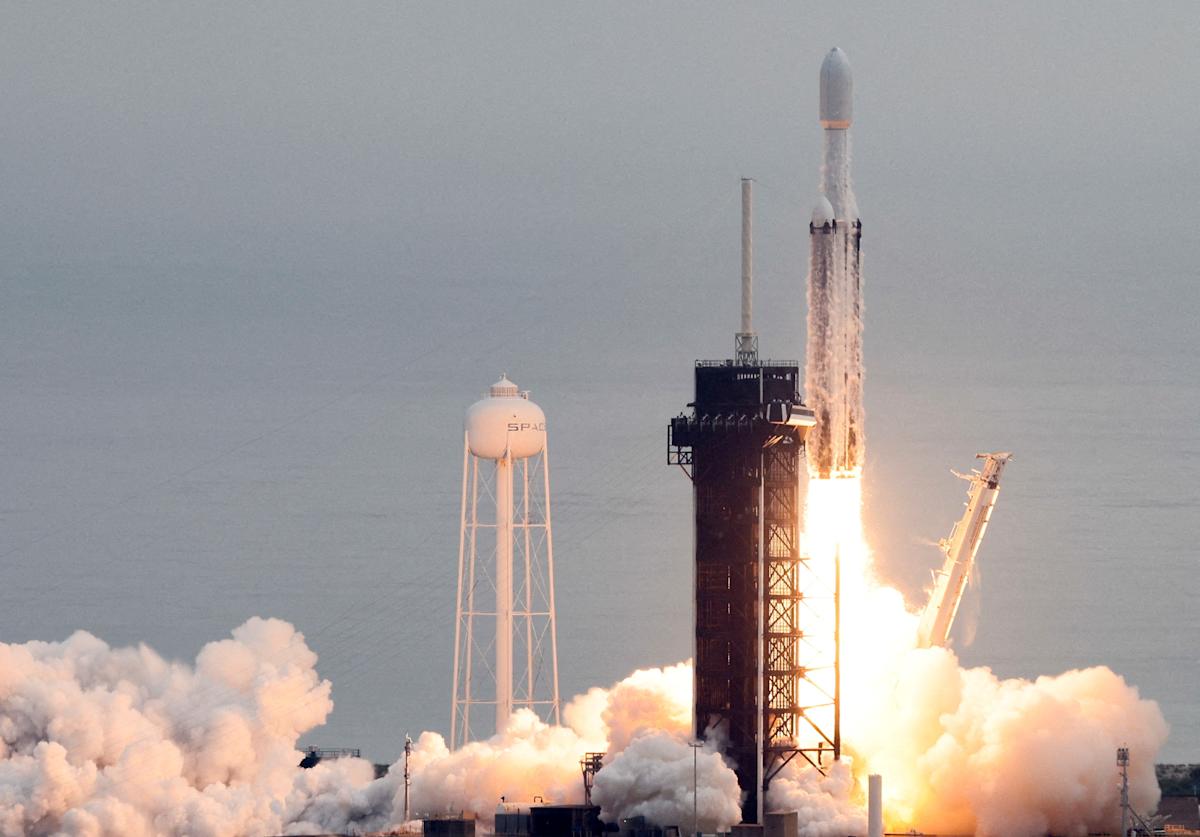
SpaceX IPO Sparks Tech Stock Rally
- SpaceX IPO Outlook: SpaceX filed its S-1 IPO prospectus seeking a $2 trillion valuation, showcasing its ambitions in AI infrastructure and interstellar travel, which is expected to attract investor interest in tech themes.
- Intensifying AI Competition: OpenAI and Anthropic are also reportedly planning to file for IPOs in the coming weeks, which is likely to further fuel the AI trading frenzy and create a new competitive landscape in the market.
- Nvidia Earnings Boost: Nvidia's quarterly results last week exceeded Wall Street expectations and provided an optimistic second-quarter outlook, offering strong support for AI-related stocks and boosting investor confidence.
- Positive Market Reaction: As several tech companies report earnings this week, investors are optimistic about future profit expectations, particularly for firms like Zscaler, Marvell, and Salesforce, which may further drive tech stock gains.
See More

Magnificent Seven Tech Companies Show Strong Q1 Revenue Growth

- Revenue Growth Highlights: In Q1 2026, all seven tech companies achieved double-digit revenue growth, with Nvidia standing out significantly, showcasing the immense market demand for its AI computing products and further solidifying its leadership position in the industry.
- Profitability Analysis: Nvidia also leads in earnings, while Alphabet and Amazon reported notable earnings increases primarily due to increased investments, indicating that the market demand for Nvidia's products far exceeds that of its competitors.
- Cash Flow Performance: Nvidia's cash from operations saw significant year-over-year growth, providing a better measure of business success, while Tesla and Amazon's cash flow growth reflects the returns on their cloud computing investments, further boosting investor confidence.
- Investment Value Assessment: Despite Tesla's valuation exceeding 200 times forward earnings, Nvidia and Meta are favored by investors due to their rapid growth and relatively low valuations, particularly with Amazon, which shows strong performance in the cloud computing sector, also being considered a worthy investment option.
See More

Nvidia CEO Declares Taiwan as the Epicenter of AI Revolution
- AI Revolution Hub: Nvidia CEO Jensen Huang stated at a Taipei launch event that Taiwan is the 'epicenter' of the global AI revolution, which not only elevates Taiwan's status in the tech industry but may also attract further investments and technological collaborations.
- Headquarters Construction: Huang announced that Nvidia will break ground on its Taiwan headquarters this year, with plans to be operational by 2030, a move that will further solidify Nvidia's market influence in the Asia-Pacific region.
- Technology Manufacturing Hub: He emphasized that Taiwan will remain a global technology manufacturing hub for a long time, a statement that could encourage other tech companies to establish R&D and production bases in Taiwan, thereby boosting local economic development.
- Future Outlook: Nvidia's investment plans not only demonstrate confidence in the Taiwanese market but also highlight the company's focus on the future of AI technology, indicating that Taiwan's role in the global tech ecosystem will continue to strengthen.
See More

Analysis and Investment Recommendations for the Magnificent Seven Tech Stocks
- Revenue Growth Leader: Nvidia's revenue for Q1 2026 shows significant year-over-year growth, demonstrating strong demand for its AI computing products, far surpassing competitors and solidifying its market leadership.
- Earnings Improvement: While Alphabet and Amazon reported notable earnings increases, largely driven by increased investments, Nvidia remains the leader in profitability, reflecting the strength of its core business.
- Cash Flow Performance: Tesla's cash flow growth is rapidly approaching Nvidia levels, while Amazon's cloud computing investments are beginning to pay off, indicating strong growth potential for both companies in the future.
- Investment Value Assessment: Despite Apple and Tesla having high valuations, Nvidia and Meta emerge as top investment choices due to their rapid growth and lower valuations, while Amazon is recommended as a third option due to its robust growth from its cloud computing platform.
See More

SpaceX Plans Record-Breaking IPO on Nasdaq as SPCX

- Revenue and Profitability: SpaceX anticipates a revenue of $18.7 billion in 2025, a 33% increase, yet faces a net loss of $4.9 billion, highlighting significant challenges in profitability, particularly as its only profitable segment, Starlink, experiences declining user revenue.
- Starlink Performance: As the core business, Starlink generated $11.4 billion in revenue last year, accounting for 61% of total revenue and achieving $4.4 billion in operating profit, but the average monthly revenue per user has dropped from $99 in 2023 to $66 in Q1 2026, indicating increased market competition.
- IPO Valuation and Risks: Targeting a valuation near $2 trillion, SpaceX's IPO could become the largest in history, but this high valuation carries risks associated with its unprofitable business model and the uncertainties surrounding the Starship program, potentially leading to significant investor losses.
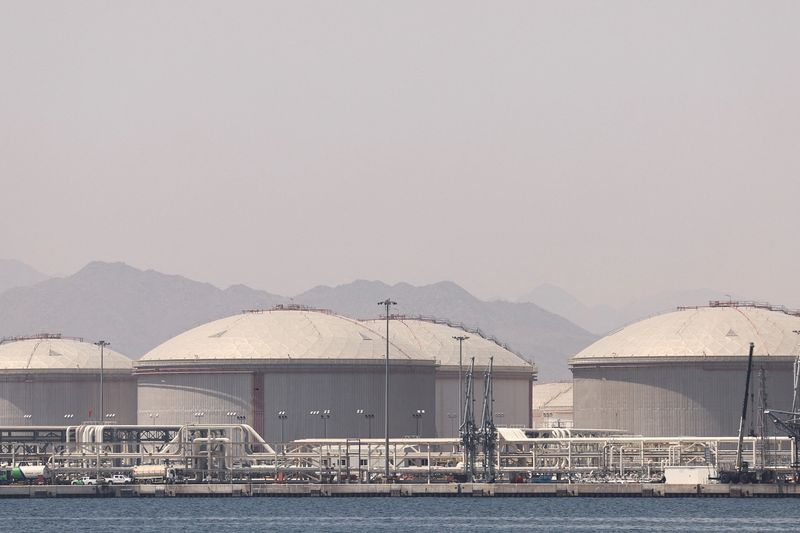
- Historical Lessons and Investment Caution: Historically, the largest IPOs tend to underperform, as seen with Saudi Aramco's shares trading below their listing price post-2019, prompting investors to exercise caution and consider observing SpaceX's performance post-listing before making investment decisions.
See More
Nvidia's Strong Earnings Mask Underlying Concerns
- Significant Revenue Growth: Nvidia reported an 85% revenue growth in Q1 of Fiscal 2027, surpassing the previous quarter's 73%, indicating strong demand for its AI chips; however, market concerns about future growth expectations have emerged.
- Increased Competition Risks: The company warned in its earnings report that some customers are developing their own ASICs and other products, which could erode Nvidia's market share and margins, raising investor concerns about future profitability.
- Stock Price Volatility Reasons: Despite a strong earnings report, Nvidia's stock fell by 0.88% post-release, reflecting that investor uncertainty about future growth may outweigh current performance metrics.
- Valuation Controversy: With a market cap of $5.2 trillion, Nvidia appears expensive, yet its forward P/E ratio of 25 suggests it could be undervalued; however, any slowdown in tech spending or increased competition could impact earnings projections, necessitating cautious investor sentiment.
See More
SpaceX IPO Sparks Tech Stock Rally
- SpaceX IPO Outlook: SpaceX filed its S-1 IPO prospectus seeking a $2 trillion valuation, showcasing its ambitions in AI infrastructure and interstellar travel, which is expected to attract investor interest in tech themes.
- Intensifying AI Competition: OpenAI and Anthropic are also reportedly planning to file for IPOs in the coming weeks, which is likely to further fuel the AI trading frenzy and create a new competitive landscape in the market.
- Nvidia Earnings Boost: Nvidia's quarterly results last week exceeded Wall Street expectations and provided an optimistic second-quarter outlook, offering strong support for AI-related stocks and boosting investor confidence.
- Positive Market Reaction: As several tech companies report earnings this week, investors are optimistic about future profit expectations, particularly for firms like Zscaler, Marvell, and Salesforce, which may further drive tech stock gains.
See More
Magnificent Seven Tech Companies Show Strong Q1 Revenue Growth
- Revenue Growth Highlights: In Q1 2026, all seven tech companies achieved double-digit revenue growth, with Nvidia standing out significantly, showcasing the immense market demand for its AI computing products and further solidifying its leadership position in the industry.
- Profitability Analysis: Nvidia also leads in earnings, while Alphabet and Amazon reported notable earnings increases primarily due to increased investments, indicating that the market demand for Nvidia's products far exceeds that of its competitors.
- Cash Flow Performance: Nvidia's cash from operations saw significant year-over-year growth, providing a better measure of business success, while Tesla and Amazon's cash flow growth reflects the returns on their cloud computing investments, further boosting investor confidence.
- Investment Value Assessment: Despite Tesla's valuation exceeding 200 times forward earnings, Nvidia and Meta are favored by investors due to their rapid growth and relatively low valuations, particularly with Amazon, which shows strong performance in the cloud computing sector, also being considered a worthy investment option.
See More
Nvidia CEO Declares Taiwan as the Epicenter of AI Revolution
- AI Revolution Hub: Nvidia CEO Jensen Huang stated at a Taipei launch event that Taiwan is the 'epicenter' of the global AI revolution, which not only elevates Taiwan's status in the tech industry but may also attract further investments and technological collaborations.
- Headquarters Construction: Huang announced that Nvidia will break ground on its Taiwan headquarters this year, with plans to be operational by 2030, a move that will further solidify Nvidia's market influence in the Asia-Pacific region.
- Technology Manufacturing Hub: He emphasized that Taiwan will remain a global technology manufacturing hub for a long time, a statement that could encourage other tech companies to establish R&D and production bases in Taiwan, thereby boosting local economic development.
- Future Outlook: Nvidia's investment plans not only demonstrate confidence in the Taiwanese market but also highlight the company's focus on the future of AI technology, indicating that Taiwan's role in the global tech ecosystem will continue to strengthen.
See More
Analysis and Investment Recommendations for the Magnificent Seven Tech Stocks
- Revenue Growth Leader: Nvidia's revenue for Q1 2026 shows significant year-over-year growth, demonstrating strong demand for its AI computing products, far surpassing competitors and solidifying its market leadership.
- Earnings Improvement: While Alphabet and Amazon reported notable earnings increases, largely driven by increased investments, Nvidia remains the leader in profitability, reflecting the strength of its core business.
- Cash Flow Performance: Tesla's cash flow growth is rapidly approaching Nvidia levels, while Amazon's cloud computing investments are beginning to pay off, indicating strong growth potential for both companies in the future.
- Investment Value Assessment: Despite Apple and Tesla having high valuations, Nvidia and Meta emerge as top investment choices due to their rapid growth and lower valuations, while Amazon is recommended as a third option due to its robust growth from its cloud computing platform.
See More
SpaceX Plans Record-Breaking IPO on Nasdaq as SPCX
- Revenue and Profitability: SpaceX anticipates a revenue of $18.7 billion in 2025, a 33% increase, yet faces a net loss of $4.9 billion, highlighting significant challenges in profitability, particularly as its only profitable segment, Starlink, experiences declining user revenue.
- Starlink Performance: As the core business, Starlink generated $11.4 billion in revenue last year, accounting for 61% of total revenue and achieving $4.4 billion in operating profit, but the average monthly revenue per user has dropped from $99 in 2023 to $66 in Q1 2026, indicating increased market competition.
- IPO Valuation and Risks: Targeting a valuation near $2 trillion, SpaceX's IPO could become the largest in history, but this high valuation carries risks associated with its unprofitable business model and the uncertainties surrounding the Starship program, potentially leading to significant investor losses.
- Historical Lessons and Investment Caution: Historically, the largest IPOs tend to underperform, as seen with Saudi Aramco's shares trading below their listing price post-2019, prompting investors to exercise caution and consider observing SpaceX's performance post-listing before making investment decisions.
See More