Nvidia and Walmart Earnings Ahead as Markets Face Headwinds
Written by Emily J. Thompson, Senior Investment Analyst
Updated: 56 minutes ago
0mins

Should l Buy NVDA?
Source: Yahoo Finance
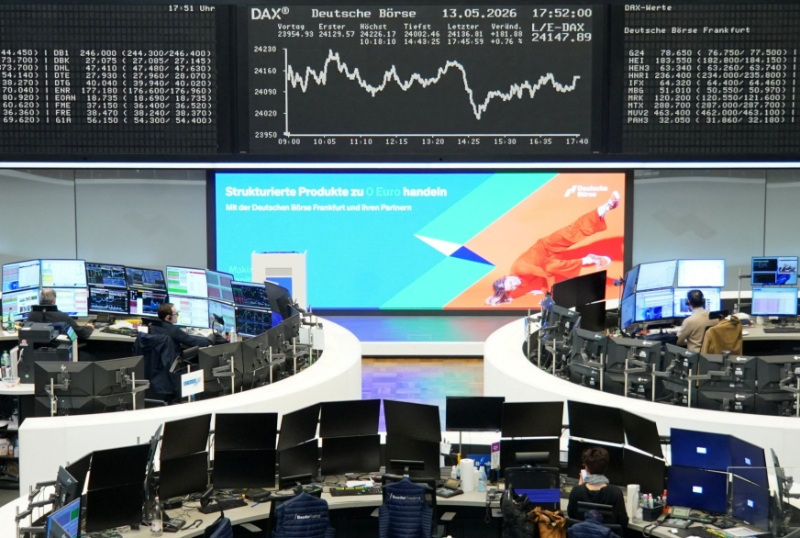
- Market Highs Challenge: The S&P 500 and Nasdaq are nearing historical highs, yet rising oil prices and yields pose significant headwinds that could impact investor sentiment and future market performance.
- Earnings Expectations: Nvidia and Walmart are set to release earnings reports, with market participants closely watching their performance, particularly in the current economic climate where strong profit growth and positive outlooks are highly anticipated.
- Oil Price Impact: The recent surge in oil prices may lead to reduced consumer spending, potentially affecting retail sales for companies like Walmart, prompting investors to monitor the implications of oil price fluctuations on the broader economy.
- Rising Yields: As yields increase, investors may reassess the attractiveness of stocks, especially in a context where high-valuation tech stocks face pressure, which could lead to heightened market volatility.
Trade with 70% Backtested Accuracy
Stop guessing "Should I Buy NVDA?" and start using high-conviction signals backed by rigorous historical data.
Sign up today to access powerful investing tools and make smarter, data-driven decisions.
Analyst Views on NVDA
Wall Street analysts forecast NVDA stock price to rise
41 Analyst Rating
39 Buy
1 Hold
1 Sell
Strong Buy
Current: 235.740

Low
200.00
Averages
264.97
High
352.00
Current: 235.740
Low
200.00
Averages
264.97
High
352.00
About NVDA
NVIDIA Corporation is an artificial intelligence (AI) infrastructure company. The Company is engaged in accelerated computing to help solve the challenging computational problems. Its segments include Compute & Networking and Graphics. The Compute & Networking segment includes its Data Center accelerated computing and networking platforms and AI solutions and software, and automotive platforms and autonomous and electric vehicle solutions, including software. The Graphics segment includes GeForce GPUs for gaming and personal computers (PCs), and Quadro/NVIDIA RTX GPUs for enterprise workstation graphics. Its technology stack includes the foundational NVIDIA CUDA development platform that runs on all NVIDIA GPUs, as well as hundreds of domain-specific software libraries, frameworks, algorithms, software development kits (SDKs), and application programming interfaces (APIs). Its platforms address four markets, which include Data Center, Gaming, Professional Visualization, and Automotive.
About the author

Emily J. Thompson
Emily J. Thompson, a Chartered Financial Analyst (CFA) with 12 years in investment research, graduated with honors from the Wharton School. Specializing in industrial and technology stocks, she provides in-depth analysis for Intellectia’s earnings and market brief reports.

AI Revolution Set to Drive Market Performance

- Earnings Preview: Nvidia is set to report its Q1 FY2027 earnings on May 20, forecasting a 77% year-over-year revenue increase to $78 billion, indicating strong demand in the AI market that could positively impact tech stocks.
- Market Impact: As the leader in AI chips, Nvidia's earnings report will provide investors with insights into compute demand and customer AI usage, potentially influencing the performance of the entire AI ecosystem, especially if external news is light.
- China Market Dynamics: Nvidia CEO Jensen Huang's recent visit to China to meet with President Xi Jinping regarding future sales could boost Nvidia and its peers' stock prices if progress is made, further solidifying its market position.
- Technology Interaction Outlook: Investors should pay attention to Nvidia's comments on AI's interaction with other technologies, such as quantum computing; any positive signals could drive up stocks of companies in those sectors, highlighting AI's significance in future tech development.
See More

Nvidia's AI Chips Drive Investor Frenzy
- Strong Earnings Outlook: Nvidia anticipates first-quarter revenue of $78 billion for fiscal 2027, representing a 77% year-over-year increase, indicating sustained strong demand in the AI chip market that could further drive stock price upward.
- Robust Profitability: The company has maintained a gross margin exceeding 70% in recent quarters, with expectations of sustaining margins above 74% as production efficiency improves, showcasing its high profitability and competitive edge in the market.
- Excellent Historical Performance: Following its last three first-quarter earnings reports, Nvidia's stock rose by 23%, 20%, and 5.2%, indicating a positive market reaction to its earnings, which may recur in the upcoming report.
- Increased Market Confidence: With progress on U.S. import tariff agreements and potential peace developments in the Middle East, investor confidence is bolstered, potentially providing additional support for Nvidia's stock price and reinforcing its leadership position in the AI sector.
See More

The Complexity of Investing in Tech Stocks


- QQQ's Strong Performance: The Invesco QQQ ETF has delivered an average annual return of 18.98% over the past decade, with a cumulative return of 578.64%, meaning a $10,000 investment made ten years ago would now be worth $67,864, showcasing its robust performance in tech stocks.
- Risk Warning: Despite QQQ's impressive track record, it has historically faced downturns, such as the 'lost decade' following the 2000 dot-com bubble, highlighting that tech stocks are not always a safe investment and can carry significant risks.
- Defensive Nature of SPYM: The State Street SPDR Portfolio S&P 500 ETF has achieved a 15.25% average annual return over the past decade, which, while lower than QQQ, offers a low expense ratio (0.02%) and broader sector coverage, making it an ideal choice for diversification.
- Market Diversification: SPYM's tech stock allocation is 37.1%, which is less concentrated than QQQ's 64%, allowing investors to reduce portfolio volatility while potentially benefiting from capital flows into other sectors when tech stocks underperform.
See More

Corning Partners with Nvidia to Boost Fiber-Optic Production

- Capacity Expansion: Corning's multiyear partnership with Nvidia will increase U.S. fiber production capacity by over 50% and optical connectivity manufacturing by 1,000%, significantly enhancing its market position in AI infrastructure.
- Surging Market Demand: The demand for Corning's fiber-optic cables has skyrocketed due to AI applications requiring high-speed data transmission, with the company currently operating at maximum capacity and achieving a robust 21% profit margin, showcasing its competitive edge.
- New Manufacturing Facilities: Corning plans to build three advanced manufacturing facilities in North Carolina and Texas to meet the growing needs of hyperscale data centers, which not only boosts production capacity but also optimizes its supply chain.
- Increased Investor Confidence: This partnership signals Nvidia's long-term optimism about AI data center construction, and with Corning's stock already up 137%, shareholders are expected to benefit from sustained market demand and enhanced manufacturing capabilities.
See More

Nvidia and Walmart Earnings Ahead as Markets Face Headwinds
- Market Highs Challenge: The S&P 500 and Nasdaq are nearing historical highs, yet rising oil prices and yields pose significant headwinds that could impact investor sentiment and future market performance.
- Earnings Expectations: Nvidia and Walmart are set to release earnings reports, with market participants closely watching their performance, particularly in the current economic climate where strong profit growth and positive outlooks are highly anticipated.
- Oil Price Impact: The recent surge in oil prices may lead to reduced consumer spending, potentially affecting retail sales for companies like Walmart, prompting investors to monitor the implications of oil price fluctuations on the broader economy.
- Rising Yields: As yields increase, investors may reassess the attractiveness of stocks, especially in a context where high-valuation tech stocks face pressure, which could lead to heightened market volatility.
See More

Whirlpool Faces Demand Crisis Similar to 2008

- Demand Decline: Whirlpool's CEO Marc Bitzer indicated during the latest earnings call that the current decline in industry demand is comparable to the 2008 financial crisis and even more severe, resulting in a 12% drop in stock price, reflecting a significant decrease in consumer confidence.
- Deteriorating Financials: The company's Q1 revenue was $3.27 billion, down 9.6% year-over-year, with North America's EBIT collapsing 96% to just $6 million, indicating that households are delaying big-ticket appliance purchases, which adversely affects overall financial health.
- Price Increases and Dividend Suspension: In response to the demand slump, Whirlpool implemented its largest price hike in over a decade and suspended its common dividend to fund deleveraging, a strategy that may further suppress consumer purchasing willingness in the short term.
- Uncertain Market Outlook: While macroeconomic signals suggest caution, Whirlpool's specific indicators reflect outright panic, with analysts projecting future EPS between $3.00 and $3.50 against a market cap of less than $3 billion, highlighting the need for investors to carefully assess its financial situation.
See More
AI Revolution Set to Drive Market Performance
- Earnings Preview: Nvidia is set to report its Q1 FY2027 earnings on May 20, forecasting a 77% year-over-year revenue increase to $78 billion, indicating strong demand in the AI market that could positively impact tech stocks.
- Market Impact: As the leader in AI chips, Nvidia's earnings report will provide investors with insights into compute demand and customer AI usage, potentially influencing the performance of the entire AI ecosystem, especially if external news is light.
- China Market Dynamics: Nvidia CEO Jensen Huang's recent visit to China to meet with President Xi Jinping regarding future sales could boost Nvidia and its peers' stock prices if progress is made, further solidifying its market position.
- Technology Interaction Outlook: Investors should pay attention to Nvidia's comments on AI's interaction with other technologies, such as quantum computing; any positive signals could drive up stocks of companies in those sectors, highlighting AI's significance in future tech development.
See More
Nvidia's AI Chips Drive Investor Frenzy
- Strong Earnings Outlook: Nvidia anticipates first-quarter revenue of $78 billion for fiscal 2027, representing a 77% year-over-year increase, indicating sustained strong demand in the AI chip market that could further drive stock price upward.
- Robust Profitability: The company has maintained a gross margin exceeding 70% in recent quarters, with expectations of sustaining margins above 74% as production efficiency improves, showcasing its high profitability and competitive edge in the market.
- Excellent Historical Performance: Following its last three first-quarter earnings reports, Nvidia's stock rose by 23%, 20%, and 5.2%, indicating a positive market reaction to its earnings, which may recur in the upcoming report.
- Increased Market Confidence: With progress on U.S. import tariff agreements and potential peace developments in the Middle East, investor confidence is bolstered, potentially providing additional support for Nvidia's stock price and reinforcing its leadership position in the AI sector.
See More
The Complexity of Investing in Tech Stocks
- QQQ's Strong Performance: The Invesco QQQ ETF has delivered an average annual return of 18.98% over the past decade, with a cumulative return of 578.64%, meaning a $10,000 investment made ten years ago would now be worth $67,864, showcasing its robust performance in tech stocks.
- Risk Warning: Despite QQQ's impressive track record, it has historically faced downturns, such as the 'lost decade' following the 2000 dot-com bubble, highlighting that tech stocks are not always a safe investment and can carry significant risks.
- Defensive Nature of SPYM: The State Street SPDR Portfolio S&P 500 ETF has achieved a 15.25% average annual return over the past decade, which, while lower than QQQ, offers a low expense ratio (0.02%) and broader sector coverage, making it an ideal choice for diversification.
- Market Diversification: SPYM's tech stock allocation is 37.1%, which is less concentrated than QQQ's 64%, allowing investors to reduce portfolio volatility while potentially benefiting from capital flows into other sectors when tech stocks underperform.
See More
Corning Partners with Nvidia to Boost Fiber-Optic Production
- Capacity Expansion: Corning's multiyear partnership with Nvidia will increase U.S. fiber production capacity by over 50% and optical connectivity manufacturing by 1,000%, significantly enhancing its market position in AI infrastructure.
- Surging Market Demand: The demand for Corning's fiber-optic cables has skyrocketed due to AI applications requiring high-speed data transmission, with the company currently operating at maximum capacity and achieving a robust 21% profit margin, showcasing its competitive edge.
- New Manufacturing Facilities: Corning plans to build three advanced manufacturing facilities in North Carolina and Texas to meet the growing needs of hyperscale data centers, which not only boosts production capacity but also optimizes its supply chain.
- Increased Investor Confidence: This partnership signals Nvidia's long-term optimism about AI data center construction, and with Corning's stock already up 137%, shareholders are expected to benefit from sustained market demand and enhanced manufacturing capabilities.
See More
Nvidia and Walmart Earnings Ahead as Markets Face Headwinds
- Market Highs Challenge: The S&P 500 and Nasdaq are nearing historical highs, yet rising oil prices and yields pose significant headwinds that could impact investor sentiment and future market performance.
- Earnings Expectations: Nvidia and Walmart are set to release earnings reports, with market participants closely watching their performance, particularly in the current economic climate where strong profit growth and positive outlooks are highly anticipated.
- Oil Price Impact: The recent surge in oil prices may lead to reduced consumer spending, potentially affecting retail sales for companies like Walmart, prompting investors to monitor the implications of oil price fluctuations on the broader economy.
- Rising Yields: As yields increase, investors may reassess the attractiveness of stocks, especially in a context where high-valuation tech stocks face pressure, which could lead to heightened market volatility.
See More
Whirlpool Faces Demand Crisis Similar to 2008
- Demand Decline: Whirlpool's CEO Marc Bitzer indicated during the latest earnings call that the current decline in industry demand is comparable to the 2008 financial crisis and even more severe, resulting in a 12% drop in stock price, reflecting a significant decrease in consumer confidence.
- Deteriorating Financials: The company's Q1 revenue was $3.27 billion, down 9.6% year-over-year, with North America's EBIT collapsing 96% to just $6 million, indicating that households are delaying big-ticket appliance purchases, which adversely affects overall financial health.
- Price Increases and Dividend Suspension: In response to the demand slump, Whirlpool implemented its largest price hike in over a decade and suspended its common dividend to fund deleveraging, a strategy that may further suppress consumer purchasing willingness in the short term.
- Uncertain Market Outlook: While macroeconomic signals suggest caution, Whirlpool's specific indicators reflect outright panic, with analysts projecting future EPS between $3.00 and $3.50 against a market cap of less than $3 billion, highlighting the need for investors to carefully assess its financial situation.
See More