Nutrien Q4 Earnings Beat Expectations Despite EPS Miss
- Earnings Highlights: Nutrien reported a Q4 non-GAAP EPS of $0.83, missing expectations by $0.08; however, revenue reached $5.34 billion, reflecting a 5.1% year-over-year increase and exceeding market expectations by $30 million, indicating resilience in the company's performance.
- Sales Volume Outlook: The 2026 guidance indicates potash sales volumes are projected between 21.4 million and 24.8 million tonnes, nitrogen sales between 29.2 million and 28.9 million tonnes, and phosphate sales between 22.4 million and 23.6 million tonnes, suggesting a positive outlook for future demand.
- Capital Expenditure Plans: Nutrien anticipates capital expenditures for 2026 to range from $4.2 billion to $2.1 billion, reflecting ongoing investments in production capacity to meet the growing agricultural demand and enhance market competitiveness.
- Finance Costs and Tax Rate: Expected finance costs for 2026 are between $650 million and $750 million, with an effective tax rate on adjusted net earnings projected at 32% to 26%, factors that will influence the company's overall profitability and cash flow management.
Trade with 70% Backtested Accuracy
Analyst Views on NTR

About NTR
About the author


Ukrainian Drone Strikes Hit Southern Russia's Infrastructure


- Infrastructure Under Attack: Ukrainian drone and missile strikes targeted critical industrial and maritime infrastructure in southern Russia, resulting in at least one fatality and multiple injuries, highlighting a direct threat to Russia's key logistics and chemical sectors.
- Port Logistics Disrupted: In Taganrog, a missile strike caused extensive damage to commercial infrastructure, specifically targeting a logistics company's warehouse, leading to a fire that necessitated emergency evacuations and further impacting the region's grain and industrial material exports.
- Chemical Sector Damaged: In the Samara region, a drone assault in Togliatti resulted in at least one industrial employee being injured, with eyewitness reports indicating large fires near two major chemical enterprises, demonstrating Ukraine's ongoing strategy to degrade Russia's fertilizer and synthetic rubber production capabilities.
- Air Transport Affected: The chaos caused by the attacks forced a temporary suspension of operations at Samara airport, exacerbating transportation and logistics issues in the region and raising concerns about the safety of commercial shipping lanes.

NUTRIEN LTD: UBS Downgrades to Sell from Neutral; Increases Target Price to $67 from $63
Company Update: Nutrien Ltd has announced a cut in its sales forecast for the year.
Target Price Adjustment: UBS has raised the target price for Nutrien's stock from $63 to $67.

Wall Street's Latest Ratings: Apple and Dell Rated Buy


- Apple and Dell Benefiting: Goldman Sachs reiterates Buy ratings for Apple (AAPL) and Dell (DELL), citing increased demand for PC hardware driven by the rise of open-source autonomous AI agents, which is expected to enhance their market performance.
- Abercrombie & Fitch Coverage Initiated: Needham initiates coverage on Abercrombie & Fitch (ANF) with a Buy rating and a $108 price target, believing that after a challenging FY25, the company's fundamentals are stabilizing, making it attractive for investors.
- Spotify Performance Outlook: Daiwa rates Spotify Technology (SPOT) as Outperform with a $535 price target, based on expectations of steady revenue growth, indicating confidence in its future development.
- Somnigroup International Upgrade: Jefferies upgrades Somnigroup International (SGI) from Hold to Buy, noting that SGI shares have fallen about 17% since the start of the Iran war, yet its valuation remains attractive, reflecting market confidence in its future growth potential.

Middle East Conflict Impacts Fertilizer Markets
- Supply Chain Risks: Fitch's BMI Research anticipates that the geopolitical disruptions from the Middle East conflict will pose significant challenges to fertilizer, natural gas, and sulfur flows, particularly impacting China and Morocco as spring planting approaches, limiting farmers' purchasing flexibility.
- U.S. Market Protection: While the U.S. imports fertilizer, primarily potash from Canada, it remains insulated from direct Middle Eastern supply disruptions affecting nitrogen fertilizer trade, thereby reducing immediate risks to U.S. agricultural production.
- Global Supply Shortages: Sub-Saharan Africa faces heightened supply risks due to structural constraints, while Brazil's vulnerability critically hinges on the timing of supply chain normalization relative to its Q2-Q3 purchasing window, potentially leading to shortages beyond mid-year.
- Price Volatility and Investment Opportunities: The surge in fertilizer prices triggered by the Iran conflict is providing a near-term windfall for producers, with Bank of America advising selective investment, identifying CF Industries as the biggest beneficiary of rising nitrogen prices.
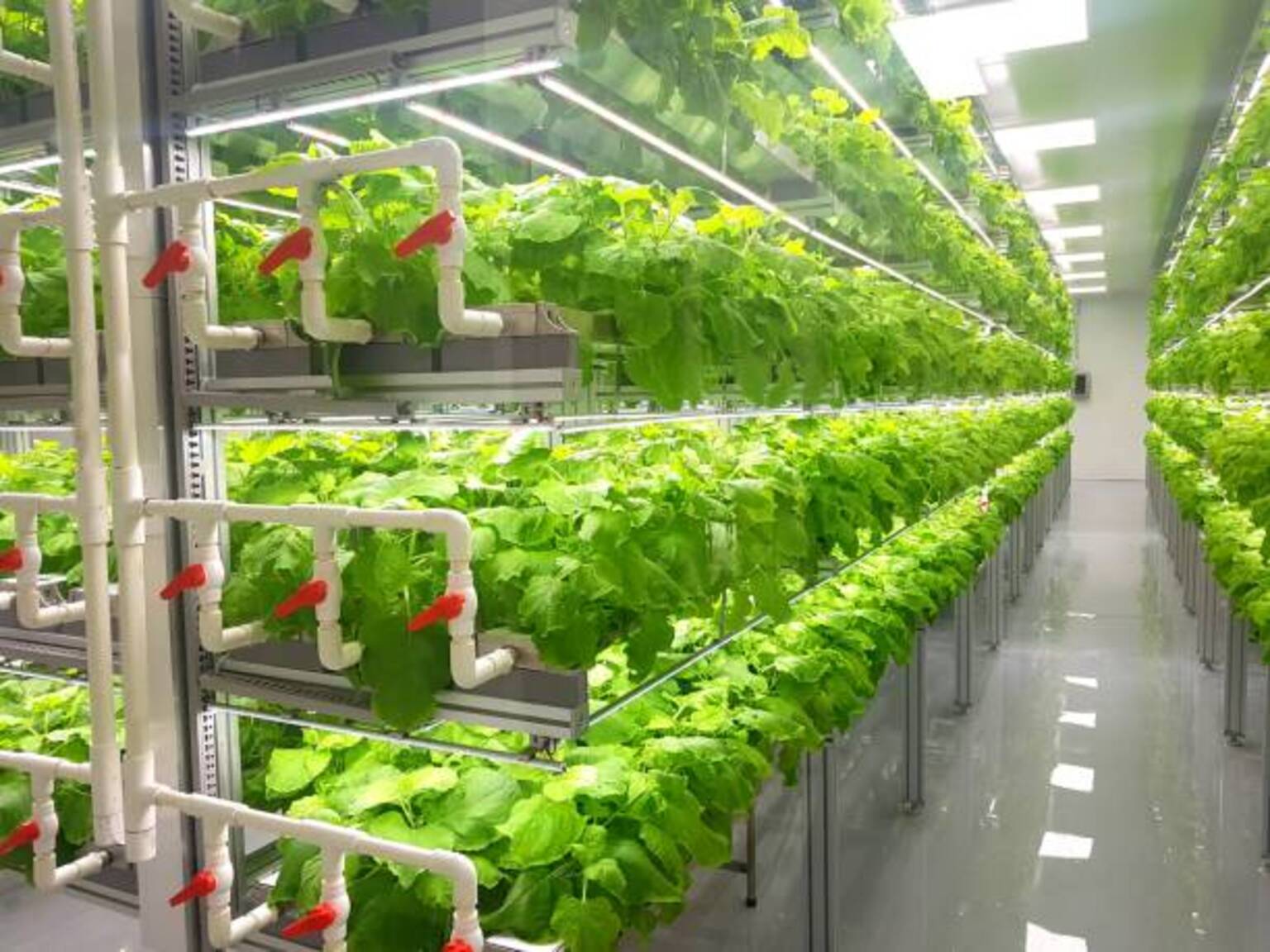
Vertical Farming Faces Survival Challenges After Billions in Funding
- Industry Struggles: After attracting billions in venture capital, vertical farming is now facing survival challenges, with notable startups like Bowery Farming and AppHarvest shutting down, leaving only a fraction of early entrants operational, highlighting the high risks and uncertainties in the sector.
- Cost Pressures: Vertical farms require expensive infrastructure such as warehouses, lighting, and custom systems, and they struggle against traditional agriculture, which operates with higher efficiency and thinner margins, leading to squeezed profitability across the industry.
- Demand Misestimation: Many companies overestimated market demand by focusing on premium products like lettuce, facing strong competition and limited pricing power, prompting some to pivot towards niche crops like strawberries to attract customers willing to pay more.
- Strategic Shifts: Survivors in the industry are adjusting their strategies by moving towards smaller, focused operations and forming partnerships with institutions like schools and hospitals, replacing earlier ambitions of mass-market disruption, indicating a role as a complement rather than a replacement for traditional agriculture.

Beyond Oil: Three Fertilizer Stocks Benefiting from Hormuz Shutdown
Impact of Rising Gas Prices: Soaring gas prices serve as a stark reminder of the ongoing war in Iran, affecting not only crude oil but also crucial commodities like fertilizers, which are heavily reliant on shipping routes through the Strait of Hormuz.
Fertilizer Supply Chain Disruption: The closure of the Strait of Hormuz has led to significant disruptions in the global fertilizer supply, with estimates indicating that around 30-35% of plant nutrients depend on this contested waterway for transit.
Market Reactions and Price Increases: Fertilizer prices have surged, with urea reaching as high as $680 per metric ton, and the supply shock is already being felt in markets, particularly affecting the upcoming 2026 spring planting season in the Northern Hemisphere.
Investment Opportunities in Fertilizer Stocks: Companies that produce fertilizers, particularly those outside the Persian Gulf, are positioned to benefit from the current market chaos, with analysts recommending stocks like Nutrien Ltd. as a safe investment amid rising prices.
Ukrainian Drone Strikes Hit Southern Russia's Infrastructure
- Infrastructure Under Attack: Ukrainian drone and missile strikes targeted critical industrial and maritime infrastructure in southern Russia, resulting in at least one fatality and multiple injuries, highlighting a direct threat to Russia's key logistics and chemical sectors.
- Port Logistics Disrupted: In Taganrog, a missile strike caused extensive damage to commercial infrastructure, specifically targeting a logistics company's warehouse, leading to a fire that necessitated emergency evacuations and further impacting the region's grain and industrial material exports.
- Chemical Sector Damaged: In the Samara region, a drone assault in Togliatti resulted in at least one industrial employee being injured, with eyewitness reports indicating large fires near two major chemical enterprises, demonstrating Ukraine's ongoing strategy to degrade Russia's fertilizer and synthetic rubber production capabilities.
- Air Transport Affected: The chaos caused by the attacks forced a temporary suspension of operations at Samara airport, exacerbating transportation and logistics issues in the region and raising concerns about the safety of commercial shipping lanes.
NUTRIEN LTD: UBS Downgrades to Sell from Neutral; Increases Target Price to $67 from $63
Company Update: Nutrien Ltd has announced a cut in its sales forecast for the year.
Target Price Adjustment: UBS has raised the target price for Nutrien's stock from $63 to $67.
Wall Street's Latest Ratings: Apple and Dell Rated Buy
- Apple and Dell Benefiting: Goldman Sachs reiterates Buy ratings for Apple (AAPL) and Dell (DELL), citing increased demand for PC hardware driven by the rise of open-source autonomous AI agents, which is expected to enhance their market performance.
- Abercrombie & Fitch Coverage Initiated: Needham initiates coverage on Abercrombie & Fitch (ANF) with a Buy rating and a $108 price target, believing that after a challenging FY25, the company's fundamentals are stabilizing, making it attractive for investors.
- Spotify Performance Outlook: Daiwa rates Spotify Technology (SPOT) as Outperform with a $535 price target, based on expectations of steady revenue growth, indicating confidence in its future development.
- Somnigroup International Upgrade: Jefferies upgrades Somnigroup International (SGI) from Hold to Buy, noting that SGI shares have fallen about 17% since the start of the Iran war, yet its valuation remains attractive, reflecting market confidence in its future growth potential.
Middle East Conflict Impacts Fertilizer Markets
- Supply Chain Risks: Fitch's BMI Research anticipates that the geopolitical disruptions from the Middle East conflict will pose significant challenges to fertilizer, natural gas, and sulfur flows, particularly impacting China and Morocco as spring planting approaches, limiting farmers' purchasing flexibility.
- U.S. Market Protection: While the U.S. imports fertilizer, primarily potash from Canada, it remains insulated from direct Middle Eastern supply disruptions affecting nitrogen fertilizer trade, thereby reducing immediate risks to U.S. agricultural production.
- Global Supply Shortages: Sub-Saharan Africa faces heightened supply risks due to structural constraints, while Brazil's vulnerability critically hinges on the timing of supply chain normalization relative to its Q2-Q3 purchasing window, potentially leading to shortages beyond mid-year.
- Price Volatility and Investment Opportunities: The surge in fertilizer prices triggered by the Iran conflict is providing a near-term windfall for producers, with Bank of America advising selective investment, identifying CF Industries as the biggest beneficiary of rising nitrogen prices.
Vertical Farming Faces Survival Challenges After Billions in Funding
- Industry Struggles: After attracting billions in venture capital, vertical farming is now facing survival challenges, with notable startups like Bowery Farming and AppHarvest shutting down, leaving only a fraction of early entrants operational, highlighting the high risks and uncertainties in the sector.
- Cost Pressures: Vertical farms require expensive infrastructure such as warehouses, lighting, and custom systems, and they struggle against traditional agriculture, which operates with higher efficiency and thinner margins, leading to squeezed profitability across the industry.
- Demand Misestimation: Many companies overestimated market demand by focusing on premium products like lettuce, facing strong competition and limited pricing power, prompting some to pivot towards niche crops like strawberries to attract customers willing to pay more.
- Strategic Shifts: Survivors in the industry are adjusting their strategies by moving towards smaller, focused operations and forming partnerships with institutions like schools and hospitals, replacing earlier ambitions of mass-market disruption, indicating a role as a complement rather than a replacement for traditional agriculture.
Beyond Oil: Three Fertilizer Stocks Benefiting from Hormuz Shutdown
Impact of Rising Gas Prices: Soaring gas prices serve as a stark reminder of the ongoing war in Iran, affecting not only crude oil but also crucial commodities like fertilizers, which are heavily reliant on shipping routes through the Strait of Hormuz.
Fertilizer Supply Chain Disruption: The closure of the Strait of Hormuz has led to significant disruptions in the global fertilizer supply, with estimates indicating that around 30-35% of plant nutrients depend on this contested waterway for transit.
Market Reactions and Price Increases: Fertilizer prices have surged, with urea reaching as high as $680 per metric ton, and the supply shock is already being felt in markets, particularly affecting the upcoming 2026 spring planting season in the Northern Hemisphere.
Investment Opportunities in Fertilizer Stocks: Companies that produce fertilizers, particularly those outside the Persian Gulf, are positioned to benefit from the current market chaos, with analysts recommending stocks like Nutrien Ltd. as a safe investment amid rising prices.