Nu Holdings Achieves Record Customer Growth
Written by Emily J. Thompson, Senior Investment Analyst
Updated: 3 hours ago
0mins

Should l Buy BA?
Source: Fool
- Significant Customer Growth: Nu Holdings reported a 56% year-over-year increase in net income for Q1 2026, with customer numbers reaching 135 million, a 14% YoY rise, indicating strong growth potential in the Latin American fintech market; however, the stock fell over 4% in pre-market trading due to rising credit risks.
- Breakthrough in Mexico: The company surpassed 15 million customers in Mexico, achieving break-even for the first time and becoming the third-largest financial institution in the country, showcasing its competitive strength and market share growth in the region.
- Leadership in Brazil: CEO David Vélez announced that the customer base in Brazil has exceeded 115 million, nearing 100 million monthly active users, solidifying its position as the largest private financial institution in the country and further driving its market expansion strategy.
- Technological Investment Outlook: Nu Holdings plans to scale technology, including AI, to address rising operating costs and credit risks; despite these challenges, the long-term growth potential remains noteworthy.
Trade with 70% Backtested Accuracy
Stop guessing "Should I Buy BA?" and start using high-conviction signals backed by rigorous historical data.
Sign up today to access powerful investing tools and make smarter, data-driven decisions.
Analyst Views on BA
Wall Street analysts forecast BA stock price to rise
16 Analyst Rating
14 Buy
1 Hold
1 Sell
Strong Buy
Current: 229.210

Low
150.00
Averages
269.14
High
298.00
Current: 229.210
Low
150.00
Averages
269.14
High
298.00
About BA
The Boeing Company is an aerospace company. Its segments include Commercial Airplanes (BCA), Defense, Space & Security (BDS), and Global Services (BGS). Its BCA segment develops, produces and markets commercial jet aircraft principally for the commercial airline industry worldwide. Its family of commercial jet aircraft in production includes the 737 narrow-body model and the 767, 777 and 787 wide-body models. Its BDS segment is engaged in the research, development, production and modification of manned and unmanned military aircraft and weapons systems for strike, surveillance and mobility. Its BGS segment provides services to its commercial and defense customers worldwide. It sustains aerospace platforms and systems with a range of products and services, including supply chain and logistics management, engineering, maintenance and modifications, upgrades and conversions, spare parts, pilot and maintenance training systems and services, technical and maintenance documents, and others.
About the author

Emily J. Thompson
Emily J. Thompson, a Chartered Financial Analyst (CFA) with 12 years in investment research, graduated with honors from the Wharton School. Specializing in industrial and technology stocks, she provides in-depth analysis for Intellectia’s earnings and market brief reports.
Trump's China Visit Ends Without Major Breakthroughs

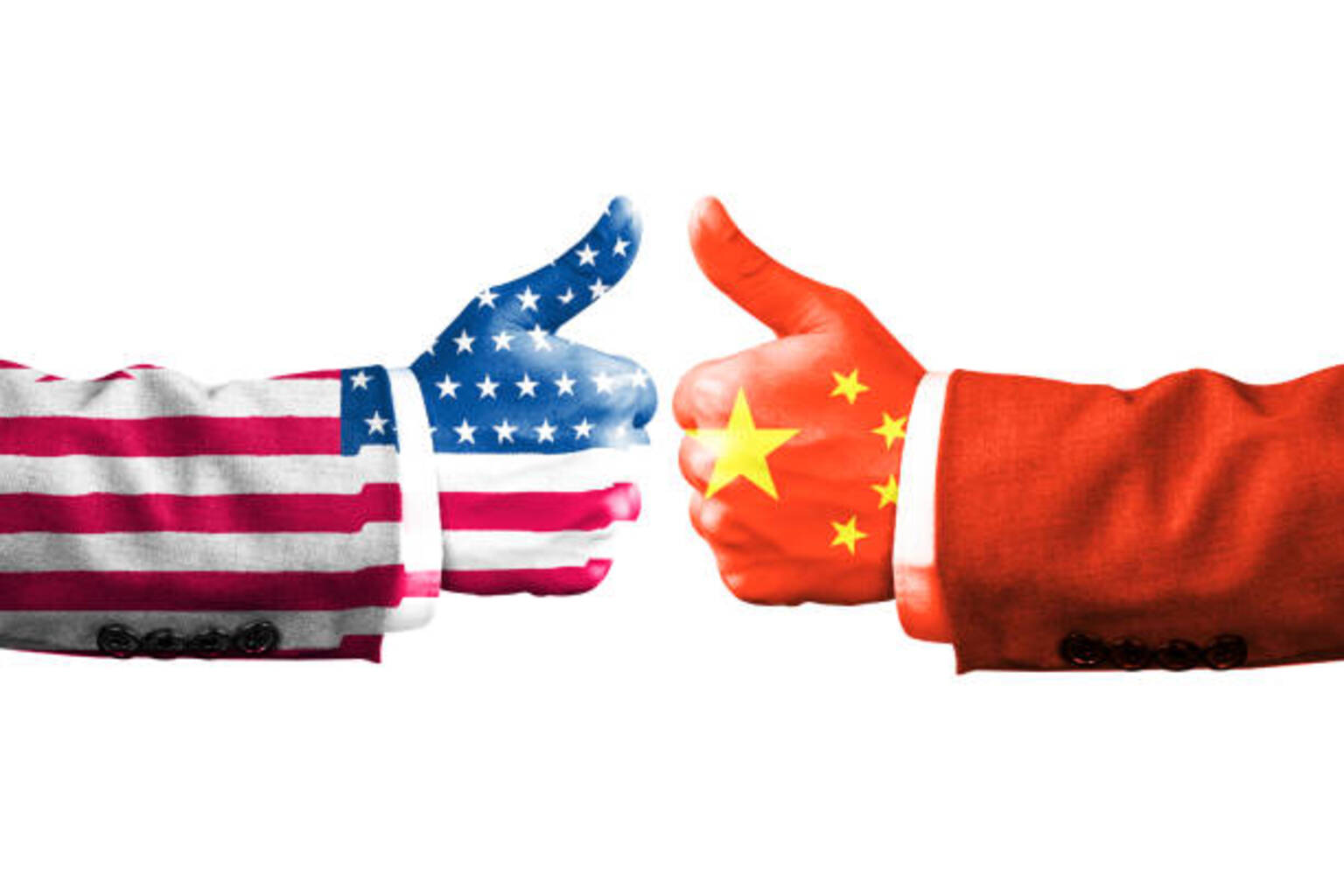
- Limited Trade Negotiations: During Trump's visit to China, discussions included the potential purchase of 200 Boeing aircraft and more U.S. oil, yet no concrete agreements were reached, highlighting the fragility and uncertainty of trade relations.
- Taiwan Issue Warnings: Chinese officials reiterated their red lines regarding Taiwan, warning that mishandling the issue could lead to conflict, indicating that geopolitical risks remain a significant factor in U.S.-China relations and future diplomatic interactions.
- Stagnation on Iran and Semiconductor Exports: Although Trump and Xi discussed the Iran issue, China refrained from committing to pressuring Tehran, and no progress was made on advanced semiconductor exports, reflecting ongoing divergences on critical topics.
- Market Reaction Underwhelming: Investors expressed disappointment with the summit's outcomes, as Boeing's stock fell due to the proposed order being smaller than expected, demonstrating market caution regarding the future trajectory of U.S.-China relations.
See More
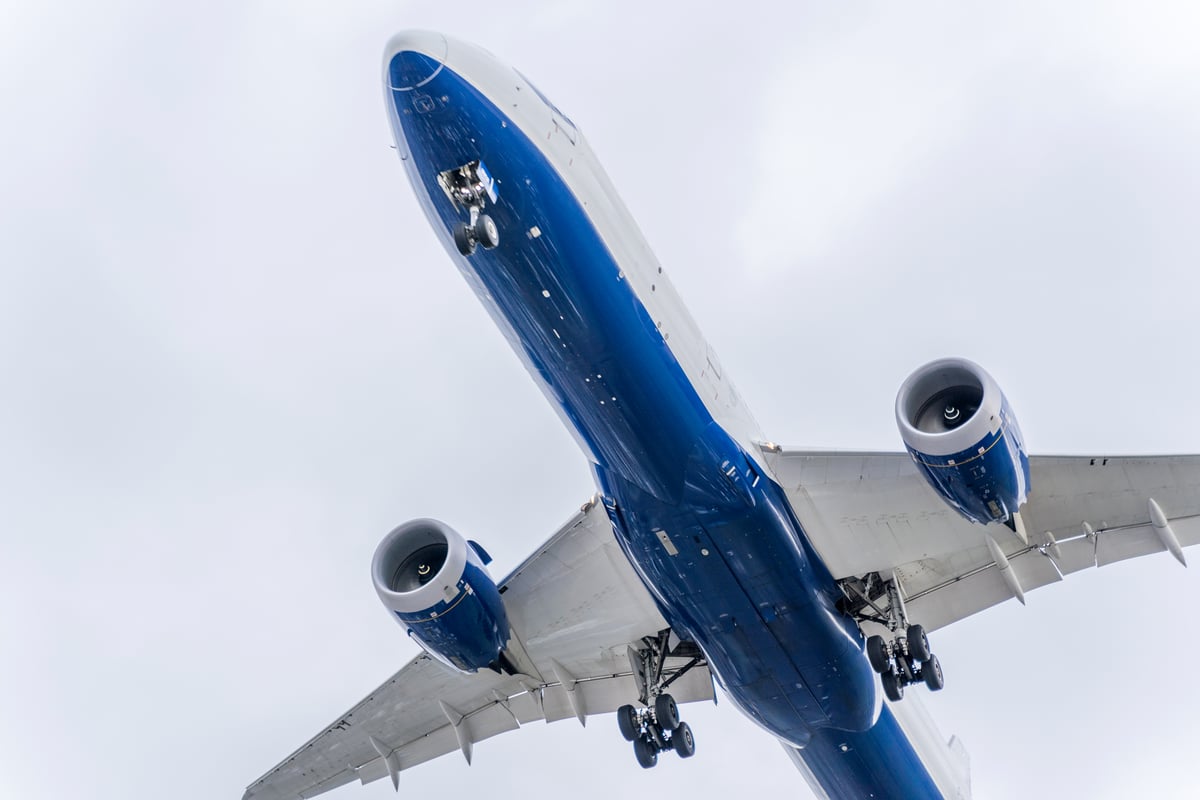
Boeing 777-9 Test Flight Success Boosts Stock
- Successful Test Flight: Boeing's 777-9 completed its first test flight for German carrier Lufthansa on May 7, and the successful outcome led to a 7.6% increase in Boeing's stock for the week ending May 11, indicating a resurgence of market confidence in the company.
- Optimistic Delivery Outlook: The success of this test flight suggests that Boeing may be able to deliver the 777-9 to Lufthansa later this year, alleviating fears that initial deliveries could be delayed until 2027, which is critical as the 777 is Boeing's largest and most fuel-efficient aircraft.
- Chinese Market Potential: Boeing CEO Kelly Ortberg is set to accompany President Trump to an upcoming business summit in China, and speculation is rising about a potential order for 500 737 MAX jets, which could significantly boost Boeing's stock if realized.
- Industry Confidence Rebound: Improvements in Boeing's safety and production processes, combined with the successful test flight of the 777-9, may instill long-term confidence among investors, further solidifying its position in the aviation market, especially against competitors.
See More
Trump's Meeting with Xi Boosts Oil Prices Amid Trade Talks

- Trump's Visit Outcomes: Following his meetings with Xi, Trump announced that China agreed to purchase U.S. crude oil, although Beijing has not confirmed this plan, leading to a rise in oil prices and indicating potential improvement in U.S.-China trade relations.
- Cerebras IPO Performance: Cerebras surged 68% on its Nasdaq debut, reaching a market cap of approximately $95 billion, marking the largest IPO in the U.S. tech sector in years, which made its founders billionaires and reflects strong market demand for emerging technologies.
- Market Dynamics Recap: The Dow Jones Industrial Average surged back above 50,000, while the S&P 500 closed above 7,500 for the first time, showcasing a robust rebound driven by surging demand for AI infrastructure, particularly with Cisco's stock rising over 13%.
- Automotive Industry Layoffs: Legacy automakers have collectively cut over 20,000 U.S. salaried jobs, about 19% of their workforce, as they adapt to technological changes, raising concerns among lawmakers about the impact of Chinese car manufacturers entering the U.S. market.
See More

End of Fed Chair Era Sparks Market Volatility


- Fed Chair Transition: Jerome Powell's last day as Fed Chair coincides with falling stock futures, indicating investor uncertainty regarding future monetary policy, which may lead to increased market volatility in the short term.
- Cerebras IPO Success: Cerebras shares surged 68% on their Nasdaq debut, pushing the company's market cap to approximately $95 billion, marking the largest IPO in the U.S. tech sector in years and reflecting strong demand and renewed investor confidence in high-tech firms.
- Automotive Industry Layoffs: The Detroit Three automakers—GM, Ford, and Stellantis—have collectively cut over 20,000 U.S. salaried jobs, about 19% of their combined workforce, highlighting the industry's struggle to adapt to AI and technological changes, which could impact future production capabilities.
- Crypto Regulation Progress: The Senate Banking Committee approved the Clarity Act, providing a regulatory framework for the cryptocurrency industry despite opposition from banks and law enforcement, indicating lawmakers' recognition of the crypto market's significance and potential compliance challenges ahead.
See More
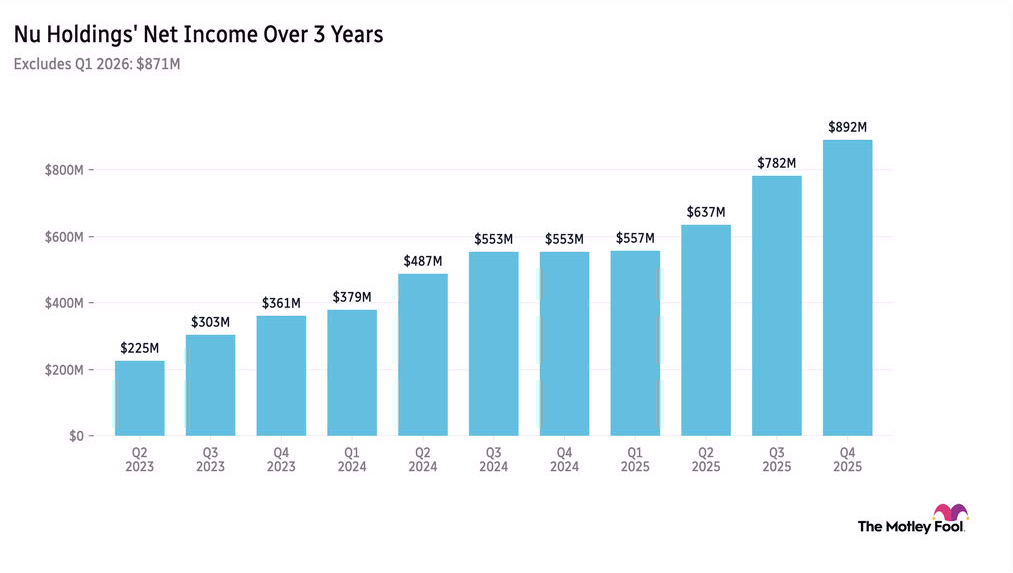
Nu Holdings Achieves Record Customer Growth

- Significant Customer Growth: Nu Holdings reported a 56% year-over-year increase in net income for Q1 2026, with customer numbers reaching 135 million, a 14% YoY rise, indicating strong growth potential in the Latin American fintech market; however, the stock fell over 4% in pre-market trading due to rising credit risks.
- Breakthrough in Mexico: The company surpassed 15 million customers in Mexico, achieving break-even for the first time and becoming the third-largest financial institution in the country, showcasing its competitive strength and market share growth in the region.
- Leadership in Brazil: CEO David Vélez announced that the customer base in Brazil has exceeded 115 million, nearing 100 million monthly active users, solidifying its position as the largest private financial institution in the country and further driving its market expansion strategy.
- Technological Investment Outlook: Nu Holdings plans to scale technology, including AI, to address rising operating costs and credit risks; despite these challenges, the long-term growth potential remains noteworthy.
See More

Rocket Lab Partners with RTX for $3.2 Billion Missile Defense Contract

- Contract Expansion: President Trump's $151 billion initiative has been expanded with a $3.2 billion umbrella contract aimed at developing space-based interceptor missiles to shoot down hostile threats, highlighting the strategic importance of U.S. defense initiatives.
- Competitive Landscape: Major U.S. defense players like General Dynamics, Lockheed Martin, Northrop Grumman, and RTX will compete for this contract, indicating a highly competitive market where companies must enhance their technological capabilities to secure contracts.
- Opportunity for Rocket Lab: By partnering with RTX for the SBI contract bid, Rocket Lab stands to gain significantly, as the potential contract value of $3.2 billion could represent up to 4.7 times its trailing 12-month sales of $680 million, which would greatly enhance its market position if successful.
- Strategic Collaboration: The partnership between RTX and Rocket Lab allows RTX to leverage Rocket Lab's Electron rocket capabilities, compensating for its lack of a dedicated space rocket platform, thereby strengthening its competitive edge in missile defense and indicating a mutually beneficial relationship.
See More
Trump's China Visit Ends Without Major Breakthroughs
- Limited Trade Negotiations: During Trump's visit to China, discussions included the potential purchase of 200 Boeing aircraft and more U.S. oil, yet no concrete agreements were reached, highlighting the fragility and uncertainty of trade relations.
- Taiwan Issue Warnings: Chinese officials reiterated their red lines regarding Taiwan, warning that mishandling the issue could lead to conflict, indicating that geopolitical risks remain a significant factor in U.S.-China relations and future diplomatic interactions.
- Stagnation on Iran and Semiconductor Exports: Although Trump and Xi discussed the Iran issue, China refrained from committing to pressuring Tehran, and no progress was made on advanced semiconductor exports, reflecting ongoing divergences on critical topics.
- Market Reaction Underwhelming: Investors expressed disappointment with the summit's outcomes, as Boeing's stock fell due to the proposed order being smaller than expected, demonstrating market caution regarding the future trajectory of U.S.-China relations.
See More
Boeing 777-9 Test Flight Success Boosts Stock
- Successful Test Flight: Boeing's 777-9 completed its first test flight for German carrier Lufthansa on May 7, and the successful outcome led to a 7.6% increase in Boeing's stock for the week ending May 11, indicating a resurgence of market confidence in the company.
- Optimistic Delivery Outlook: The success of this test flight suggests that Boeing may be able to deliver the 777-9 to Lufthansa later this year, alleviating fears that initial deliveries could be delayed until 2027, which is critical as the 777 is Boeing's largest and most fuel-efficient aircraft.
- Chinese Market Potential: Boeing CEO Kelly Ortberg is set to accompany President Trump to an upcoming business summit in China, and speculation is rising about a potential order for 500 737 MAX jets, which could significantly boost Boeing's stock if realized.
- Industry Confidence Rebound: Improvements in Boeing's safety and production processes, combined with the successful test flight of the 777-9, may instill long-term confidence among investors, further solidifying its position in the aviation market, especially against competitors.
See More
Trump's Meeting with Xi Boosts Oil Prices Amid Trade Talks
- Trump's Visit Outcomes: Following his meetings with Xi, Trump announced that China agreed to purchase U.S. crude oil, although Beijing has not confirmed this plan, leading to a rise in oil prices and indicating potential improvement in U.S.-China trade relations.
- Cerebras IPO Performance: Cerebras surged 68% on its Nasdaq debut, reaching a market cap of approximately $95 billion, marking the largest IPO in the U.S. tech sector in years, which made its founders billionaires and reflects strong market demand for emerging technologies.
- Market Dynamics Recap: The Dow Jones Industrial Average surged back above 50,000, while the S&P 500 closed above 7,500 for the first time, showcasing a robust rebound driven by surging demand for AI infrastructure, particularly with Cisco's stock rising over 13%.
- Automotive Industry Layoffs: Legacy automakers have collectively cut over 20,000 U.S. salaried jobs, about 19% of their workforce, as they adapt to technological changes, raising concerns among lawmakers about the impact of Chinese car manufacturers entering the U.S. market.
See More
End of Fed Chair Era Sparks Market Volatility
- Fed Chair Transition: Jerome Powell's last day as Fed Chair coincides with falling stock futures, indicating investor uncertainty regarding future monetary policy, which may lead to increased market volatility in the short term.
- Cerebras IPO Success: Cerebras shares surged 68% on their Nasdaq debut, pushing the company's market cap to approximately $95 billion, marking the largest IPO in the U.S. tech sector in years and reflecting strong demand and renewed investor confidence in high-tech firms.
- Automotive Industry Layoffs: The Detroit Three automakers—GM, Ford, and Stellantis—have collectively cut over 20,000 U.S. salaried jobs, about 19% of their combined workforce, highlighting the industry's struggle to adapt to AI and technological changes, which could impact future production capabilities.
- Crypto Regulation Progress: The Senate Banking Committee approved the Clarity Act, providing a regulatory framework for the cryptocurrency industry despite opposition from banks and law enforcement, indicating lawmakers' recognition of the crypto market's significance and potential compliance challenges ahead.
See More
Nu Holdings Achieves Record Customer Growth
- Significant Customer Growth: Nu Holdings reported a 56% year-over-year increase in net income for Q1 2026, with customer numbers reaching 135 million, a 14% YoY rise, indicating strong growth potential in the Latin American fintech market; however, the stock fell over 4% in pre-market trading due to rising credit risks.
- Breakthrough in Mexico: The company surpassed 15 million customers in Mexico, achieving break-even for the first time and becoming the third-largest financial institution in the country, showcasing its competitive strength and market share growth in the region.
- Leadership in Brazil: CEO David Vélez announced that the customer base in Brazil has exceeded 115 million, nearing 100 million monthly active users, solidifying its position as the largest private financial institution in the country and further driving its market expansion strategy.
- Technological Investment Outlook: Nu Holdings plans to scale technology, including AI, to address rising operating costs and credit risks; despite these challenges, the long-term growth potential remains noteworthy.
See More
Rocket Lab Partners with RTX for $3.2 Billion Missile Defense Contract
- Contract Expansion: President Trump's $151 billion initiative has been expanded with a $3.2 billion umbrella contract aimed at developing space-based interceptor missiles to shoot down hostile threats, highlighting the strategic importance of U.S. defense initiatives.
- Competitive Landscape: Major U.S. defense players like General Dynamics, Lockheed Martin, Northrop Grumman, and RTX will compete for this contract, indicating a highly competitive market where companies must enhance their technological capabilities to secure contracts.
- Opportunity for Rocket Lab: By partnering with RTX for the SBI contract bid, Rocket Lab stands to gain significantly, as the potential contract value of $3.2 billion could represent up to 4.7 times its trailing 12-month sales of $680 million, which would greatly enhance its market position if successful.
- Strategic Collaboration: The partnership between RTX and Rocket Lab allows RTX to leverage Rocket Lab's Electron rocket capabilities, compensating for its lack of a dedicated space rocket platform, thereby strengthening its competitive edge in missile defense and indicating a mutually beneficial relationship.
See More