Novo Nordisk Shares Plummet Amidst Dismal Guidance
Written by Emily J. Thompson, Senior Investment Analyst
Updated: 1 hour ago
0mins
Should l Buy NVO?
Source: Fool
- Stock Price Decline: Novo Nordisk's shares have plummeted over 50% in the past year, reaching their lowest levels since early 2021, indicating investor dissatisfaction with recent performance and a pessimistic outlook for the future.
- Guidance Downgrade: The company projects a potential revenue decline of up to 13% for the current year, and despite launching a new Wegovy pill, pricing pressures have raised doubts about its growth potential, which could impact investor confidence moving forward.
- Strategic Partnership: Novo Nordisk has partnered with telehealth company Hims & Hers Health to sell its GLP-1 products on Hims' platform, a move that could drive sales growth and improve performance amid current challenges.
- Investment Opportunity: Despite facing short-term headwinds, Novo Nordisk's stock trades at just 10 times earnings, suggesting it is undervalued, and long-term investors may find an attractive entry point at this low price, especially if market sentiment improves.
Trade with 70% Backtested Accuracy
Stop guessing "Should I Buy NVO?" and start using high-conviction signals backed by rigorous historical data.
Sign up today to access powerful investing tools and make smarter, data-driven decisions.
Analyst Views on NVO
Wall Street analysts forecast NVO stock price to rise
8 Analyst Rating
4 Buy
3 Hold
1 Sell
Moderate Buy
Current: 37.080

Low
42.00
Averages
54.67
High
70.00
Current: 37.080
Low
42.00
Averages
54.67
High
70.00
About NVO
Novo Nordisk A/S is a global healthcare company engaged in diabetes care. The Company is also engaged in the discovery, development, manufacturing and marketing of pharmaceutical products. The Company operates through two business segments: diabetes and obesity care, and biopharmaceuticals. The Company's diabetes and obesity care segment covers insulin, GLP-1, other protein-related products, such as glucagon, protein-related delivery systems and needles, and oral anti-diabetic drugs. The Company's biopharmaceuticals segment covers the therapy areas of hemophilia care, growth hormone therapy and hormone replacement therapy. The Company also offers Saxenda product to treat obesity. It offers a range of products, including NovoLog/NovoRapid; NovoLog Mix/NovoMix; Prandin/NovoNorm; NovoSeven; Norditropin, and Vagifem. As of December 31, 2016, it marketed its products in over 180 countries. Its regional structure consists of two commercial units: North America and International Operations.
About the author

Emily J. Thompson
Emily J. Thompson, a Chartered Financial Analyst (CFA) with 12 years in investment research, graduated with honors from the Wharton School. Specializing in industrial and technology stocks, she provides in-depth analysis for Intellectia’s earnings and market brief reports.
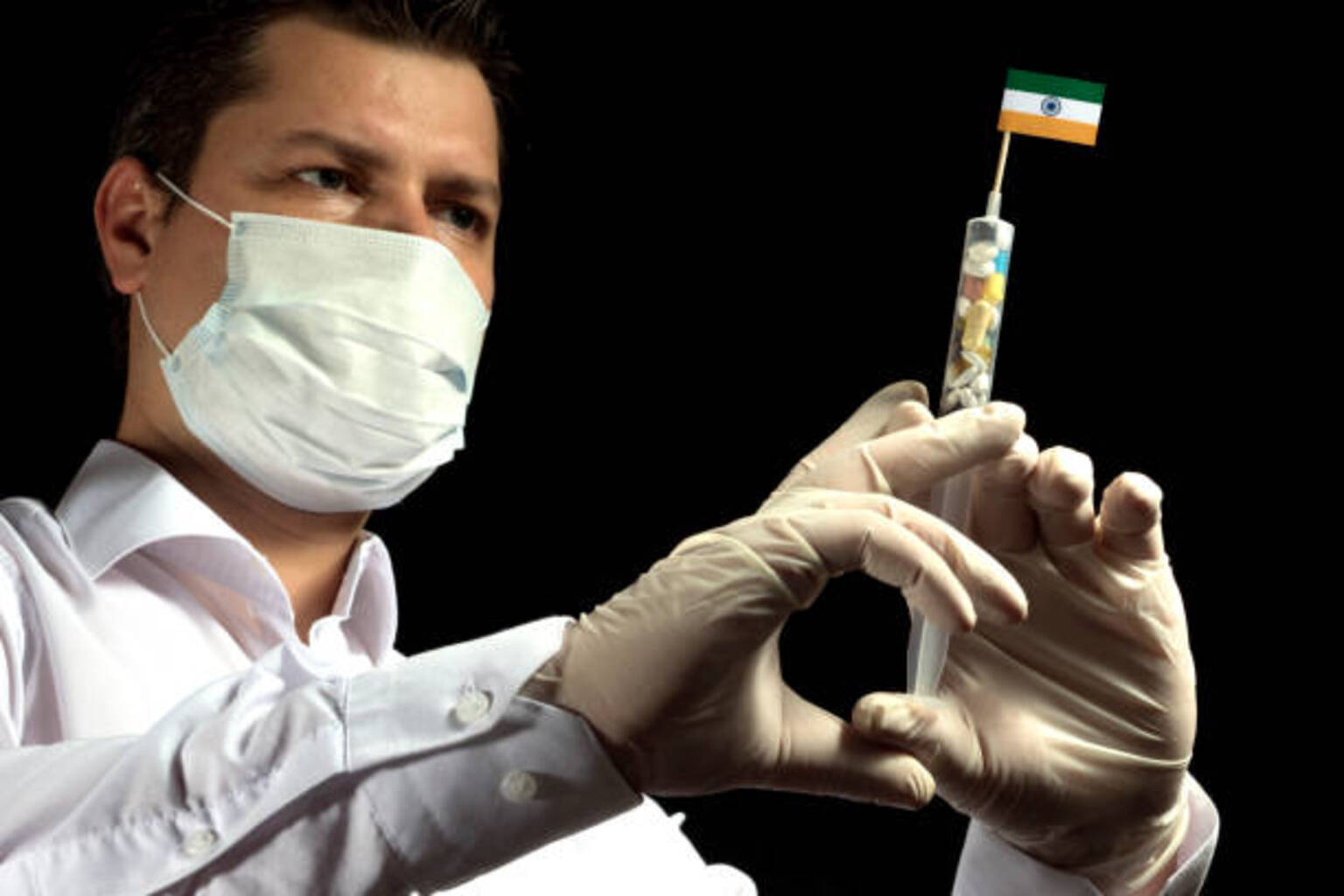
Indian Pharma Firms Set to Launch GLP-1 Generics Post Patent Expiry
- Patent Expiry Impact: With Novo Nordisk's GLP-1 drug semaglutide patent expiring on Friday, over 10 Indian pharmaceutical companies are preparing to launch generics priced as low as $14 a month, significantly reducing patient medication costs and potentially pressuring Novo Nordisk's market share.
- Natco Pharma Pricing: Natco Pharma has announced its semaglutide injection will be priced at 1,290 rupees (approximately $144), while a pen device expected to launch in April will cost around 4,500 rupees ($48), making treatment more accessible for patients and intensifying market competition.
- Increased Market Competition: Currently, the brand-name Wegovy pen costs about 10,480 rupees ($113) in India, while in the US it retails for $349, although Novo is running a promotion at $199 for the first two months, creating a price disparity that may drive more patients to generics.
- Other Pharma Companies Involved: In addition to Natco, Dr. Reddy's, Lupin, and Sun Pharma are also set to offer semaglutide generics, indicating the growing competitiveness of the Indian pharmaceutical industry in the global market, which could have long-term implications for Novo Nordisk's sales.
See More
Health Care Stocks Decline Late Friday

- Overall Decline: Late Friday, the NYSE Health Care Index experienced a downturn, indicating increasing market concerns about the healthcare sector, which may negatively impact investor confidence.
- Market Reaction: The decline in healthcare stocks may be linked to overall economic uncertainty, as investors anticipate potential policy changes that could lead to capital outflows from the sector, thereby affecting stock performance.
- Industry Impact: The weak performance of the healthcare sector could hinder related companies' financing capabilities and market valuations, especially under the current economic conditions where operational pressures are heightened.
- Investor Strategy Adjustment: As healthcare stocks decline, investors may reassess their portfolios, considering reallocating funds to other sectors with greater growth potential to mitigate risks associated with market volatility.
See More

Novo Nordisk Shares Plummet Amidst Dismal Guidance
- Stock Price Decline: Novo Nordisk's shares have plummeted over 50% in the past year, reaching their lowest levels since early 2021, indicating investor dissatisfaction with recent performance and a pessimistic outlook for the future.
- Guidance Downgrade: The company projects a potential revenue decline of up to 13% for the current year, and despite launching a new Wegovy pill, pricing pressures have raised doubts about its growth potential, which could impact investor confidence moving forward.
- Strategic Partnership: Novo Nordisk has partnered with telehealth company Hims & Hers Health to sell its GLP-1 products on Hims' platform, a move that could drive sales growth and improve performance amid current challenges.
- Investment Opportunity: Despite facing short-term headwinds, Novo Nordisk's stock trades at just 10 times earnings, suggesting it is undervalued, and long-term investors may find an attractive entry point at this low price, especially if market sentiment improves.
See More

Novo Nordisk Issues Troubling 2026 Guidance, Stock Plummets
- Stock Plunge: Novo Nordisk's stock has lost over 50% of its value in the past 12 months, trading at just 10 times earnings, reflecting extreme market pessimism regarding its future performance and severely undermining investor confidence.
- 2026 Guidance Cut: The company projects a revenue decline of up to 13% for the current year, despite launching a new Wegovy pill, as management faces pricing pressures and must lower prices to attract customers and gain market share, impacting future growth potential.
- Partnership with Hims & Hers: Novo Nordisk has reached an agreement with telehealth company Hims & Hers to sell its GLP-1 products on their platform, which could provide new momentum for sales growth following the release of its troubling guidance, potentially improving performance.
- Long-term Investment Opportunity: Despite current challenges, Novo Nordisk's low valuation offers a good margin of safety for long-term investors; renowned investor Warren Buffett has noted his preference for investing in companies facing
See More
Novo Nordisk's Wegovy HD Approved, Stock Drops
- New Dosage Approval: The FDA has approved Novo Nordisk's Wegovy HD (7.2 mg) for long-term weight management, yet the stock fell about 2%, indicating a lukewarm market response to the new product.
- Efficacy Data Support: In the STEP-UP Phase 3 trial, patients receiving the 7.2 mg dose achieved an average weight loss of approximately 20.7% over 72 weeks, providing strong backing for the market launch of the new drug.
- Market Launch Plan: Novo Nordisk expects to begin U.S. distribution of the new single-dose pen in April, aiming to meet market demand alongside the existing 2.4 mg version.
- Regulatory Support: The FDA approved the drug through a supplemental New Drug Application and issued a Commissioner's National Priority Voucher, which may expedite future reviews for treatments addressing key public health needs, highlighting the drug's significance.
See More
Increased Risks Associated with Stopping GLP-1 Medications
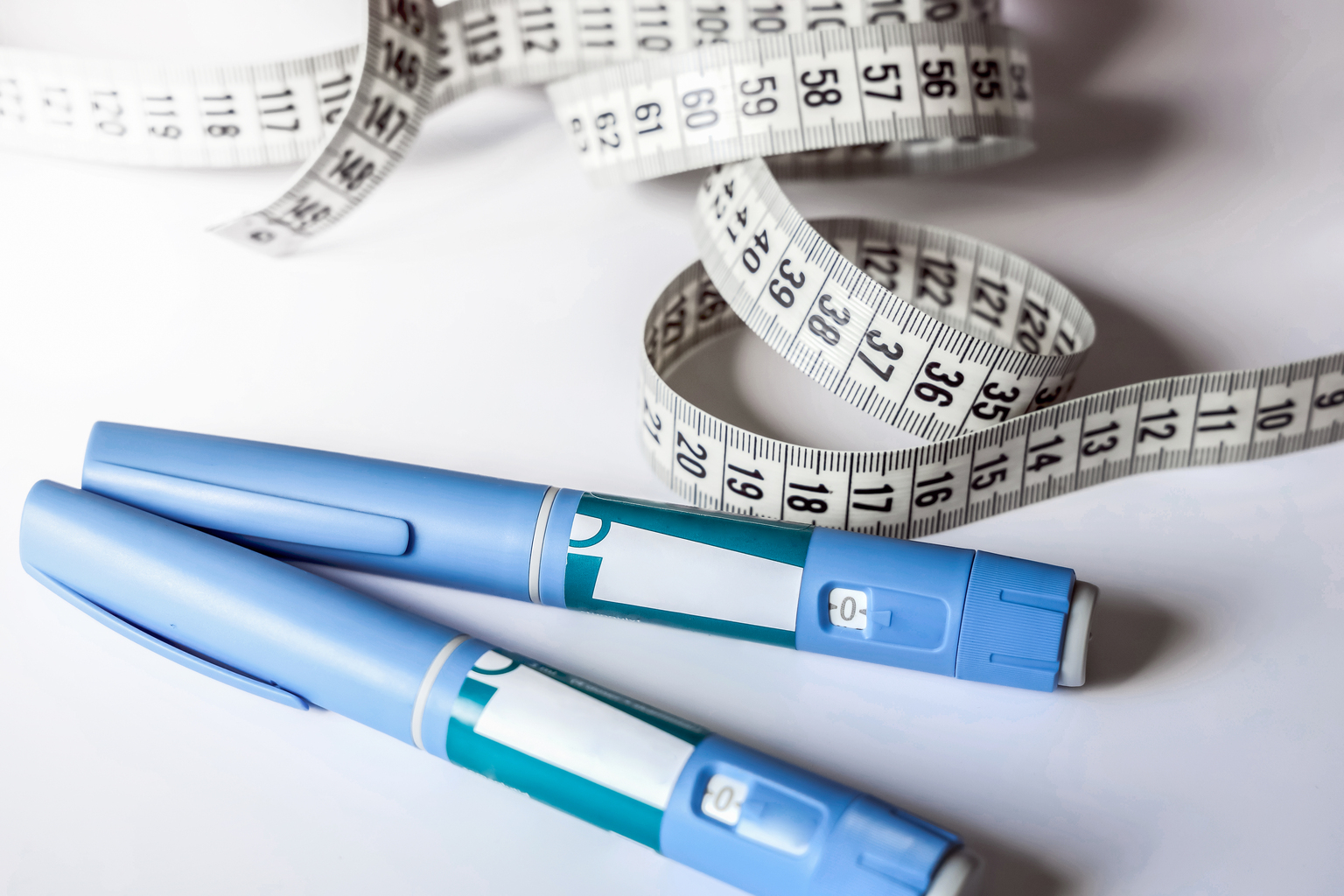
- Cardiovascular Event Risk: A study involving approximately 333,000 US veterans revealed that stopping GLP-1 medications is associated with a 22% increase in the risk of heart attack, stroke, and death after two years, highlighting the potential health threats of discontinuation.
- Benefits of Long-term Use: The research indicates that patients on GLP-1s for three years experience an 18% reduction in cardiovascular events, underscoring the importance of continuous treatment, particularly for those with diabetes.
- Impact of Short-term Discontinuation: Even a six-month break from the medication can lead to a 4% to 8% increase in cardiovascular risk upon resuming, suggesting that short-term discontinuation diminishes the cardiovascular protective effects of the drugs.
- Medication Usage Strategy: These findings suggest that healthcare providers should consider the risks associated with discontinuing GLP-1 medications when developing treatment plans to ensure patients maintain ongoing cardiovascular protection.
See More
Indian Pharma Firms Set to Launch GLP-1 Generics Post Patent Expiry
- Patent Expiry Impact: With Novo Nordisk's GLP-1 drug semaglutide patent expiring on Friday, over 10 Indian pharmaceutical companies are preparing to launch generics priced as low as $14 a month, significantly reducing patient medication costs and potentially pressuring Novo Nordisk's market share.
- Natco Pharma Pricing: Natco Pharma has announced its semaglutide injection will be priced at 1,290 rupees (approximately $144), while a pen device expected to launch in April will cost around 4,500 rupees ($48), making treatment more accessible for patients and intensifying market competition.
- Increased Market Competition: Currently, the brand-name Wegovy pen costs about 10,480 rupees ($113) in India, while in the US it retails for $349, although Novo is running a promotion at $199 for the first two months, creating a price disparity that may drive more patients to generics.
- Other Pharma Companies Involved: In addition to Natco, Dr. Reddy's, Lupin, and Sun Pharma are also set to offer semaglutide generics, indicating the growing competitiveness of the Indian pharmaceutical industry in the global market, which could have long-term implications for Novo Nordisk's sales.
See More
Health Care Stocks Decline Late Friday
- Overall Decline: Late Friday, the NYSE Health Care Index experienced a downturn, indicating increasing market concerns about the healthcare sector, which may negatively impact investor confidence.
- Market Reaction: The decline in healthcare stocks may be linked to overall economic uncertainty, as investors anticipate potential policy changes that could lead to capital outflows from the sector, thereby affecting stock performance.
- Industry Impact: The weak performance of the healthcare sector could hinder related companies' financing capabilities and market valuations, especially under the current economic conditions where operational pressures are heightened.
- Investor Strategy Adjustment: As healthcare stocks decline, investors may reassess their portfolios, considering reallocating funds to other sectors with greater growth potential to mitigate risks associated with market volatility.
See More
Novo Nordisk Shares Plummet Amidst Dismal Guidance
- Stock Price Decline: Novo Nordisk's shares have plummeted over 50% in the past year, reaching their lowest levels since early 2021, indicating investor dissatisfaction with recent performance and a pessimistic outlook for the future.
- Guidance Downgrade: The company projects a potential revenue decline of up to 13% for the current year, and despite launching a new Wegovy pill, pricing pressures have raised doubts about its growth potential, which could impact investor confidence moving forward.
- Strategic Partnership: Novo Nordisk has partnered with telehealth company Hims & Hers Health to sell its GLP-1 products on Hims' platform, a move that could drive sales growth and improve performance amid current challenges.
- Investment Opportunity: Despite facing short-term headwinds, Novo Nordisk's stock trades at just 10 times earnings, suggesting it is undervalued, and long-term investors may find an attractive entry point at this low price, especially if market sentiment improves.
See More
Novo Nordisk Issues Troubling 2026 Guidance, Stock Plummets
- Stock Plunge: Novo Nordisk's stock has lost over 50% of its value in the past 12 months, trading at just 10 times earnings, reflecting extreme market pessimism regarding its future performance and severely undermining investor confidence.
- 2026 Guidance Cut: The company projects a revenue decline of up to 13% for the current year, despite launching a new Wegovy pill, as management faces pricing pressures and must lower prices to attract customers and gain market share, impacting future growth potential.
- Partnership with Hims & Hers: Novo Nordisk has reached an agreement with telehealth company Hims & Hers to sell its GLP-1 products on their platform, which could provide new momentum for sales growth following the release of its troubling guidance, potentially improving performance.
- Long-term Investment Opportunity: Despite current challenges, Novo Nordisk's low valuation offers a good margin of safety for long-term investors; renowned investor Warren Buffett has noted his preference for investing in companies facing
See More
Novo Nordisk's Wegovy HD Approved, Stock Drops
- New Dosage Approval: The FDA has approved Novo Nordisk's Wegovy HD (7.2 mg) for long-term weight management, yet the stock fell about 2%, indicating a lukewarm market response to the new product.
- Efficacy Data Support: In the STEP-UP Phase 3 trial, patients receiving the 7.2 mg dose achieved an average weight loss of approximately 20.7% over 72 weeks, providing strong backing for the market launch of the new drug.
- Market Launch Plan: Novo Nordisk expects to begin U.S. distribution of the new single-dose pen in April, aiming to meet market demand alongside the existing 2.4 mg version.
- Regulatory Support: The FDA approved the drug through a supplemental New Drug Application and issued a Commissioner's National Priority Voucher, which may expedite future reviews for treatments addressing key public health needs, highlighting the drug's significance.
See More
Increased Risks Associated with Stopping GLP-1 Medications
- Cardiovascular Event Risk: A study involving approximately 333,000 US veterans revealed that stopping GLP-1 medications is associated with a 22% increase in the risk of heart attack, stroke, and death after two years, highlighting the potential health threats of discontinuation.
- Benefits of Long-term Use: The research indicates that patients on GLP-1s for three years experience an 18% reduction in cardiovascular events, underscoring the importance of continuous treatment, particularly for those with diabetes.
- Impact of Short-term Discontinuation: Even a six-month break from the medication can lead to a 4% to 8% increase in cardiovascular risk upon resuming, suggesting that short-term discontinuation diminishes the cardiovascular protective effects of the drugs.
- Medication Usage Strategy: These findings suggest that healthcare providers should consider the risks associated with discontinuing GLP-1 medications when developing treatment plans to ensure patients maintain ongoing cardiovascular protection.
See More