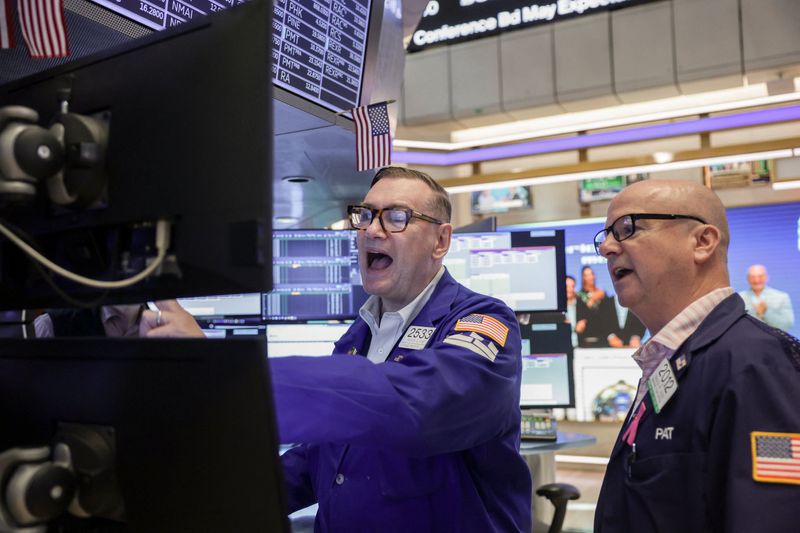
Novo Nordisk Appoints New Head for U.S. Operations Amid Sales Decline
Written by Emily J. Thompson, Senior Investment Analyst
Updated: Feb 04 2026
0mins
Source: seekingalpha
- Leadership Change: Novo Nordisk has appointed Jamey Millar, a former executive from UnitedHealth Group, as the new Executive Vice President of U.S. Operations, succeeding Dave Moore who is leaving for personal reasons, effective February 5, aiming to tackle the sales decline the company is facing.
- Market Share Pressure: The company projects a 5% to 13% forex-adjusted sales decline for 2026, primarily due to competitive pressures from Eli Lilly and patent expirations for its blockbuster weight loss therapy semaglutide, which significantly impacts its revenue from the U.S. market, accounting for 55% of total sales.
- Industry Experience Integration: Millar's appointment is seen by CEO Mike Doustdar as bringing “deep insights” into pharmacy benefit managers, which will enhance Novo Nordisk's interactions with insurers, drug manufacturers, and pharmacies, thereby improving its competitive stance in the market.
- Strategic Product and Portfolio Shift: Concurrently, Hong Chow, head of Merck KGaA in China, will become the Executive Vice President of Product & Portfolio Strategy on February 15, replacing Ludovic Helfgott, indicating the company's focus on strategic adjustments in its product offerings.
Trade with 70% Backtested Accuracy
Stop guessing "Should I Buy NVO?" and start using high-conviction signals backed by rigorous historical data.
Sign up today to access powerful investing tools and make smarter, data-driven decisions.
Analyst Views on NVO
Wall Street analysts forecast NVO stock price to rise
8 Analyst Rating
4 Buy
3 Hold
1 Sell
Moderate Buy
Current: 45.580

Low
42.00
Averages
54.67
High
70.00
Current: 45.580
Low
42.00
Averages
54.67
High
70.00
About NVO
Novo Nordisk A/S is a global healthcare company engaged in diabetes care. The Company is also engaged in the discovery, development, manufacturing and marketing of pharmaceutical products. The Company operates through two business segments: diabetes and obesity care, and biopharmaceuticals. The Company's diabetes and obesity care segment covers insulin, GLP-1, other protein-related products, such as glucagon, protein-related delivery systems and needles, and oral anti-diabetic drugs. The Company's biopharmaceuticals segment covers the therapy areas of hemophilia care, growth hormone therapy and hormone replacement therapy. The Company also offers Saxenda product to treat obesity. It offers a range of products, including NovoLog/NovoRapid; NovoLog Mix/NovoMix; Prandin/NovoNorm; NovoSeven; Norditropin, and Vagifem. As of December 31, 2016, it marketed its products in over 180 countries. Its regional structure consists of two commercial units: North America and International Operations.
About the author

Emily J. Thompson
Emily J. Thompson, a Chartered Financial Analyst (CFA) with 12 years in investment research, graduated with honors from the Wharton School. Specializing in industrial and technology stocks, she provides in-depth analysis for Intellectia’s earnings and market brief reports.

Eli Lilly Poised for Nvidia-Style Growth Surge


- Market Leadership: Eli Lilly currently holds a 60% share of the U.S. GLP-1 drug market, significantly surpassing former leader Novo Nordisk, showcasing its strong competitive position in the rapidly growing weight loss drug market, which is projected to approach $100 billion by the end of the decade.
- Innovation-Driven Growth: The recent launch of Lilly's weight loss drug Zepbound and strong results from late-stage clinical trials indicate that the company's ongoing investment in innovation will bolster its market leadership, further solidifying its advantage in the weight loss sector.
- Strong Stock Performance: Lilly's stock surged over 18% in the past month, surpassing the $1,000 mark, reflecting investor confidence in its weight loss portfolio, especially following the approval of its oral weight loss drug Foundayo, which has significantly enhanced market expectations for future growth.
- Diversified Product Portfolio: Lilly is actively developing a broad portfolio of weight loss drugs, including both oral and injectable options, and with the positive phase 3 trial data for retatrutide, the company is poised to expand its product line further in the coming years, maintaining its leading position in a competitive market.
See More

Eli Lilly Gains Approval for New Drug, Strengthening Weight Loss Market Leadership
- Market Leadership: Eli Lilly currently holds a 60% share of the U.S. GLP-1 drug market, significantly surpassing former leader Novo Nordisk, demonstrating its strong competitive position in the rapidly growing weight loss drug sector.
- New Product Launch: Lilly received approval for its oral weight loss drug Foundayo in April, with early trends showing promising results, further enriching its weight loss portfolio and positioning the company advantageously in a market approaching $100 billion.
- Successful Clinical Trials: Recently, Lilly reported positive phase 3 trial data for its candidate retatrutide, which, if successful, will complement its existing oral and injectable drugs to create a comprehensive weight loss portfolio catering to patients with varying obesity levels.
- Strong Stock Performance: Lilly's stock surged over 18% in the past month, surpassing $1,000, as investors express confidence in its high growth potential in the weight loss market, potentially indicating a growth trajectory similar to Nvidia's.
See More
Novo Nordisk Shares Surge, Closing Gap with Eli Lilly
- Market Share Recovery: Novo Nordisk (NVO) has seen its stock rise 22% over the past three months, significantly outpacing Eli Lilly's (LLY) approximately 5% increase, indicating a strengthening competitive position in the GLP-1 market, particularly following the launch of the oral weight loss drug Wegovy.
- Prescription Data Comparison: According to IQVIA data, Wegovy amassed around 18,410 U.S. prescriptions in its first week in January, while Eli Lilly's Foundayo only garnered 3,707 prescriptions last month, highlighting Novo's clear first-mover advantage in the market.
- Analyst Rating Support: Analysts from ALLKA Research reiterated a
See More

Eli Lilly's New Developments in GLP-1 Drugs
- Intensifying Market Competition: Eli Lilly's introduction of an oral GLP-1 drug may attract consumers, but it trails behind Novo Nordisk's more effective pill launched in 2026, potentially delaying market acceptance and impacting future revenues.
- High Revenue Dependency: Nearly 65% of Eli Lilly's revenue comes from its injectable GLP-1 drugs, Mounjaro and Zepbound, indicating that any loss in market share could significantly affect the company's financial health and growth prospects.
- Promising Drug Development: Eli Lilly's next-generation GLP-1 drug, Retatrutide, is in development, with early trials showing some patients losing over 30% of their weight, comparable to bariatric surgery, which could provide a new growth avenue if successfully launched.
- Valuation Appeal: Although Eli Lilly's price-to-earnings ratio stands at 37, above the pharma average of 24, if Retatrutide meets expectations and drives growth, the current valuation may appear more attractive to investors, warranting close attention.
See More

Eli Lilly Faces Intensifying Competition in GLP-1 Drug Market
- Intense Market Competition: Eli Lilly leads the GLP-1 drug market, yet its newly launched oral medication may face acceptance challenges compared to Novo Nordisk's more effective pill, highlighting the fierce competition in the industry.
- High Revenue Dependency: Nearly 65% of Eli Lilly's revenue comes from two injectable GLP-1 drugs, Mounjaro and Zepbound, indicating the critical importance of GLP-1 drugs to the company's business, with future market performance directly impacting its financial health.
- Promising Drug Development: Eli Lilly's next-generation GLP-1 drug, Retatrutide, shows promising early trial results, with some patients losing over 30% of their weight, potentially providing new growth momentum for the company, although it is still in the testing phase.
- Valuation Analysis: With a price-to-earnings ratio of 37x, significantly above the pharma average of 24x, Eli Lilly's current valuation may seem high, but if the new GLP-1 drug meets expectations, it could lead to attractive growth opportunities for the company.
See More

Is It Time to Reload Your Underinvested Portfolio?

- Shopify Stock Fluctuations: Shopify's stock has dropped 40% since last October, currently valued at $154 billion; despite pressures from slowing sales growth and rising interest rates, its Q1 revenue growth rate of 34% highlights its significance in the future of e-commerce.
- Nice's Customer Service Technology: Nice Ltd, with a market cap of $5.4 billion, derives only 14% of its cloud revenue from AI, yet its Q1 recurring revenue grew 66% year-over-year, showcasing its strong performance and growth potential in the customer service market.
- Viking Therapeutics' Drug Development: Viking Therapeutics is conducting phase 3 trials for its GLP-1 weight-loss drug VK2735, currently valued at $3.8 billion; analysts unanimously rate its stock as a strong buy with a target price of $95.40, reflecting confidence in its market potential.
- Investor Focus on Emerging Stocks: Despite overall market volatility, investor interest in Shopify, Nice, and Viking indicates optimism towards these growth stocks, particularly in the long-term growth prospects within the e-commerce and health sectors.
See More
Eli Lilly Poised for Nvidia-Style Growth Surge
- Market Leadership: Eli Lilly currently holds a 60% share of the U.S. GLP-1 drug market, significantly surpassing former leader Novo Nordisk, showcasing its strong competitive position in the rapidly growing weight loss drug market, which is projected to approach $100 billion by the end of the decade.
- Innovation-Driven Growth: The recent launch of Lilly's weight loss drug Zepbound and strong results from late-stage clinical trials indicate that the company's ongoing investment in innovation will bolster its market leadership, further solidifying its advantage in the weight loss sector.
- Strong Stock Performance: Lilly's stock surged over 18% in the past month, surpassing the $1,000 mark, reflecting investor confidence in its weight loss portfolio, especially following the approval of its oral weight loss drug Foundayo, which has significantly enhanced market expectations for future growth.
- Diversified Product Portfolio: Lilly is actively developing a broad portfolio of weight loss drugs, including both oral and injectable options, and with the positive phase 3 trial data for retatrutide, the company is poised to expand its product line further in the coming years, maintaining its leading position in a competitive market.
See More
Eli Lilly Gains Approval for New Drug, Strengthening Weight Loss Market Leadership
- Market Leadership: Eli Lilly currently holds a 60% share of the U.S. GLP-1 drug market, significantly surpassing former leader Novo Nordisk, demonstrating its strong competitive position in the rapidly growing weight loss drug sector.
- New Product Launch: Lilly received approval for its oral weight loss drug Foundayo in April, with early trends showing promising results, further enriching its weight loss portfolio and positioning the company advantageously in a market approaching $100 billion.
- Successful Clinical Trials: Recently, Lilly reported positive phase 3 trial data for its candidate retatrutide, which, if successful, will complement its existing oral and injectable drugs to create a comprehensive weight loss portfolio catering to patients with varying obesity levels.
- Strong Stock Performance: Lilly's stock surged over 18% in the past month, surpassing $1,000, as investors express confidence in its high growth potential in the weight loss market, potentially indicating a growth trajectory similar to Nvidia's.
See More
Novo Nordisk Shares Surge, Closing Gap with Eli Lilly
- Market Share Recovery: Novo Nordisk (NVO) has seen its stock rise 22% over the past three months, significantly outpacing Eli Lilly's (LLY) approximately 5% increase, indicating a strengthening competitive position in the GLP-1 market, particularly following the launch of the oral weight loss drug Wegovy.
- Prescription Data Comparison: According to IQVIA data, Wegovy amassed around 18,410 U.S. prescriptions in its first week in January, while Eli Lilly's Foundayo only garnered 3,707 prescriptions last month, highlighting Novo's clear first-mover advantage in the market.
- Analyst Rating Support: Analysts from ALLKA Research reiterated a
See More
Eli Lilly's New Developments in GLP-1 Drugs
- Intensifying Market Competition: Eli Lilly's introduction of an oral GLP-1 drug may attract consumers, but it trails behind Novo Nordisk's more effective pill launched in 2026, potentially delaying market acceptance and impacting future revenues.
- High Revenue Dependency: Nearly 65% of Eli Lilly's revenue comes from its injectable GLP-1 drugs, Mounjaro and Zepbound, indicating that any loss in market share could significantly affect the company's financial health and growth prospects.
- Promising Drug Development: Eli Lilly's next-generation GLP-1 drug, Retatrutide, is in development, with early trials showing some patients losing over 30% of their weight, comparable to bariatric surgery, which could provide a new growth avenue if successfully launched.
- Valuation Appeal: Although Eli Lilly's price-to-earnings ratio stands at 37, above the pharma average of 24, if Retatrutide meets expectations and drives growth, the current valuation may appear more attractive to investors, warranting close attention.
See More
Eli Lilly Faces Intensifying Competition in GLP-1 Drug Market
- Intense Market Competition: Eli Lilly leads the GLP-1 drug market, yet its newly launched oral medication may face acceptance challenges compared to Novo Nordisk's more effective pill, highlighting the fierce competition in the industry.
- High Revenue Dependency: Nearly 65% of Eli Lilly's revenue comes from two injectable GLP-1 drugs, Mounjaro and Zepbound, indicating the critical importance of GLP-1 drugs to the company's business, with future market performance directly impacting its financial health.
- Promising Drug Development: Eli Lilly's next-generation GLP-1 drug, Retatrutide, shows promising early trial results, with some patients losing over 30% of their weight, potentially providing new growth momentum for the company, although it is still in the testing phase.
- Valuation Analysis: With a price-to-earnings ratio of 37x, significantly above the pharma average of 24x, Eli Lilly's current valuation may seem high, but if the new GLP-1 drug meets expectations, it could lead to attractive growth opportunities for the company.
See More
Is It Time to Reload Your Underinvested Portfolio?
- Shopify Stock Fluctuations: Shopify's stock has dropped 40% since last October, currently valued at $154 billion; despite pressures from slowing sales growth and rising interest rates, its Q1 revenue growth rate of 34% highlights its significance in the future of e-commerce.
- Nice's Customer Service Technology: Nice Ltd, with a market cap of $5.4 billion, derives only 14% of its cloud revenue from AI, yet its Q1 recurring revenue grew 66% year-over-year, showcasing its strong performance and growth potential in the customer service market.
- Viking Therapeutics' Drug Development: Viking Therapeutics is conducting phase 3 trials for its GLP-1 weight-loss drug VK2735, currently valued at $3.8 billion; analysts unanimously rate its stock as a strong buy with a target price of $95.40, reflecting confidence in its market potential.
- Investor Focus on Emerging Stocks: Despite overall market volatility, investor interest in Shopify, Nice, and Viking indicates optimism towards these growth stocks, particularly in the long-term growth prospects within the e-commerce and health sectors.
See More