Novelis Restarts Production at Key New York Facility for Ford
Written by Emily J. Thompson, Senior Investment Analyst
Updated: 1 hour ago
0mins
Source: Newsfilter
- Production Resumption: Novelis announced on Wednesday that it has restarted operations at its Oswego, New York facility, which is critical for Ford's F-150 pickup line, after months of downtime due to two fires, helping to alleviate pressure on Ford's lowered 2025 profit forecast caused by aluminum supply bottlenecks.
- Customer Collaboration: Novelis stated it is working closely with customers to ramp up supply, particularly Ford, which is a major consumer as its F-series trucks predominantly use aluminum bodies, meaning the resumption of production will directly impact Ford's production capacity and market supply.
- Financial Impact: The supply bottlenecks caused by the fires have led Ford to flag charges of up to $2 billion, while Novelis reported a loss of approximately $437 million in the fourth quarter, highlighting the vulnerability of the aluminum supply chain and its significant impact on automakers.
- Global Production Adjustments: During the downtime of the New York plant, Novelis relied on its facilities in South Korea and Europe to compensate for production losses, a strategy that alleviated short-term pressures but also underscored the complexity of global supply chains and the degree of reliance on a single facility.
Trade with 70% Backtested Accuracy
Stop guessing "Should I Buy F?" and start using high-conviction signals backed by rigorous historical data.
Sign up today to access powerful investing tools and make smarter, data-driven decisions.
Analyst Views on F
Wall Street analysts forecast F stock price to fall
14 Analyst Rating
3 Buy
10 Hold
1 Sell
Hold
Current: 14.950

Low
11.00
Averages
13.65
High
16.00
Current: 14.950
Low
11.00
Averages
13.65
High
16.00
About F
Ford Motor Company develops and delivers Ford trucks, sport utility vehicles, commercial vans and cars, and Lincoln luxury vehicles, along with connected services, including BlueCruise (ADAS) and security. The Company's segments include Ford Blue, Ford Model e, Ford Pro, and Ford Credit. The Ford Blue segment primarily includes the sale of Ford and Lincoln internal combustion engine (ICE) and hybrid vehicles, service parts, accessories, and digital services for retail customers. The Ford Model e segment primarily includes the sale of its electric vehicles, service parts, accessories, and digital services for retail customers. The Ford Pro segment primarily includes the sale of Ford and Lincoln vehicles, service parts, accessories, and services for commercial, government, and rental customers. The Ford Credit segment consists of the Ford Credit business on a consolidated basis, which is primarily vehicle-related financing and leasing activities. Its vehicle brands are Ford and Lincoln.
About the author

Emily J. Thompson
Emily J. Thompson, a Chartered Financial Analyst (CFA) with 12 years in investment research, graduated with honors from the Wharton School. Specializing in industrial and technology stocks, she provides in-depth analysis for Intellectia’s earnings and market brief reports.
Novelis Restarts Production at Key New York Facility for Ford

- Production Resumption: Novelis announced on Wednesday that it has restarted operations at its Oswego, New York facility, which is critical for Ford's F-150 pickup line, after months of downtime due to two fires, helping to alleviate pressure on Ford's lowered 2025 profit forecast caused by aluminum supply bottlenecks.
- Customer Collaboration: Novelis stated it is working closely with customers to ramp up supply, particularly Ford, which is a major consumer as its F-series trucks predominantly use aluminum bodies, meaning the resumption of production will directly impact Ford's production capacity and market supply.
- Financial Impact: The supply bottlenecks caused by the fires have led Ford to flag charges of up to $2 billion, while Novelis reported a loss of approximately $437 million in the fourth quarter, highlighting the vulnerability of the aluminum supply chain and its significant impact on automakers.
- Global Production Adjustments: During the downtime of the New York plant, Novelis relied on its facilities in South Korea and Europe to compensate for production losses, a strategy that alleviated short-term pressures but also underscored the complexity of global supply chains and the degree of reliance on a single facility.
See More

GM Partners with Peak Energy to Develop Sodium-Ion Batteries

- Strategic Partnership: General Motors (GM) has announced a strategic partnership with startup Peak Energy to develop and manufacture next-generation sodium-ion battery cells for grid-scale energy storage, marking a significant expansion of GM's battery technology applications beyond electric vehicles.
- Technological Innovation: The collaboration will leverage GM's Michigan battery labs to develop sodium-ion cells, which Peak Energy will integrate into its proprietary passively cooled storage systems, promising a 20% cost reduction and over 99% uptime, enhancing the reliability of energy storage solutions.
- Market Outlook: This initiative not only signifies GM's repurposing of battery technology but also indicates a diversified investment in the energy storage market, particularly in the area of EV battery recycling, thereby strengthening its competitive position in the industry.
- Investor Sentiment: On Stocktwits, retail sentiment around GM shifted from 'neutral' to 'bullish', reflecting investor optimism regarding GM's entry into the energy storage sector, with GM's stock gaining over 3% this year.
See More

General Motors Accelerates Battery Technology Innovation

- Battery Technology Upgrade: General Motors plans to develop next-generation sodium-ion batteries in collaboration with Peak Energy, expected to launch by 2028, aiming to reduce costs and enhance reliability in energy storage systems, thereby gaining market advantage amid rising energy demand.
- Enhanced Grid Interaction: GM will improve its electric vehicles' capabilities to interact with the grid, allowing users to send energy back during peak hours, which is expected to help reduce energy costs and optimize grid usage, thereby strengthening the company's competitive position in the EV market.
- Cost Control Strategy: The development of sodium-ion batteries will reduce system complexity and cooling requirements, leading to lower upfront and operating costs; GM's battery VP stated that this technology will drive higher energy density, potentially outperforming existing lithium iron phosphate batteries in the future.
- Market Demand Response: With U.S. residential electricity prices rising nearly 48% since January 2020, GM's
See More
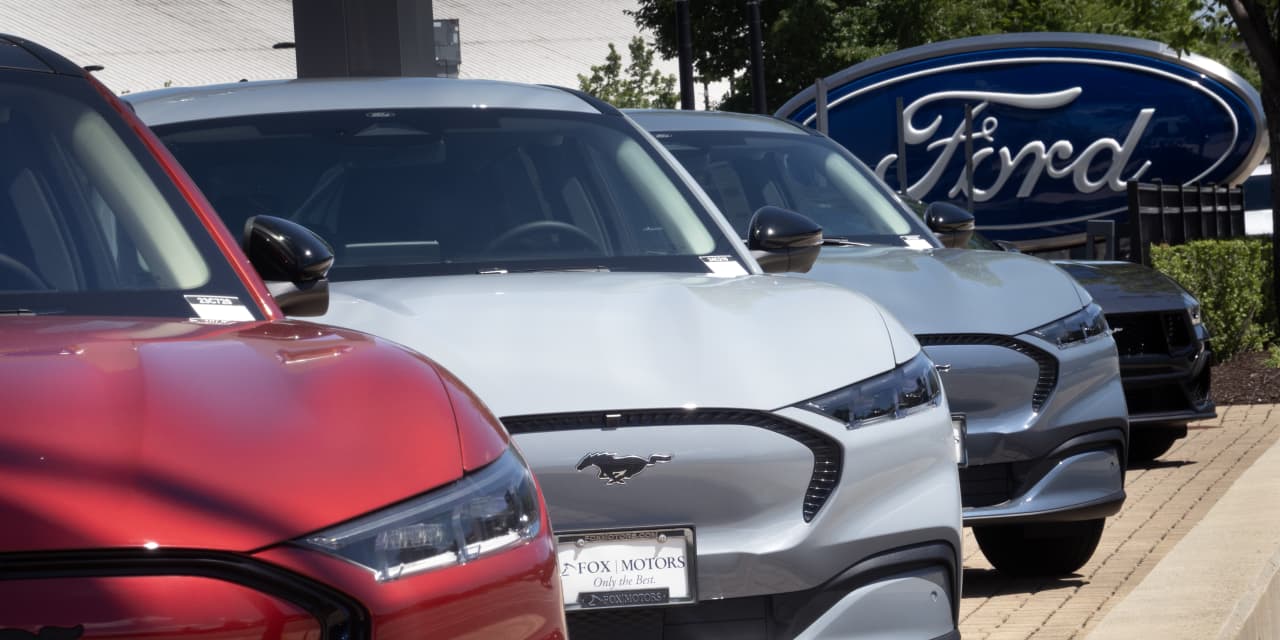
GM Expands Energy Storage and Battery Development Efforts
- Energy Storage Strategy: GM is intensifying its investments in energy storage and data centers, planning to promote various battery chemistries to address rising energy costs, which is expected to significantly enhance the economic benefits for EV owners.
- Sodium-Ion Battery Development: GM is partnering with startup Peak Energy to develop sodium-ion batteries, anticipated to be available for customer use after 2028, which offer advantages in large energy storage systems due to lower cooling requirements and cost benefits.
- Grid Service Capability Enhancement: GM plans to enhance vehicle-to-grid capabilities, allowing EVs to send energy back to the grid during peak hours, thereby helping users reduce energy costs, which is expected to attract more customers to its electric vehicles.
- Charging Convenience Improvement: GM has launched an
See More
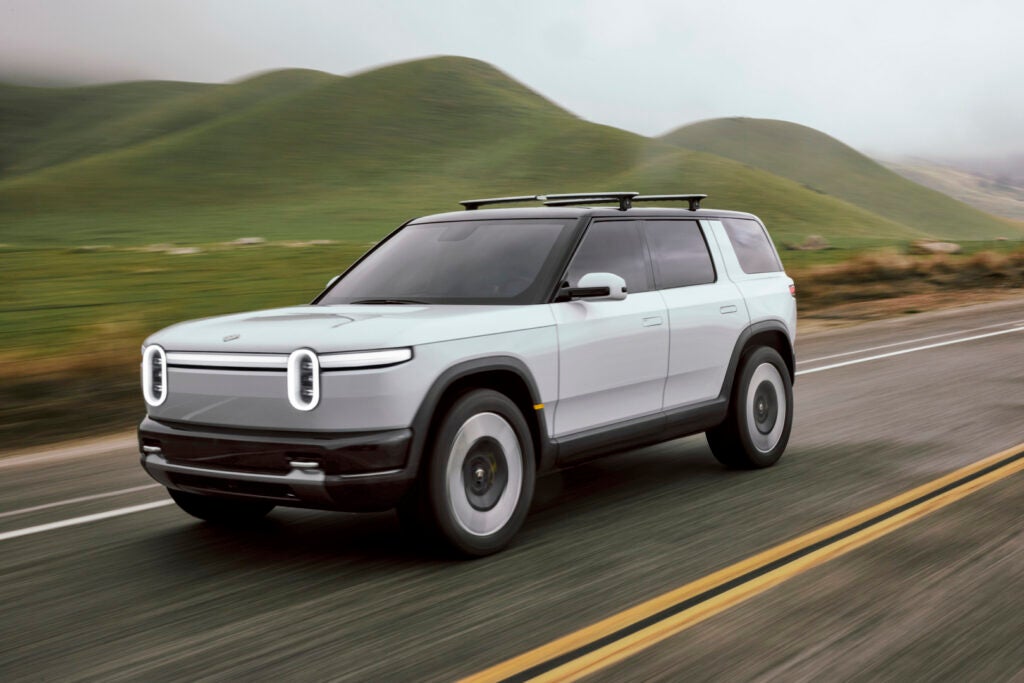
Rivian Launches R2 SUV Aiming for Profitability

- R2 SUV Launch: Rivian unveiled its R2 SUV in Utah, moving the entry-level model priced around $45,000 to next summer, aiming to attract a broader consumer base and increase market share.
- Profitability Goal Reaffirmed: Despite a $3.6 billion loss last year, Rivian plans to achieve unit production profitability with the R2, expecting to significantly reduce its burn rate once the new Georgia plant ramps up production.
- Market Competition Strategy: Priced around $50,000, the R2 SUV aims to compete with Tesla's Model Y and traditional automotive brands, as Rivian seeks to leverage its strong brand to attract non-EV customers and expand its market footprint.
- Enhanced Technology Partnership: Rivian's $5.8 billion deal with Volkswagen to integrate its software and electrical architecture into future EVs showcases its competitive edge in software and autonomous driving technology, further solidifying its market position.
See More

Ford Motor Transitions to Energy Business, Stock Soars 44.4%

- Energy Business Launch: On May 11, Ford officially launched Ford Energy as a subsidiary focused on providing battery energy storage systems for data centers and large industrial customers, marking a strategic pivot into a burgeoning market.
- Significant Market Potential: Ford Energy signed a five-year agreement with EDF power solutions to supply up to 4 GWh of DC BESS annually, with a total potential of 20 GWh over the contract term, indicating strong demand in the battery storage market.
- Notable Technological Advantage: Ford's licensing agreement with Chinese battery maker CATL is seen as a competitive edge, allowing it to carve out a space in the BESS market, with analysts projecting Ford Energy's valuation to reach $10 billion, boosting investor confidence.
- Challenges in Traditional Market: Despite the optimistic outlook for Ford Energy, the company faces pressure in its traditional automotive sales, with total vehicle sales dropping 13.6% year-over-year in May and EV sales plummeting 44%, highlighting the challenges and opportunities between its new and legacy businesses.
See More
Novelis Restarts Production at Key New York Facility for Ford
- Production Resumption: Novelis announced on Wednesday that it has restarted operations at its Oswego, New York facility, which is critical for Ford's F-150 pickup line, after months of downtime due to two fires, helping to alleviate pressure on Ford's lowered 2025 profit forecast caused by aluminum supply bottlenecks.
- Customer Collaboration: Novelis stated it is working closely with customers to ramp up supply, particularly Ford, which is a major consumer as its F-series trucks predominantly use aluminum bodies, meaning the resumption of production will directly impact Ford's production capacity and market supply.
- Financial Impact: The supply bottlenecks caused by the fires have led Ford to flag charges of up to $2 billion, while Novelis reported a loss of approximately $437 million in the fourth quarter, highlighting the vulnerability of the aluminum supply chain and its significant impact on automakers.
- Global Production Adjustments: During the downtime of the New York plant, Novelis relied on its facilities in South Korea and Europe to compensate for production losses, a strategy that alleviated short-term pressures but also underscored the complexity of global supply chains and the degree of reliance on a single facility.
See More
GM Partners with Peak Energy to Develop Sodium-Ion Batteries
- Strategic Partnership: General Motors (GM) has announced a strategic partnership with startup Peak Energy to develop and manufacture next-generation sodium-ion battery cells for grid-scale energy storage, marking a significant expansion of GM's battery technology applications beyond electric vehicles.
- Technological Innovation: The collaboration will leverage GM's Michigan battery labs to develop sodium-ion cells, which Peak Energy will integrate into its proprietary passively cooled storage systems, promising a 20% cost reduction and over 99% uptime, enhancing the reliability of energy storage solutions.
- Market Outlook: This initiative not only signifies GM's repurposing of battery technology but also indicates a diversified investment in the energy storage market, particularly in the area of EV battery recycling, thereby strengthening its competitive position in the industry.
- Investor Sentiment: On Stocktwits, retail sentiment around GM shifted from 'neutral' to 'bullish', reflecting investor optimism regarding GM's entry into the energy storage sector, with GM's stock gaining over 3% this year.
See More
General Motors Accelerates Battery Technology Innovation
- Battery Technology Upgrade: General Motors plans to develop next-generation sodium-ion batteries in collaboration with Peak Energy, expected to launch by 2028, aiming to reduce costs and enhance reliability in energy storage systems, thereby gaining market advantage amid rising energy demand.
- Enhanced Grid Interaction: GM will improve its electric vehicles' capabilities to interact with the grid, allowing users to send energy back during peak hours, which is expected to help reduce energy costs and optimize grid usage, thereby strengthening the company's competitive position in the EV market.
- Cost Control Strategy: The development of sodium-ion batteries will reduce system complexity and cooling requirements, leading to lower upfront and operating costs; GM's battery VP stated that this technology will drive higher energy density, potentially outperforming existing lithium iron phosphate batteries in the future.
- Market Demand Response: With U.S. residential electricity prices rising nearly 48% since January 2020, GM's
See More
GM Expands Energy Storage and Battery Development Efforts
- Energy Storage Strategy: GM is intensifying its investments in energy storage and data centers, planning to promote various battery chemistries to address rising energy costs, which is expected to significantly enhance the economic benefits for EV owners.
- Sodium-Ion Battery Development: GM is partnering with startup Peak Energy to develop sodium-ion batteries, anticipated to be available for customer use after 2028, which offer advantages in large energy storage systems due to lower cooling requirements and cost benefits.
- Grid Service Capability Enhancement: GM plans to enhance vehicle-to-grid capabilities, allowing EVs to send energy back to the grid during peak hours, thereby helping users reduce energy costs, which is expected to attract more customers to its electric vehicles.
- Charging Convenience Improvement: GM has launched an
See More
Rivian Launches R2 SUV Aiming for Profitability
- R2 SUV Launch: Rivian unveiled its R2 SUV in Utah, moving the entry-level model priced around $45,000 to next summer, aiming to attract a broader consumer base and increase market share.
- Profitability Goal Reaffirmed: Despite a $3.6 billion loss last year, Rivian plans to achieve unit production profitability with the R2, expecting to significantly reduce its burn rate once the new Georgia plant ramps up production.
- Market Competition Strategy: Priced around $50,000, the R2 SUV aims to compete with Tesla's Model Y and traditional automotive brands, as Rivian seeks to leverage its strong brand to attract non-EV customers and expand its market footprint.
- Enhanced Technology Partnership: Rivian's $5.8 billion deal with Volkswagen to integrate its software and electrical architecture into future EVs showcases its competitive edge in software and autonomous driving technology, further solidifying its market position.
See More
Ford Motor Transitions to Energy Business, Stock Soars 44.4%
- Energy Business Launch: On May 11, Ford officially launched Ford Energy as a subsidiary focused on providing battery energy storage systems for data centers and large industrial customers, marking a strategic pivot into a burgeoning market.
- Significant Market Potential: Ford Energy signed a five-year agreement with EDF power solutions to supply up to 4 GWh of DC BESS annually, with a total potential of 20 GWh over the contract term, indicating strong demand in the battery storage market.
- Notable Technological Advantage: Ford's licensing agreement with Chinese battery maker CATL is seen as a competitive edge, allowing it to carve out a space in the BESS market, with analysts projecting Ford Energy's valuation to reach $10 billion, boosting investor confidence.
- Challenges in Traditional Market: Despite the optimistic outlook for Ford Energy, the company faces pressure in its traditional automotive sales, with total vehicle sales dropping 13.6% year-over-year in May and EV sales plummeting 44%, highlighting the challenges and opportunities between its new and legacy businesses.
See More