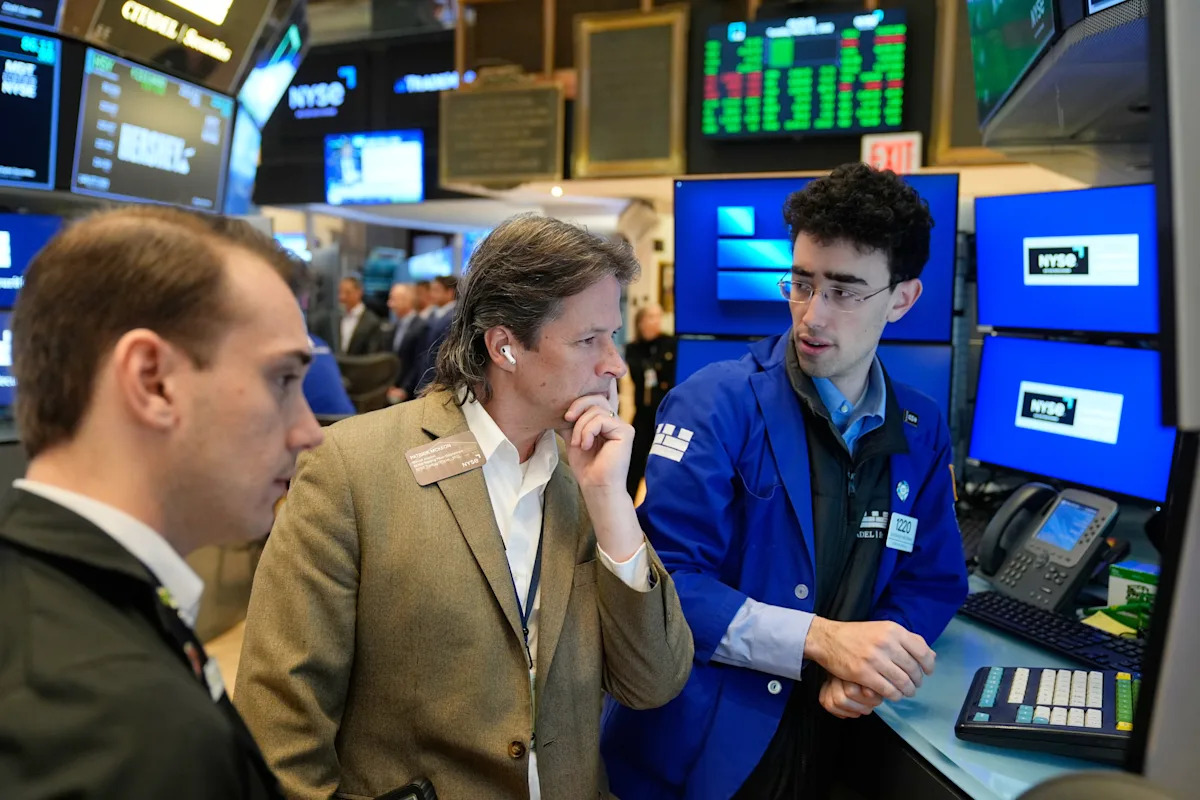
Northrop Grumman Shares Rise 6.84% Following Military Budget Proposal
Written by Emily J. Thompson, Senior Investment Analyst
Updated: Jan 08 2026
0mins


Should l Buy NOC?
Source: Benzinga
- Stock Surge: Northrop Grumman's shares rose 6.84% following President Trump's proposal to increase the 2027 military budget from $1 trillion to $1.5 trillion, indicating market optimism about defense spending that could drive future performance growth.
- Market Reaction: Despite a generally poor market performance, Northrop Grumman's stock increased, reflecting investor confidence in the defense sector, particularly amid current geopolitical tensions where defense spending may become a key economic growth driver.
- Industry Trends: With the anticipated increase in defense budgets, Northrop Grumman is likely to secure more government contracts, enhancing its market share and profitability, thereby solidifying its leadership position in the defense industry.
- Investor Focus: The market remains highly attentive to upcoming economic data, especially initial jobless claims and trade deficit figures, which could influence overall market sentiment and investment decisions.
Trade with 70% Backtested Accuracy
Stop guessing "Should I Buy NOC?" and start using high-conviction signals backed by rigorous historical data.
Sign up today to access powerful investing tools and make smarter, data-driven decisions.
Analyst Views on NOC
Wall Street analysts forecast NOC stock price to rise
13 Analyst Rating
10 Buy
3 Hold
0 Sell
Strong Buy
Current: 673.730

Low
630.00
Averages
684.08
High
770.00
Current: 673.730
Low
630.00
Averages
684.08
High
770.00
About NOC
Northrop Grumman Corporation is a global aerospace and defense technology company. Its segments include Aeronautics Systems, Defense Systems, Mission Systems, and Space Systems. Aeronautics Systems is engaged in the design, development, production, integration, sustainment and modernization of military aircraft systems for the United States Air Force, the United States Navy, other United States government agencies, and international customers. Defense Systems is engaged in the design, engineering, development, integration, and manufacturing of deterrent systems, advanced tactical weapons, and missile defense solutions. Mission Systems is a provider of mission solutions and multifunction systems. Its products and services include command, control, communications and computers, and reconnaissance (C4ISR) systems. Space Systems delivers end-to-end mission solutions through the design, development, integration, production and operation of space, missile defense, and launch systems.
About the author

Emily J. Thompson
Emily J. Thompson, a Chartered Financial Analyst (CFA) with 12 years in investment research, graduated with honors from the Wharton School. Specializing in industrial and technology stocks, she provides in-depth analysis for Intellectia’s earnings and market brief reports.
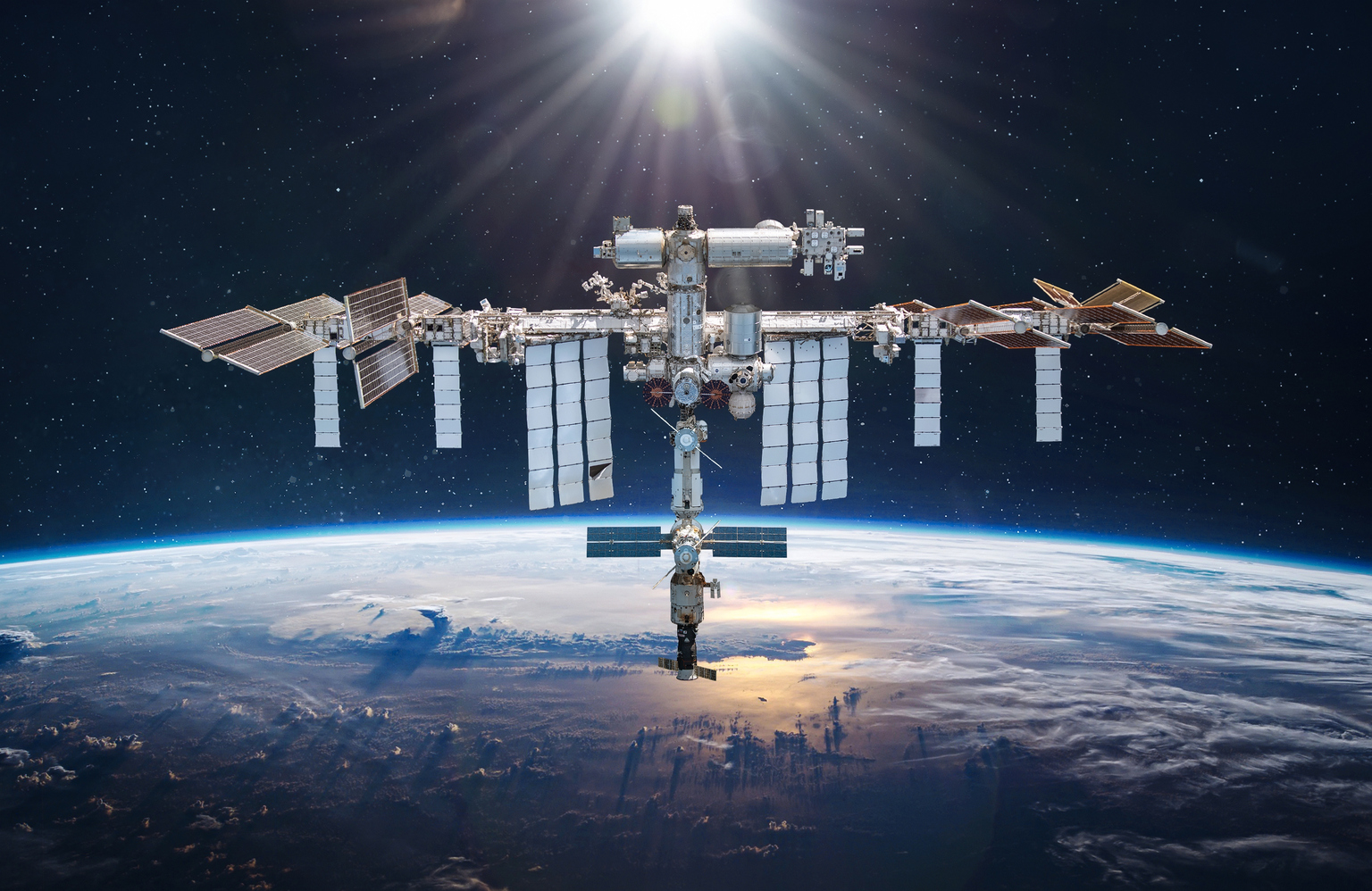
Northrop Grumman Successfully Launches Cargo Mission to ISS
- Successful Launch: Northrop Grumman successfully launched its NG-24 cargo mission on Saturday, delivering nearly 11,000 pounds (4,989.52 kg) of supplies, marking the company's ongoing capability to support the International Space Station.
- New Spacecraft Advantages: The Cygnus XL, introduced in 2025, boasts approximately one-third more carrying capacity than earlier models, enhancing the company's competitive edge in the aerospace market.
- Historical Mission Legacy: Named after former NASA astronaut Steven R. Nagel, the NG-24 spacecraft reflects the company's respect for spaceflight history while strengthening its brand image in the industry.
- Ongoing Commercial Supply: This launch is part of a series of commercial resupply missions that support ongoing operations aboard the International Space Station, highlighting Northrop Grumman's strategic importance in the aerospace sector.
See More
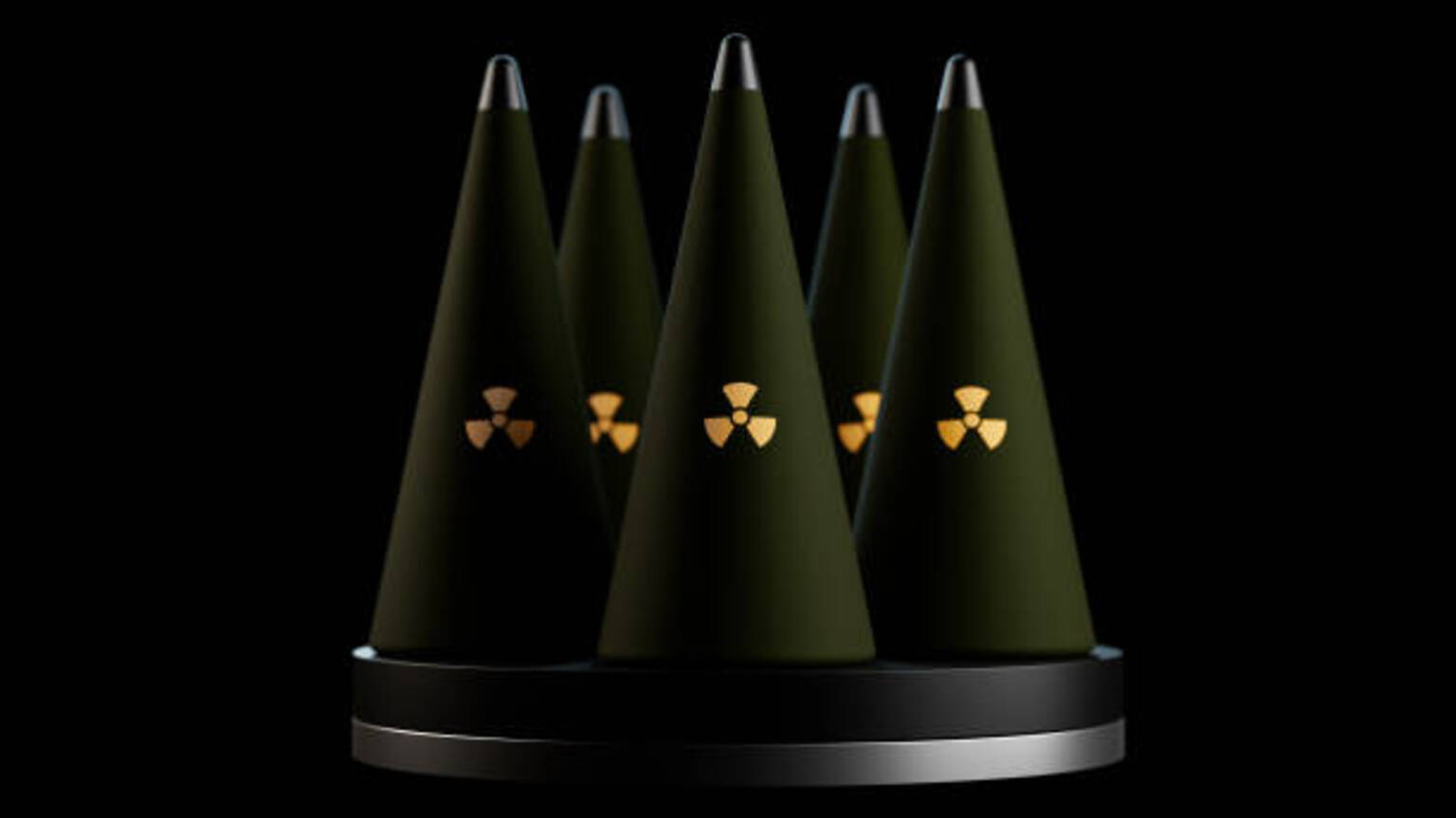
Northrop Grumman Advances LGM-35A Sentinel Missile Program
- Significant Progress: Northrop Grumman and the U.S. Air Force reported major milestones in the LGM-35A Sentinel intercontinental ballistic missile program, with plans for the first flight in 2027 and initial operational capability in the early 2030s, enhancing national defense capabilities.
- Hardware Prototyping: The program has transitioned from digital design to hardware prototyping and early testing, with Northrop Grumman assembling an initial three-stage booster and testing key propulsion components, ensuring readiness for multiple planned test launches of solid rocket motors.
- Infrastructure Modernization: The initiative includes modernization of launch infrastructure, with a new modular launch silo prototype under development to replace existing silos, aimed at reducing long-term maintenance and upgrade costs, thereby enhancing operational efficiency.
- Digital Command and Control: The digital command-and-control element, known as the Launch Support System, has completed its critical design review and is moving into build and testing phases, with further milestones expected in prototyping and system validation leading to eventual deployment.
See More
Northrop Grumman Advances Sentinel Program Towards Initial Capability
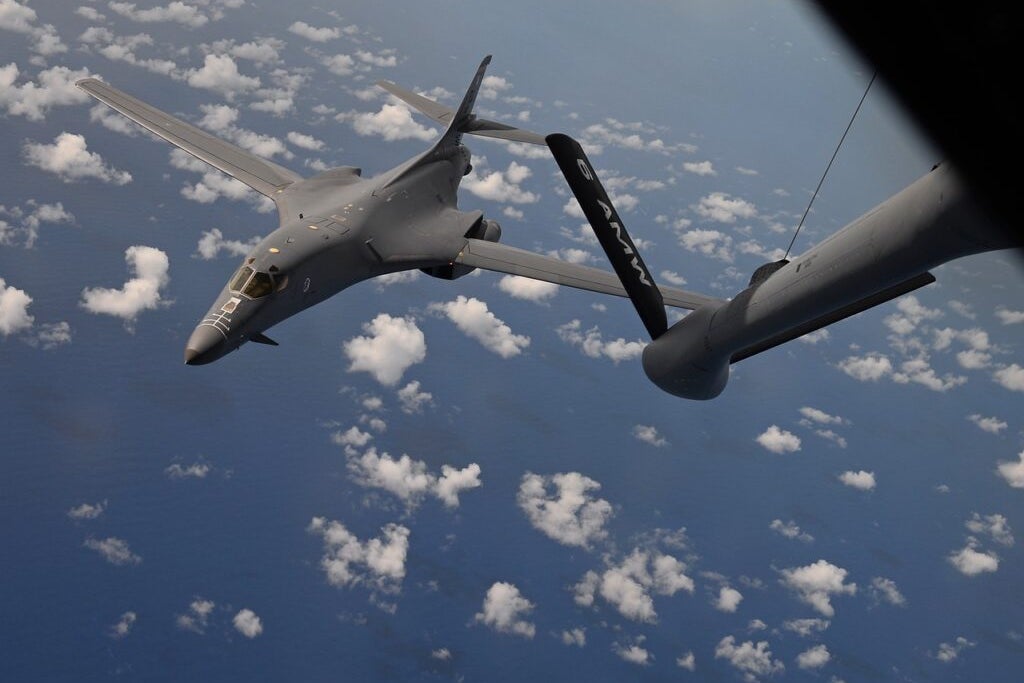
- Significant Progress: Northrop Grumman and the U.S. Air Force have made substantial advancements in the Sentinel program, with the first flight expected in 2027 and initial capability in the early 2030s, marking a major contribution to national security.
- Investment and Collaboration: Over the past five years, the company has invested $13.5 billion in infrastructure and R&D, with $2 billion dedicated to solid rocket motor capacity, enhancing the production capabilities and scalability of the Sentinel system.
- Technological Innovation: The Sentinel missile features a digital design and a three-stage booster that improves accuracy and flexibility, with solid rocket motors that are 70% lighter than Minuteman III, increasing payload capacity and range, ensuring mission success for future operations.
- Infrastructure Development: The new modular launch silo design will replace existing silos, reducing costs and improving performance; Northrop Grumman has begun prototype testing to ensure rapid deployment of the system while meeting future requirements.
See More
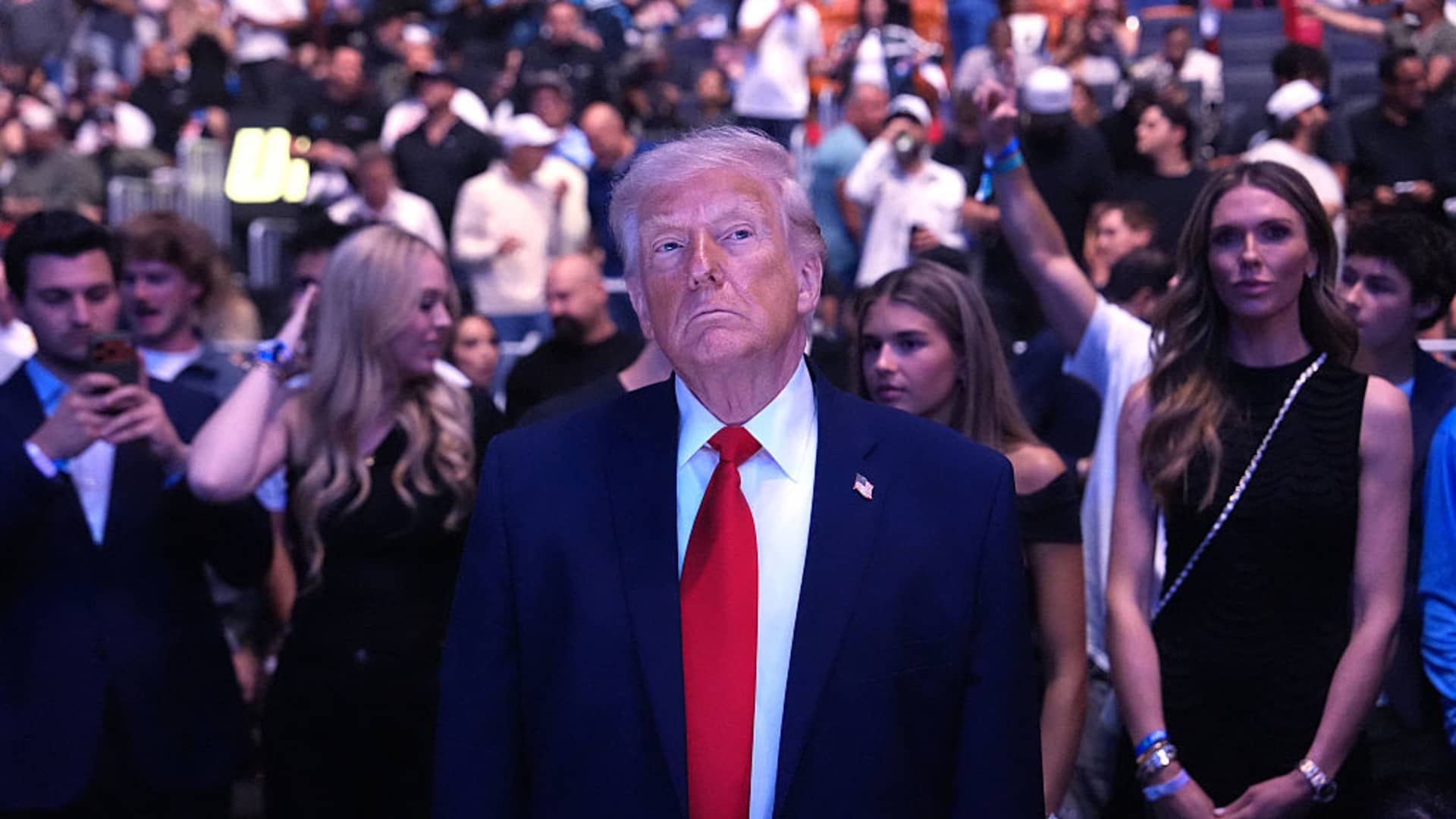
Trump's Weekend Activities and Surge in Oil Prices

- Surge in Oil Prices: Crude oil futures jumped over 8% on Monday as the U.S. Navy prepares to blockade Iranian ports, with U.S. crude surpassing $100 per barrel and Brent also rising over 8%, indicating significant implications for the global energy market.
- Military Blockade Announcement: U.S. Central Command stated that it will begin blocking all maritime traffic entering and exiting Iranian ports at 10 a.m. ET on Monday, a move that could disrupt international supply chains related to Iran and significantly impact global oil prices.
- Trump's Dispute with the Pope: Trump criticized Pope Leo XIV on social media for his stance on the U.S. war in Iran, asserting he does not want a Pope who criticizes him, reflecting a hardline approach in both domestic and foreign policy that may affect his supporters' confidence.
- Hungarian Election Results: The election results in Hungary indicate a victory for the opposition Tisza party, marking the first new government in 16 years, which poses a challenge to Trump and his allies in Europe and may lead to future policy adjustments.
See More
Trump Orders Complete Blockade of Strait of Hormuz Amidst Stalled U.S.-Iran Talks


- Blockade Order: President Trump has ordered a complete blockade of the Strait of Hormuz, prohibiting all vessels from passing, aimed at pressuring Iran to abandon its nuclear weapons pursuit, which could lead to a tightening of global energy supplies.
- Surge in Oil Prices: Trump's announcement of the blockade caused oil prices to surge over 8%, reflecting market concerns over a potential energy crisis while exacerbating investor anxiety and impacting global market performance.
- Market Reaction: Following the blockade news, Asian markets fell in early Monday trading, and U.S. futures also tumbled, with Dow Jones Industrial Average futures losing 517 points, indicating a pessimistic sentiment among investors regarding the economic outlook.
- Decline in Consumer Confidence: American consumer confidence plunged to a record low in April, reflecting the domestic economic impact of the ongoing conflict, further intensifying market uncertainty.
See More

Iran's New Supreme Leader Faces Severe Injuries Amid Geopolitical Tensions

- Leader's Injury Revealed: Iran's new Supreme Leader Mojtaba Khamenei has sustained severe facial disfigurement and serious leg injuries, with some intelligence assessments suggesting possible limb loss, emerging at a highly sensitive geopolitical moment.
- Power Vacuum Intensifies: Khamenei's absence from public view has allowed the Islamic Revolutionary Guard Corps (IRGC) to dominate strategic decision-making, leading analysts to predict a potentially harder line in upcoming diplomatic negotiations.
- Market Uncertainty Rises: Khamenei's designation as a 'janbaz' symbolizes resistance but introduces a significant uncertainty premium for global markets, with investors closely monitoring his ability to articulate a decisive worldview.
- Leadership Stability Affects Markets: With Khamenei's first public appearance estimated to be at least one to two months away, the stability of Iran's leadership has become a key factor influencing the 'risk-off' sentiment affecting emerging market equities.
See More
Northrop Grumman Successfully Launches Cargo Mission to ISS
- Successful Launch: Northrop Grumman successfully launched its NG-24 cargo mission on Saturday, delivering nearly 11,000 pounds (4,989.52 kg) of supplies, marking the company's ongoing capability to support the International Space Station.
- New Spacecraft Advantages: The Cygnus XL, introduced in 2025, boasts approximately one-third more carrying capacity than earlier models, enhancing the company's competitive edge in the aerospace market.
- Historical Mission Legacy: Named after former NASA astronaut Steven R. Nagel, the NG-24 spacecraft reflects the company's respect for spaceflight history while strengthening its brand image in the industry.
- Ongoing Commercial Supply: This launch is part of a series of commercial resupply missions that support ongoing operations aboard the International Space Station, highlighting Northrop Grumman's strategic importance in the aerospace sector.
See More
Northrop Grumman Advances LGM-35A Sentinel Missile Program
- Significant Progress: Northrop Grumman and the U.S. Air Force reported major milestones in the LGM-35A Sentinel intercontinental ballistic missile program, with plans for the first flight in 2027 and initial operational capability in the early 2030s, enhancing national defense capabilities.
- Hardware Prototyping: The program has transitioned from digital design to hardware prototyping and early testing, with Northrop Grumman assembling an initial three-stage booster and testing key propulsion components, ensuring readiness for multiple planned test launches of solid rocket motors.
- Infrastructure Modernization: The initiative includes modernization of launch infrastructure, with a new modular launch silo prototype under development to replace existing silos, aimed at reducing long-term maintenance and upgrade costs, thereby enhancing operational efficiency.
- Digital Command and Control: The digital command-and-control element, known as the Launch Support System, has completed its critical design review and is moving into build and testing phases, with further milestones expected in prototyping and system validation leading to eventual deployment.
See More
Northrop Grumman Advances Sentinel Program Towards Initial Capability
- Significant Progress: Northrop Grumman and the U.S. Air Force have made substantial advancements in the Sentinel program, with the first flight expected in 2027 and initial capability in the early 2030s, marking a major contribution to national security.
- Investment and Collaboration: Over the past five years, the company has invested $13.5 billion in infrastructure and R&D, with $2 billion dedicated to solid rocket motor capacity, enhancing the production capabilities and scalability of the Sentinel system.
- Technological Innovation: The Sentinel missile features a digital design and a three-stage booster that improves accuracy and flexibility, with solid rocket motors that are 70% lighter than Minuteman III, increasing payload capacity and range, ensuring mission success for future operations.
- Infrastructure Development: The new modular launch silo design will replace existing silos, reducing costs and improving performance; Northrop Grumman has begun prototype testing to ensure rapid deployment of the system while meeting future requirements.
See More
Trump's Weekend Activities and Surge in Oil Prices
- Surge in Oil Prices: Crude oil futures jumped over 8% on Monday as the U.S. Navy prepares to blockade Iranian ports, with U.S. crude surpassing $100 per barrel and Brent also rising over 8%, indicating significant implications for the global energy market.
- Military Blockade Announcement: U.S. Central Command stated that it will begin blocking all maritime traffic entering and exiting Iranian ports at 10 a.m. ET on Monday, a move that could disrupt international supply chains related to Iran and significantly impact global oil prices.
- Trump's Dispute with the Pope: Trump criticized Pope Leo XIV on social media for his stance on the U.S. war in Iran, asserting he does not want a Pope who criticizes him, reflecting a hardline approach in both domestic and foreign policy that may affect his supporters' confidence.
- Hungarian Election Results: The election results in Hungary indicate a victory for the opposition Tisza party, marking the first new government in 16 years, which poses a challenge to Trump and his allies in Europe and may lead to future policy adjustments.
See More
Trump Orders Complete Blockade of Strait of Hormuz Amidst Stalled U.S.-Iran Talks
- Blockade Order: President Trump has ordered a complete blockade of the Strait of Hormuz, prohibiting all vessels from passing, aimed at pressuring Iran to abandon its nuclear weapons pursuit, which could lead to a tightening of global energy supplies.
- Surge in Oil Prices: Trump's announcement of the blockade caused oil prices to surge over 8%, reflecting market concerns over a potential energy crisis while exacerbating investor anxiety and impacting global market performance.
- Market Reaction: Following the blockade news, Asian markets fell in early Monday trading, and U.S. futures also tumbled, with Dow Jones Industrial Average futures losing 517 points, indicating a pessimistic sentiment among investors regarding the economic outlook.
- Decline in Consumer Confidence: American consumer confidence plunged to a record low in April, reflecting the domestic economic impact of the ongoing conflict, further intensifying market uncertainty.
See More
Iran's New Supreme Leader Faces Severe Injuries Amid Geopolitical Tensions
- Leader's Injury Revealed: Iran's new Supreme Leader Mojtaba Khamenei has sustained severe facial disfigurement and serious leg injuries, with some intelligence assessments suggesting possible limb loss, emerging at a highly sensitive geopolitical moment.
- Power Vacuum Intensifies: Khamenei's absence from public view has allowed the Islamic Revolutionary Guard Corps (IRGC) to dominate strategic decision-making, leading analysts to predict a potentially harder line in upcoming diplomatic negotiations.
- Market Uncertainty Rises: Khamenei's designation as a 'janbaz' symbolizes resistance but introduces a significant uncertainty premium for global markets, with investors closely monitoring his ability to articulate a decisive worldview.
- Leadership Stability Affects Markets: With Khamenei's first public appearance estimated to be at least one to two months away, the stability of Iran's leadership has become a key factor influencing the 'risk-off' sentiment affecting emerging market equities.
See More