Northrop Grumman and 4iG Collaborate on Hungary's First Communication Satellite
Written by Emily J. Thompson, Senior Investment Analyst
Updated: 1 day ago
0mins
Should l Buy NOC?
Source: seekingalpha
- Satellite Project Launch: Northrop Grumman and 4iG Space and Defence Technologies announced on Tuesday the commencement of Hungary's first domestically controlled geosynchronous communication satellite, marking a significant step towards greater national control over critical communications infrastructure.
- Platform Selection: The satellite will be based on Northrop Grumman's GEOStar-3 platform, which has supported over 50 missions globally and is widely used for military and commercial communications systems, offering a standardized architecture designed for geosynchronous orbit operations.
- Cooperation Agreement Deepening: This project builds on a previously signed memorandum of understanding between the two companies, aiming to combine Northrop Grumman's manufacturing capabilities with 4iG's regional role to meet Hungary's security and communications needs.
- Regional Secure Connectivity: The satellite is intended to support secure data transmission across Central and Eastern Europe, reflecting the growing demand among governments for independent and resilient communications systems, reducing reliance on third-party infrastructure while enabling expanded commercial services.
Trade with 70% Backtested Accuracy
Stop guessing "Should I Buy NOC?" and start using high-conviction signals backed by rigorous historical data.
Sign up today to access powerful investing tools and make smarter, data-driven decisions.
Analyst Views on NOC
Wall Street analysts forecast NOC stock price to fall
13 Analyst Rating
10 Buy
3 Hold
0 Sell
Strong Buy
Current: 687.470

Low
630.00
Averages
684.08
High
770.00
Current: 687.470
Low
630.00
Averages
684.08
High
770.00
About NOC
Northrop Grumman Corporation is a global aerospace and defense technology company. Its segments include Aeronautics Systems, Defense Systems, Mission Systems, and Space Systems. Aeronautics Systems is engaged in the design, development, production, integration, sustainment and modernization of military aircraft systems for the United States Air Force, the United States Navy, other United States government agencies, and international customers. Defense Systems is engaged in the design, engineering, development, integration, and manufacturing of deterrent systems, advanced tactical weapons, and missile defense solutions. Mission Systems is a provider of mission solutions and multifunction systems. Its products and services include command, control, communications and computers, and reconnaissance (C4ISR) systems. Space Systems delivers end-to-end mission solutions through the design, development, integration, production and operation of space, missile defense, and launch systems.
About the author

Emily J. Thompson
Emily J. Thompson, a Chartered Financial Analyst (CFA) with 12 years in investment research, graduated with honors from the Wharton School. Specializing in industrial and technology stocks, she provides in-depth analysis for Intellectia’s earnings and market brief reports.
Northrop Grumman Successfully Launches Multiple Satellites for U.S. Space Force
- Successful Launch: Northrop Grumman successfully launched multiple satellites on Wednesday as part of the STP-S29A mission, utilizing its Minotaur IV rocket, which further solidifies its launch capabilities in the national security sector.
- Rocket Design Upgrade: The Minotaur IV rocket employs decommissioned Peacekeeper missile motors combined with Northrop Grumman's commercial launch technologies, with recent design changes aimed at simplifying manufacturing and mission preparation, thereby enhancing overall performance and accelerating launch readiness.
- Support for National Security Missions: This launch supports the U.S. Space Force's Rocket Systems Launch Program, designed to provide flexible and relatively low-cost access to space for government payloads, ensuring reliable launch capabilities for national security needs.
- Ongoing Improvements: Wes Collier, Northrop Grumman's vice president, stated that the mission reflects ongoing efforts to refine the Minotaur IV system, aiming to adjust the rocket's design for future missions and ensure long-term reliability in national security applications.
See More
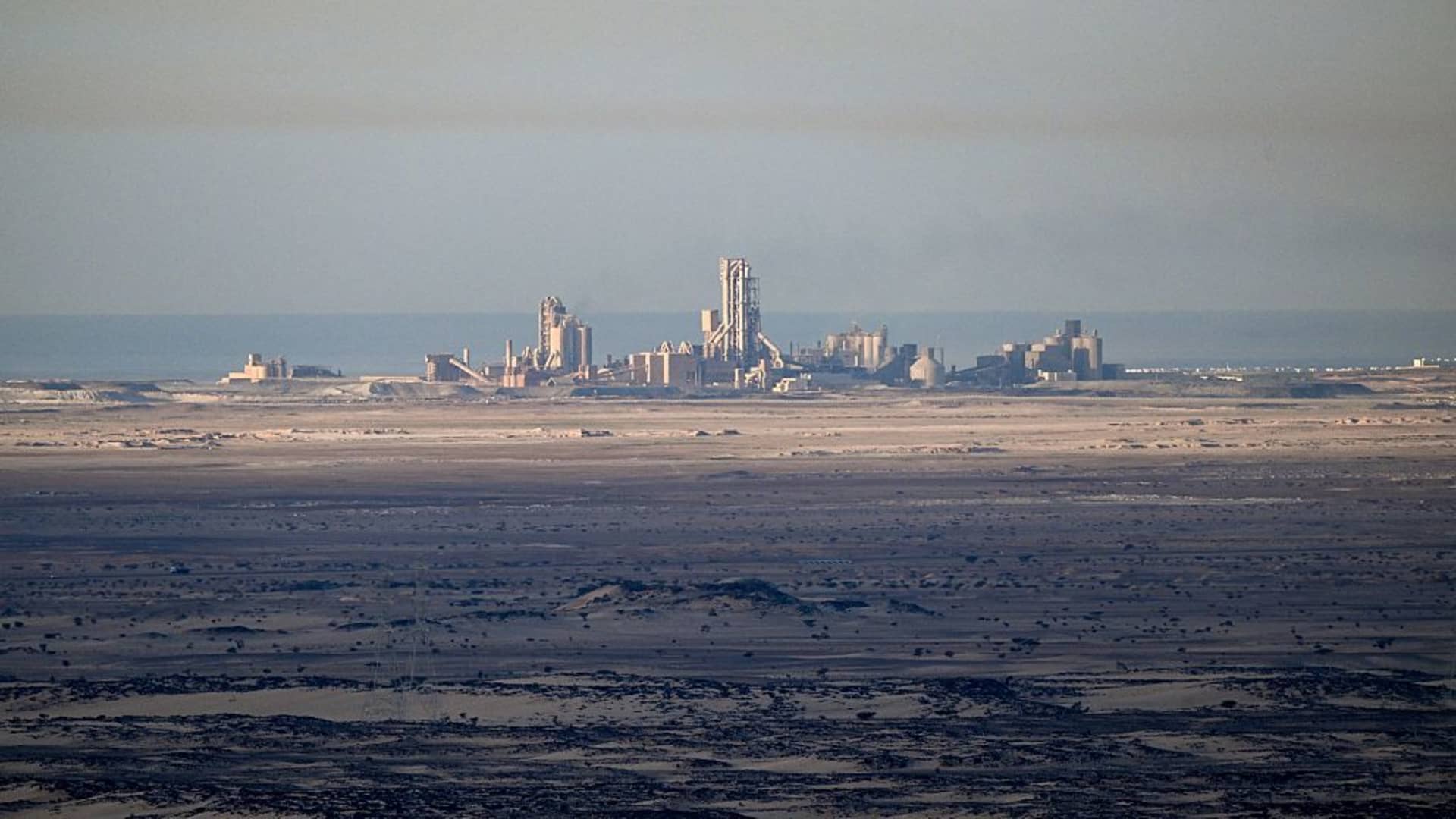
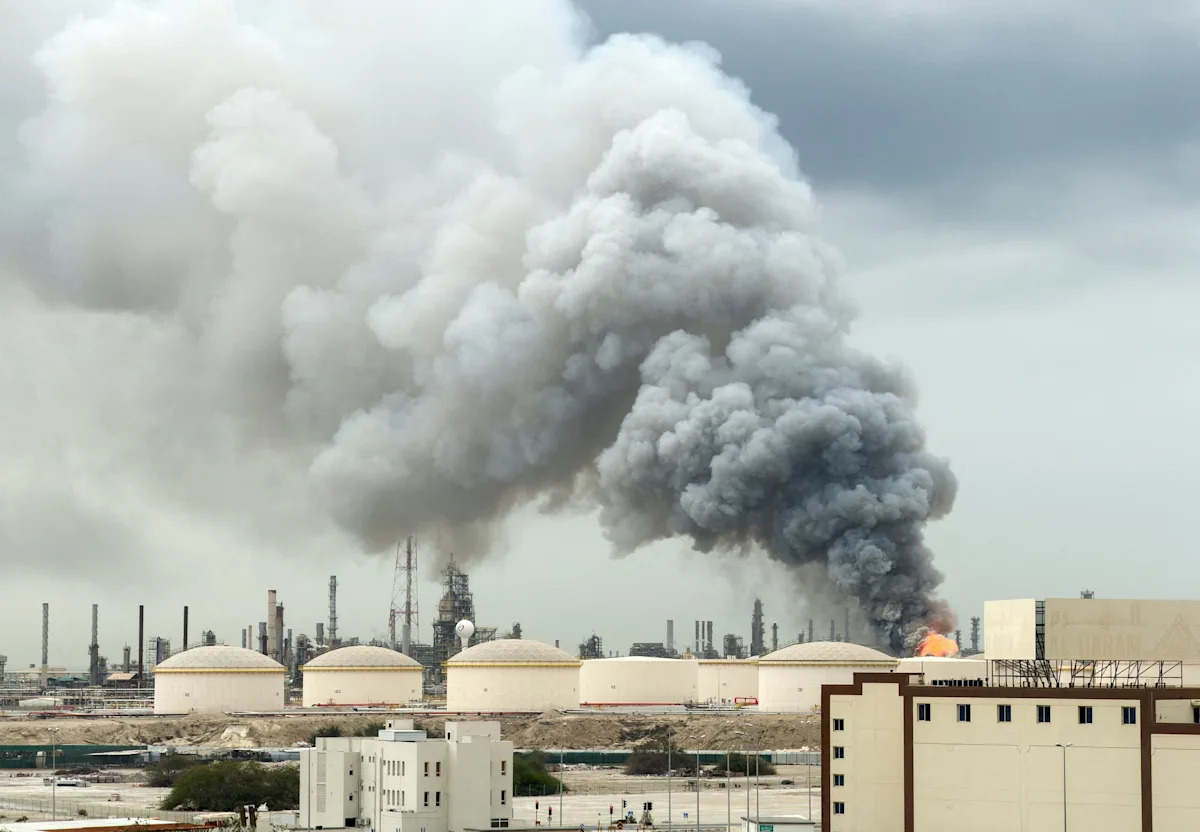
Fragile U.S.-Iran Ceasefire Tested Amid Oil Price Volatility


- Oil Price Fluctuations: Iran's attack on Saudi Arabia's Red Sea pipeline has cut throughput by 700,000 barrels per day, causing oil prices to hover below $100 per barrel, which exacerbates uncertainty in global markets.
- Ceasefire Negotiations Tension: U.S. and Iranian negotiators are set to meet in Pakistan, and despite heated rhetoric, there remains a willingness to maintain the ceasefire, which could impact future energy supply and price stability.
- Global Economic Impact: China's factory-gate prices have risen for the first time in over three years, indicating the war's disruption of global energy markets, potentially leading to increased inflationary pressures for the Federal Reserve.
- Political Landscape Attention: The British Prime Minister expressed frustration over energy price volatility, highlighting the influence of international politics on domestic economies, which underscores the far-reaching effects of global political dynamics on markets.
See More

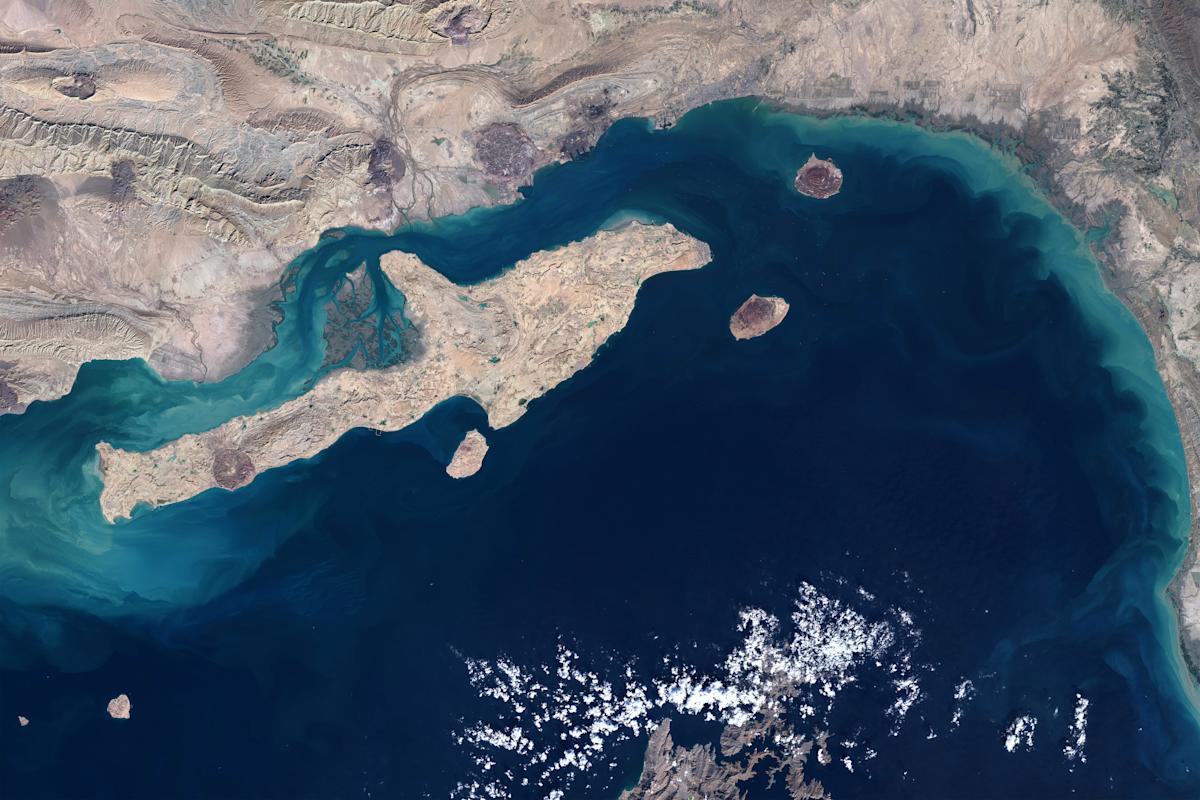
Closure of Strait of Hormuz Triggers Global Energy Crisis
- Market Reaction: Oil prices surged above $100 per barrel due to the closure of the Strait of Hormuz, reflecting market concerns over tight energy supplies that could lead to a global economic slowdown.
- Transport Restrictions: The CEO of Abu Dhabi National Oil Co. confirmed that the Strait of Hormuz is not open to shipping, with traffic being restricted, which will further exacerbate international oil price volatility and impact the global energy supply chain.
- Geopolitical Tensions: Iran's plan to charge shipping companies cryptocurrency tolls for passage through the Strait could provoke strong international backlash, increasing the risk of regional conflict.
- Emergency Measures Escalate: Japan is reportedly considering releasing about 20 days' worth of oil reserves as early as May to address the global supply crisis, demonstrating the urgency and strategic responses of governments facing energy shortages.
See More
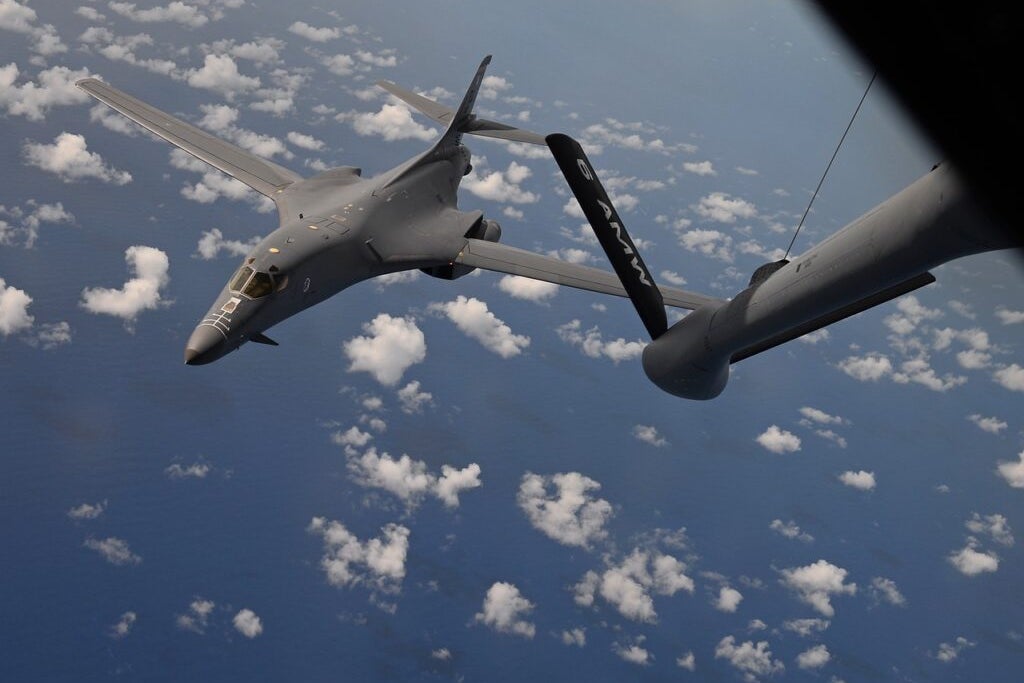
NORTHROP GRUMMAN: JEFFERIES INCREASES TARGET PRICE TO $710, UP FROM $690
- Target Price Increase: Jeffries raises the target price for Northrop Grumman from $690 to $710.
- Market Implications: This adjustment reflects a positive outlook on Northrop Grumman's performance and potential growth in the market.
See More
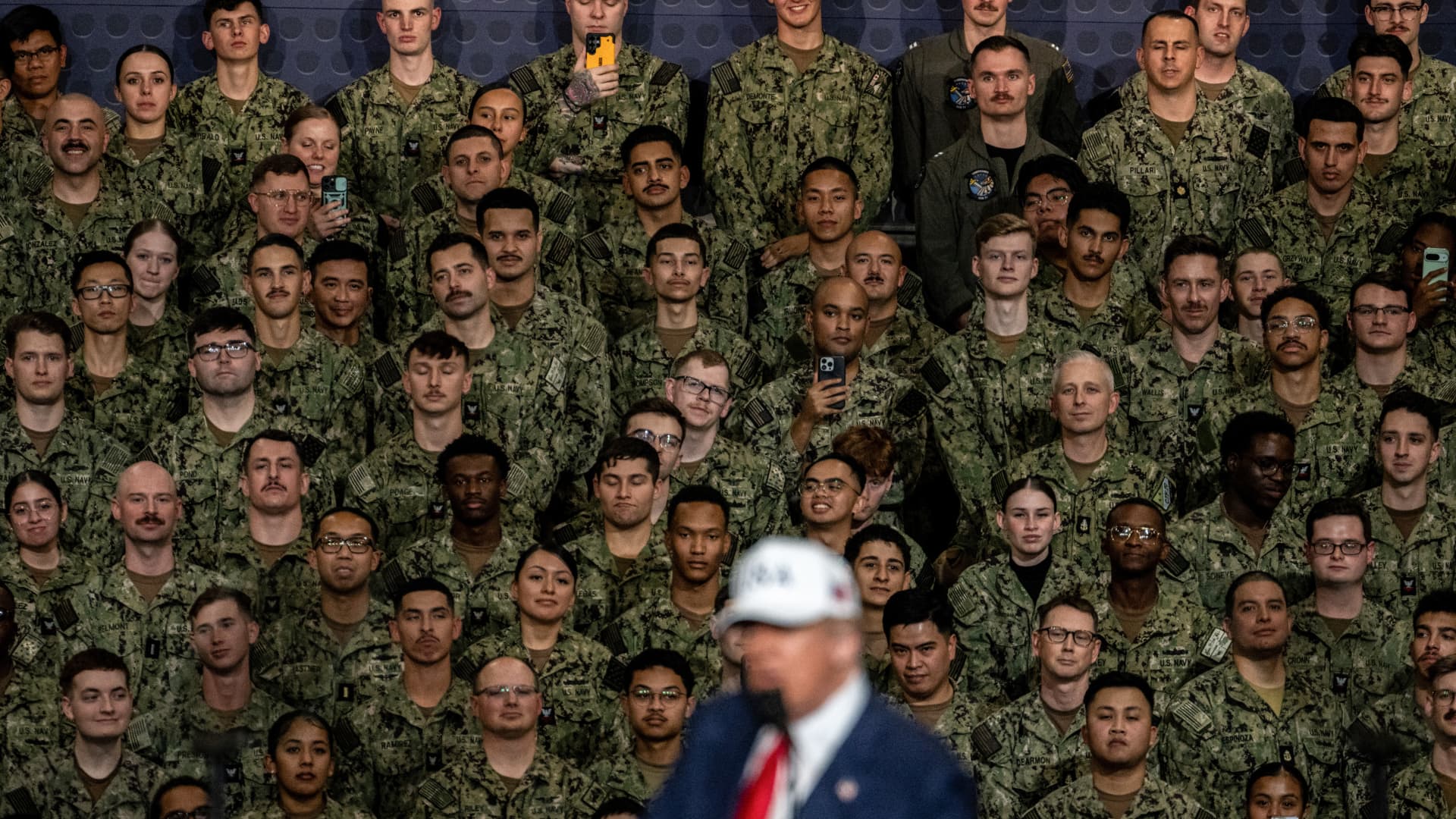
Trump Reaffirms Tough Stance on Iran Amid Fragile Ceasefire
- Military Deployment Continues: Trump stated that U.S. military forces will remain deployed in and around Iran until Tehran fully complies with what he calls the 'real agreement', indicating a sustained U.S. military presence in the Middle East that may escalate regional tensions.
- Escalating Threats to Iran: Trump warned that any breach of the agreement would trigger a military response larger than ever seen before, which could raise market concerns about potential disruptions in energy supplies, thereby affecting oil price volatility.
- Strained NATO Relations: Trump criticized NATO for not supporting the U.S. when needed, highlighting a deterioration in relations with traditional allies that could impact future international cooperation and security policies.
- Iran Accuses U.S. of Violating Agreement: Iran's parliamentary speaker accused the U.S. of violating the two-week ceasefire agreement, citing actions such as Israeli attacks on Lebanon, which could further deteriorate U.S.-Iran relations and affect global market stability.
See More
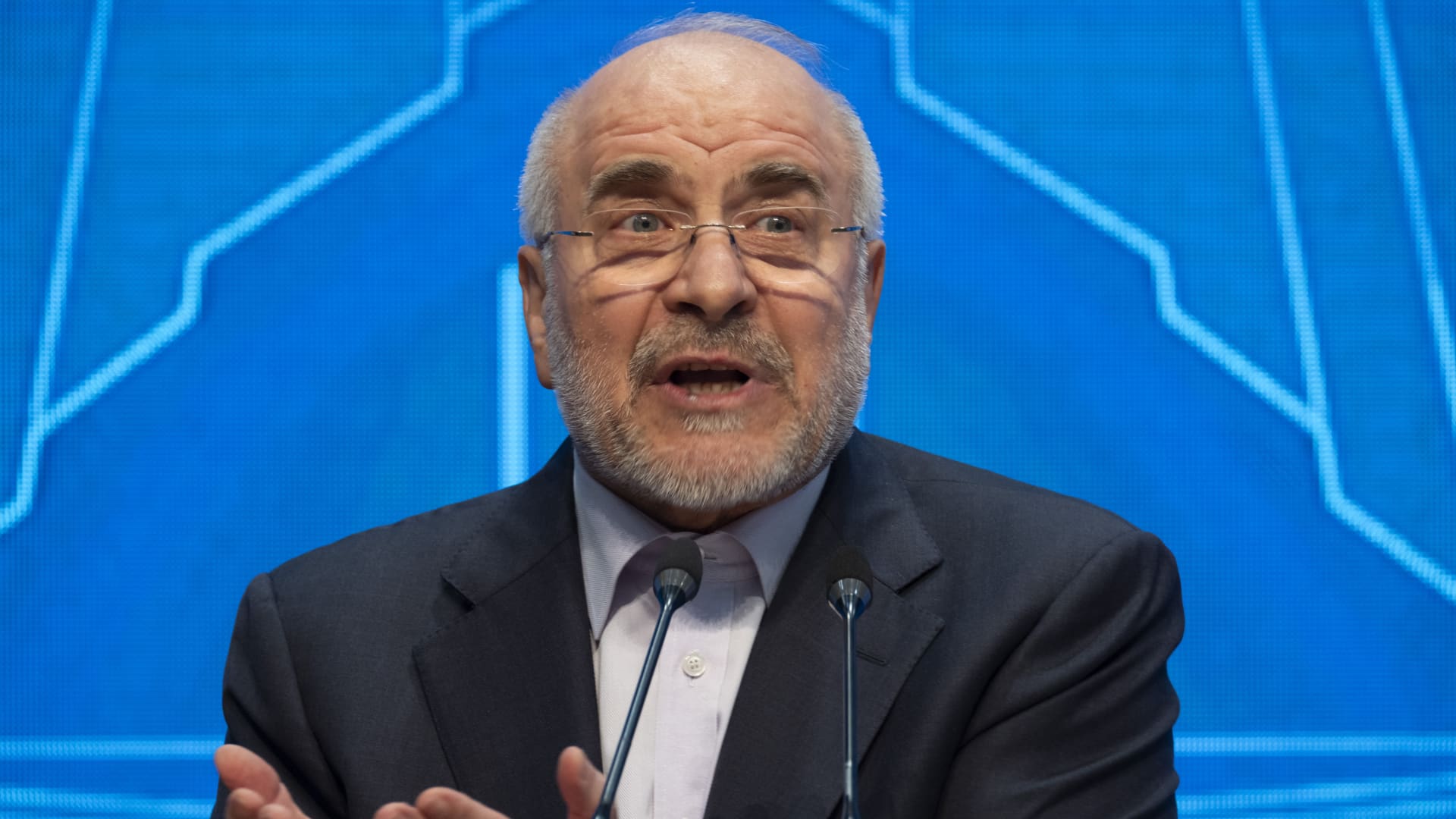
Fragile Ceasefire Agreement Between U.S. and Iran Raises Market Concerns
- Fragile Ceasefire: Just a day after the U.S.-Iran ceasefire was announced, Iranian parliamentary speaker Mohammad Bagher Ghalibaf accused the U.S. of violating three key terms, leading to a loss of market confidence and potential disruptions in global energy supply chains.
- Market Reaction: The ceasefire initially triggered a relief rally across global markets; however, following Iran's accusations, Brent crude and U.S. West Texas Intermediate futures rose in Asian trading, indicating market uncertainty about future developments.
- Strait of Hormuz Traffic: Although the ceasefire agreement mandates the reopening of the Strait of Hormuz to normal shipping traffic, actual vessel traffic remains low, raising concerns about energy supply and further contributing to oil price volatility.
- Fed Policy Signals: Minutes from the Federal Reserve's latest meeting indicate that officials still expect to lower interest rates this year, providing additional support for risk assets, but escalating geopolitical risks could undermine this outlook.
See More
Northrop Grumman Successfully Launches Multiple Satellites for U.S. Space Force
- Successful Launch: Northrop Grumman successfully launched multiple satellites on Wednesday as part of the STP-S29A mission, utilizing its Minotaur IV rocket, which further solidifies its launch capabilities in the national security sector.
- Rocket Design Upgrade: The Minotaur IV rocket employs decommissioned Peacekeeper missile motors combined with Northrop Grumman's commercial launch technologies, with recent design changes aimed at simplifying manufacturing and mission preparation, thereby enhancing overall performance and accelerating launch readiness.
- Support for National Security Missions: This launch supports the U.S. Space Force's Rocket Systems Launch Program, designed to provide flexible and relatively low-cost access to space for government payloads, ensuring reliable launch capabilities for national security needs.
- Ongoing Improvements: Wes Collier, Northrop Grumman's vice president, stated that the mission reflects ongoing efforts to refine the Minotaur IV system, aiming to adjust the rocket's design for future missions and ensure long-term reliability in national security applications.
See More
Fragile U.S.-Iran Ceasefire Tested Amid Oil Price Volatility
- Oil Price Fluctuations: Iran's attack on Saudi Arabia's Red Sea pipeline has cut throughput by 700,000 barrels per day, causing oil prices to hover below $100 per barrel, which exacerbates uncertainty in global markets.
- Ceasefire Negotiations Tension: U.S. and Iranian negotiators are set to meet in Pakistan, and despite heated rhetoric, there remains a willingness to maintain the ceasefire, which could impact future energy supply and price stability.
- Global Economic Impact: China's factory-gate prices have risen for the first time in over three years, indicating the war's disruption of global energy markets, potentially leading to increased inflationary pressures for the Federal Reserve.
- Political Landscape Attention: The British Prime Minister expressed frustration over energy price volatility, highlighting the influence of international politics on domestic economies, which underscores the far-reaching effects of global political dynamics on markets.
See More
Closure of Strait of Hormuz Triggers Global Energy Crisis
- Market Reaction: Oil prices surged above $100 per barrel due to the closure of the Strait of Hormuz, reflecting market concerns over tight energy supplies that could lead to a global economic slowdown.
- Transport Restrictions: The CEO of Abu Dhabi National Oil Co. confirmed that the Strait of Hormuz is not open to shipping, with traffic being restricted, which will further exacerbate international oil price volatility and impact the global energy supply chain.
- Geopolitical Tensions: Iran's plan to charge shipping companies cryptocurrency tolls for passage through the Strait could provoke strong international backlash, increasing the risk of regional conflict.
- Emergency Measures Escalate: Japan is reportedly considering releasing about 20 days' worth of oil reserves as early as May to address the global supply crisis, demonstrating the urgency and strategic responses of governments facing energy shortages.
See More
NORTHROP GRUMMAN: JEFFERIES INCREASES TARGET PRICE TO $710, UP FROM $690
- Target Price Increase: Jeffries raises the target price for Northrop Grumman from $690 to $710.
- Market Implications: This adjustment reflects a positive outlook on Northrop Grumman's performance and potential growth in the market.
See More
Trump Reaffirms Tough Stance on Iran Amid Fragile Ceasefire
- Military Deployment Continues: Trump stated that U.S. military forces will remain deployed in and around Iran until Tehran fully complies with what he calls the 'real agreement', indicating a sustained U.S. military presence in the Middle East that may escalate regional tensions.
- Escalating Threats to Iran: Trump warned that any breach of the agreement would trigger a military response larger than ever seen before, which could raise market concerns about potential disruptions in energy supplies, thereby affecting oil price volatility.
- Strained NATO Relations: Trump criticized NATO for not supporting the U.S. when needed, highlighting a deterioration in relations with traditional allies that could impact future international cooperation and security policies.
- Iran Accuses U.S. of Violating Agreement: Iran's parliamentary speaker accused the U.S. of violating the two-week ceasefire agreement, citing actions such as Israeli attacks on Lebanon, which could further deteriorate U.S.-Iran relations and affect global market stability.
See More
Fragile Ceasefire Agreement Between U.S. and Iran Raises Market Concerns
- Fragile Ceasefire: Just a day after the U.S.-Iran ceasefire was announced, Iranian parliamentary speaker Mohammad Bagher Ghalibaf accused the U.S. of violating three key terms, leading to a loss of market confidence and potential disruptions in global energy supply chains.
- Market Reaction: The ceasefire initially triggered a relief rally across global markets; however, following Iran's accusations, Brent crude and U.S. West Texas Intermediate futures rose in Asian trading, indicating market uncertainty about future developments.
- Strait of Hormuz Traffic: Although the ceasefire agreement mandates the reopening of the Strait of Hormuz to normal shipping traffic, actual vessel traffic remains low, raising concerns about energy supply and further contributing to oil price volatility.
- Fed Policy Signals: Minutes from the Federal Reserve's latest meeting indicate that officials still expect to lower interest rates this year, providing additional support for risk assets, but escalating geopolitical risks could undermine this outlook.
See More