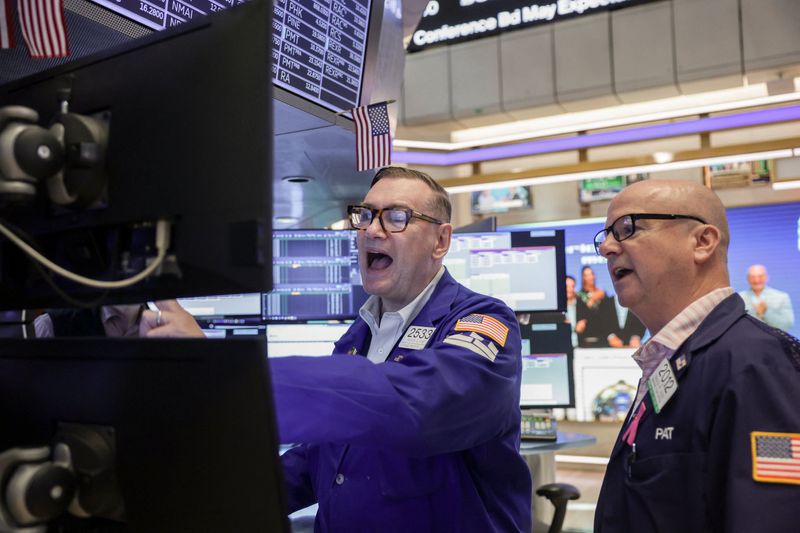
Nomura Holdings Q1 Financial Highlights
Written by Emily J. Thompson, Senior Investment Analyst
Updated: Apr 24 2026
0mins
Source: seekingalpha
- Earnings Performance: Nomura Holdings reported a GAAP EPS of ¥118.99 for Q1, indicating stability in a volatile market despite limited year-over-year growth, which may reassure investors about the company's resilience.
- Revenue Growth: The company achieved Q1 revenue of ¥4,758.49 billion, reflecting a modest 0.5% year-over-year increase, showcasing its operational capability in the global capital markets amid economic uncertainties.
- Lack of Earnings Forecast: Nomura has refrained from providing earnings and dividend forecasts for the year ending March 31, 2027, due to uncertainties in the global capital markets, which could lead to investor caution regarding future performance expectations.
- Market Environment Challenges: The ongoing uncertainties in economic and market conditions highlight Nomura's cautious approach, which may impact its stock performance as the company navigates potential risks in the capital markets.
Trade with 70% Backtested Accuracy
Stop guessing "Should I Buy NMR?" and start using high-conviction signals backed by rigorous historical data.
Sign up today to access powerful investing tools and make smarter, data-driven decisions.
Analyst Views on NMR
About NMR
Nomura Holdings Inc is a Japan-based company mainly engaged in the securities, investment, and other financial services business across the world. The Company has three business segments. The Sales segment provides investment consultation services to individual clients in Japan. The Investment Management segment provides investment management services and investment solutions, including the establishment and management of investment trusts, discretionary investment services for domestic and foreign investors, fund management and administration for investment corporations and institutional investors, and silent partnership management. The Wholesale segment is engaged in the sale and trading of bonds, equity securities, derivatives, and foreign exchange, as well as investment banking services such as the bonds and securities underwriting business, merger and acquisition (M&A) business and financial advisory services. The Company operates in Japan, the Americas, Europe, Asia and Oceania.
About the author

Emily J. Thompson
Emily J. Thompson, a Chartered Financial Analyst (CFA) with 12 years in investment research, graduated with honors from the Wharton School. Specializing in industrial and technology stocks, she provides in-depth analysis for Intellectia’s earnings and market brief reports.
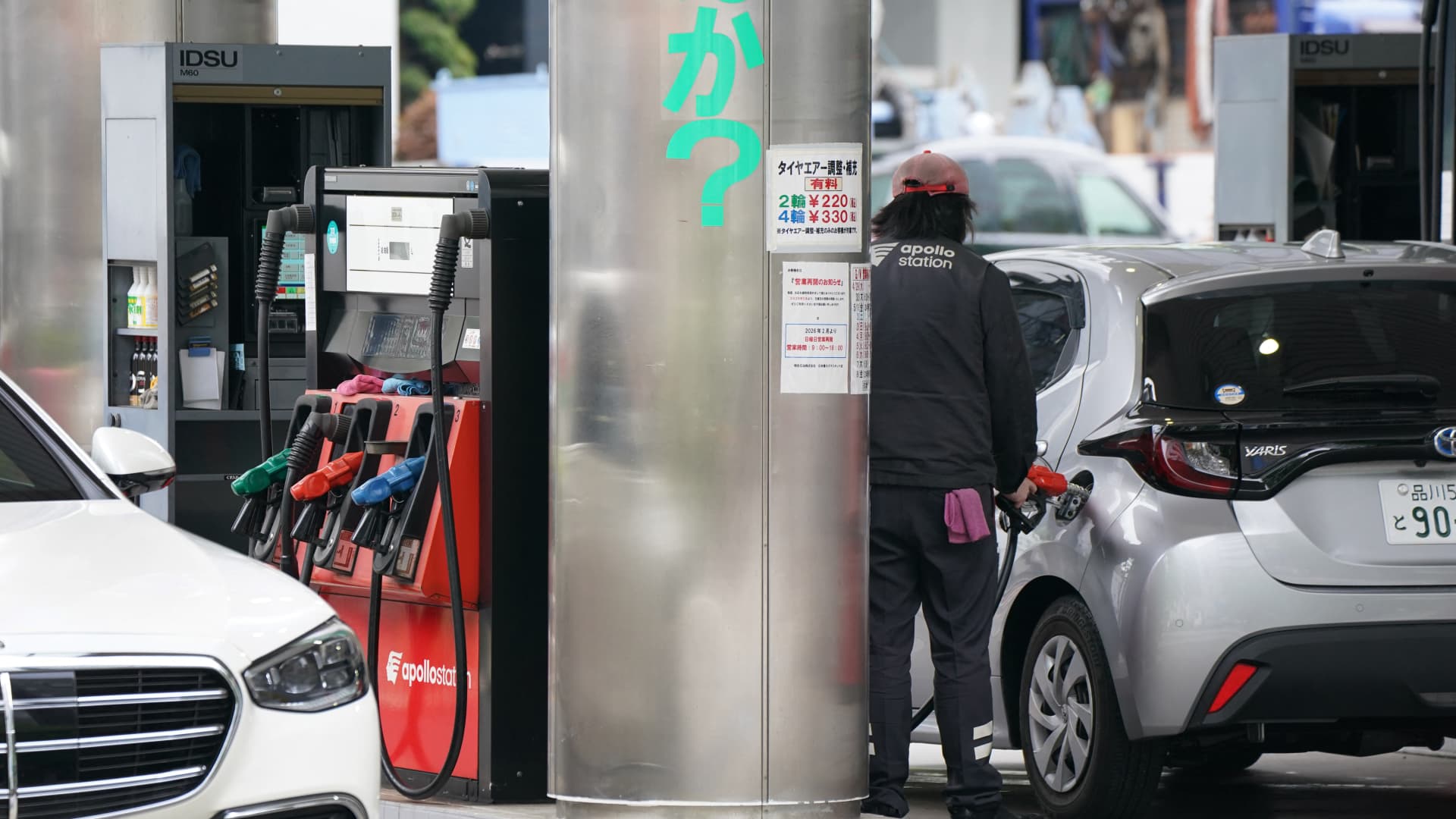
Japan's Core Inflation Drops to Lowest Level Since 2022

- Core Inflation Decline: Japan's core inflation rate fell to 1.4% in April, below the expected 1.7%, potentially weakening the case for an early rate hike by the Bank of Japan, indicating economic recovery fragility.
- Energy Price Impact: Energy prices decreased by 3.9% in April, a smaller decline than March's 5.7%, reflecting ongoing impacts from the Iran war, which could lead to a rebound in inflation in the coming months.
- Economic Growth Performance: Japan's annualized growth rate for Q1 2026 reached 2.1%, exceeding expectations, with strong export performance potentially providing the Bank of Japan with confidence to raise rates, despite inflation remaining below target.
- Fiscal Policy Response: The Japanese government is considering a supplementary budget of 3 trillion yen to address rising energy costs, demonstrating an intention to adopt proactive fiscal measures in the face of inflationary pressures.
See More

UK Inflation Eases to 2.8% in April Amid Energy Price Cap
- Inflation Data Decline: The UK's inflation rate fell to 2.8% in April from 3.3% in March, primarily due to the energy price cap implemented on April 1, indicating the initial effectiveness of government support measures.
- Energy Cost Pressures: Despite the decline in inflation, consumer prices are expected to continue rising due to increased energy costs stemming from the Iran conflict, posing challenges to economic recovery, especially against a backdrop of a weakening labor market.
- Central Bank Policy Focus: The Bank of England is closely monitoring price increases and their impact on wages and business costs, with market expectations leaning towards a 25 basis point rate hike in July, raising the Bank Rate to 4% to combat potential inflationary pressures.
- Weak Economic Growth: Although inflation has eased, sluggish economic growth and an unemployment rate rising to 5% may limit the central bank's ability to raise rates, with economists predicting that the Bank may opt to hold rates steady at the June policy meeting to avoid further strain on the fragile economy.
See More
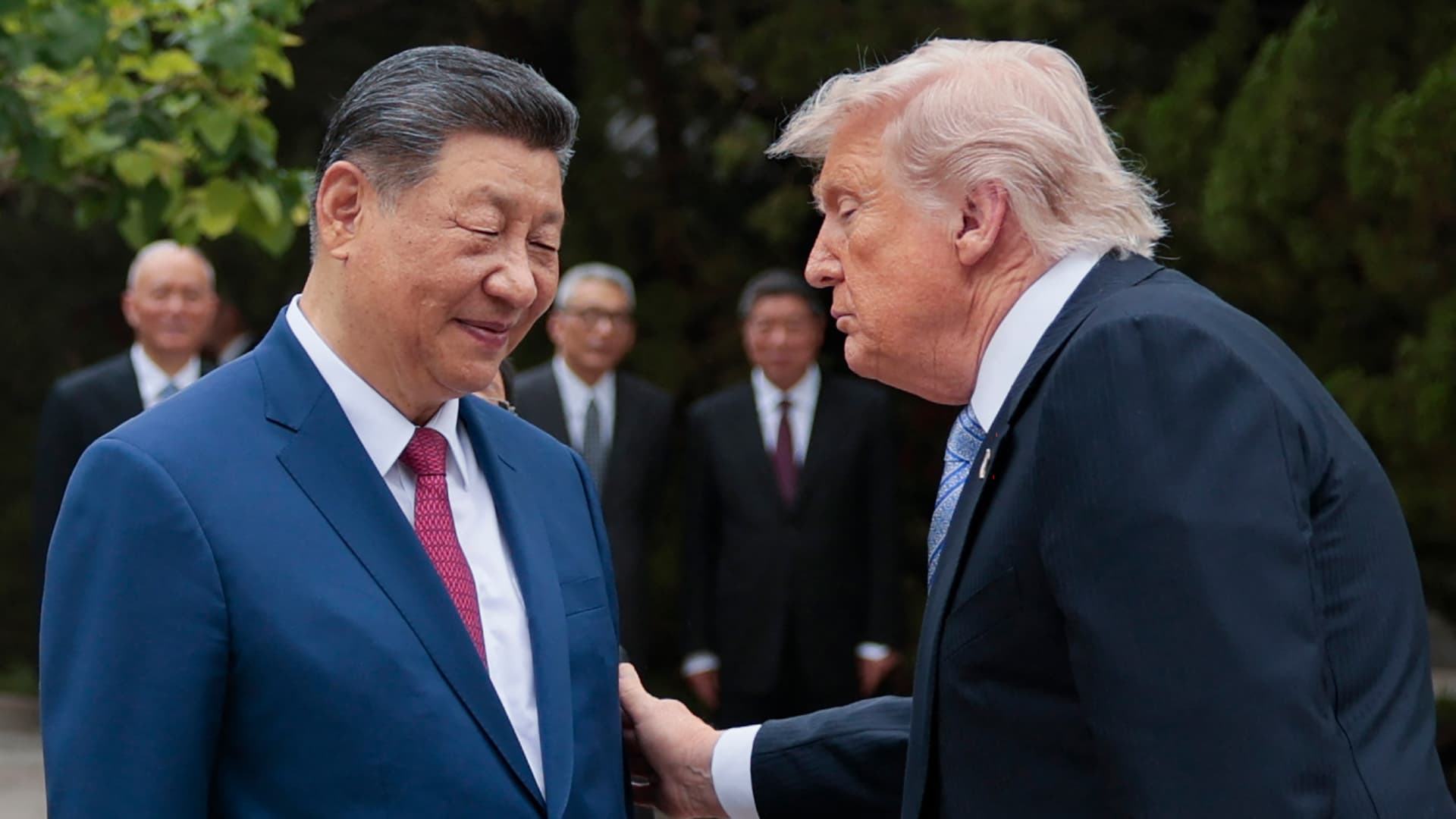
Trump-Xi Meeting Signals Business Optimism


- Strategic Stability Framework: The Trump-Xi meeting resulted in a consensus on 'constructive strategic stability,' indicating both sides will resolve trade disputes through dialogue, thereby enhancing business confidence and reducing uncertainty, which is expected to positively impact the business environment over the next three years.
- Clear Stance on Taiwan: Xi warned Trump that the Taiwan issue could pose a significant threat to U.S.-China relations, while Trump urged both sides to cool tensions, reflecting a clearer stance on Taiwan policy that may help maintain stability in bilateral relations.
- Long-term Tech Strategy: China's long-term strategy in technology is becoming increasingly evident; although Trump mentioned that China chose not to purchase Nvidia H200 chips, this indicates China's reluctance to rely on a U.S.-regulated system, thereby protecting its own AI chipmakers' interests, which could affect future tech cooperation.
- Weak Economic Data: China's April retail sales growth was only 0.2%, the lowest since 2022, and fixed asset investment declined due to real estate drag, signaling economic slowdown that may influence the context and urgency of U.S.-China trade negotiations.
See More

Honda Motor Faces First Operating Loss in Nearly 70 Years

- Operating Loss Overview: Honda Motor reported an operating loss of 414.3 billion yen ($2.61 billion) for the fiscal year ending in March, a stark contrast to the previous year's profit of 1.2 trillion yen, highlighting severe impacts from its struggling EV business and competitive pressures.
- EV Business Restructuring: The automaker plans to cancel the launch and development of certain EV models in North America, with restructuring costs expected to exceed $9 billion, a strategic move to tackle fierce competition from emerging Chinese EV manufacturers.
- Market Reaction Analysis: Despite the losses, Honda's stock surged over 7%, primarily driven by the company's guidance for operating and net profit, which exceeded market expectations by 38%, indicating investor confidence in its recovery potential.
- Strategic Shift Focus: Honda is shifting its focus towards the Chinese and Indian markets, planning to leverage its strengths in the motorcycle business to capture demand in India's low-cost segment, in response to the evolving global EV landscape.
See More
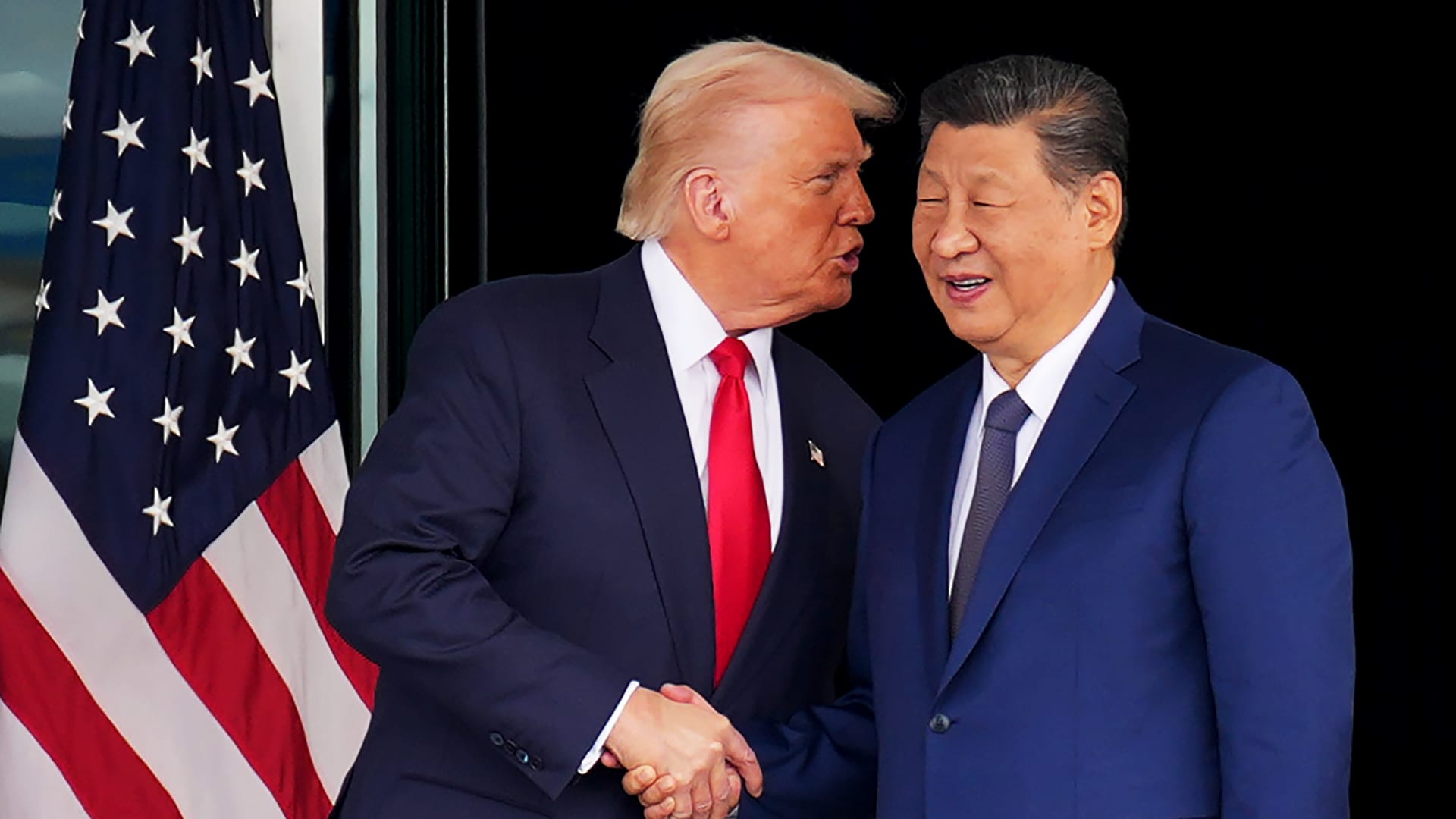
US-India Relations Face New Challenges Amidst US-China Summit


- Tension in US-India Relations: The shift in the Trump administration's China policy has strained US-India relations, with experts noting India's concerns that the US may prioritize China as the main negotiating partner, thereby diminishing India's strategic role in the Indo-Pacific.
- Need for Enhanced Strategic Value: To counter potential marginalization, India must establish more tangible cooperation with the US in sectors such as defense, maritime security, and critical minerals, thereby enhancing its strategic value and ensuring its importance in US-China relations.
- Changes in Trade Policy: The Trump administration's trade policy has become more transactional, with a 25% penalty tariff imposed on India last year for allegedly profiting from cheap Russian oil, further deteriorating bilateral relations.
- Concerns Over G2 Concept: India's attention to the US-China summit has intensified, with fears that the so-called 'G2' concept may marginalize middle powers like India, impacting its voice and influence in international affairs.
See More
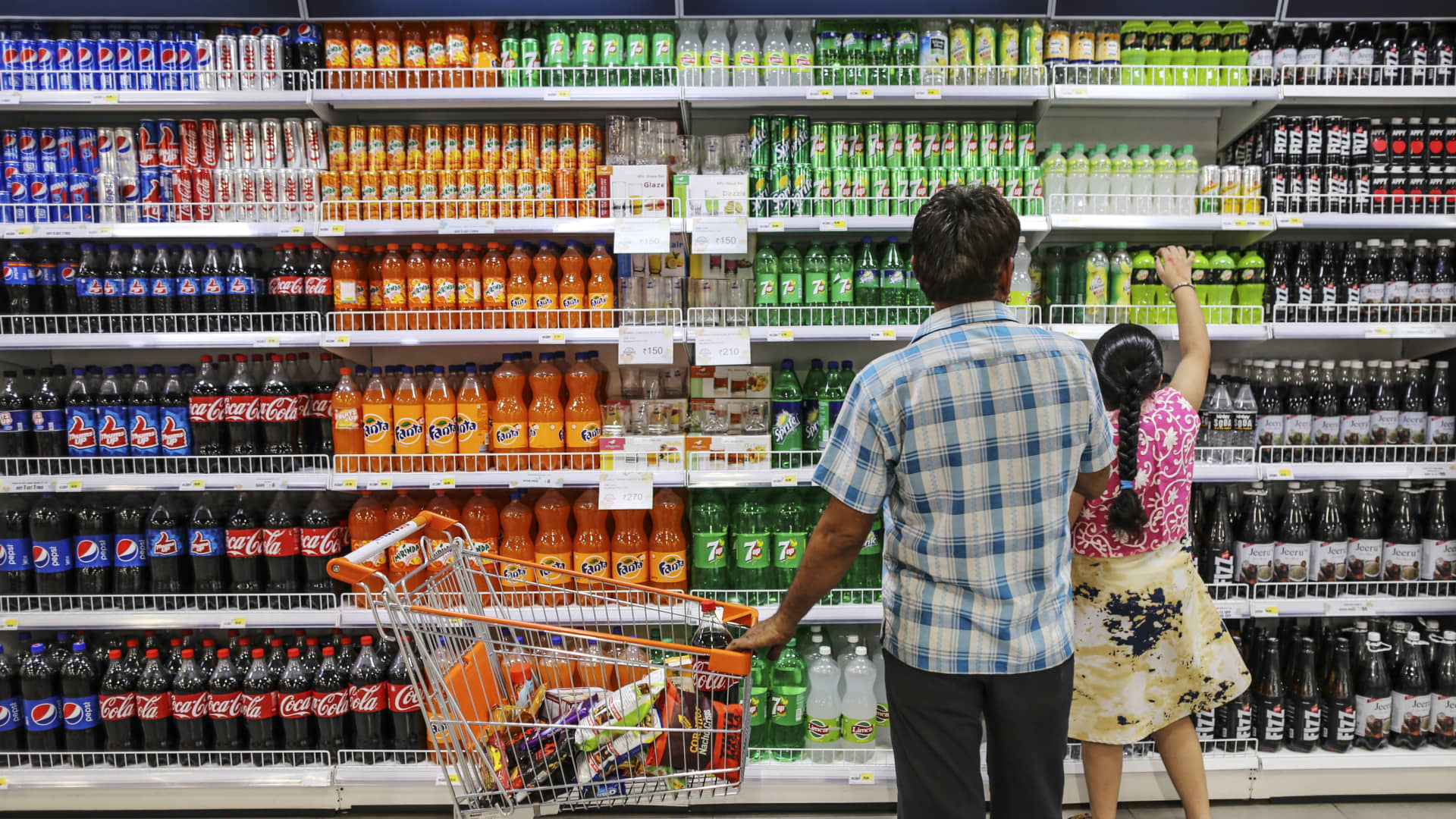
Social Media Influencers Transform India's Food and Beverage Market
- Health Beverage Transformation: PepsiCo reports that over 50% of its beverage portfolio in India consists of low- to no-sugar options, with plans to increase this to 90%, reflecting a significant shift towards healthier consumer preferences in the market.
- Consumer Awareness Rise: Social media influencers are urging consumers to read labels, leading brands like Dabur and Mondelez to reduce sugar content; Dabur has cut sugar by 21% in its juices by 2023 and aims for an additional 20% reduction, highlighting the strong demand for healthier products.
- Rise of D2C Brands: The growth of social media is facilitating the rise of direct-to-consumer brands in India, posing a threat to traditional companies that fail to adapt, as experts indicate this trend will be a crucial lever for future personal care and food brands.
- Strengthened Food Safety Regulations: India's food safety regulator has banned certain beverages from using
See More
Japan's Core Inflation Drops to Lowest Level Since 2022
- Core Inflation Decline: Japan's core inflation rate fell to 1.4% in April, below the expected 1.7%, potentially weakening the case for an early rate hike by the Bank of Japan, indicating economic recovery fragility.
- Energy Price Impact: Energy prices decreased by 3.9% in April, a smaller decline than March's 5.7%, reflecting ongoing impacts from the Iran war, which could lead to a rebound in inflation in the coming months.
- Economic Growth Performance: Japan's annualized growth rate for Q1 2026 reached 2.1%, exceeding expectations, with strong export performance potentially providing the Bank of Japan with confidence to raise rates, despite inflation remaining below target.
- Fiscal Policy Response: The Japanese government is considering a supplementary budget of 3 trillion yen to address rising energy costs, demonstrating an intention to adopt proactive fiscal measures in the face of inflationary pressures.
See More
UK Inflation Eases to 2.8% in April Amid Energy Price Cap
- Inflation Data Decline: The UK's inflation rate fell to 2.8% in April from 3.3% in March, primarily due to the energy price cap implemented on April 1, indicating the initial effectiveness of government support measures.
- Energy Cost Pressures: Despite the decline in inflation, consumer prices are expected to continue rising due to increased energy costs stemming from the Iran conflict, posing challenges to economic recovery, especially against a backdrop of a weakening labor market.
- Central Bank Policy Focus: The Bank of England is closely monitoring price increases and their impact on wages and business costs, with market expectations leaning towards a 25 basis point rate hike in July, raising the Bank Rate to 4% to combat potential inflationary pressures.
- Weak Economic Growth: Although inflation has eased, sluggish economic growth and an unemployment rate rising to 5% may limit the central bank's ability to raise rates, with economists predicting that the Bank may opt to hold rates steady at the June policy meeting to avoid further strain on the fragile economy.
See More
Trump-Xi Meeting Signals Business Optimism
- Strategic Stability Framework: The Trump-Xi meeting resulted in a consensus on 'constructive strategic stability,' indicating both sides will resolve trade disputes through dialogue, thereby enhancing business confidence and reducing uncertainty, which is expected to positively impact the business environment over the next three years.
- Clear Stance on Taiwan: Xi warned Trump that the Taiwan issue could pose a significant threat to U.S.-China relations, while Trump urged both sides to cool tensions, reflecting a clearer stance on Taiwan policy that may help maintain stability in bilateral relations.
- Long-term Tech Strategy: China's long-term strategy in technology is becoming increasingly evident; although Trump mentioned that China chose not to purchase Nvidia H200 chips, this indicates China's reluctance to rely on a U.S.-regulated system, thereby protecting its own AI chipmakers' interests, which could affect future tech cooperation.
- Weak Economic Data: China's April retail sales growth was only 0.2%, the lowest since 2022, and fixed asset investment declined due to real estate drag, signaling economic slowdown that may influence the context and urgency of U.S.-China trade negotiations.
See More
Honda Motor Faces First Operating Loss in Nearly 70 Years
- Operating Loss Overview: Honda Motor reported an operating loss of 414.3 billion yen ($2.61 billion) for the fiscal year ending in March, a stark contrast to the previous year's profit of 1.2 trillion yen, highlighting severe impacts from its struggling EV business and competitive pressures.
- EV Business Restructuring: The automaker plans to cancel the launch and development of certain EV models in North America, with restructuring costs expected to exceed $9 billion, a strategic move to tackle fierce competition from emerging Chinese EV manufacturers.
- Market Reaction Analysis: Despite the losses, Honda's stock surged over 7%, primarily driven by the company's guidance for operating and net profit, which exceeded market expectations by 38%, indicating investor confidence in its recovery potential.
- Strategic Shift Focus: Honda is shifting its focus towards the Chinese and Indian markets, planning to leverage its strengths in the motorcycle business to capture demand in India's low-cost segment, in response to the evolving global EV landscape.
See More
US-India Relations Face New Challenges Amidst US-China Summit
- Tension in US-India Relations: The shift in the Trump administration's China policy has strained US-India relations, with experts noting India's concerns that the US may prioritize China as the main negotiating partner, thereby diminishing India's strategic role in the Indo-Pacific.
- Need for Enhanced Strategic Value: To counter potential marginalization, India must establish more tangible cooperation with the US in sectors such as defense, maritime security, and critical minerals, thereby enhancing its strategic value and ensuring its importance in US-China relations.
- Changes in Trade Policy: The Trump administration's trade policy has become more transactional, with a 25% penalty tariff imposed on India last year for allegedly profiting from cheap Russian oil, further deteriorating bilateral relations.
- Concerns Over G2 Concept: India's attention to the US-China summit has intensified, with fears that the so-called 'G2' concept may marginalize middle powers like India, impacting its voice and influence in international affairs.
See More
Social Media Influencers Transform India's Food and Beverage Market
- Health Beverage Transformation: PepsiCo reports that over 50% of its beverage portfolio in India consists of low- to no-sugar options, with plans to increase this to 90%, reflecting a significant shift towards healthier consumer preferences in the market.
- Consumer Awareness Rise: Social media influencers are urging consumers to read labels, leading brands like Dabur and Mondelez to reduce sugar content; Dabur has cut sugar by 21% in its juices by 2023 and aims for an additional 20% reduction, highlighting the strong demand for healthier products.
- Rise of D2C Brands: The growth of social media is facilitating the rise of direct-to-consumer brands in India, posing a threat to traditional companies that fail to adapt, as experts indicate this trend will be a crucial lever for future personal care and food brands.
- Strengthened Food Safety Regulations: India's food safety regulator has banned certain beverages from using
See More