Nippon Paint and Sherwin-Williams Evaluate Acquisition Proposal After Rejection
Written by Emily J. Thompson, Senior Investment Analyst
Updated: 54 minutes ago
0mins
Source: seekingalpha
- Acquisition Proposal Rejected: Nippon Paint and Sherwin-Williams' joint proposal to acquire AkzoNobel was rejected, potentially impacting their expansion strategies in the coatings market, particularly in the premium segment.
- Strategic Integration Opportunity: If the acquisition were successful, Nippon Paint would expand its decorative paints business and unify the Dulux brand globally, while Sherwin-Williams would strengthen its position in specialty coatings, highlighting their focus on market consolidation.
- No Financing or Approval Barriers: The proposal is not subject to financing conditions or shareholder approvals, indicating both companies' flexibility and determination in executing the acquisition plan, which could accelerate market consolidation.
- Advisory Support: Nippon Paint is advised by Bank of America for financial matters, while Sherwin-Williams is supported by Citi, showcasing strong professional backing that enhances their negotiation capabilities during the acquisition discussions.
Trade with 70% Backtested Accuracy
Stop guessing "Should I Buy SHW?" and start using high-conviction signals backed by rigorous historical data.
Sign up today to access powerful investing tools and make smarter, data-driven decisions.
Analyst Views on SHW
Wall Street analysts forecast SHW stock price to rise
12 Analyst Rating
11 Buy
1 Hold
0 Sell
Strong Buy
Current: 311.250

Low
370.00
Averages
392.92
High
422.00
Current: 311.250
Low
370.00
Averages
392.92
High
422.00
About SHW
The Sherwin-Williams Company is engaged in the manufacture, development, distribution, and sale of paint, coatings and related products to professional, industrial, commercial, and retail customers primarily in North and South America with additional operations in the Caribbean region, Europe, Asia and Australia. Its Paint Stores Group segment is engaged in servicing the needs of architectural and industrial paint contractors and do-it-yourself homeowners. The Consumer Brands Group segment manufactures and distributes a broad portfolio of branded and private-label architectural paint, stains, varnishes, industrial products, wood finishes products, wood preservatives, applicators, corrosion inhibitors, aerosols, caulks and adhesives to retailers, including home centers and hardware stores, dedicated dealers and distributors. The Performance Coatings Group segment develops and sells industrial coatings for wood finishing and general industrial (metal and plastic) applications and others.
About the author

Emily J. Thompson
Emily J. Thompson, a Chartered Financial Analyst (CFA) with 12 years in investment research, graduated with honors from the Wharton School. Specializing in industrial and technology stocks, she provides in-depth analysis for Intellectia’s earnings and market brief reports.
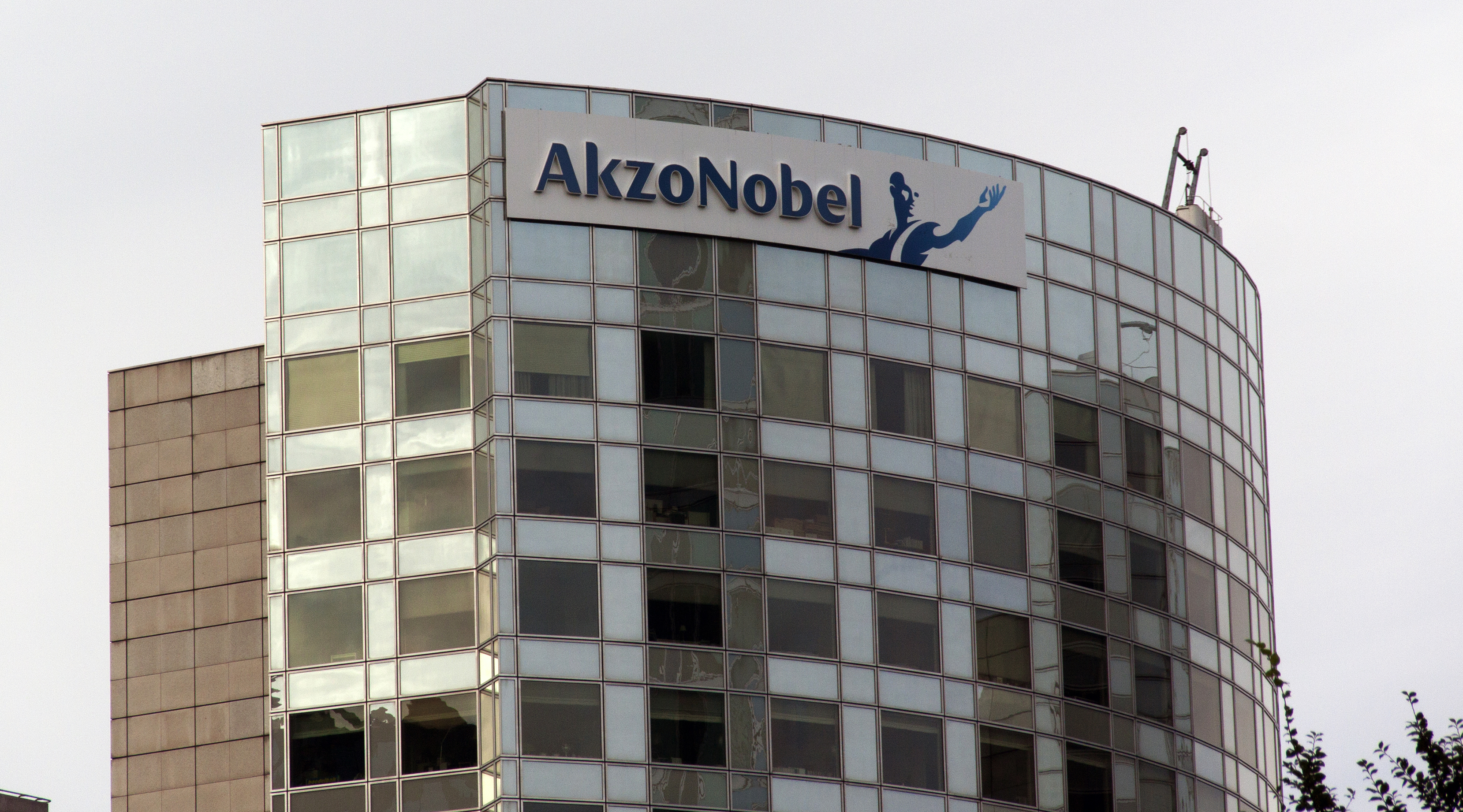
Nippon Paint and Sherwin-Williams Evaluate Acquisition Proposal After Rejection

- Acquisition Proposal Rejected: Nippon Paint and Sherwin-Williams' joint proposal to acquire AkzoNobel was rejected, potentially impacting their expansion strategies in the coatings market, particularly in the premium segment.
- Strategic Integration Opportunity: If the acquisition were successful, Nippon Paint would expand its decorative paints business and unify the Dulux brand globally, while Sherwin-Williams would strengthen its position in specialty coatings, highlighting their focus on market consolidation.
- No Financing or Approval Barriers: The proposal is not subject to financing conditions or shareholder approvals, indicating both companies' flexibility and determination in executing the acquisition plan, which could accelerate market consolidation.
- Advisory Support: Nippon Paint is advised by Bank of America for financial matters, while Sherwin-Williams is supported by Citi, showcasing strong professional backing that enhances their negotiation capabilities during the acquisition discussions.
See More

European Stocks Rise Amid Declining Oil Prices and Military Tensions

- Market Performance: On Wednesday, the pan-European Stoxx 600 index rose by 0.3%, reflecting investor reactions to the latest military operations and declining oil prices, while the UK's FTSE 100 index fluctuated, and Germany's DAX increased by 0.6%.
- Oil Price Decline: Global benchmark Brent crude futures fell by 2.3% to $97.30 per barrel, and West Texas Intermediate futures dropped by 2.8% to $91.23 per barrel, potentially impacting energy-related stocks.
- Automotive Sector Recovery: The European auto sector rose nearly 2%, bolstered by a 5.1% year-on-year increase in new car registrations in the EU, with Renault's stock jumping over 4% and Stellantis rising by 2.9%.
- AkzoNobel Stock Surge: AkzoNobel's shares surged by 15.1% after rejecting a cash takeover offer from Nippon Paint and Sherwin-Williams, opting instead to continue supporting a merger with Axalta.
See More

European Stocks Near All-Time High Amid Tensions
- Market Recovery: The European benchmark STOXX 600 index rose 0.2% to 629.44 points on Wednesday, just 1% shy of its all-time high set in February, reflecting optimistic sentiment regarding economic recovery.
- Auto Sector Surge: The automobiles and parts sector led gains with a 1.5% increase, highlighted by Volvo Cars' 8% jump after receiving U.S. government approval to continue vehicle sales, indicating strengthened competitive positioning in the market.
- Chemical Stocks Rally: AkzoNobel's shares surged 16.6% after rejecting a joint cash takeover offer from Nippon Paint and Sherwin-Williams, showcasing its strong market position and investor confidence.
- Geopolitical Risks: Despite positive market performance, escalating tensions in the Middle East, with Iran condemning U.S. strikes as a violation of a fragile ceasefire, keep inflation concerns at the forefront, as Brent crude prices remain around $98 per barrel.
See More

Dow Jones Index Celebrates 130th Anniversary with Key Stock Insights

- Dow Component Changes: Since its establishment in 1896, the Dow Jones Index has seen significant changes in its components, with recent additions like Nvidia and Amazon reflecting economic evolution, shifting investor perception from traditional low-growth stocks to a modern blend of growth and value stocks.
- Nvidia's Dividend Surge: On May 20, Nvidia raised its quarterly dividend from $0.01 to $1 per share, a staggering 2400% increase, which, despite a current yield of only 0.5%, attracts investors seeking passive income and indicates a shift towards a more stable earnings model amid surging AI demand.
- Visa's Strong Financial Performance: Despite economic uncertainties, Visa achieved a 9% increase in payment volume in its latest quarter, with valuations at 30 times free cash flow and 29 times earnings, showcasing the resilience of its business model and providing a compelling buying opportunity for investors despite stock price declines.
- Procter & Gamble's Rising Dividend Yield: Procter & Gamble raised its dividend for the 70th consecutive year in April, with a current yield of 3%, and despite challenges in volume growth, its strong brand portfolio positions it as an ideal choice for risk-averse investors, trading at a P/E of just 21, below its 10-year average of 25.4.
See More

Nvidia Makes Significant Dividend Increase
- Dividend Surge: Nvidia raised its quarterly dividend from $0.01 to $1 per share on May 20, marking a staggering 2,400% increase, which, despite a low yield of 0.5%, makes it more attractive for investors seeking passive income.
- Market Share Expansion: Nvidia has broadened its market share in data centers by delivering new rack-scale solutions, including multi-chip systems to Anthropic, OpenAI, Oracle, and SpaceX on May 18, indicating strong growth potential amid surging AI demand.
- Visa Investment Opportunity: Despite a 6.2% decline in Visa's stock year-to-date, its reasonable valuation at 30 times free cash flow and 29 times earnings presents an excellent buying opportunity, with double-digit revenue and earnings growth reflecting its robust business model.
- Procter & Gamble Stability: Procter & Gamble raised its dividend for the 70th consecutive year in April, and despite sluggish volume growth leading to a mere 4.7% stock price increase over five years, its 21 times earnings valuation remains attractive for risk-averse investors.
See More

Honeywell's Underperformance Affects Dow Jones Index


- Dow Component Changes: Honeywell replaced Raytheon Technologies in the Dow on August 31, 2020, but has only delivered a 56.2% total return since then, significantly lagging behind RTX's 231.1%, indicating its failure to meet market expectations.
- Unfulfilled Innovation Potential: Although Honeywell was viewed as a diversified and innovative industrial giant in 2020, its persistent underperformance in earnings and free cash flow growth, partly due to supply chain and inflationary pressures, has hindered its ability to capitalize on its strengths.
- Spinoff Plans Generate Interest: In November 2024, activist investor Elliott Investment Management amassed a position exceeding $5 billion, prompting Honeywell to consider a breakup; the successful spinoff of Solstice Advanced Materials in October 2025, which saw a 79.4% gain, highlights the potential for growth through such restructuring.
- Future Outlook and Market Reaction: Honeywell plans to spin off its aerospace division on June 29, 2024, with the remaining business focusing on industrial and building automation, and the market anticipates that this structural adjustment could enhance its standing in the Dow, reflecting a broader preference for focused companies.
See More
Nippon Paint and Sherwin-Williams Evaluate Acquisition Proposal After Rejection
- Acquisition Proposal Rejected: Nippon Paint and Sherwin-Williams' joint proposal to acquire AkzoNobel was rejected, potentially impacting their expansion strategies in the coatings market, particularly in the premium segment.
- Strategic Integration Opportunity: If the acquisition were successful, Nippon Paint would expand its decorative paints business and unify the Dulux brand globally, while Sherwin-Williams would strengthen its position in specialty coatings, highlighting their focus on market consolidation.
- No Financing or Approval Barriers: The proposal is not subject to financing conditions or shareholder approvals, indicating both companies' flexibility and determination in executing the acquisition plan, which could accelerate market consolidation.
- Advisory Support: Nippon Paint is advised by Bank of America for financial matters, while Sherwin-Williams is supported by Citi, showcasing strong professional backing that enhances their negotiation capabilities during the acquisition discussions.
See More
European Stocks Rise Amid Declining Oil Prices and Military Tensions
- Market Performance: On Wednesday, the pan-European Stoxx 600 index rose by 0.3%, reflecting investor reactions to the latest military operations and declining oil prices, while the UK's FTSE 100 index fluctuated, and Germany's DAX increased by 0.6%.
- Oil Price Decline: Global benchmark Brent crude futures fell by 2.3% to $97.30 per barrel, and West Texas Intermediate futures dropped by 2.8% to $91.23 per barrel, potentially impacting energy-related stocks.
- Automotive Sector Recovery: The European auto sector rose nearly 2%, bolstered by a 5.1% year-on-year increase in new car registrations in the EU, with Renault's stock jumping over 4% and Stellantis rising by 2.9%.
- AkzoNobel Stock Surge: AkzoNobel's shares surged by 15.1% after rejecting a cash takeover offer from Nippon Paint and Sherwin-Williams, opting instead to continue supporting a merger with Axalta.
See More
European Stocks Near All-Time High Amid Tensions
- Market Recovery: The European benchmark STOXX 600 index rose 0.2% to 629.44 points on Wednesday, just 1% shy of its all-time high set in February, reflecting optimistic sentiment regarding economic recovery.
- Auto Sector Surge: The automobiles and parts sector led gains with a 1.5% increase, highlighted by Volvo Cars' 8% jump after receiving U.S. government approval to continue vehicle sales, indicating strengthened competitive positioning in the market.
- Chemical Stocks Rally: AkzoNobel's shares surged 16.6% after rejecting a joint cash takeover offer from Nippon Paint and Sherwin-Williams, showcasing its strong market position and investor confidence.
- Geopolitical Risks: Despite positive market performance, escalating tensions in the Middle East, with Iran condemning U.S. strikes as a violation of a fragile ceasefire, keep inflation concerns at the forefront, as Brent crude prices remain around $98 per barrel.
See More
Dow Jones Index Celebrates 130th Anniversary with Key Stock Insights
- Dow Component Changes: Since its establishment in 1896, the Dow Jones Index has seen significant changes in its components, with recent additions like Nvidia and Amazon reflecting economic evolution, shifting investor perception from traditional low-growth stocks to a modern blend of growth and value stocks.
- Nvidia's Dividend Surge: On May 20, Nvidia raised its quarterly dividend from $0.01 to $1 per share, a staggering 2400% increase, which, despite a current yield of only 0.5%, attracts investors seeking passive income and indicates a shift towards a more stable earnings model amid surging AI demand.
- Visa's Strong Financial Performance: Despite economic uncertainties, Visa achieved a 9% increase in payment volume in its latest quarter, with valuations at 30 times free cash flow and 29 times earnings, showcasing the resilience of its business model and providing a compelling buying opportunity for investors despite stock price declines.
- Procter & Gamble's Rising Dividend Yield: Procter & Gamble raised its dividend for the 70th consecutive year in April, with a current yield of 3%, and despite challenges in volume growth, its strong brand portfolio positions it as an ideal choice for risk-averse investors, trading at a P/E of just 21, below its 10-year average of 25.4.
See More
Nvidia Makes Significant Dividend Increase
- Dividend Surge: Nvidia raised its quarterly dividend from $0.01 to $1 per share on May 20, marking a staggering 2,400% increase, which, despite a low yield of 0.5%, makes it more attractive for investors seeking passive income.
- Market Share Expansion: Nvidia has broadened its market share in data centers by delivering new rack-scale solutions, including multi-chip systems to Anthropic, OpenAI, Oracle, and SpaceX on May 18, indicating strong growth potential amid surging AI demand.
- Visa Investment Opportunity: Despite a 6.2% decline in Visa's stock year-to-date, its reasonable valuation at 30 times free cash flow and 29 times earnings presents an excellent buying opportunity, with double-digit revenue and earnings growth reflecting its robust business model.
- Procter & Gamble Stability: Procter & Gamble raised its dividend for the 70th consecutive year in April, and despite sluggish volume growth leading to a mere 4.7% stock price increase over five years, its 21 times earnings valuation remains attractive for risk-averse investors.
See More
Honeywell's Underperformance Affects Dow Jones Index
- Dow Component Changes: Honeywell replaced Raytheon Technologies in the Dow on August 31, 2020, but has only delivered a 56.2% total return since then, significantly lagging behind RTX's 231.1%, indicating its failure to meet market expectations.
- Unfulfilled Innovation Potential: Although Honeywell was viewed as a diversified and innovative industrial giant in 2020, its persistent underperformance in earnings and free cash flow growth, partly due to supply chain and inflationary pressures, has hindered its ability to capitalize on its strengths.
- Spinoff Plans Generate Interest: In November 2024, activist investor Elliott Investment Management amassed a position exceeding $5 billion, prompting Honeywell to consider a breakup; the successful spinoff of Solstice Advanced Materials in October 2025, which saw a 79.4% gain, highlights the potential for growth through such restructuring.
- Future Outlook and Market Reaction: Honeywell plans to spin off its aerospace division on June 29, 2024, with the remaining business focusing on industrial and building automation, and the market anticipates that this structural adjustment could enhance its standing in the Dow, reflecting a broader preference for focused companies.
See More