New York Art Auction Market Faces Major Test
Written by Emily J. Thompson, Senior Investment Analyst
Updated: 2 days ago
0mins
Should l Buy AMZN?
Source: CNBC
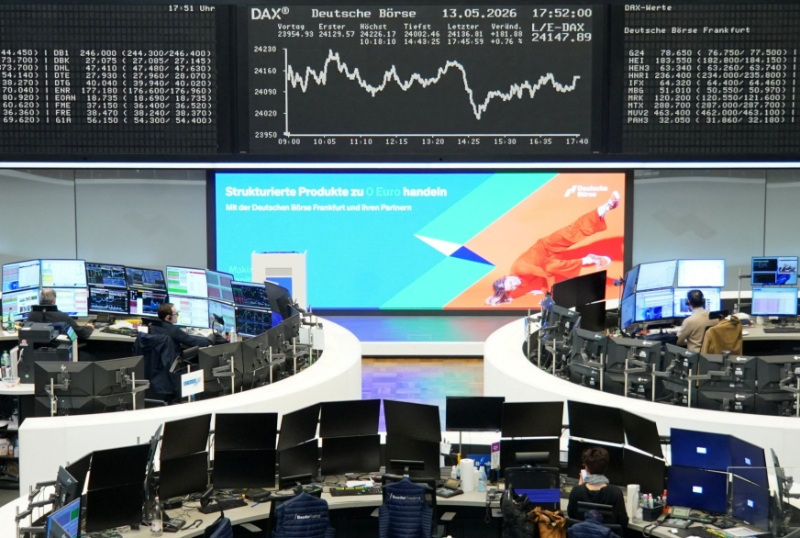
- Auction Market Scale: Nearly $2 billion worth of art is set to be auctioned in New York, marking the largest test of the art market since the Iran war, expected to help the market move past geopolitical conflicts and financial volatility.
- High-Value Works: Three auction pieces are estimated to sell for up to $100 million, with over 20 works valued at $20 million or more, leading to total sales projections between $1.8 billion and $2.6 billion, nearly doubling last year's figures and indicating a strong market rebound.
- Buyer Engagement: Despite growing concerns over a slowing global economy, art advisor Philip Hoffman notes that today's megacollectors, including Ken Griffin and Steve Cohen, are sitting on massive liquidity and actively seeking long-term investment opportunities.
- Middle Eastern Buyer Impact: While the participation of Middle Eastern buyers may be affected by the ongoing war, experts believe they remain committed to acquiring quality artworks for new museums, reflecting a long-term dedication to cultural institution development.
Trade with 70% Backtested Accuracy
Stop guessing "Should I Buy AMZN?" and start using high-conviction signals backed by rigorous historical data.
Sign up today to access powerful investing tools and make smarter, data-driven decisions.
Analyst Views on AMZN
Wall Street analysts forecast AMZN stock price to rise
44 Analyst Rating
41 Buy
3 Hold
0 Sell
Strong Buy
Current: 267.220

Low
175.00
Averages
280.01
High
325.00
Current: 267.220
Low
175.00
Averages
280.01
High
325.00
About AMZN
Amazon.com, Inc. provides a range of products and services to customers. The products offered through its stores include merchandise and content it has purchased for resale and products offered by third-party sellers. The Company’s segments include North America, International and Amazon Web Services (AWS). It serves consumers through its online and physical stores and focuses on selection, price, and convenience. Customers access its offerings through its websites, mobile apps, Alexa, devices, streaming, and physically visiting its stores. It also manufactures and sells electronic devices, including Kindle, Fire tablet, Fire TV, Echo, Ring, Blink, and eero, and develops and produces media content. It serves developers and enterprises of all sizes, including start-ups, government agencies, and academic institutions, through AWS, which offers a set of on-demand technology services, including compute, storage, database, analytics, and machine learning, and other services.
About the author

Emily J. Thompson
Emily J. Thompson, a Chartered Financial Analyst (CFA) with 12 years in investment research, graduated with honors from the Wharton School. Specializing in industrial and technology stocks, she provides in-depth analysis for Intellectia’s earnings and market brief reports.
Amazon Reports Record Q1 2026 Earnings with $181.52 Billion Revenue

- Significant Revenue Growth: Amazon achieved a record revenue of $181.52 billion in Q1 2026, representing a 16.6% year-over-year increase that surpassed market expectations, further solidifying its leadership position in e-commerce and cloud computing.
- Strong Cloud Performance: Amazon Web Services (AWS) generated $37.6 billion in revenue, up 28% year-over-year, with a backlog exceeding $364 billion providing a robust cushion for future growth, indicating the company's sustained advantage in the cloud market.
- Thriving Advertising Business: The advertising segment reached $70 billion in trailing-12-month revenue, reflecting a 24% year-over-year growth that not only enhanced the company's overall profitability but also opened new avenues for future revenue growth.
- Capital Expenditure Controversy: Despite Amazon's aggressive $200 billion capital expenditure cycle, analysts express concerns about the pressure on short-term free cash flow, leading to divergent views on its valuation and reflecting varying expectations for future growth.
See More

Amazon Poised to Join $4 Trillion Club
- Accelerating Cloud Growth: Amazon Web Services (AWS) reported $37.5 billion in revenue for Q1, marking a 28% year-over-year increase, showcasing strong momentum driven by AI, which is expected to enhance overall profitability.
- Success of Trainium Chips: Amazon's Trainium2 chip offers a 30% price-performance advantage, with $225 billion in revenue commitments from customers, indicating that this product platform's success will lay the groundwork for future revenue growth.
- Strong E-commerce Performance: Amazon's North American and international e-commerce segments generated $9.7 billion in operating income during Q1, a 47% increase year-over-year, further improving profit margins through logistics optimization and robotics investments.
- Market Valuation Potential: With a current P/E ratio of 31.7, lower than the Nasdaq-100's 35.6, analysts predict earnings will grow to $9.87 per share by 2027, suggesting a potential stock price increase of 18% to 32% in the next two years, paving the way for joining the $4 trillion club.
See More

Berkshire's 13-F Filing Under New CEO Reveals Strategic Investment Shifts


- Stable Apple Holdings: Berkshire maintained its stake in Apple at approximately 228 million shares, which, while below the historical peak of over 900 million shares, still represents 22% of its equity portfolio, reflecting confidence in Apple's long-term value.
- Significant Google Investment: Berkshire's share count in Alphabet surged from about 17.85 million to roughly 58 million, pushing the position's value to nearly $17 billion, indicating CEO Abel's strong confidence and willingness to invest in tech stocks.
- Exploration of New Investment Areas: The new $2.65 billion stake in Delta Air Lines and a minor position in Macy's signal Abel's readiness to enter sectors previously avoided by Buffett, further diversifying the investment portfolio.
- Aggressive Sell-offs: Berkshire exited positions in Amazon, Visa, Mastercard, and others, while slashing its stake in Constellation Brands by 95%, indicating Abel's intent to reshape the investment strategy and reinforce his personal style.
See More

New Trends in Tech Company IPOs


- Investor Access Restrictions: Wood and Robinhood's Shiv Verma highlight that the SEC's accredited investor rule is antiquated, limiting non-accredited investors from private markets, resulting in companies like SpaceX achieving valuations up to $2 trillion before going public, thereby allowing early investors to reap massive gains while retail investors face losses.
- Decline in Public Companies: Over the past 25 to 30 years, the number of publicly listed U.S. companies has roughly halved, as founders opt to remain private to avoid the bureaucracy and disclosure burdens of being public, a trend that allows institutional investors to dominate during high-growth phases.
- Emergence of New Investment Vehicles: Ark's $750 million interval fund ARKVX and Robinhood's newly launched RV1 closed-end fund aim to fill the access void for retail investors, providing more flexible investment options, especially in the absence of accredited investors.
- Market Sentiment Shift: SpaceX has become the top trending ticker on Stocktwits, with retail sentiment improving from 'bullish' to 'extremely bullish', indicating increasing market anticipation for its upcoming IPO and reflecting retail investors' sustained interest in IPOs.
See More

Long-Term Investment Opportunities in Cloud Computing

- Cloud Growth Potential: The cloud computing industry is experiencing significant growth, particularly driven by artificial intelligence, and is expected to continue generating strong cash flows over the next decade, making it a focal point for investors.
- Amazon Web Services Performance: Amazon Web Services (AWS) achieved a 28% year-over-year growth in Q1, highlighting its critical role in the company's overall operating profits, especially with the introduction of custom AI chips that further boost its growth.
- Microsoft Azure's Success: Microsoft Azure recorded a 40% year-over-year growth rate in Q3 of fiscal year 2026, and while Microsoft does not disclose individual business units in detail, its strong growth momentum indicates its competitiveness in the cloud computing market.
- Google Cloud's Rapid Growth: Google Cloud's revenue skyrocketed 63% year-over-year in Q1, and by selling its in-house designed AI chips, it has opened a new growth avenue, although this is not a long-term recurring revenue source, it still demonstrates strong performance in the cloud computing sector.
See More

Berkshire Hathaway's Major Portfolio Overhaul Under Greg Abel


- Portfolio Restructuring: Under Greg Abel's leadership, Berkshire Hathaway's equity portfolio underwent significant changes in the first three months, adding Delta Air Lines and Macy's, indicating a renewed focus on the airline and retail sectors.
- Massive Alphabet Stake Increase: Berkshire increased its stake in Google's parent company Alphabet by 224% in Q1, making it the company's seventh-largest holding with a market value of $16.6 billion, and the stock has rallied 38% since, showcasing the success of this decision.
- Reduction in Holdings: Abel dramatically cut the number of companies in the portfolio, selling off major stakes including Amazon and Visa, with Amazon's shares reduced from 10 million to 2.3 million, reflecting a significant strategic shift in investment focus.
- Return to Delta Airlines: Berkshire purchased 39.8 million shares of Delta Air Lines in Q1, currently valued at $2.8 billion, marking the company's first return to airline stocks since 2020, demonstrating confidence in the recovery of the airline industry.
See More
Amazon Reports Record Q1 2026 Earnings with $181.52 Billion Revenue
- Significant Revenue Growth: Amazon achieved a record revenue of $181.52 billion in Q1 2026, representing a 16.6% year-over-year increase that surpassed market expectations, further solidifying its leadership position in e-commerce and cloud computing.
- Strong Cloud Performance: Amazon Web Services (AWS) generated $37.6 billion in revenue, up 28% year-over-year, with a backlog exceeding $364 billion providing a robust cushion for future growth, indicating the company's sustained advantage in the cloud market.
- Thriving Advertising Business: The advertising segment reached $70 billion in trailing-12-month revenue, reflecting a 24% year-over-year growth that not only enhanced the company's overall profitability but also opened new avenues for future revenue growth.
- Capital Expenditure Controversy: Despite Amazon's aggressive $200 billion capital expenditure cycle, analysts express concerns about the pressure on short-term free cash flow, leading to divergent views on its valuation and reflecting varying expectations for future growth.
See More
Amazon Poised to Join $4 Trillion Club
- Accelerating Cloud Growth: Amazon Web Services (AWS) reported $37.5 billion in revenue for Q1, marking a 28% year-over-year increase, showcasing strong momentum driven by AI, which is expected to enhance overall profitability.
- Success of Trainium Chips: Amazon's Trainium2 chip offers a 30% price-performance advantage, with $225 billion in revenue commitments from customers, indicating that this product platform's success will lay the groundwork for future revenue growth.
- Strong E-commerce Performance: Amazon's North American and international e-commerce segments generated $9.7 billion in operating income during Q1, a 47% increase year-over-year, further improving profit margins through logistics optimization and robotics investments.
- Market Valuation Potential: With a current P/E ratio of 31.7, lower than the Nasdaq-100's 35.6, analysts predict earnings will grow to $9.87 per share by 2027, suggesting a potential stock price increase of 18% to 32% in the next two years, paving the way for joining the $4 trillion club.
See More
Berkshire's 13-F Filing Under New CEO Reveals Strategic Investment Shifts
- Stable Apple Holdings: Berkshire maintained its stake in Apple at approximately 228 million shares, which, while below the historical peak of over 900 million shares, still represents 22% of its equity portfolio, reflecting confidence in Apple's long-term value.
- Significant Google Investment: Berkshire's share count in Alphabet surged from about 17.85 million to roughly 58 million, pushing the position's value to nearly $17 billion, indicating CEO Abel's strong confidence and willingness to invest in tech stocks.
- Exploration of New Investment Areas: The new $2.65 billion stake in Delta Air Lines and a minor position in Macy's signal Abel's readiness to enter sectors previously avoided by Buffett, further diversifying the investment portfolio.
- Aggressive Sell-offs: Berkshire exited positions in Amazon, Visa, Mastercard, and others, while slashing its stake in Constellation Brands by 95%, indicating Abel's intent to reshape the investment strategy and reinforce his personal style.
See More
New Trends in Tech Company IPOs
- Investor Access Restrictions: Wood and Robinhood's Shiv Verma highlight that the SEC's accredited investor rule is antiquated, limiting non-accredited investors from private markets, resulting in companies like SpaceX achieving valuations up to $2 trillion before going public, thereby allowing early investors to reap massive gains while retail investors face losses.
- Decline in Public Companies: Over the past 25 to 30 years, the number of publicly listed U.S. companies has roughly halved, as founders opt to remain private to avoid the bureaucracy and disclosure burdens of being public, a trend that allows institutional investors to dominate during high-growth phases.
- Emergence of New Investment Vehicles: Ark's $750 million interval fund ARKVX and Robinhood's newly launched RV1 closed-end fund aim to fill the access void for retail investors, providing more flexible investment options, especially in the absence of accredited investors.
- Market Sentiment Shift: SpaceX has become the top trending ticker on Stocktwits, with retail sentiment improving from 'bullish' to 'extremely bullish', indicating increasing market anticipation for its upcoming IPO and reflecting retail investors' sustained interest in IPOs.
See More
Long-Term Investment Opportunities in Cloud Computing
- Cloud Growth Potential: The cloud computing industry is experiencing significant growth, particularly driven by artificial intelligence, and is expected to continue generating strong cash flows over the next decade, making it a focal point for investors.
- Amazon Web Services Performance: Amazon Web Services (AWS) achieved a 28% year-over-year growth in Q1, highlighting its critical role in the company's overall operating profits, especially with the introduction of custom AI chips that further boost its growth.
- Microsoft Azure's Success: Microsoft Azure recorded a 40% year-over-year growth rate in Q3 of fiscal year 2026, and while Microsoft does not disclose individual business units in detail, its strong growth momentum indicates its competitiveness in the cloud computing market.
- Google Cloud's Rapid Growth: Google Cloud's revenue skyrocketed 63% year-over-year in Q1, and by selling its in-house designed AI chips, it has opened a new growth avenue, although this is not a long-term recurring revenue source, it still demonstrates strong performance in the cloud computing sector.
See More
Berkshire Hathaway's Major Portfolio Overhaul Under Greg Abel
- Portfolio Restructuring: Under Greg Abel's leadership, Berkshire Hathaway's equity portfolio underwent significant changes in the first three months, adding Delta Air Lines and Macy's, indicating a renewed focus on the airline and retail sectors.
- Massive Alphabet Stake Increase: Berkshire increased its stake in Google's parent company Alphabet by 224% in Q1, making it the company's seventh-largest holding with a market value of $16.6 billion, and the stock has rallied 38% since, showcasing the success of this decision.
- Reduction in Holdings: Abel dramatically cut the number of companies in the portfolio, selling off major stakes including Amazon and Visa, with Amazon's shares reduced from 10 million to 2.3 million, reflecting a significant strategic shift in investment focus.
- Return to Delta Airlines: Berkshire purchased 39.8 million shares of Delta Air Lines in Q1, currently valued at $2.8 billion, marking the company's first return to airline stocks since 2020, demonstrating confidence in the recovery of the airline industry.
See More