Netflix Stock Hits 52-Week Low Despite Earnings Beat
- Earnings vs Market Reaction: Despite Netflix surpassing recent earnings estimates and achieving impressive results, its stock has plummeted to a 52-week low, reflecting market concerns over the clash between its long-term strategy and immediate financial realities.
- Warner Bros. Acquisition Risks: While Netflix may win the $100 billion bidding war for Warner Bros., investor anxiety over its shift to an all-cash offer and cessation of share repurchase programs raises concerns about future debt levels.
- Rising Content Costs: Netflix's projected content costs are set to hit $20 billion this year with no signs of deceleration, and investor dissatisfaction is evident in its shrinking profit margin guidance, indicating a potential return to pre-COVID spending levels.
- Advertising and Live Events Potential: Despite concerns surrounding the Warner Bros. acquisition, some analysts remain optimistic about Netflix's potential in advertising and live events, suggesting that efforts to diversify revenue streams may support future growth.
Trade with 70% Backtested Accuracy
Analyst Views on COST

About COST
About the author


"BJ's, Kroger, and 8 Additional Stocks Poised to Gain from Retail Sector Decline"

- Retail Stocks on Sale: Retail stocks are currently undervalued, presenting a potential opportunity for investors looking for bargains.
- Investment Opportunity: The decline in retail stock prices may attract bargain hunters seeking to capitalize on lower valuations.

Walmart Reaches $1 Trillion Milestone: Reasons Analysts Are Dropping It from Their Preferred Selections.


Walmart's Milestone: Walmart has become the first traditional retailer to achieve a market capitalization of one trillion dollars.
Investor Concerns: Despite this achievement, the high valuation is causing Wall Street to reconsider its investment in Walmart's stock.

Walmart Reaches $1 Trillion Valuation: Reasons Behind Analysts' Shift Away from the Stock.

Walmart's Milestone: Walmart has become the first traditional retailer to achieve a market capitalization of one trillion dollars.
Investor Concerns: Despite this achievement, the high valuation is causing Wall Street to reconsider its investment in Walmart's stock.
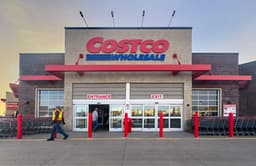
Costco's Nike SB Dunk Low Collaboration Sees Surging Resale Prices

- Limited Release: The Kirkland Signature x Nike SB Dunk Low was released at Costco for $134.99, and due to limited availability, resale prices have surged between $400 and $1,000, indicating strong market demand for the sneaker.
- Brand Influence: Since its launch in 1995, the Kirkland brand has been known for high quality and affordable pricing, generating approximately $86 billion in annual sales, which accounts for about one-third of Costco's total revenue, further driving the success of this collaboration.
- Design Features: Inspired by the popular Kirkland sweatshirt, the sneaker features a grey cotton upper, the Kirkland logo on the lateral heel, and a reverse insole depicting the Costco hotdog, capturing consumer interest.
- Market Response: This collaboration with Nike is regarded as the most successful brand partnership for Kirkland to date, showcasing Costco's potential in the premium market and laying the groundwork for future brand collaborations.
Comparative Analysis of FSTA and FTXG ETFs
- Cost and Return Comparison: FSTA's expense ratio is only 0.08%, significantly lower than FTXG's 0.60%, making FSTA more cost-effective for long-term investors, which can enhance net returns by saving on fees.
- Performance and Risk Analysis: Over the past year, FSTA has delivered a return of 4.29%, while FTXG has seen a return of -1.54%, indicating that FSTA has demonstrated greater stability amidst market volatility, making it suitable for investors seeking consistent income.
- Portfolio Composition: FSTA holds 96 stocks, primarily in well-known consumer goods companies like Costco, Walmart, and Procter & Gamble, providing broad diversification, whereas FTXG has only 30 holdings focused on the food and beverage sector, presenting relatively higher risk.
- Market Positioning and Strategy: FSTA covers a wider range of the consumer staples market, appealing to investors seeking diversification, while FTXG's focused strategy may attract those looking for higher returns in a specific market segment.

Netflix Stock Plummets to 52-Week Low Despite Strong Earnings

- Earnings Beat: Despite Netflix exceeding earnings expectations and showcasing strong profitability, its stock has fallen to a 52-week low, indicating market concerns about its future growth prospects.
- Acquisition Impact: Netflix is positioned favorably in the $100 billion bidding war for Warner Bros., yet the market's apprehension regarding its shift to an all-cash offer has diminished investor confidence in its financial outlook.
- Content Spending Pressure: With projected content costs hitting $20 billion this year and no signs of deceleration, investors are anxious about shrinking profit margins, especially as the company halts its share repurchase program.
- Market Reaction Warning: The market's response to Netflix's stock performance underscores the tension between long-term growth strategies and immediate financial realities, with investor concerns about the financial implications of the acquisition highlighting the importance of maintaining financial stability while pursuing growth.
"BJ's, Kroger, and 8 Additional Stocks Poised to Gain from Retail Sector Decline"
- Retail Stocks on Sale: Retail stocks are currently undervalued, presenting a potential opportunity for investors looking for bargains.
- Investment Opportunity: The decline in retail stock prices may attract bargain hunters seeking to capitalize on lower valuations.
Walmart Reaches $1 Trillion Milestone: Reasons Analysts Are Dropping It from Their Preferred Selections.
Walmart's Milestone: Walmart has become the first traditional retailer to achieve a market capitalization of one trillion dollars.
Investor Concerns: Despite this achievement, the high valuation is causing Wall Street to reconsider its investment in Walmart's stock.
Walmart Reaches $1 Trillion Valuation: Reasons Behind Analysts' Shift Away from the Stock.
Walmart's Milestone: Walmart has become the first traditional retailer to achieve a market capitalization of one trillion dollars.
Investor Concerns: Despite this achievement, the high valuation is causing Wall Street to reconsider its investment in Walmart's stock.
Costco's Nike SB Dunk Low Collaboration Sees Surging Resale Prices
- Limited Release: The Kirkland Signature x Nike SB Dunk Low was released at Costco for $134.99, and due to limited availability, resale prices have surged between $400 and $1,000, indicating strong market demand for the sneaker.
- Brand Influence: Since its launch in 1995, the Kirkland brand has been known for high quality and affordable pricing, generating approximately $86 billion in annual sales, which accounts for about one-third of Costco's total revenue, further driving the success of this collaboration.
- Design Features: Inspired by the popular Kirkland sweatshirt, the sneaker features a grey cotton upper, the Kirkland logo on the lateral heel, and a reverse insole depicting the Costco hotdog, capturing consumer interest.
- Market Response: This collaboration with Nike is regarded as the most successful brand partnership for Kirkland to date, showcasing Costco's potential in the premium market and laying the groundwork for future brand collaborations.
Comparative Analysis of FSTA and FTXG ETFs
- Cost and Return Comparison: FSTA's expense ratio is only 0.08%, significantly lower than FTXG's 0.60%, making FSTA more cost-effective for long-term investors, which can enhance net returns by saving on fees.
- Performance and Risk Analysis: Over the past year, FSTA has delivered a return of 4.29%, while FTXG has seen a return of -1.54%, indicating that FSTA has demonstrated greater stability amidst market volatility, making it suitable for investors seeking consistent income.
- Portfolio Composition: FSTA holds 96 stocks, primarily in well-known consumer goods companies like Costco, Walmart, and Procter & Gamble, providing broad diversification, whereas FTXG has only 30 holdings focused on the food and beverage sector, presenting relatively higher risk.
- Market Positioning and Strategy: FSTA covers a wider range of the consumer staples market, appealing to investors seeking diversification, while FTXG's focused strategy may attract those looking for higher returns in a specific market segment.
Netflix Stock Plummets to 52-Week Low Despite Strong Earnings
- Earnings Beat: Despite Netflix exceeding earnings expectations and showcasing strong profitability, its stock has fallen to a 52-week low, indicating market concerns about its future growth prospects.
- Acquisition Impact: Netflix is positioned favorably in the $100 billion bidding war for Warner Bros., yet the market's apprehension regarding its shift to an all-cash offer has diminished investor confidence in its financial outlook.
- Content Spending Pressure: With projected content costs hitting $20 billion this year and no signs of deceleration, investors are anxious about shrinking profit margins, especially as the company halts its share repurchase program.
- Market Reaction Warning: The market's response to Netflix's stock performance underscores the tension between long-term growth strategies and immediate financial realities, with investor concerns about the financial implications of the acquisition highlighting the importance of maintaining financial stability while pursuing growth.