Netflix Raises Subscription Prices to Boost Content Investment
Written by Emily J. Thompson, Senior Investment Analyst
Updated: 1 hour ago
0mins
Should l Buy NFLX?
Source: Fool
- Price Increase Strategy: Netflix has raised subscription prices across all paid tiers, with the ad-supported plan increasing by $1 to $8.99 and the standard and premium plans rising by $2 to $19.99 and $26.99 respectively, aimed at supporting its $20 billion content budget.
- User Growth Potential: By the end of 2025, Netflix's global subscriber base grew to 325 million, an increase of 25 million from the previous year, and the new subscription prices are expected to further enhance user retention and market share.
- Market Reaction Expectations: Wall Street analysts generally believe that the price hikes will positively impact Netflix's revenue, with JPMorgan estimating an additional $1.7 billion in annual revenue, although much of this increase is already factored into the 2026 guidance.
- Strategic Adjustment Opportunity: After walking away from the Warner Bros. asset acquisition, Netflix received a $2.8 billion termination fee, providing it with more funds for content creation, thereby strengthening its position in the competitive streaming market.
Trade with 70% Backtested Accuracy
Stop guessing "Should I Buy NFLX?" and start using high-conviction signals backed by rigorous historical data.
Sign up today to access powerful investing tools and make smarter, data-driven decisions.
Analyst Views on NFLX
Wall Street analysts forecast NFLX stock price to rise
38 Analyst Rating
27 Buy
10 Hold
1 Sell
Moderate Buy
Current: 95.550

Low
92.00
Averages
114.18
High
150.00
Current: 95.550
Low
92.00
Averages
114.18
High
150.00
About NFLX
Netflix, Inc. is a provider of entertainment services. The Company acquires, licenses and produces content, including original programming. It provides paid memberships in over 190 countries offering television (TV) series, films and games across a variety of genres and languages. It allows members to play, pause and resume watching as much as they want, anytime, anywhere, and can change their plans at any time. The Company offers members the ability to receive streaming content through a host of Internet-connected devices, including TVs, digital video players, TV set-top boxes and mobile devices. It is engaged in scaling its streaming service, such as introducing games and advertising on its service, as well as offering live programming. It is developing technology and utilizing third-party cloud computing, technology and other services. The Company is also engaged in scaling its own studio operations to produce original content.
About the author

Emily J. Thompson
Emily J. Thompson, a Chartered Financial Analyst (CFA) with 12 years in investment research, graduated with honors from the Wharton School. Specializing in industrial and technology stocks, she provides in-depth analysis for Intellectia’s earnings and market brief reports.
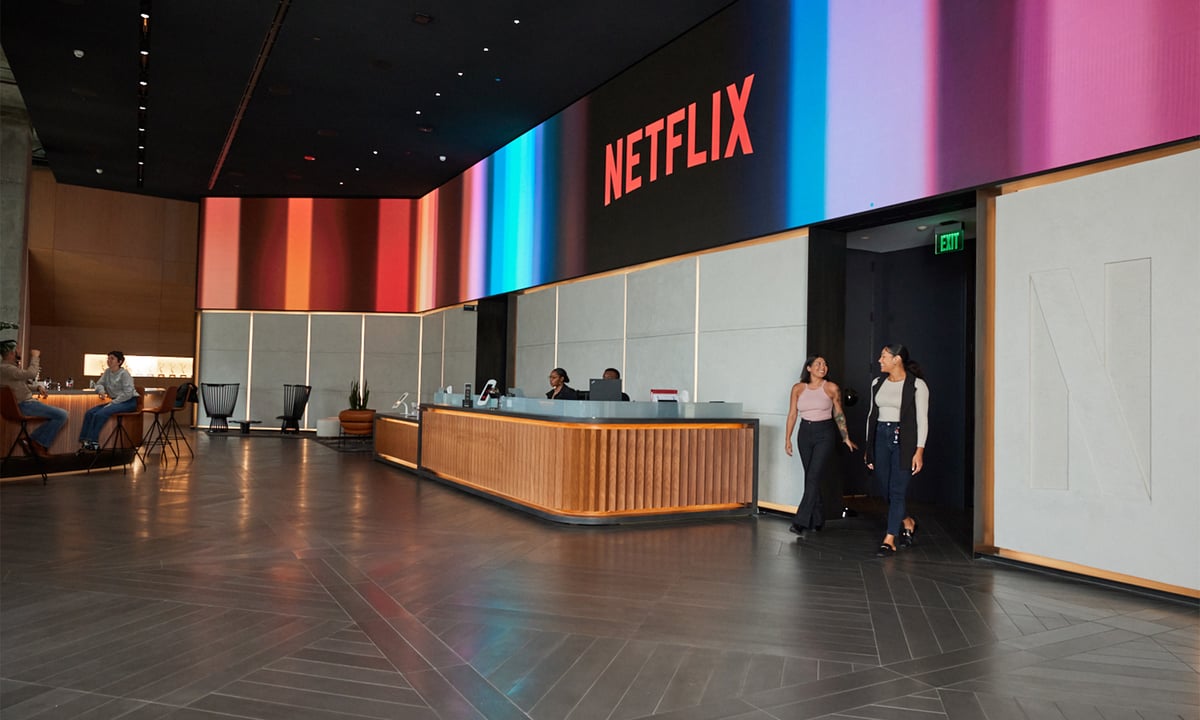
Netflix Raises Subscription Prices to Boost Content Investment

- Price Increase Strategy: Netflix has raised subscription prices across all paid tiers, with the ad-supported plan increasing by $1 to $8.99 and the standard and premium plans rising by $2 to $19.99 and $26.99 respectively, aimed at supporting its $20 billion content budget.
- User Growth Potential: By the end of 2025, Netflix's global subscriber base grew to 325 million, an increase of 25 million from the previous year, and the new subscription prices are expected to further enhance user retention and market share.
- Market Reaction Expectations: Wall Street analysts generally believe that the price hikes will positively impact Netflix's revenue, with JPMorgan estimating an additional $1.7 billion in annual revenue, although much of this increase is already factored into the 2026 guidance.
- Strategic Adjustment Opportunity: After walking away from the Warner Bros. asset acquisition, Netflix received a $2.8 billion termination fee, providing it with more funds for content creation, thereby strengthening its position in the competitive streaming market.
See More
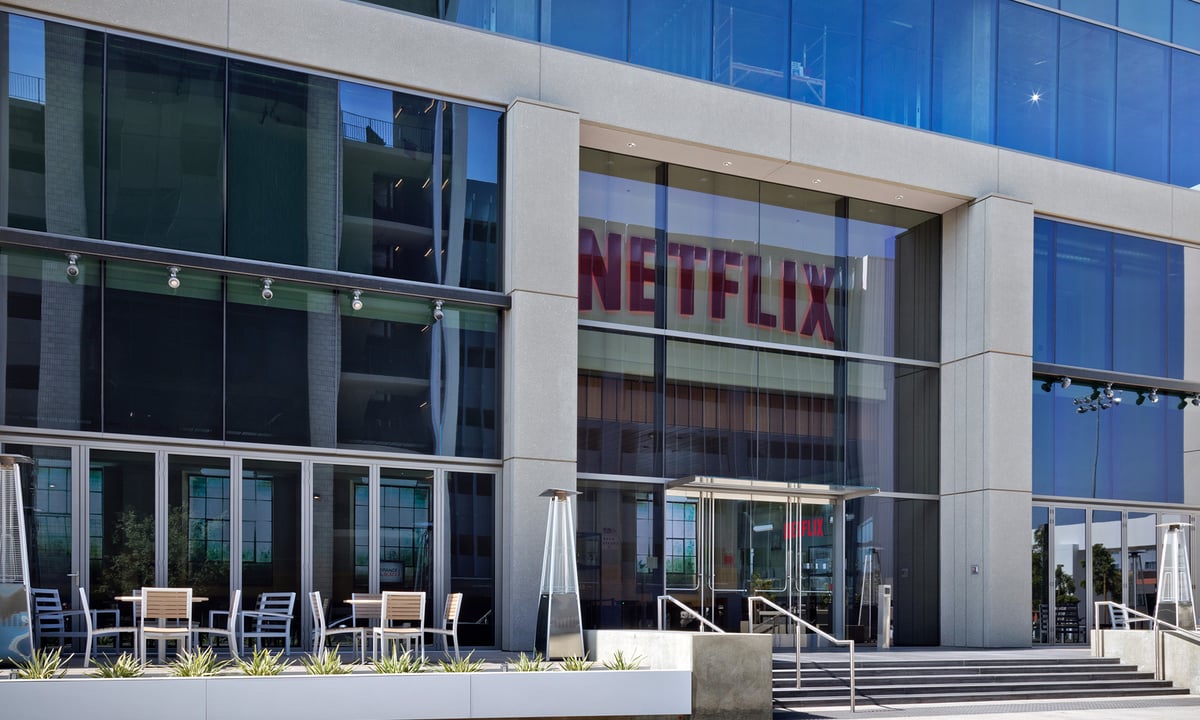
Netflix Raises Subscription Prices Again, Testing User Loyalty

- Price Increase Impact: Netflix has raised its U.S. subscription prices, with the standard and premium tiers increasing by $2 and the ad-supported tier by $1, reflecting a significant 28.6% rise for the ad-supported tier and 29.1% for the standard tier since October 2023, indicating a bold strategy to boost revenue while risking user attrition.
- User Attrition Risk: By increasing prices on lower-cost subscription tiers, Netflix risks driving users out of its ecosystem entirely, especially in a competitive streaming market where price sensitivity is high, potentially impacting the company's long-term growth prospects if users switch to more affordable alternatives.
- Confidence in Content Expansion: Netflix's strategy to enhance its value proposition through expanded content offerings, including sports, demonstrates its confidence in maintaining user loyalty despite inflationary pressures, which is crucial in the current economic climate where consumer spending is strained.
- Investment Appeal: Despite the challenges posed by price increases, Netflix's business model, which relies on high-margin recurring revenue and predictable cash flows, continues to attract investors, positioning the company as a relatively stable investment option amid economic uncertainty, reinforcing its status as a foundational holding in diversified portfolios.
See More

Streaming Industry Faces Challenges and Opportunities

- Industry Challenges Intensify: Despite a surge in demand for streaming content, the broadcast television industry faces escalating cord-cutting challenges, leading to sluggish overall revenue growth and prompting companies to adopt more cautious cash management strategies to protect profits.
- Content Diversification Strategy: Industry players are diversifying their content offerings to meet OTT service demands, leveraging user data and AI technologies to enhance user engagement, thereby maintaining attractiveness in a highly competitive market.
- Advertising Revenue Under Pressure: High inflation and rising interest rates have led to cuts in advertising budgets, which are expected to impact revenue growth in the short term, particularly in competition with tech and social media companies.
- Impact of Low-Priced Bundles: As cord-cutting increases, industry companies are introducing
See More

Netflix Aims to Expand NFL Streaming Rights

- NFL Streaming Rights Expansion: Netflix is seeking to double its NFL streaming package from two to four games annually, targeting the Thanksgiving Eve matchup and an international season opener to bolster its advertising revenue and subscriber retention.
- Intensifying Competition: Currently in the final year of a $75 million-per-game Christmas Day deal, Netflix faces stiff competition from Google’s YouTube and Amazon for the available broadcasting rights, highlighting the competitive landscape.
- Media Contract Renegotiation: This move aligns with the NFL's efforts to renegotiate media contracts following the Paramount/Skydance merger, indicating Netflix's strategic shift in content acquisition.
- Market Performance Rating: Citizens initiated coverage of Netflix with a Market Perform rating and no price target, citing shifting consumer preferences and a lack of near-term catalysts, suggesting a cautious approach for investors.
See More

Investor Sentiment on Microsoft and Netflix Amid Recession Fears

- Microsoft's Resilience: Despite lagging behind broader equities over the past six months, Microsoft's strong financial position and high credit rating provide significant resilience during a recession, particularly as its productivity suite is essential for daily operations in many companies.
- Leadership in Cloud and AI: Microsoft's leadership in cloud computing and artificial intelligence offers substantial long-term growth potential, and although the stock is currently declining, its future performance during economic recovery is promising.
- Netflix's Market Dominance: As the leader in the streaming industry, Netflix can maintain user loyalty during economic downturns, with its low-priced ad-supported subscription option attracting price-sensitive customers, showcasing the business's resilience.
- Recession-Resistant Entertainment Sector: Netflix's management emphasizes that the entertainment industry typically performs well during economic hardships, and while new subscriptions may decline, its brand strength and pricing power will help it remain competitive in the market.
See More

Microsoft and Netflix: Investment Opportunities Amid Economic Downturn
- Microsoft's Resilience: Despite lagging behind broader equities over the past six months, Microsoft's strong financial position and high credit rating provide significant resilience during a recession, particularly as its productivity suite is essential for daily operations in many companies.
- Growth Potential in Cloud and AI: Microsoft's leadership in cloud computing and artificial intelligence offers substantial long-term growth tailwinds, and although the stock is currently declining, investments in these areas will likely enable strong performance post-recession.
- Netflix's Market Dominance: As the leader in the streaming industry, Netflix can attract price-sensitive customers during tough economic times by offering various subscription options, including a low-priced ad-supported tier, which helps maintain a stable user base.
- Resilience of the Entertainment Sector: Netflix's management has highlighted the entertainment industry's relative resilience during economic downturns; while new subscriptions may decline, the company's strong brand and pricing power will help it remain competitive amidst challenges.
See More
Netflix Raises Subscription Prices to Boost Content Investment
- Price Increase Strategy: Netflix has raised subscription prices across all paid tiers, with the ad-supported plan increasing by $1 to $8.99 and the standard and premium plans rising by $2 to $19.99 and $26.99 respectively, aimed at supporting its $20 billion content budget.
- User Growth Potential: By the end of 2025, Netflix's global subscriber base grew to 325 million, an increase of 25 million from the previous year, and the new subscription prices are expected to further enhance user retention and market share.
- Market Reaction Expectations: Wall Street analysts generally believe that the price hikes will positively impact Netflix's revenue, with JPMorgan estimating an additional $1.7 billion in annual revenue, although much of this increase is already factored into the 2026 guidance.
- Strategic Adjustment Opportunity: After walking away from the Warner Bros. asset acquisition, Netflix received a $2.8 billion termination fee, providing it with more funds for content creation, thereby strengthening its position in the competitive streaming market.
See More
Netflix Raises Subscription Prices Again, Testing User Loyalty
- Price Increase Impact: Netflix has raised its U.S. subscription prices, with the standard and premium tiers increasing by $2 and the ad-supported tier by $1, reflecting a significant 28.6% rise for the ad-supported tier and 29.1% for the standard tier since October 2023, indicating a bold strategy to boost revenue while risking user attrition.
- User Attrition Risk: By increasing prices on lower-cost subscription tiers, Netflix risks driving users out of its ecosystem entirely, especially in a competitive streaming market where price sensitivity is high, potentially impacting the company's long-term growth prospects if users switch to more affordable alternatives.
- Confidence in Content Expansion: Netflix's strategy to enhance its value proposition through expanded content offerings, including sports, demonstrates its confidence in maintaining user loyalty despite inflationary pressures, which is crucial in the current economic climate where consumer spending is strained.
- Investment Appeal: Despite the challenges posed by price increases, Netflix's business model, which relies on high-margin recurring revenue and predictable cash flows, continues to attract investors, positioning the company as a relatively stable investment option amid economic uncertainty, reinforcing its status as a foundational holding in diversified portfolios.
See More
Streaming Industry Faces Challenges and Opportunities
- Industry Challenges Intensify: Despite a surge in demand for streaming content, the broadcast television industry faces escalating cord-cutting challenges, leading to sluggish overall revenue growth and prompting companies to adopt more cautious cash management strategies to protect profits.
- Content Diversification Strategy: Industry players are diversifying their content offerings to meet OTT service demands, leveraging user data and AI technologies to enhance user engagement, thereby maintaining attractiveness in a highly competitive market.
- Advertising Revenue Under Pressure: High inflation and rising interest rates have led to cuts in advertising budgets, which are expected to impact revenue growth in the short term, particularly in competition with tech and social media companies.
- Impact of Low-Priced Bundles: As cord-cutting increases, industry companies are introducing
See More
Netflix Aims to Expand NFL Streaming Rights
- NFL Streaming Rights Expansion: Netflix is seeking to double its NFL streaming package from two to four games annually, targeting the Thanksgiving Eve matchup and an international season opener to bolster its advertising revenue and subscriber retention.
- Intensifying Competition: Currently in the final year of a $75 million-per-game Christmas Day deal, Netflix faces stiff competition from Google’s YouTube and Amazon for the available broadcasting rights, highlighting the competitive landscape.
- Media Contract Renegotiation: This move aligns with the NFL's efforts to renegotiate media contracts following the Paramount/Skydance merger, indicating Netflix's strategic shift in content acquisition.
- Market Performance Rating: Citizens initiated coverage of Netflix with a Market Perform rating and no price target, citing shifting consumer preferences and a lack of near-term catalysts, suggesting a cautious approach for investors.
See More
Investor Sentiment on Microsoft and Netflix Amid Recession Fears
- Microsoft's Resilience: Despite lagging behind broader equities over the past six months, Microsoft's strong financial position and high credit rating provide significant resilience during a recession, particularly as its productivity suite is essential for daily operations in many companies.
- Leadership in Cloud and AI: Microsoft's leadership in cloud computing and artificial intelligence offers substantial long-term growth potential, and although the stock is currently declining, its future performance during economic recovery is promising.
- Netflix's Market Dominance: As the leader in the streaming industry, Netflix can maintain user loyalty during economic downturns, with its low-priced ad-supported subscription option attracting price-sensitive customers, showcasing the business's resilience.
- Recession-Resistant Entertainment Sector: Netflix's management emphasizes that the entertainment industry typically performs well during economic hardships, and while new subscriptions may decline, its brand strength and pricing power will help it remain competitive in the market.
See More
Microsoft and Netflix: Investment Opportunities Amid Economic Downturn
- Microsoft's Resilience: Despite lagging behind broader equities over the past six months, Microsoft's strong financial position and high credit rating provide significant resilience during a recession, particularly as its productivity suite is essential for daily operations in many companies.
- Growth Potential in Cloud and AI: Microsoft's leadership in cloud computing and artificial intelligence offers substantial long-term growth tailwinds, and although the stock is currently declining, investments in these areas will likely enable strong performance post-recession.
- Netflix's Market Dominance: As the leader in the streaming industry, Netflix can attract price-sensitive customers during tough economic times by offering various subscription options, including a low-priced ad-supported tier, which helps maintain a stable user base.
- Resilience of the Entertainment Sector: Netflix's management has highlighted the entertainment industry's relative resilience during economic downturns; while new subscriptions may decline, the company's strong brand and pricing power will help it remain competitive amidst challenges.
See More