Nasdaq Futures Rebound as Chip Stocks Rise


Futures are modestly higher this morning after the April jobs report beat forecasts. Chip stocks are rebounding after yesterday's pause, helping lift Nasdaq futures back toward record territory. Oil briefly pushed back above $100 after renewed U.S.-Iran clashes in the Strait of Hormuz, but equities have largely treated each flare-up as temporary noise.Earnings this quarter have been exceptionally strong. Roughly 85% of companies are beating expectations, margins are expanding, and forward estimates continue moving higher. That's giving investors confidence to keep paying elevated multiples, especially in AI infrastructure names where spending forecasts continue to rise aggressively.In pre-market trading, S&P 500 futures rose 0.58%, Nasdaq futures rose 0.92% and Dow futures rose 0.40%.Check out this morning's top movers from around Wall Street, compiled by The Fly.HIGHER -Irenup 16% after Nvidiaand the company announced a partnership to deploy up to five gigawatts of Nvidia DSX-aligned AI infrastructure across Iren's data center pipeline over timeUP AFTER EARNINGS -Akamaiup 24%Blockup 9%Rocket Labup 9%Grouponup 2%Sonyup 2%FISup 1%DOWN AFTER EARNINGS -Cloudflaredown 16%CoreWeavedown 7%AMC Networksdown 1%Toyotadown 1%Lyftdown 1%
Trade with 70% Backtested Accuracy
Analyst Views on IREN

About IREN
About the author

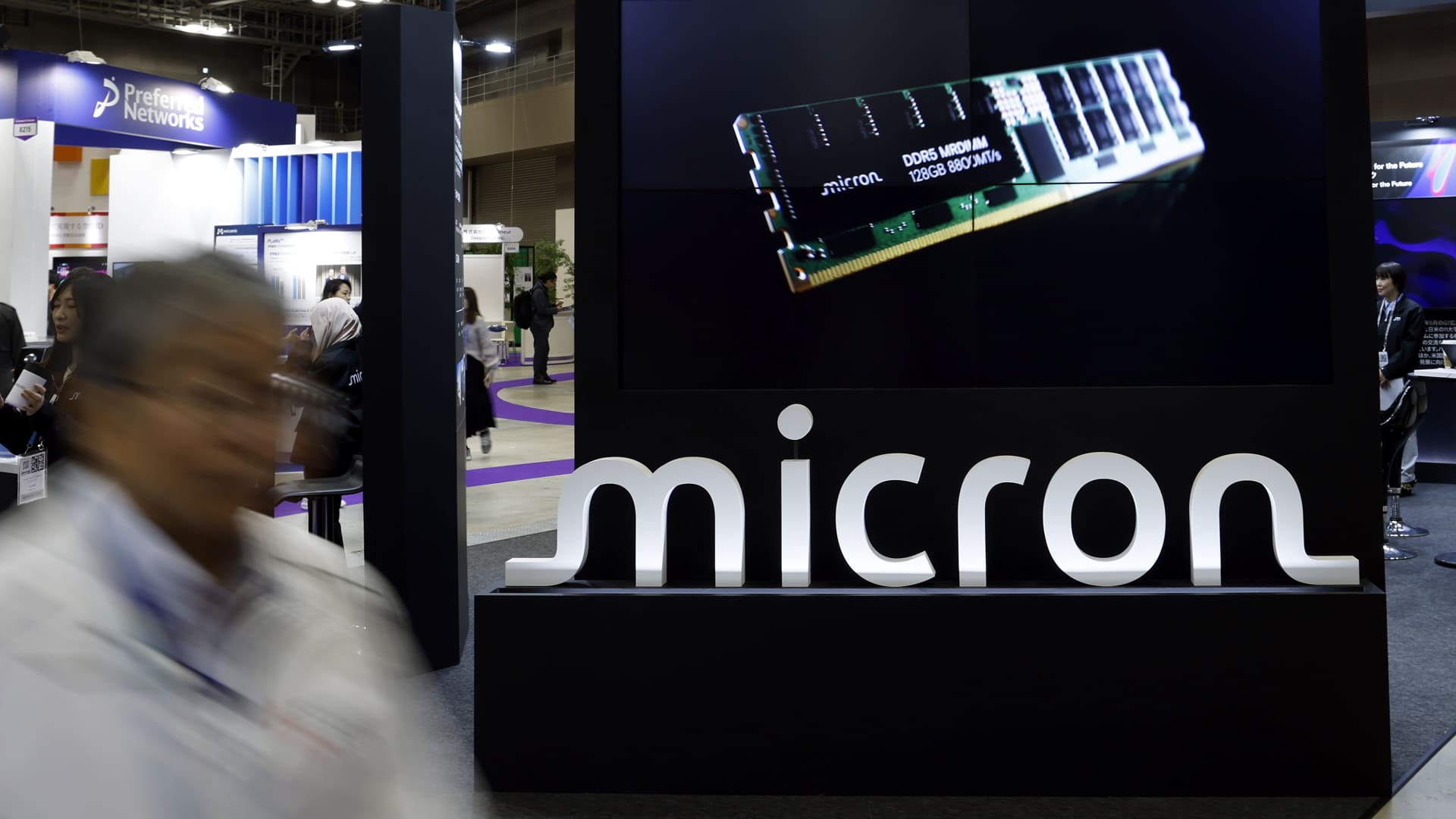
Roundhill Memory ETF DRAM Attracts Over $5 Billion in Investments


- Memory Supercycle: The Roundhill Memory ETF (DRAM) attracted over $5 billion in investments within a month, including $1.1 billion on Thursday alone, indicating strong market demand for memory stocks driven by surging AI computing needs.
- Core Holdings Performance: The ETF's core holdings feature leading memory manufacturers like SK Hynix, Micron, and Samsung, allowing investors to gain broad exposure to these high-growth companies, including those not listed on U.S. exchanges.
- Market Reaction: Micron's stock surged over 200 points in a week, climbing from $542 to $747, reflecting optimistic market expectations for memory product demand, with a price-to-earnings ratio of only 9 times projected earnings for the next 12 months, highlighting its appeal as a quality stock.
- Investment Opportunities: Despite waning interest in data center stocks, investors can still capitalize on potential gains in the memory and cooling sectors by purchasing instruments like the DRAM ETF, especially as major tech companies continue to invest heavily in data centers.

Nvidia Partners with IREN to Accelerate AI Factory Deployment


- Partnership Highlights: Nvidia's collaboration with IREN aims to deploy up to 5 GW of AI infrastructure across IREN's global data centers, with a five-year option for Nvidia to purchase 30 million shares, potentially investing up to $2.1 billion, indicating a strong strategic alliance in the AI sector.
- Data Center Revenue Share: In fiscal year 2026, Nvidia's data center revenue reached $193.7 billion, accounting for 89% of total revenue of $215.9 billion, underscoring the company's dominant position and growth potential in the AI infrastructure market.
- EPS Forecast Upgrade: Goldman Sachs analysts raised Nvidia's EPS estimates by approximately 12%, expecting Q1 revenue to exceed $80 billion and Q2 revenue at $87.68 billion, which is 3% above Wall Street consensus, reflecting positive market sentiment towards its earnings.
- Market Risk Factors: Analysts noted risks for Nvidia including a slowdown in AI infrastructure spending, potential market share erosion due to increased competition, and supply chain constraints, which could impact future profitability and stock performance.
Nvidia Accelerates AI Investment Strategy

- Surge in Investment: Nvidia has committed over $40 billion in 2026 alone, including a $2.1 billion investment agreement with data center operator IREN, showcasing its aggressive expansion in the AI infrastructure sector.
- Market Dominance: With a market cap of approximately $5.2 trillion and an 11-fold stock price increase over four years, Nvidia has solidified its position as the most valuable company globally, reflecting its undeniable leadership in the AI chip market.
- Strategic Portfolio: Last year, Nvidia invested $17.5 billion in private companies and infrastructure funds, primarily to support early-stage startups, further deepening and broadening its ecosystem reach.
- Strengthened Partnerships: The $3.2 billion investment in Corning will drive innovation in optical technologies, with plans to build three new facilities, enhancing its capabilities in handling AI workloads.

Nvidia Accelerates Investment in AI Infrastructure
- Massive Investment Plans: Nvidia announced this week plans to invest up to $3.2 billion in glass maker Corning and $2.1 billion in data center operator IREN, demonstrating its aggressive strategy to enhance its competitive edge in the AI infrastructure sector through acquisitions and commercial partnerships.
- Significant Investment Returns: Nvidia's $5 billion investment in Intel last year has now appreciated to over $25 billion, reflecting the success of its investment strategy and further solidifying its leadership position in the AI market.
- Ecosystem Expansion: In 2026, Nvidia has already committed over $40 billion in investments across various public equities, indicating its dedication to building a comprehensive AI supply chain that ensures widespread application of its hardware and meets market demand.
- Positive Market Reaction: Following Nvidia's investment agreements with IREN and Corning, shares of both companies surged, showcasing market confidence in Nvidia's investment strategy and further propelling its market capitalization to approximately $5.2 trillion.

Coinbase Faces Trading Disruption Due to AWS Outage


- Cause of AWS Outage: Coinbase CEO Brian Armstrong stated that a failure of cooling systems at an Amazon Web Services (AWS) data center led to overheating, exposing limitations in the company's exchange infrastructure; while most systems remained operational during a single Availability Zone failure, some did not withstand the pressure, highlighting vulnerabilities.
- Layoffs and Automation Push: The outage occurred shortly after Coinbase announced layoffs affecting about 700 employees, or 14% of its workforce, as part of a broader strategy to enhance automation and AI capabilities, with Armstrong noting that non-technical teams are increasingly delivering production code internally, reflecting a shift in operational workflows.
- Declining Financial Performance: Coinbase reported first-quarter revenue of $1.41 billion, down 31% year-over-year, with a net loss of $394 million primarily due to a soft crypto market impacting trading activity; transaction revenue fell 40% to $755.8 million, compounded by a $482 million unrealized loss on crypto assets, further straining financials.
- Market Sentiment Shift: Despite a more than 4% increase in Coinbase's stock price at Friday's close, it fell by 0.18% in after-hours trading; however, retail sentiment on Stocktwits remained in the 'bullish' zone, indicating that investor confidence persists despite the challenges posed by infrastructure issues and market conditions.

U.S. Stocks Close Higher, Nasdaq Hits Record High

- Strong Market Performance: The S&P 500 rose by 0.84% and the Nasdaq 100 increased by 2.35%, reaching record highs, reflecting market optimism driven by robust corporate earnings despite concerns over the Iran conflict.
- Support from Employment Data: U.S. nonfarm payrolls for April increased by 115,000, surpassing expectations of 65,000, with March figures revised up to 185,000, indicating resilience in the labor market and further boosting stock prices.
- Decline in Consumer Confidence: The University of Michigan's May consumer sentiment index fell to a record low of 48.2, below the expected 49.5, highlighting economic uncertainty that could impact future consumer spending.
- Oil Market Volatility: Iran's seizure of an oil tanker in the Strait of Hormuz led to a rise in WTI crude prices, with expectations that this incident will affect global oil supply, potentially causing further price fluctuations.
Roundhill Memory ETF DRAM Attracts Over $5 Billion in Investments
- Memory Supercycle: The Roundhill Memory ETF (DRAM) attracted over $5 billion in investments within a month, including $1.1 billion on Thursday alone, indicating strong market demand for memory stocks driven by surging AI computing needs.
- Core Holdings Performance: The ETF's core holdings feature leading memory manufacturers like SK Hynix, Micron, and Samsung, allowing investors to gain broad exposure to these high-growth companies, including those not listed on U.S. exchanges.
- Market Reaction: Micron's stock surged over 200 points in a week, climbing from $542 to $747, reflecting optimistic market expectations for memory product demand, with a price-to-earnings ratio of only 9 times projected earnings for the next 12 months, highlighting its appeal as a quality stock.
- Investment Opportunities: Despite waning interest in data center stocks, investors can still capitalize on potential gains in the memory and cooling sectors by purchasing instruments like the DRAM ETF, especially as major tech companies continue to invest heavily in data centers.
Nvidia Partners with IREN to Accelerate AI Factory Deployment
- Partnership Highlights: Nvidia's collaboration with IREN aims to deploy up to 5 GW of AI infrastructure across IREN's global data centers, with a five-year option for Nvidia to purchase 30 million shares, potentially investing up to $2.1 billion, indicating a strong strategic alliance in the AI sector.
- Data Center Revenue Share: In fiscal year 2026, Nvidia's data center revenue reached $193.7 billion, accounting for 89% of total revenue of $215.9 billion, underscoring the company's dominant position and growth potential in the AI infrastructure market.
- EPS Forecast Upgrade: Goldman Sachs analysts raised Nvidia's EPS estimates by approximately 12%, expecting Q1 revenue to exceed $80 billion and Q2 revenue at $87.68 billion, which is 3% above Wall Street consensus, reflecting positive market sentiment towards its earnings.
- Market Risk Factors: Analysts noted risks for Nvidia including a slowdown in AI infrastructure spending, potential market share erosion due to increased competition, and supply chain constraints, which could impact future profitability and stock performance.
Nvidia Accelerates AI Investment Strategy
- Surge in Investment: Nvidia has committed over $40 billion in 2026 alone, including a $2.1 billion investment agreement with data center operator IREN, showcasing its aggressive expansion in the AI infrastructure sector.
- Market Dominance: With a market cap of approximately $5.2 trillion and an 11-fold stock price increase over four years, Nvidia has solidified its position as the most valuable company globally, reflecting its undeniable leadership in the AI chip market.
- Strategic Portfolio: Last year, Nvidia invested $17.5 billion in private companies and infrastructure funds, primarily to support early-stage startups, further deepening and broadening its ecosystem reach.
- Strengthened Partnerships: The $3.2 billion investment in Corning will drive innovation in optical technologies, with plans to build three new facilities, enhancing its capabilities in handling AI workloads.
Nvidia Accelerates Investment in AI Infrastructure
- Massive Investment Plans: Nvidia announced this week plans to invest up to $3.2 billion in glass maker Corning and $2.1 billion in data center operator IREN, demonstrating its aggressive strategy to enhance its competitive edge in the AI infrastructure sector through acquisitions and commercial partnerships.
- Significant Investment Returns: Nvidia's $5 billion investment in Intel last year has now appreciated to over $25 billion, reflecting the success of its investment strategy and further solidifying its leadership position in the AI market.
- Ecosystem Expansion: In 2026, Nvidia has already committed over $40 billion in investments across various public equities, indicating its dedication to building a comprehensive AI supply chain that ensures widespread application of its hardware and meets market demand.
- Positive Market Reaction: Following Nvidia's investment agreements with IREN and Corning, shares of both companies surged, showcasing market confidence in Nvidia's investment strategy and further propelling its market capitalization to approximately $5.2 trillion.
Coinbase Faces Trading Disruption Due to AWS Outage
- Cause of AWS Outage: Coinbase CEO Brian Armstrong stated that a failure of cooling systems at an Amazon Web Services (AWS) data center led to overheating, exposing limitations in the company's exchange infrastructure; while most systems remained operational during a single Availability Zone failure, some did not withstand the pressure, highlighting vulnerabilities.
- Layoffs and Automation Push: The outage occurred shortly after Coinbase announced layoffs affecting about 700 employees, or 14% of its workforce, as part of a broader strategy to enhance automation and AI capabilities, with Armstrong noting that non-technical teams are increasingly delivering production code internally, reflecting a shift in operational workflows.
- Declining Financial Performance: Coinbase reported first-quarter revenue of $1.41 billion, down 31% year-over-year, with a net loss of $394 million primarily due to a soft crypto market impacting trading activity; transaction revenue fell 40% to $755.8 million, compounded by a $482 million unrealized loss on crypto assets, further straining financials.
- Market Sentiment Shift: Despite a more than 4% increase in Coinbase's stock price at Friday's close, it fell by 0.18% in after-hours trading; however, retail sentiment on Stocktwits remained in the 'bullish' zone, indicating that investor confidence persists despite the challenges posed by infrastructure issues and market conditions.
U.S. Stocks Close Higher, Nasdaq Hits Record High
- Strong Market Performance: The S&P 500 rose by 0.84% and the Nasdaq 100 increased by 2.35%, reaching record highs, reflecting market optimism driven by robust corporate earnings despite concerns over the Iran conflict.
- Support from Employment Data: U.S. nonfarm payrolls for April increased by 115,000, surpassing expectations of 65,000, with March figures revised up to 185,000, indicating resilience in the labor market and further boosting stock prices.
- Decline in Consumer Confidence: The University of Michigan's May consumer sentiment index fell to a record low of 48.2, below the expected 49.5, highlighting economic uncertainty that could impact future consumer spending.
- Oil Market Volatility: Iran's seizure of an oil tanker in the Strait of Hormuz led to a rise in WTI crude prices, with expectations that this incident will affect global oil supply, potentially causing further price fluctuations.