Nasdaq Composite Index Plunges 4% Amid Tech Stock Slump
Written by Emily J. Thompson, Senior Investment Analyst
Updated: 4 days ago
0mins

Source: seekingalpha
- Tech Sector Decline: The Nasdaq Composite Index fell 4.18% on Friday, primarily influenced by the May labor report, which heightened market uncertainty regarding economic prospects, leading to a significant sell-off in tech stocks and diminishing investor confidence.
- Chip Stocks Underperform: Major chip stocks like Intel (INTC) and Broadcom (AVGO) were among the top five decliners on the Nasdaq, dropping 12.44% and 12.80% respectively, reflecting concerns over future demand in the semiconductor industry, which could adversely affect their earnings outlook.
- Weekly Winners and Losers: Despite the overall market downturn, Marvell Technology (MRVL) surged 31.85% this week, emerging as the top performer, indicating that some companies can still achieve growth amidst strong AI demand, potentially attracting investor interest.
- Market Sentiment Deterioration: Concerns over the prospects of a U.S.–Iran peace deal have contributed to the poor performance of tech stocks, leading to a decline in investor sentiment that may impact market liquidity and investment decisions in the short term, increasing volatility.
Trade with 70% Backtested Accuracy
Stop guessing "Should I Buy INTC?" and start using high-conviction signals backed by rigorous historical data.
Sign up today to access powerful investing tools and make smarter, data-driven decisions.
Analyst Views on INTC
Wall Street analysts forecast INTC stock price to fall
29 Analyst Rating
5 Buy
19 Hold
5 Sell
Hold
Current: 110.270

Low
20.00
Averages
39.30
High
52.00
Current: 110.270
Low
20.00
Averages
39.30
High
52.00
About INTC
Intel Corporation is a global designer and manufacturer of semiconductor products. The Company's segments include Intel Products, Intel Foundry, and All Other. Its Intel Products comprise Client Computing Group (CCG) and Data Center and AI (DCAI). CCG delivers platforms and processors that power PCs and edge devices, enabling enhanced performance, connectivity and user experience for consumer and commercial markets with capabilities that also support retail, industrial robotics and AI ecosystems at the edge. DCAI delivers workload-optimized solutions based upon its x86 architecture for data centers, including CPUs, AI accelerators, NICs, IPUs and custom ASICs, enabling performance and scalability for cloud, enterprise, telecommunication and HPC environments. The Intel Foundry segment comprises technology development, manufacturing and foundry services, developing new semiconductor process technologies and advanced packaging technologies. All Other segments include Mobileye and Other.
About the author

Emily J. Thompson
Emily J. Thompson, a Chartered Financial Analyst (CFA) with 12 years in investment research, graduated with honors from the Wharton School. Specializing in industrial and technology stocks, she provides in-depth analysis for Intellectia’s earnings and market brief reports.
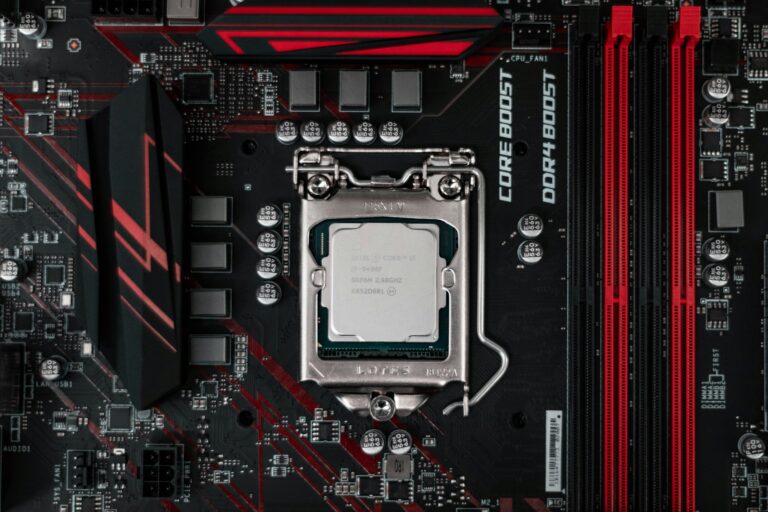
Intel Shares Surge 168% Amid Earnings Growth

- Strong Financial Performance: Intel's Q1 fiscal 2026 revenue rose 7% year-over-year to $13.6 billion, with non-GAAP EPS at $0.29 and net income soaring 156% to nearly $1.5 billion, indicating significant improvements in financial and operational metrics.
- Rising Data Center Demand: Demand for Intel's Xeon server CPUs is outpacing supply, particularly in AI data centers, with management noting that the CPU-to-GPU ratio may shift from 7:1 to 3:1 as workloads transition to inference, enhancing Intel's potential in AI infrastructure growth.
- Strengthened Partnerships: In April 2026, Google expanded its multiyear partnership with Intel to utilize Xeon CPUs for AI inference and cloud workloads, providing Intel with clearer visibility into future data center demand and stable chip requirements over the next three to five years.
- Manufacturing Technology Challenges: Despite generating $5.4 billion in revenue from its Foundry segment in Q1, Intel faced an operating loss of approximately $2.4 billion and a GAAP loss of $0.73 per share, with management anticipating a decline in PC demand in the second half of 2026, indicating that the company's turnaround relies heavily on data center demand and successful execution of its 18A technology.
See More

US Stocks Close: Nasdaq Hits 5-Week Low Amid Market Rotations


- Market Volatility: The S&P 500 index fell by 0.26% and the Nasdaq 100 dropped by 1.12% on Tuesday, indicating a shift to a downward trend after an early advance, reflecting investor concerns over tech stocks.
- Energy Price Impact: WTI crude oil prices plunged by 3% to a seven-week low, leading to widespread declines in energy producers' stocks, which exacerbated the overall market weakness and highlighted the direct impact of oil price fluctuations on related sectors.
- Real Estate Market Recovery: US existing home sales rose to 4.17 million in April, a five-month high, boosting the stocks of builders and suppliers, indicating that a recovery in the real estate market could provide positive signals for the economy.
- International Trade Data Improvement: China's May exports increased by 19.4% year-on-year, surpassing expectations, showcasing potential for global economic growth, which may positively influence the US market, despite ongoing uncertainties.
See More
Intel's Financial Performance Shows Significant Improvement in 2026
- Financial Metrics Improvement: Intel's Q1 2026 revenue rose 7% year-over-year to $13.6 billion, with non-GAAP earnings per share at $0.29, indicating a steady financial recovery that boosts market confidence in its future growth prospects.
- Strong Data Center Demand: With demand for Xeon CPUs outpacing supply, Intel solidifies its market position in AI data centers, and management highlights improved visibility into future demand, particularly through long-term agreements with Google that will further drive sales.
- Manufacturing Technology Advances: Intel's 18A process technology is ramping up in full-volume production, and although the Foundry business reported a $2.4 billion operating loss in Q1, the launch of its new PC processor platform signifies a recovery in manufacturing capabilities, with profitability expected in the future.
- Market Valuation Analysis: Despite improving business conditions, Intel's stock trades at 8.3 times sales, significantly above its three-year average of 3.3 times, suggesting that the market has already priced in a lot of turnaround success, prompting investors to carefully assess the stock's attractiveness.
See More
Analysts Warn of End to 'Sugar Rush' in U.S. Stocks

- Market Correction Risks: Wells Fargo analyst Ohsung Kwon highlighted a 4% drop in the Nasdaq last Friday, marking the worst single-day decline since April 2025, indicating increased risks associated with the AI trade and urging caution among investors.
- Red Flag Warnings: Bank of America Securities strategists cautioned that there are 'too many red flags' in U.S. stocks, advising investors to take profits, as 70% of bear market signposts have been triggered, suggesting potential greater market pressures ahead.
- Tech Stock Declines: U.S. equities fell broadly on Tuesday, with the Nasdaq Composite down nearly 3.6%, and chip stocks like Nvidia and Intel dropping between 4% and 14%, reflecting the vulnerability of the tech sector amid market volatility.
- Oil Price Fluctuations: U.S. West Texas Intermediate (WTI) crude futures fell 2.37% to around $89.34 per barrel, as market expectations of a deal with Iran intensified, contributing to overall market sentiment fluctuations.
See More

US Stock Market Volatility Amid Falling WTI Crude Prices
- Mixed Market Performance: The S&P 500 index fell by 0.28%, while the Dow Jones Industrial Average rose by 0.19%, and the Nasdaq 100 index dropped by 0.80%, indicating a divergence in market sentiment, particularly with weakness in chipmakers and software stocks weighing on the broader market.
- Crude Oil Price Decline: WTI crude oil prices plunged over 3% to a one-week low, primarily due to the ceasefire agreement between Iran and Israel, leading to expectations of further declines in oil prices that could impact the profitability outlook for energy stocks.
- Positive Economic Data: The US trade deficit narrowed to $55.9 billion in April, better than the expected $56.1 billion, while existing home sales in May rose by 3.2% month-over-month to 4.17 million, indicating resilience in the housing market that may provide support for stocks.
- Company Movements: United Natural Foods saw its stock drop over 12% after reporting Q3 net sales below expectations, while Nuvalent's stock surged over 38% following GSK's agreement to acquire the company for $10.6 billion, reflecting varied market reactions to company fundamentals.
See More

US Stocks Rebound as AI Trade Continues to Gain Momentum
- Market Rebound: The S&P 500 Index rose by 0.93%, the Dow Jones Industrial Average increased by 0.89%, and the Nasdaq 100 Index climbed by 1.17%, indicating a sustained rebound in the artificial intelligence trade that boosts market confidence and investor sentiment.
- Crude Oil Price Decline: WTI crude oil prices fell by 2% to a one-week low, which lowered inflation expectations and provided support for stocks and bonds, reflecting a positive outlook for future economic growth.
- Strong China Trade Data: May exports rose by 19.4% year-on-year, exceeding expectations of 15.0%, while imports increased by 27.4%, surpassing the anticipated 26.0%, indicating positive signals for global economic recovery that could further drive market gains.
- Tech Stocks Lead Gains: Chipmakers and AI infrastructure stocks showed strong performance, with Lam Research up over 4%, and Applied Materials and KLA Corp both rising over 3%, suggesting that the recovery in the tech sector is driving overall market growth.
See More
Intel Shares Surge 168% Amid Earnings Growth
- Strong Financial Performance: Intel's Q1 fiscal 2026 revenue rose 7% year-over-year to $13.6 billion, with non-GAAP EPS at $0.29 and net income soaring 156% to nearly $1.5 billion, indicating significant improvements in financial and operational metrics.
- Rising Data Center Demand: Demand for Intel's Xeon server CPUs is outpacing supply, particularly in AI data centers, with management noting that the CPU-to-GPU ratio may shift from 7:1 to 3:1 as workloads transition to inference, enhancing Intel's potential in AI infrastructure growth.
- Strengthened Partnerships: In April 2026, Google expanded its multiyear partnership with Intel to utilize Xeon CPUs for AI inference and cloud workloads, providing Intel with clearer visibility into future data center demand and stable chip requirements over the next three to five years.
- Manufacturing Technology Challenges: Despite generating $5.4 billion in revenue from its Foundry segment in Q1, Intel faced an operating loss of approximately $2.4 billion and a GAAP loss of $0.73 per share, with management anticipating a decline in PC demand in the second half of 2026, indicating that the company's turnaround relies heavily on data center demand and successful execution of its 18A technology.
See More
US Stocks Close: Nasdaq Hits 5-Week Low Amid Market Rotations
- Market Volatility: The S&P 500 index fell by 0.26% and the Nasdaq 100 dropped by 1.12% on Tuesday, indicating a shift to a downward trend after an early advance, reflecting investor concerns over tech stocks.
- Energy Price Impact: WTI crude oil prices plunged by 3% to a seven-week low, leading to widespread declines in energy producers' stocks, which exacerbated the overall market weakness and highlighted the direct impact of oil price fluctuations on related sectors.
- Real Estate Market Recovery: US existing home sales rose to 4.17 million in April, a five-month high, boosting the stocks of builders and suppliers, indicating that a recovery in the real estate market could provide positive signals for the economy.
- International Trade Data Improvement: China's May exports increased by 19.4% year-on-year, surpassing expectations, showcasing potential for global economic growth, which may positively influence the US market, despite ongoing uncertainties.
See More
Intel's Financial Performance Shows Significant Improvement in 2026
- Financial Metrics Improvement: Intel's Q1 2026 revenue rose 7% year-over-year to $13.6 billion, with non-GAAP earnings per share at $0.29, indicating a steady financial recovery that boosts market confidence in its future growth prospects.
- Strong Data Center Demand: With demand for Xeon CPUs outpacing supply, Intel solidifies its market position in AI data centers, and management highlights improved visibility into future demand, particularly through long-term agreements with Google that will further drive sales.
- Manufacturing Technology Advances: Intel's 18A process technology is ramping up in full-volume production, and although the Foundry business reported a $2.4 billion operating loss in Q1, the launch of its new PC processor platform signifies a recovery in manufacturing capabilities, with profitability expected in the future.
- Market Valuation Analysis: Despite improving business conditions, Intel's stock trades at 8.3 times sales, significantly above its three-year average of 3.3 times, suggesting that the market has already priced in a lot of turnaround success, prompting investors to carefully assess the stock's attractiveness.
See More
Analysts Warn of End to 'Sugar Rush' in U.S. Stocks
- Market Correction Risks: Wells Fargo analyst Ohsung Kwon highlighted a 4% drop in the Nasdaq last Friday, marking the worst single-day decline since April 2025, indicating increased risks associated with the AI trade and urging caution among investors.
- Red Flag Warnings: Bank of America Securities strategists cautioned that there are 'too many red flags' in U.S. stocks, advising investors to take profits, as 70% of bear market signposts have been triggered, suggesting potential greater market pressures ahead.
- Tech Stock Declines: U.S. equities fell broadly on Tuesday, with the Nasdaq Composite down nearly 3.6%, and chip stocks like Nvidia and Intel dropping between 4% and 14%, reflecting the vulnerability of the tech sector amid market volatility.
- Oil Price Fluctuations: U.S. West Texas Intermediate (WTI) crude futures fell 2.37% to around $89.34 per barrel, as market expectations of a deal with Iran intensified, contributing to overall market sentiment fluctuations.
See More
US Stock Market Volatility Amid Falling WTI Crude Prices
- Mixed Market Performance: The S&P 500 index fell by 0.28%, while the Dow Jones Industrial Average rose by 0.19%, and the Nasdaq 100 index dropped by 0.80%, indicating a divergence in market sentiment, particularly with weakness in chipmakers and software stocks weighing on the broader market.
- Crude Oil Price Decline: WTI crude oil prices plunged over 3% to a one-week low, primarily due to the ceasefire agreement between Iran and Israel, leading to expectations of further declines in oil prices that could impact the profitability outlook for energy stocks.
- Positive Economic Data: The US trade deficit narrowed to $55.9 billion in April, better than the expected $56.1 billion, while existing home sales in May rose by 3.2% month-over-month to 4.17 million, indicating resilience in the housing market that may provide support for stocks.
- Company Movements: United Natural Foods saw its stock drop over 12% after reporting Q3 net sales below expectations, while Nuvalent's stock surged over 38% following GSK's agreement to acquire the company for $10.6 billion, reflecting varied market reactions to company fundamentals.
See More
US Stocks Rebound as AI Trade Continues to Gain Momentum
- Market Rebound: The S&P 500 Index rose by 0.93%, the Dow Jones Industrial Average increased by 0.89%, and the Nasdaq 100 Index climbed by 1.17%, indicating a sustained rebound in the artificial intelligence trade that boosts market confidence and investor sentiment.
- Crude Oil Price Decline: WTI crude oil prices fell by 2% to a one-week low, which lowered inflation expectations and provided support for stocks and bonds, reflecting a positive outlook for future economic growth.
- Strong China Trade Data: May exports rose by 19.4% year-on-year, exceeding expectations of 15.0%, while imports increased by 27.4%, surpassing the anticipated 26.0%, indicating positive signals for global economic recovery that could further drive market gains.
- Tech Stocks Lead Gains: Chipmakers and AI infrastructure stocks showed strong performance, with Lam Research up over 4%, and Applied Materials and KLA Corp both rising over 3%, suggesting that the recovery in the tech sector is driving overall market growth.
See More