Nasdaq Approved for Tokenized Stock Trading
Written by Emily J. Thompson, Senior Investment Analyst
Updated: Mar 19 2026
0mins
Should l Buy NDAQ?
Source: seekingalpha
- Approval for Tokenization: The U.S. SEC has approved Nasdaq's proposal to allow certain stocks to be traded and settled in tokenized form, marking a significant step toward mainstream blockchain settlement in equity markets.
- Positive Market Response: Amid easing cryptocurrency regulations under the Trump administration, exchange operators are intensifying efforts to capitalize on the tokenization boom, which is expected to attract more investors to this innovative trading method.
- Initial Scope of Application: Initially, securities eligible for tokenized trading will be limited to stocks in the Russell 1000 Index and exchange-traded funds (ETFs) tracking major benchmarks like the S&P 500 and Nasdaq 100.
- Intensifying Competition: The New York Stock Exchange is also developing a platform for 24/7 trading of tokenized U.S.-listed equities and ETFs, while Coinbase Global plans to launch tokenized equities in December, indicating strong market interest in tokenized trading.
Trade with 70% Backtested Accuracy
Stop guessing "Should I Buy NDAQ?" and start using high-conviction signals backed by rigorous historical data.
Sign up today to access powerful investing tools and make smarter, data-driven decisions.
Analyst Views on NDAQ
Wall Street analysts forecast NDAQ stock price to rise
10 Analyst Rating
9 Buy
1 Hold
0 Sell
Strong Buy
Current: 85.150

Low
101.00
Averages
111.50
High
123.00
Current: 85.150
Low
101.00
Averages
111.50
High
123.00
About NDAQ
Nasdaq, Inc. is a global technology company serving corporate clients, investment managers, banks, brokers, and exchange operators as they navigate and interact with the global capital markets and the broader financial system. The Company manages, operates and provides its products and services in three business segments: Capital Access Platforms, Financial Technology and Market Services. Its Capital Access Platforms segment comprises Data & Listing Services, Index and Workflow & Insights. The Financial Technology segment comprises Financial Crime Management Technology, Regulatory Technology and Capital Markets Technology businesses. Its Market Services segment includes its equity derivative trading and clearing, cash equity trading, fixed income, currency and commodities trading. It operates over 19 exchanges across several asset classes, including derivatives, commodities, cash equity, debt, structured products and exchange-traded products (ETPs).
About the author

Emily J. Thompson
Emily J. Thompson, a Chartered Financial Analyst (CFA) with 12 years in investment research, graduated with honors from the Wharton School. Specializing in industrial and technology stocks, she provides in-depth analysis for Intellectia’s earnings and market brief reports.
Apple Faces Challenges and Opportunities in the AI Era


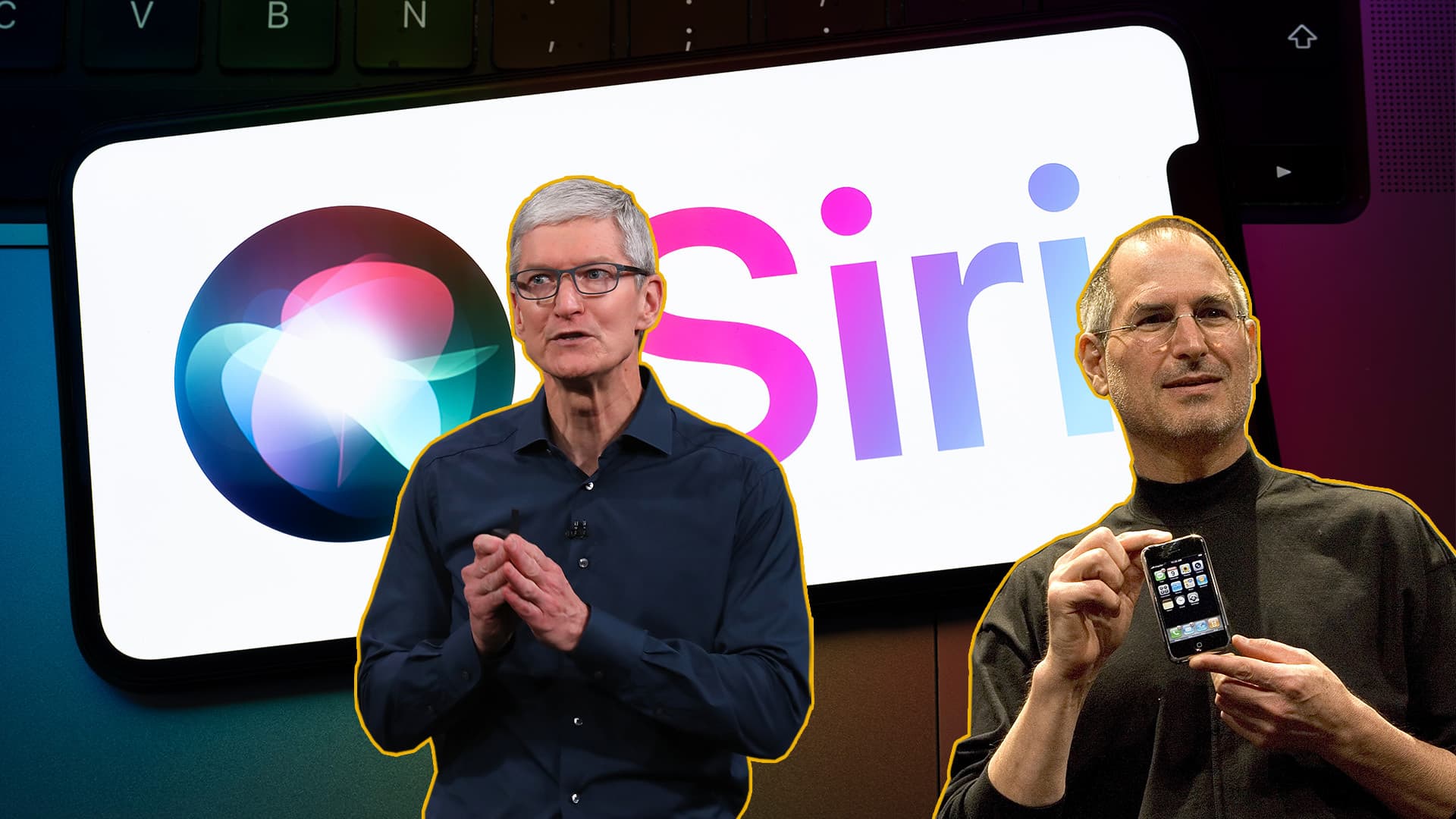
- AI Strategy Shift: Apple has struck a multi-year deal with Google to utilize Gemini AI for a revamped Siri, which could impact user data privacy as Apple pays around $20 billion annually to maintain Google's default search engine status, necessitating careful management to avoid negative implications for its core business.
- Mixed Market Response: Apple's slow progress in AI updates has raised consumer skepticism, despite plans to launch Apple Intelligence in 2024 with features like image generation and text rewriting, potentially affecting its competitive edge in the market.
- Capital Expenditure Control: Unlike rivals such as Amazon and Microsoft, which are committing hundreds of billions annually to AI infrastructure, Apple has kept its capital expenditures in check, a strategy that reduces short-term risks but places it at a disadvantage in generative AI.
- Privacy and Technology Balance: CEO Tim Cook has emphasized that privacy is a
See More

Analysis of Upcoming Dividend Increases


- Nasdaq Dividend Growth: Nasdaq (NDAQ) is projected to increase its dividend by 12.5% in 2025, with a current yield of 1.3%, reflecting strong profitability and a consistent dividend growth potential despite its long-term performance mirroring tech-heavy indices.
- Synchrony Financial Outlook: Synchrony Financial (SYF) plans a 20% dividend increase in 2025, with a current yield of 1.8%, and its payout represents only 13% of estimated 2026 earnings, indicating room for further dividend expansion despite earnings variability.
- Victory Capital's Investment Strategy: Victory Capital (VCTR) is expected to raise its dividend by 4.2% in 2025, currently yielding 3.0%, and despite a recent failed acquisition attempt, the company maintains a strong history of dividend growth, with an announcement anticipated in early May.
- Paychex Market Performance: Paychex (PAYX) is projected to increase its dividend by 10.2% in 2025, with a yield of 4.7%, and despite facing economic headwinds, the company is expected to announce a dividend increase in early May, reflecting management's confidence in the current employment landscape.
See More

CoinShares to Go Public via SPAC Merger


- Merger Announcement: CoinShares is merging with Vine Hill Capital to form CoinShares PLC, with a valuation of approximately $1.2 billion and a $50 million investment from institutional investors, set to begin trading on Nasdaq Wednesday, marking a significant step in its U.S. market expansion.
- Assets Under Management: CoinShares manages $6 billion in assets, focusing on crypto assets and offering structured investment products for both institutional and retail investors, with the CEO expressing a desire to leverage the U.S. listing to accelerate growth in the American market.
- Market Environment Challenges: The listing occurs amid a downturn in the crypto market, yet the CEO emphasizes the company's readiness, asserting that service companies tend to be more resilient when listed during bear markets, thus maintaining stability amid market uncertainties.
- Profitability and Business Model: CoinShares has been profitable every year since its inception in 2014, relying on recurring fees from managed assets for revenue, which provides more stability compared to transaction-driven platforms, with the CEO aiming to diversify products to encourage broader Bitcoin ownership.
See More

Risks and Opportunities in ETF Investments


- Tech Stock Volatility: Nvidia's nearly 9% weighting in the Invesco QQQ Trust has led to a decline in the ETF this year, highlighting the volatility inherent in tech stocks, which investors need to assess carefully.
- Market Performance Comparison: While the Invesco QQQ Trust has more than doubled in value since 2023, it experienced a significant 33% drop in 2022 due to inflation-driven market crashes, illustrating its vulnerability during market fluctuations.
- Investor Strategy Consideration: Short-term investors may find it prudent to pivot to safer investments, while long-term investors must evaluate their patience and potential returns from holding the ETF.
- Nvidia's Market Impact: As the most valuable company globally, Nvidia's performance directly influences many tech ETFs, necessitating investor attention to its valuations and tech spending's impact on the market.
See More

Nasdaq Revises Index Rules to Accelerate New Listings
- Entry Time Reduction: Nasdaq is shortening the time for newly listed large-cap companies to enter the Nasdaq 100 index from three months to just 15 trading days, which will allow over $600 billion in ETFs to more quickly reflect market dynamics, thereby enhancing investor decision-making efficiency.
- Positive Market Response: Asset managers and institutional passive portfolio managers largely support the Fast Entry proposal, indicating market approval of the new rules, which is expected to boost IPO activity, particularly for potential trillion-dollar companies like SpaceX and OpenAI.
- Effective Date of New Rules: These new rules will take effect on May 1, and in addition to the reduced entry time, they will eliminate the minimum 10% float requirement and adjust the weights of low-float securities, further optimizing the index's representativeness and liquidity.
- Global Implications: This change by Nasdaq not only impacts its own index but may also prompt other index providers like S&P Dow Jones Indices and FTSE Russell to follow suit, potentially accelerating liquidity and market efficiency for $40 trillion in global assets.
See More

Iran War Triggers Market Turmoil Amid Conflicting Statements


- Market Uncertainty: The oil markets are experiencing volatility due to conflicting statements regarding the Iran war, with both WTI and Brent crude prices initially rising before pulling back, indicating investor concerns about future developments.
- Defense Secretary Investment Controversy: U.S. Defense Secretary Pete Hegseth's broker reportedly sought to make multimillion-dollar investments in major defense companies before the war, raising questions about potential insider trading, although the Pentagon has dismissed these claims.
- Trump's Tough Rhetoric: President Trump threatened to destroy Iran's oil wells and power plants if a peace deal is not reached, which has heightened market anxiety and complicated investor expectations regarding the conflict's trajectory.
- Fed's Inflation Outlook: Federal Reserve Chair Jerome Powell stated that inflation expectations remain grounded despite rising energy prices, suggesting that the central bank does not need to respond with higher interest rates, which could influence market perceptions of future monetary policy.
See More
Apple Faces Challenges and Opportunities in the AI Era
- AI Strategy Shift: Apple has struck a multi-year deal with Google to utilize Gemini AI for a revamped Siri, which could impact user data privacy as Apple pays around $20 billion annually to maintain Google's default search engine status, necessitating careful management to avoid negative implications for its core business.
- Mixed Market Response: Apple's slow progress in AI updates has raised consumer skepticism, despite plans to launch Apple Intelligence in 2024 with features like image generation and text rewriting, potentially affecting its competitive edge in the market.
- Capital Expenditure Control: Unlike rivals such as Amazon and Microsoft, which are committing hundreds of billions annually to AI infrastructure, Apple has kept its capital expenditures in check, a strategy that reduces short-term risks but places it at a disadvantage in generative AI.
- Privacy and Technology Balance: CEO Tim Cook has emphasized that privacy is a
See More
Analysis of Upcoming Dividend Increases
- Nasdaq Dividend Growth: Nasdaq (NDAQ) is projected to increase its dividend by 12.5% in 2025, with a current yield of 1.3%, reflecting strong profitability and a consistent dividend growth potential despite its long-term performance mirroring tech-heavy indices.
- Synchrony Financial Outlook: Synchrony Financial (SYF) plans a 20% dividend increase in 2025, with a current yield of 1.8%, and its payout represents only 13% of estimated 2026 earnings, indicating room for further dividend expansion despite earnings variability.
- Victory Capital's Investment Strategy: Victory Capital (VCTR) is expected to raise its dividend by 4.2% in 2025, currently yielding 3.0%, and despite a recent failed acquisition attempt, the company maintains a strong history of dividend growth, with an announcement anticipated in early May.
- Paychex Market Performance: Paychex (PAYX) is projected to increase its dividend by 10.2% in 2025, with a yield of 4.7%, and despite facing economic headwinds, the company is expected to announce a dividend increase in early May, reflecting management's confidence in the current employment landscape.
See More
CoinShares to Go Public via SPAC Merger
- Merger Announcement: CoinShares is merging with Vine Hill Capital to form CoinShares PLC, with a valuation of approximately $1.2 billion and a $50 million investment from institutional investors, set to begin trading on Nasdaq Wednesday, marking a significant step in its U.S. market expansion.
- Assets Under Management: CoinShares manages $6 billion in assets, focusing on crypto assets and offering structured investment products for both institutional and retail investors, with the CEO expressing a desire to leverage the U.S. listing to accelerate growth in the American market.
- Market Environment Challenges: The listing occurs amid a downturn in the crypto market, yet the CEO emphasizes the company's readiness, asserting that service companies tend to be more resilient when listed during bear markets, thus maintaining stability amid market uncertainties.
- Profitability and Business Model: CoinShares has been profitable every year since its inception in 2014, relying on recurring fees from managed assets for revenue, which provides more stability compared to transaction-driven platforms, with the CEO aiming to diversify products to encourage broader Bitcoin ownership.
See More
Risks and Opportunities in ETF Investments
- Tech Stock Volatility: Nvidia's nearly 9% weighting in the Invesco QQQ Trust has led to a decline in the ETF this year, highlighting the volatility inherent in tech stocks, which investors need to assess carefully.
- Market Performance Comparison: While the Invesco QQQ Trust has more than doubled in value since 2023, it experienced a significant 33% drop in 2022 due to inflation-driven market crashes, illustrating its vulnerability during market fluctuations.
- Investor Strategy Consideration: Short-term investors may find it prudent to pivot to safer investments, while long-term investors must evaluate their patience and potential returns from holding the ETF.
- Nvidia's Market Impact: As the most valuable company globally, Nvidia's performance directly influences many tech ETFs, necessitating investor attention to its valuations and tech spending's impact on the market.
See More
Nasdaq Revises Index Rules to Accelerate New Listings
- Entry Time Reduction: Nasdaq is shortening the time for newly listed large-cap companies to enter the Nasdaq 100 index from three months to just 15 trading days, which will allow over $600 billion in ETFs to more quickly reflect market dynamics, thereby enhancing investor decision-making efficiency.
- Positive Market Response: Asset managers and institutional passive portfolio managers largely support the Fast Entry proposal, indicating market approval of the new rules, which is expected to boost IPO activity, particularly for potential trillion-dollar companies like SpaceX and OpenAI.
- Effective Date of New Rules: These new rules will take effect on May 1, and in addition to the reduced entry time, they will eliminate the minimum 10% float requirement and adjust the weights of low-float securities, further optimizing the index's representativeness and liquidity.
- Global Implications: This change by Nasdaq not only impacts its own index but may also prompt other index providers like S&P Dow Jones Indices and FTSE Russell to follow suit, potentially accelerating liquidity and market efficiency for $40 trillion in global assets.
See More
Iran War Triggers Market Turmoil Amid Conflicting Statements
- Market Uncertainty: The oil markets are experiencing volatility due to conflicting statements regarding the Iran war, with both WTI and Brent crude prices initially rising before pulling back, indicating investor concerns about future developments.
- Defense Secretary Investment Controversy: U.S. Defense Secretary Pete Hegseth's broker reportedly sought to make multimillion-dollar investments in major defense companies before the war, raising questions about potential insider trading, although the Pentagon has dismissed these claims.
- Trump's Tough Rhetoric: President Trump threatened to destroy Iran's oil wells and power plants if a peace deal is not reached, which has heightened market anxiety and complicated investor expectations regarding the conflict's trajectory.
- Fed's Inflation Outlook: Federal Reserve Chair Jerome Powell stated that inflation expectations remain grounded despite rising energy prices, suggesting that the central bank does not need to respond with higher interest rates, which could influence market perceptions of future monetary policy.
See More