NASA May Halt SLS Launches, Impacting Boeing Revenue
Written by Emily J. Thompson, Senior Investment Analyst
Updated: 23 hours ago
0mins
Source: NASDAQ.COM
- Launch Plan Changes: NASA is revising its future lunar mission plans, potentially halting the use of SLS rockets in favor of smaller rockets to launch the Orion spacecraft, which could result in Boeing facing losses of tens of billions in revenue.
- Cost Efficiency Analysis: The new plan involves docking Orion with SpaceX's HLS in Earth orbit, reducing reliance on SLS, with Boeing's launch fee dropping from $3 billion to approximately $110 million, significantly diminishing Boeing's revenue potential from the Artemis project.
- Increased Market Competition: Should NASA no longer require Orion, SpaceX's Crew Dragon could take its place, further undermining Lockheed Martin's market position and potentially leading to the loss of contracts with NASA.
- Strategic Adjustment Motivation: Under the leadership of new NASA head Jared Isaacman, the agency aims to achieve sustainable lunar missions through cost reduction, a strategic shift that will negatively impact shareholders of Boeing and Lockheed Martin.
Trade with 70% Backtested Accuracy
Stop guessing "Should I Buy BA?" and start using high-conviction signals backed by rigorous historical data.
Sign up today to access powerful investing tools and make smarter, data-driven decisions.
Analyst Views on BA
Wall Street analysts forecast BA stock price to rise
16 Analyst Rating
14 Buy
1 Hold
1 Sell
Strong Buy
Current: 190.520

Low
150.00
Averages
269.14
High
298.00
Current: 190.520
Low
150.00
Averages
269.14
High
298.00
About BA
The Boeing Company is an aerospace company. Its segments include Commercial Airplanes (BCA), Defense, Space & Security (BDS), and Global Services (BGS). Its BCA segment develops, produces and markets commercial jet aircraft principally for the commercial airline industry worldwide. Its family of commercial jet aircraft in production includes the 737 narrow-body model and the 767, 777 and 787 wide-body models. Its BDS segment is engaged in the research, development, production and modification of manned and unmanned military aircraft and weapons systems for strike, surveillance and mobility. Its BGS segment provides services to its commercial and defense customers worldwide. It sustains aerospace platforms and systems with a range of products and services, including supply chain and logistics management, engineering, maintenance and modifications, upgrades and conversions, spare parts, pilot and maintenance training systems and services, technical and maintenance documents, and others.
About the author

Emily J. Thompson
Emily J. Thompson, a Chartered Financial Analyst (CFA) with 12 years in investment research, graduated with honors from the Wharton School. Specializing in industrial and technology stocks, she provides in-depth analysis for Intellectia’s earnings and market brief reports.

ASML Continues to Lead the Semiconductor Industry

- Market Monopoly: ASML is the world's only provider of extreme ultraviolet (EUV) lithography machines, planning to boost machine power to increase chip production by 50% by 2030, solidifying its monopoly in the semiconductor industry.
- Surge in Orders: In 2025, ASML's net bookings rose from 18,899 in 2024 to 28,035, reflecting a dramatic increase in global demand for its EUV lithography machines, particularly driven by SK Hynix's $8 billion order.
- Strong Financial Performance: ASML's revenue reached €32.6 billion ($37.3 billion) in 2025, a 15% increase year-over-year, with earnings per share (EPS) rising by 28%, demonstrating its profitability and adaptability in a high-demand environment.
- Investment Opportunity: Despite a recent 14% drop in ASML's stock price, analysts project a 24% increase over the next year, with top estimates nearing $2,000, indicating that the current price dip presents a favorable buying opportunity for investors.
See More

ASML's Monopoly in Semiconductor Market
- Surge in Orders: ASML's net bookings skyrocketed from 5,399 in Q3 2025 to 13,158 in Q4 2025, indicating robust market demand for its EUV lithography machines, which is expected to further drive revenue growth.
- Strong Financial Performance: In 2025, ASML reported total revenue of €32.6 billion (approximately $37.3 billion), a 15% increase from 2024, with earnings per share (EPS) rising 28% year-over-year, showcasing its profitability in a high-demand environment.
- Ongoing Technological Innovation: ASML plans to boost the production capacity of its EUV machines by 50% over the next few years, maintaining its technological edge even in the face of potential competition from China, thereby ensuring its market dominance.
- Optimistic Market Outlook: Despite a 14% decline in stock price due to geopolitical tensions, analysts predict a 24% increase in share price over the next year, with top estimates nearing $2,000 per share, suggesting that the recent dip presents a solid buying opportunity.
See More

Pentagon Denies Defense Secretary's Investment Rumors


- Investment Rumors Surface: According to the Financial Times, U.S. Defense Secretary Pete Hegseth's broker sought to make a large investment in major defense companies ahead of the Iran war, although the Pentagon denied the report, labeling it as 'entirely false.'
- ETF Investment Plan: Hegseth's broker contacted BlackRock to discuss a multimillion-dollar investment in its iShares Defense Industrials Active ETF, which has approximately $3.1 billion in assets and includes stocks from major defense firms like Lockheed Martin.
- Poor Market Performance: The Defense ETF has lost 12.4% in the past month since the onset of the Iran war, reflecting cautious sentiment in the defense investment landscape, despite Hegseth's investment plans not materializing.
- Conflict Escalation: With U.S. Marines arriving in the region, the Pentagon is preparing for weeks of ground operations in Iran, indicating a potential escalation of the conflict that could further impact defense industry investment sentiment.
See More

Trump Signs Executive Order Amid Army Investigation of Helicopter Flyby
- Army Investigation Launched: The U.S. Army is investigating the flyby of AH-64 Apache helicopters near Kid Rock's home in Nashville, indicating the military's commitment to flight safety and professionalism.
- Social Media Reaction: Kid Rock posted videos on his X account showing the helicopters and expressing support for the military, highlighting his close ties to Trump and endorsement of his policies.
- Administrative Review Underway: An Army spokesman stated that an administrative review is assessing the compliance of the flight mission, with appropriate actions to be taken if violations are found, underscoring strict adherence to flight regulations.
- Political Context Impact: This incident coincides with nationwide anti-Trump demonstrations, reflecting the current tense and divided political climate, which may affect the image of Trump and his supporters.
See More
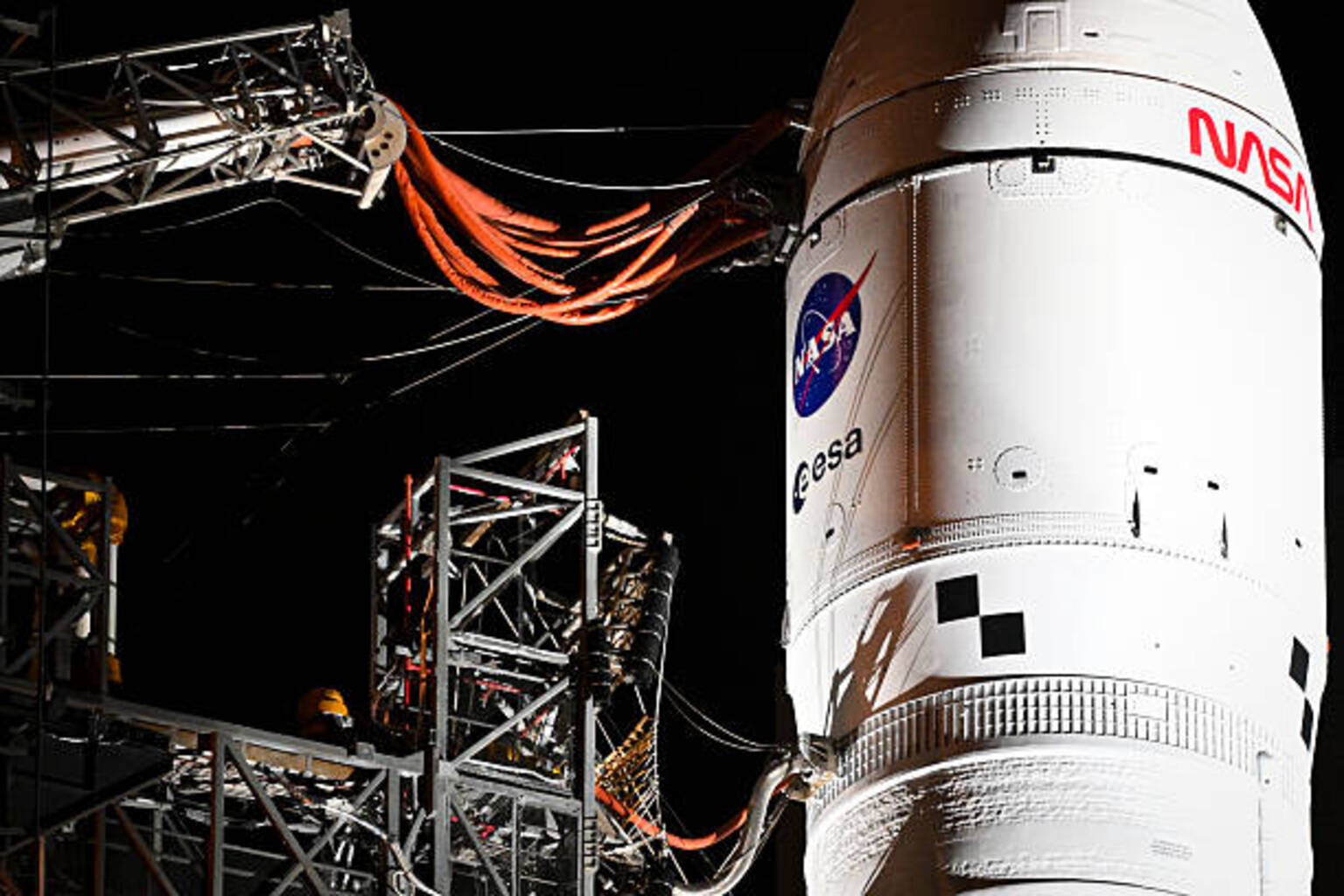
Overview of Contractors for Artemis II Mission
- Prime Contractor Role: In NASA's Artemis II mission, Lockheed Martin serves as the prime contractor for the Orion capsule, responsible for constructing the crew module and the launch abort system, ensuring astronaut safety and mission viability.
- Core Stage Responsibility: Boeing is tasked with the core stage of the Space Launch System rocket, including fuel tanks and flight systems, which are critical for the rocket's stability and effectiveness during launch, thereby enhancing mission success rates.
- Thrust Generation: Northrop Grumman supplies the twin solid rocket boosters that provide the majority of thrust during liftoff and key components for the capsule's abort system, significantly improving the mission's safety and reliability.
- European Service Module: Airbus, through the European Space Agency, constructed the European Service Module that supplies propulsion, electrical power, temperature regulation, and life-support resources for the Orion capsule, ensuring astronaut survival and operational capability during the lunar mission.
See More
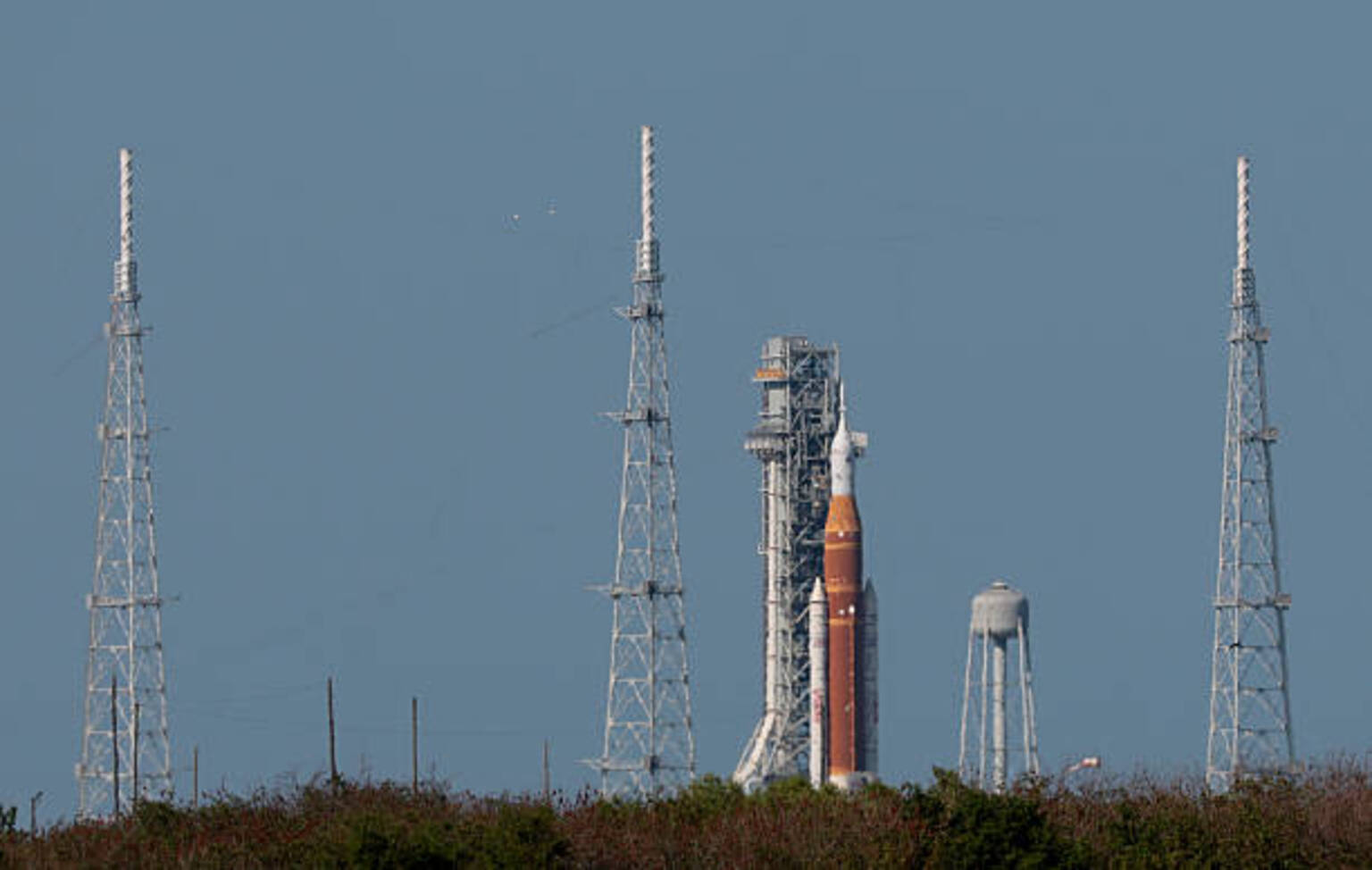
NASA Prepares for Artemis II Mission Around the Moon
- First Crewed Lunar Flight: NASA's Artemis II mission is set to launch on April 1, lasting approximately 10 days, marking the first crewed lunar voyage since the Apollo program, which holds significant historical and technological importance.
- Launch and Orbital Testing: The spacecraft will launch from Kennedy Space Center and enter Earth orbit, where the crew will conduct critical system checks on life support, propulsion, navigation, and communications over the first two days to ensure readiness for deep space travel.
- Lunar Flyby Plan: After system checks, the spacecraft will perform a major engine burn to leave Earth's orbit and head toward the Moon, representing the farthest humans have traveled in decades, which has substantial scientific exploration value.
- Re-entry and Recovery: As the spacecraft approaches Earth, it will re-enter the atmosphere at speeds near 25,000 miles per hour, evaluating the heat shield's performance under extreme conditions, with recovery teams expected to retrieve the crew after landing in the Pacific Ocean.
See More
ASML Continues to Lead the Semiconductor Industry
- Market Monopoly: ASML is the world's only provider of extreme ultraviolet (EUV) lithography machines, planning to boost machine power to increase chip production by 50% by 2030, solidifying its monopoly in the semiconductor industry.
- Surge in Orders: In 2025, ASML's net bookings rose from 18,899 in 2024 to 28,035, reflecting a dramatic increase in global demand for its EUV lithography machines, particularly driven by SK Hynix's $8 billion order.
- Strong Financial Performance: ASML's revenue reached €32.6 billion ($37.3 billion) in 2025, a 15% increase year-over-year, with earnings per share (EPS) rising by 28%, demonstrating its profitability and adaptability in a high-demand environment.
- Investment Opportunity: Despite a recent 14% drop in ASML's stock price, analysts project a 24% increase over the next year, with top estimates nearing $2,000, indicating that the current price dip presents a favorable buying opportunity for investors.
See More
ASML's Monopoly in Semiconductor Market
- Surge in Orders: ASML's net bookings skyrocketed from 5,399 in Q3 2025 to 13,158 in Q4 2025, indicating robust market demand for its EUV lithography machines, which is expected to further drive revenue growth.
- Strong Financial Performance: In 2025, ASML reported total revenue of €32.6 billion (approximately $37.3 billion), a 15% increase from 2024, with earnings per share (EPS) rising 28% year-over-year, showcasing its profitability in a high-demand environment.
- Ongoing Technological Innovation: ASML plans to boost the production capacity of its EUV machines by 50% over the next few years, maintaining its technological edge even in the face of potential competition from China, thereby ensuring its market dominance.
- Optimistic Market Outlook: Despite a 14% decline in stock price due to geopolitical tensions, analysts predict a 24% increase in share price over the next year, with top estimates nearing $2,000 per share, suggesting that the recent dip presents a solid buying opportunity.
See More
Pentagon Denies Defense Secretary's Investment Rumors
- Investment Rumors Surface: According to the Financial Times, U.S. Defense Secretary Pete Hegseth's broker sought to make a large investment in major defense companies ahead of the Iran war, although the Pentagon denied the report, labeling it as 'entirely false.'
- ETF Investment Plan: Hegseth's broker contacted BlackRock to discuss a multimillion-dollar investment in its iShares Defense Industrials Active ETF, which has approximately $3.1 billion in assets and includes stocks from major defense firms like Lockheed Martin.
- Poor Market Performance: The Defense ETF has lost 12.4% in the past month since the onset of the Iran war, reflecting cautious sentiment in the defense investment landscape, despite Hegseth's investment plans not materializing.
- Conflict Escalation: With U.S. Marines arriving in the region, the Pentagon is preparing for weeks of ground operations in Iran, indicating a potential escalation of the conflict that could further impact defense industry investment sentiment.
See More
Trump Signs Executive Order Amid Army Investigation of Helicopter Flyby
- Army Investigation Launched: The U.S. Army is investigating the flyby of AH-64 Apache helicopters near Kid Rock's home in Nashville, indicating the military's commitment to flight safety and professionalism.
- Social Media Reaction: Kid Rock posted videos on his X account showing the helicopters and expressing support for the military, highlighting his close ties to Trump and endorsement of his policies.
- Administrative Review Underway: An Army spokesman stated that an administrative review is assessing the compliance of the flight mission, with appropriate actions to be taken if violations are found, underscoring strict adherence to flight regulations.
- Political Context Impact: This incident coincides with nationwide anti-Trump demonstrations, reflecting the current tense and divided political climate, which may affect the image of Trump and his supporters.
See More
Overview of Contractors for Artemis II Mission
- Prime Contractor Role: In NASA's Artemis II mission, Lockheed Martin serves as the prime contractor for the Orion capsule, responsible for constructing the crew module and the launch abort system, ensuring astronaut safety and mission viability.
- Core Stage Responsibility: Boeing is tasked with the core stage of the Space Launch System rocket, including fuel tanks and flight systems, which are critical for the rocket's stability and effectiveness during launch, thereby enhancing mission success rates.
- Thrust Generation: Northrop Grumman supplies the twin solid rocket boosters that provide the majority of thrust during liftoff and key components for the capsule's abort system, significantly improving the mission's safety and reliability.
- European Service Module: Airbus, through the European Space Agency, constructed the European Service Module that supplies propulsion, electrical power, temperature regulation, and life-support resources for the Orion capsule, ensuring astronaut survival and operational capability during the lunar mission.
See More
NASA Prepares for Artemis II Mission Around the Moon
- First Crewed Lunar Flight: NASA's Artemis II mission is set to launch on April 1, lasting approximately 10 days, marking the first crewed lunar voyage since the Apollo program, which holds significant historical and technological importance.
- Launch and Orbital Testing: The spacecraft will launch from Kennedy Space Center and enter Earth orbit, where the crew will conduct critical system checks on life support, propulsion, navigation, and communications over the first two days to ensure readiness for deep space travel.
- Lunar Flyby Plan: After system checks, the spacecraft will perform a major engine burn to leave Earth's orbit and head toward the Moon, representing the farthest humans have traveled in decades, which has substantial scientific exploration value.
- Re-entry and Recovery: As the spacecraft approaches Earth, it will re-enter the atmosphere at speeds near 25,000 miles per hour, evaluating the heat shield's performance under extreme conditions, with recovery teams expected to retrieve the crew after landing in the Pacific Ocean.
See More