Morgan Stanley Optimistic on Ford's Partnership with CATL
Morgan Stanley believes Ford's relationship with China's Contemporary Amperex Technology Co. Limited, or CATL, represents an underappreciated strategic advantage for its Energy Storage business. The firm says this relationship positions Ford to become a key supplier of compliant energy storage systems to utility and data center customers in the U.S. Shares of the automaker have jumped about 14% on Wednesday afternoon following the firm's note.OVERLOOKED OPPORTUNITY:Late last year, Ford announced its entry into the energy storage market, and Morgan Stanley argues that investors are overlooking the scale of this opportunity and its potential to improve profitability within Ford's Model e segment.The firm also believes Ford's licensing agreement with CATL is a key competitive differentiator that the market has not fully appreciated. Morgan Stanley sees a meaningful likelihood that Ford signs an energy storage system supply agreement with large commercial customers, and potentially cloud hyperscalers, in the coming months.NEW BUSINESS, RIGHT TECHNOLOGY:Energy storage is a new business for Ford, but Morgan Stanley believes the company has the right technology. Ford's decision to invest $2B into a new Energy Storage business was met with skepticism, which the firm views as understandable given it was announced alongside a $20B write down in Ford's electric vehicle operations. However, Morgan Stanley highlights one clear point of differentiation: Ford is licensing technology from CATL, the leading global manufacturer of energy storage systems.With an increasingly complex geopolitical environment – including tariffs and evolving regulations around foreign entities – the firm sees Ford's structure as an opportunity to deploy capital into a strategic growth area while maintaining operational control and regulatory alignment.PRICE ACTION:In afternoon trading, shares of Ford have jumped about 14% to $13.63.
Trade with 70% Backtested Accuracy
Analyst Views on F

About F
About the author


Ford's Q1 Results Exceed Expectations, Positive Outlook Ahead

- Guidance Upgrade: Ford raised its adjusted EBIT guidance for 2026 by $500 million to a range of $8.5 billion to $10.5 billion, reflecting management's confidence in business momentum, although this assumes no U.S. recession and $1 billion in commodity cost pressures from rising aluminum prices.
- Software Subscription Growth: Ford Pro's commercial software subscriptions increased by 30% year-over-year to 879,000, significantly boosting profit margins and indicating strong performance in commercial vehicle sales.
- Higher-Margin Vehicle Mix: In Q1, off-road trims accounted for 25% of Ford's U.S. vehicle sales mix, enhancing average transaction prices and contributing positively to the company's profitability.
- Strong Cash Position: Ford maintains ample cash and liquidity to navigate potential recession risks or prolonged high gas prices due to the Iran conflict, suggesting that despite stagnant stock performance, there is potential for near-term upside.
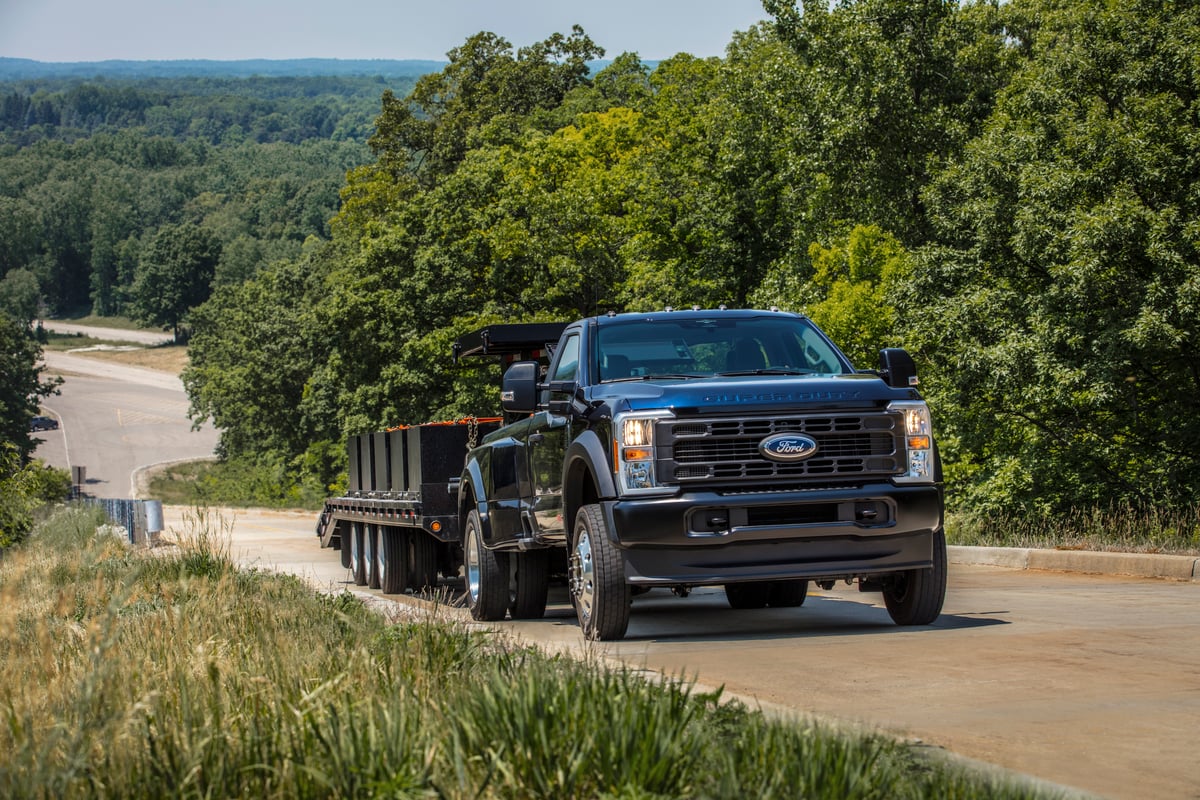
Ford Boosts Sales Momentum with Promotional Strategy
- Sales Growth Strategy: Ford has launched a promotional campaign called 'American Value' during the first quarter, exceeding Wall Street expectations, aiming to attract consumers through employee discounts, which is expected to increase market share by 0.6% to 13.2% by 2025.
- Inventory Challenges: Despite tight inventory for the F-150, which is not expected to stabilize until the second half of 2026, Ford is working to ensure that its inventory meets consumer demand to maintain sales momentum.
- Profitability Balance: Ford's CFO noted that while promotions can hurt margins, the company has achieved sales growth through lower incentive spending and higher transaction prices for trucks and large SUVs, indicating consumer preference for the Ford brand.
- Market Health Status: Although first-quarter sales declined by 8.8% year-over-year, Ford believes the automotive market remains healthy, and the promotional activities will help boost sales during the upcoming summer season, ensuring continued profit and revenue growth for the company.
Trump's Meeting with Xi Boosts Oil Prices Amid Trade Talks


- Trump's Visit Outcomes: Following his meetings with Xi, Trump announced that China agreed to purchase U.S. crude oil, although Beijing has not confirmed this plan, leading to a rise in oil prices and indicating potential improvement in U.S.-China trade relations.
- Cerebras IPO Performance: Cerebras surged 68% on its Nasdaq debut, reaching a market cap of approximately $95 billion, marking the largest IPO in the U.S. tech sector in years, which made its founders billionaires and reflects strong market demand for emerging technologies.
- Market Dynamics Recap: The Dow Jones Industrial Average surged back above 50,000, while the S&P 500 closed above 7,500 for the first time, showcasing a robust rebound driven by surging demand for AI infrastructure, particularly with Cisco's stock rising over 13%.
- Automotive Industry Layoffs: Legacy automakers have collectively cut over 20,000 U.S. salaried jobs, about 19% of their workforce, as they adapt to technological changes, raising concerns among lawmakers about the impact of Chinese car manufacturers entering the U.S. market.
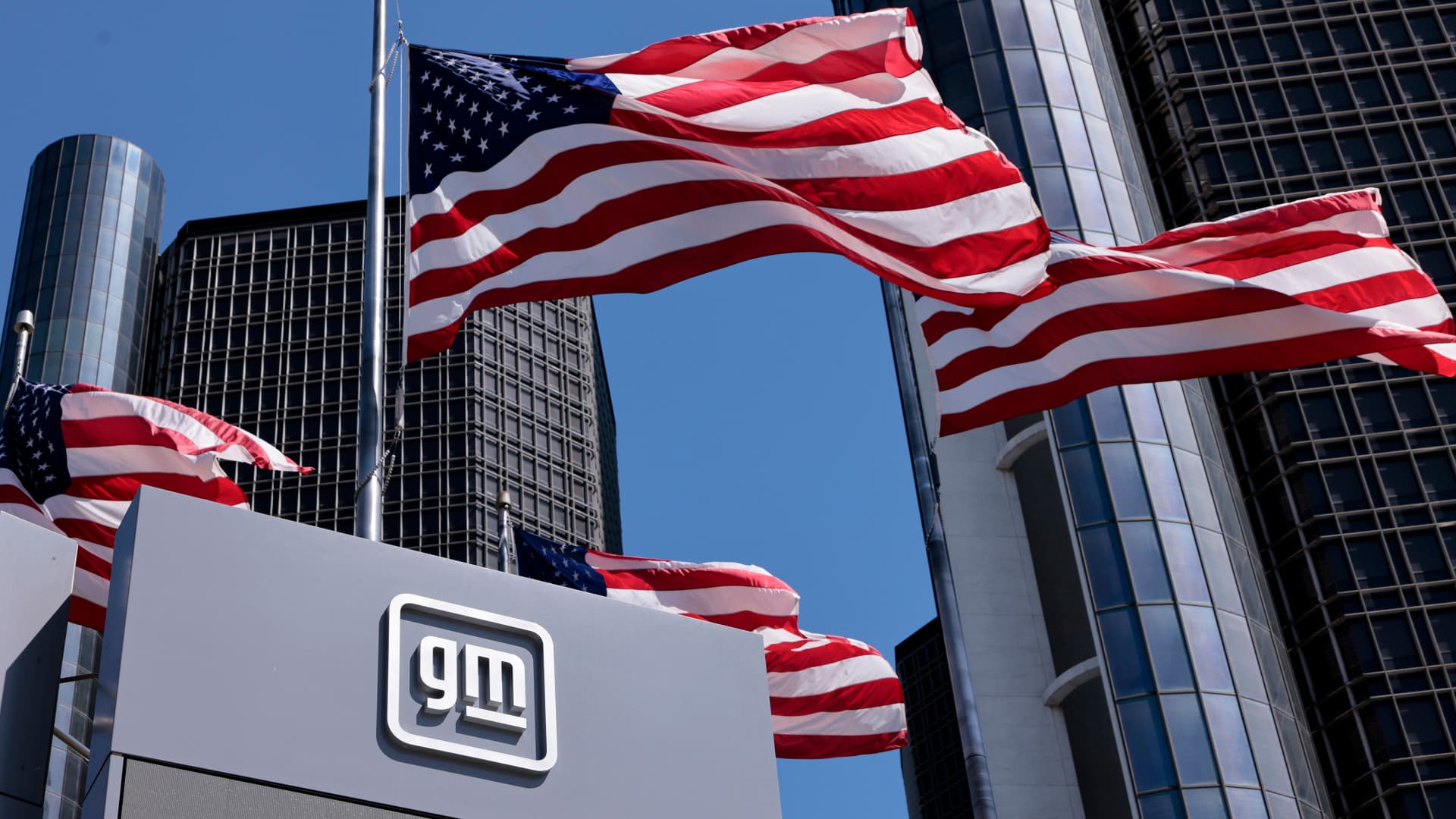
U.S. Automakers Cut Over 20,000 Jobs Amid AI Expansion


- Escalating Job Cuts: The Detroit Three automakers have collectively reduced over 20,000 white-collar jobs since recent employment peaks, representing 19% of their total workforce, highlighting significant challenges faced by the industry due to technological changes.
- GM Leads Layoffs: General Motors has cut approximately 11,000 employees from 2022 to 2023, despite having expanded to 58,000 white-collar workers in 2020, reflecting pressures as the company transitions towards software-defined and electric vehicles.
- AI's Profound Impact: Ford's CEO has stated that artificial intelligence could replace half of all white-collar jobs in the U.S., particularly in repetitive roles such as finance and IT, although positions in emerging areas like autonomous vehicles and cybersecurity are still on the rise.
- Hiring Amid Cuts: Despite layoffs, the three automakers are still hiring, particularly in AI-related fields, with GM planning to recruit over 250 AI positions, indicating a demand for new skills as companies navigate their transformation.

End of Fed Chair Era Sparks Market Volatility

- Fed Chair Transition: Jerome Powell's last day as Fed Chair coincides with falling stock futures, indicating investor uncertainty regarding future monetary policy, which may lead to increased market volatility in the short term.
- Cerebras IPO Success: Cerebras shares surged 68% on their Nasdaq debut, pushing the company's market cap to approximately $95 billion, marking the largest IPO in the U.S. tech sector in years and reflecting strong demand and renewed investor confidence in high-tech firms.
- Automotive Industry Layoffs: The Detroit Three automakers—GM, Ford, and Stellantis—have collectively cut over 20,000 U.S. salaried jobs, about 19% of their combined workforce, highlighting the industry's struggle to adapt to AI and technological changes, which could impact future production capabilities.
- Crypto Regulation Progress: The Senate Banking Committee approved the Clarity Act, providing a regulatory framework for the cryptocurrency industry despite opposition from banks and law enforcement, indicating lawmakers' recognition of the crypto market's significance and potential compliance challenges ahead.

Detroit Three Automakers Cut Over 20,000 Jobs Amid AI Shift
- Massive Job Cuts: The Detroit Three automakers, GM, Ford, and Stellantis, have collectively cut over 20,000 U.S. salaried jobs, representing 19% of their total workforce, highlighting the significant challenges the industry faces due to technological changes.
- GM Leads Reductions: GM has reduced its workforce by approximately 11,000 employees from 2022 to 2023, primarily in its IT department, indicating a reassessment of human resources as the company transitions towards AI technologies.
- Escalating Industry Trends: Ford's CEO stated that AI could replace half of all white-collar jobs in the U.S., suggesting that the industry is undergoing profound structural changes that will require employees with new skills in the future.
- Hiring Amid Layoffs: Despite the job cuts, the Detroit automakers are still hiring, particularly in AI-related roles, demonstrating their commitment to adapting to new technologies while managing workforce transitions.
Ford's Q1 Results Exceed Expectations, Positive Outlook Ahead
- Guidance Upgrade: Ford raised its adjusted EBIT guidance for 2026 by $500 million to a range of $8.5 billion to $10.5 billion, reflecting management's confidence in business momentum, although this assumes no U.S. recession and $1 billion in commodity cost pressures from rising aluminum prices.
- Software Subscription Growth: Ford Pro's commercial software subscriptions increased by 30% year-over-year to 879,000, significantly boosting profit margins and indicating strong performance in commercial vehicle sales.
- Higher-Margin Vehicle Mix: In Q1, off-road trims accounted for 25% of Ford's U.S. vehicle sales mix, enhancing average transaction prices and contributing positively to the company's profitability.
- Strong Cash Position: Ford maintains ample cash and liquidity to navigate potential recession risks or prolonged high gas prices due to the Iran conflict, suggesting that despite stagnant stock performance, there is potential for near-term upside.
Ford Boosts Sales Momentum with Promotional Strategy
- Sales Growth Strategy: Ford has launched a promotional campaign called 'American Value' during the first quarter, exceeding Wall Street expectations, aiming to attract consumers through employee discounts, which is expected to increase market share by 0.6% to 13.2% by 2025.
- Inventory Challenges: Despite tight inventory for the F-150, which is not expected to stabilize until the second half of 2026, Ford is working to ensure that its inventory meets consumer demand to maintain sales momentum.
- Profitability Balance: Ford's CFO noted that while promotions can hurt margins, the company has achieved sales growth through lower incentive spending and higher transaction prices for trucks and large SUVs, indicating consumer preference for the Ford brand.
- Market Health Status: Although first-quarter sales declined by 8.8% year-over-year, Ford believes the automotive market remains healthy, and the promotional activities will help boost sales during the upcoming summer season, ensuring continued profit and revenue growth for the company.
Trump's Meeting with Xi Boosts Oil Prices Amid Trade Talks
- Trump's Visit Outcomes: Following his meetings with Xi, Trump announced that China agreed to purchase U.S. crude oil, although Beijing has not confirmed this plan, leading to a rise in oil prices and indicating potential improvement in U.S.-China trade relations.
- Cerebras IPO Performance: Cerebras surged 68% on its Nasdaq debut, reaching a market cap of approximately $95 billion, marking the largest IPO in the U.S. tech sector in years, which made its founders billionaires and reflects strong market demand for emerging technologies.
- Market Dynamics Recap: The Dow Jones Industrial Average surged back above 50,000, while the S&P 500 closed above 7,500 for the first time, showcasing a robust rebound driven by surging demand for AI infrastructure, particularly with Cisco's stock rising over 13%.
- Automotive Industry Layoffs: Legacy automakers have collectively cut over 20,000 U.S. salaried jobs, about 19% of their workforce, as they adapt to technological changes, raising concerns among lawmakers about the impact of Chinese car manufacturers entering the U.S. market.
U.S. Automakers Cut Over 20,000 Jobs Amid AI Expansion
- Escalating Job Cuts: The Detroit Three automakers have collectively reduced over 20,000 white-collar jobs since recent employment peaks, representing 19% of their total workforce, highlighting significant challenges faced by the industry due to technological changes.
- GM Leads Layoffs: General Motors has cut approximately 11,000 employees from 2022 to 2023, despite having expanded to 58,000 white-collar workers in 2020, reflecting pressures as the company transitions towards software-defined and electric vehicles.
- AI's Profound Impact: Ford's CEO has stated that artificial intelligence could replace half of all white-collar jobs in the U.S., particularly in repetitive roles such as finance and IT, although positions in emerging areas like autonomous vehicles and cybersecurity are still on the rise.
- Hiring Amid Cuts: Despite layoffs, the three automakers are still hiring, particularly in AI-related fields, with GM planning to recruit over 250 AI positions, indicating a demand for new skills as companies navigate their transformation.
End of Fed Chair Era Sparks Market Volatility
- Fed Chair Transition: Jerome Powell's last day as Fed Chair coincides with falling stock futures, indicating investor uncertainty regarding future monetary policy, which may lead to increased market volatility in the short term.
- Cerebras IPO Success: Cerebras shares surged 68% on their Nasdaq debut, pushing the company's market cap to approximately $95 billion, marking the largest IPO in the U.S. tech sector in years and reflecting strong demand and renewed investor confidence in high-tech firms.
- Automotive Industry Layoffs: The Detroit Three automakers—GM, Ford, and Stellantis—have collectively cut over 20,000 U.S. salaried jobs, about 19% of their combined workforce, highlighting the industry's struggle to adapt to AI and technological changes, which could impact future production capabilities.
- Crypto Regulation Progress: The Senate Banking Committee approved the Clarity Act, providing a regulatory framework for the cryptocurrency industry despite opposition from banks and law enforcement, indicating lawmakers' recognition of the crypto market's significance and potential compliance challenges ahead.
Detroit Three Automakers Cut Over 20,000 Jobs Amid AI Shift
- Massive Job Cuts: The Detroit Three automakers, GM, Ford, and Stellantis, have collectively cut over 20,000 U.S. salaried jobs, representing 19% of their total workforce, highlighting the significant challenges the industry faces due to technological changes.
- GM Leads Reductions: GM has reduced its workforce by approximately 11,000 employees from 2022 to 2023, primarily in its IT department, indicating a reassessment of human resources as the company transitions towards AI technologies.
- Escalating Industry Trends: Ford's CEO stated that AI could replace half of all white-collar jobs in the U.S., suggesting that the industry is undergoing profound structural changes that will require employees with new skills in the future.
- Hiring Amid Layoffs: Despite the job cuts, the Detroit automakers are still hiring, particularly in AI-related roles, demonstrating their commitment to adapting to new technologies while managing workforce transitions.