Mixed US Stocks as Nasdaq Hits 2.25-Month High Amid Easing Inflation Concerns


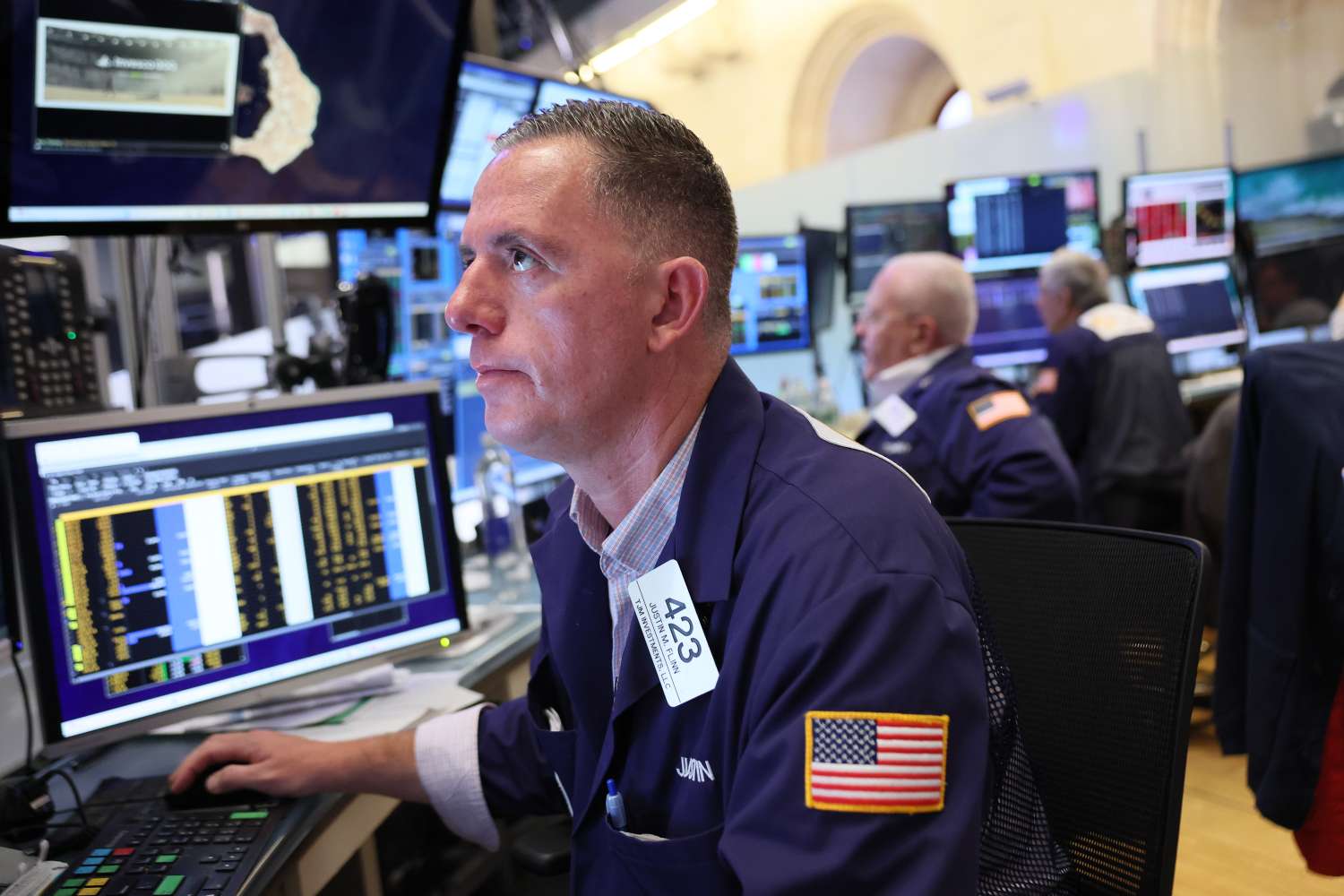
- Easing Inflation Concerns: The US December core CPI rose 2.6% year-on-year, below the expected 2.7%, leading to a 2 basis point drop in the 10-year T-note yield to 4.16%, which in turn boosted stock prices and alleviated inflation worries.
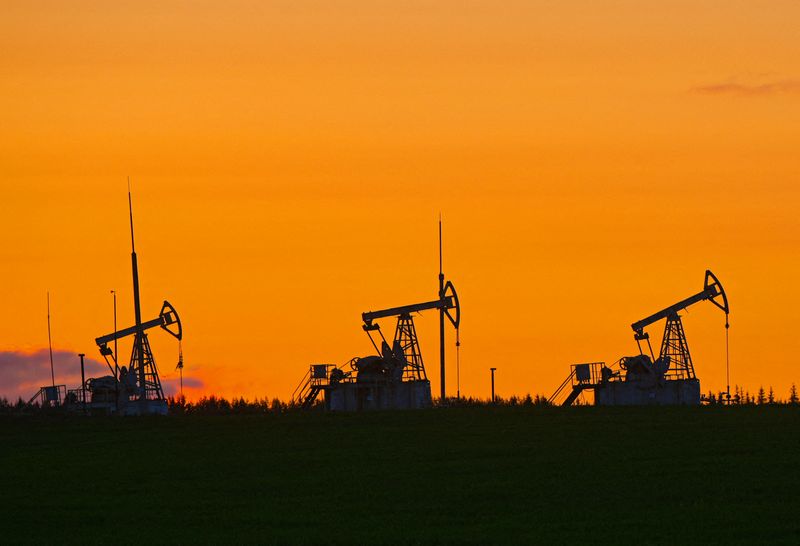
- Energy Stocks Rise: WTI crude oil prices increased by over 1% to a 1.75-month high due to escalating geopolitical risks, as President Trump announced a 25% tariff on goods from countries “doing business” with Iran, driving strong performance in energy stocks.
- Credit Card Companies Decline: Following Trump's statement that credit card lenders would be “in violation of the law” if they do not cap interest rates at 10%, credit card companies fell for the second consecutive day, with Visa and Mastercard down over 3% and 2%, respectively.
- Mining Stocks Surge: With silver prices reaching an all-time high, Hecla Mining and Barrick Mining rose more than 3% and 2%, respectively, indicating strong performance in the mining sector and reflecting increased market demand for precious metals.
Trade with 70% Backtested Accuracy
Analyst Views on DIA
About the author


Trump Administration Expected to Receive $10B for Facilitating TikTok Agreement


TikTok's U.S. Operations Sale: Chinese firm ByteDance has agreed to sell its U.S. operations to a group of American and global investors, allowing them to hold 80.1% ownership while ByteDance retains 19.9%. This move comes amid ongoing pressure and threats of a ban in the U.S.
Financial Implications: The Trump administration is expected to receive approximately $10 billion in fees from investors involved in the deal, which aims to secure U.S. user data and operations of TikTok.
Investor Composition: The investment group includes notable companies such as Oracle and Silver Lake, who have collectively paid around $2.5 billion to the U.S. Treasury as part of the agreement.
Market Reaction: Following the announcement, U.S. equities experienced a slight decline, with major ETFs tracking the S&P 500 and other indices showing minor losses during trading hours.

Barclays Anticipates Timing for the Next US Fed Rate Cut

Barclays' Interest Rate Expectations: Barclays has revised its expectations for interest rate cuts by the Federal Reserve, now anticipating a 25 basis point cut in September, followed by another in March 2027, due to increased inflation risks linked to the ongoing conflict with Iran.
Impact of the Iran Conflict on Oil Prices: The ongoing war with Iran has caused oil prices to surge beyond $100 per barrel, contributing to inflationary pressures as critical shipping routes are blocked, leading to increased costs for gasoline and other products.
Public Sentiment on Gas Prices: Approximately 48% of Americans are reportedly blaming President Donald Trump for rising gasoline prices, reflecting public concern over the economic impact of current geopolitical tensions.
Market Reactions: U.S. equities experienced a decline, with the S&P 500 ETF down 0.3% and the Invesco QQQ Trust ETF down 0.4%, indicating investor apprehension amid rising inflation and geopolitical instability.
Economist Justin Wolfers Predicts Elevated Oil Prices During Midterm Elections

Midterm Elections Focus: The Trump administration is preparing for the upcoming midterm elections in November, with affordability expected to be a central theme, particularly as oil prices are likely to rise due to ongoing geopolitical tensions.
Oil Price Predictions: Analysts predict that oil prices will remain elevated, potentially exceeding $100 per barrel, influenced by the war in Iran and disruptions in the Strait of Hormuz, which is a critical energy shipping route.
Strategic Petroleum Reserve: The administration is considering tapping into the Strategic Petroleum Reserve and may issue temporary waivers for foreign tankers to deliver fuel from the Gulf Coast to alleviate rising prices.
Economic Concerns: Despite measures to stabilize prices, experts believe the impact of the war on oil and gas prices will persist, complicating efforts to return to normal economic conditions in the near future.
US Navy to Begin Escorting Vessels in Strait of Hormuz Soon, Bessent Reports as Oil Prices Exceed $100 Again

U.S. Costs of the Iran War: The Iran war has cost the U.S. approximately $11 billion so far, with rising crude oil prices exceeding $100 per barrel amid escalating tensions.
Oil Price Predictions: A former IMF economist suggested that oil prices could surge to $200 per barrel due to the ongoing conflict, compounding existing risks in the market.
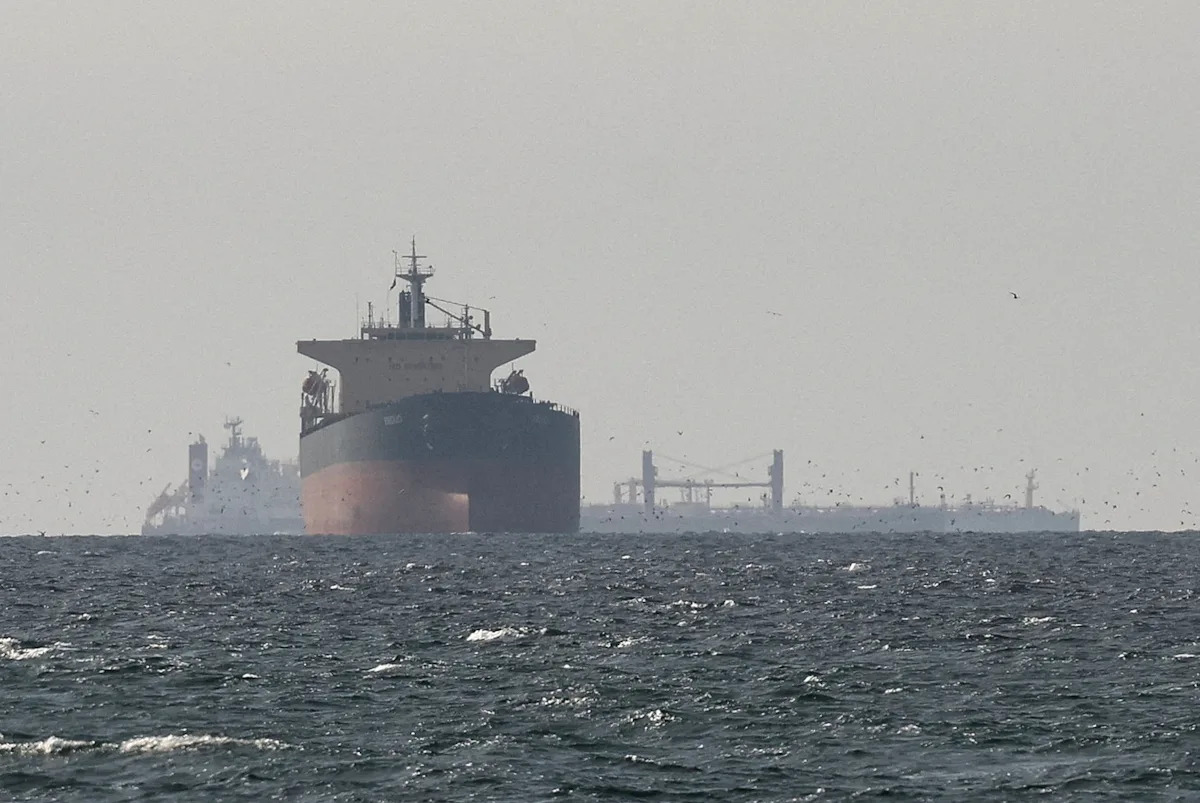
Military Escort Plans: U.S. Treasury Secretary Scott Bessent indicated that the Navy will escort ships through the Strait of Hormuz as soon as militarily feasible, potentially involving an international coalition.
Stock Market Impact: U.S. stocks faced pressure, with major indices closing lower, reflecting bearish sentiment in the market, while oil prices continued to rise without significantly impacting the overall economy.
48% of Americans Attribute Rising Gas Prices to Trump
Gas Prices Increase: A recent poll indicates that 74% of Americans believe gas prices have risen this year, with 48% attributing the increase to President Donald Trump and his administration.
Short-Term Disruptions: The White House spokesperson stated that the current gas price increases are considered short-term disruptions, suggesting that prices may drop once military objectives are achieved and the Iranian regime is neutralized.
International Response: In response to market disruptions caused by the conflict in the Middle East, the International Energy Agency announced a unanimous agreement among its member countries to release 400 million barrels of oil from emergency reserves.
Market Trends: Despite rising gas prices, U.S. equities have seen a downturn, with various ETFs tracking major indices experiencing declines, while West Texas Intermediate crude oil prices have increased by 9.6%.
Trump Administration Set to Halt Jones Act as Crude Oil Prices Exceed $100 Per Barrel Again: Report
Jones Act Overview: The Merchant Marine Act of 1920, commonly known as the Jones Act, mandates that domestic shipping between U.S. ports must be conducted using ships that are American-built, owned, and crewed.
Temporary Waivers Consideration: The Trump administration is reportedly planning to issue temporary waivers for the Jones Act to allow foreign tankers to supply fuel to East Coast refiners amid rising crude oil prices due to the Iran war.
Current Oil Prices and Market Impact: Crude oil prices have surged past $100 per barrel, with U.S. West Texas Intermediate futures experiencing significant increases, reflecting market volatility influenced by geopolitical tensions.
Iran's Stance on Strait of Hormuz: Iran's new Supreme Leader has stated that the Strait of Hormuz will remain closed, warning that U.S. bases in the region will be attacked if they are not shut down, escalating regional tensions.
Trump Administration Expected to Receive $10B for Facilitating TikTok Agreement
TikTok's U.S. Operations Sale: Chinese firm ByteDance has agreed to sell its U.S. operations to a group of American and global investors, allowing them to hold 80.1% ownership while ByteDance retains 19.9%. This move comes amid ongoing pressure and threats of a ban in the U.S.
Financial Implications: The Trump administration is expected to receive approximately $10 billion in fees from investors involved in the deal, which aims to secure U.S. user data and operations of TikTok.
Investor Composition: The investment group includes notable companies such as Oracle and Silver Lake, who have collectively paid around $2.5 billion to the U.S. Treasury as part of the agreement.
Market Reaction: Following the announcement, U.S. equities experienced a slight decline, with major ETFs tracking the S&P 500 and other indices showing minor losses during trading hours.
Barclays Anticipates Timing for the Next US Fed Rate Cut
Barclays' Interest Rate Expectations: Barclays has revised its expectations for interest rate cuts by the Federal Reserve, now anticipating a 25 basis point cut in September, followed by another in March 2027, due to increased inflation risks linked to the ongoing conflict with Iran.
Impact of the Iran Conflict on Oil Prices: The ongoing war with Iran has caused oil prices to surge beyond $100 per barrel, contributing to inflationary pressures as critical shipping routes are blocked, leading to increased costs for gasoline and other products.
Public Sentiment on Gas Prices: Approximately 48% of Americans are reportedly blaming President Donald Trump for rising gasoline prices, reflecting public concern over the economic impact of current geopolitical tensions.
Market Reactions: U.S. equities experienced a decline, with the S&P 500 ETF down 0.3% and the Invesco QQQ Trust ETF down 0.4%, indicating investor apprehension amid rising inflation and geopolitical instability.
Economist Justin Wolfers Predicts Elevated Oil Prices During Midterm Elections
Midterm Elections Focus: The Trump administration is preparing for the upcoming midterm elections in November, with affordability expected to be a central theme, particularly as oil prices are likely to rise due to ongoing geopolitical tensions.
Oil Price Predictions: Analysts predict that oil prices will remain elevated, potentially exceeding $100 per barrel, influenced by the war in Iran and disruptions in the Strait of Hormuz, which is a critical energy shipping route.
Strategic Petroleum Reserve: The administration is considering tapping into the Strategic Petroleum Reserve and may issue temporary waivers for foreign tankers to deliver fuel from the Gulf Coast to alleviate rising prices.
Economic Concerns: Despite measures to stabilize prices, experts believe the impact of the war on oil and gas prices will persist, complicating efforts to return to normal economic conditions in the near future.
US Navy to Begin Escorting Vessels in Strait of Hormuz Soon, Bessent Reports as Oil Prices Exceed $100 Again
U.S. Costs of the Iran War: The Iran war has cost the U.S. approximately $11 billion so far, with rising crude oil prices exceeding $100 per barrel amid escalating tensions.
Oil Price Predictions: A former IMF economist suggested that oil prices could surge to $200 per barrel due to the ongoing conflict, compounding existing risks in the market.
Military Escort Plans: U.S. Treasury Secretary Scott Bessent indicated that the Navy will escort ships through the Strait of Hormuz as soon as militarily feasible, potentially involving an international coalition.
Stock Market Impact: U.S. stocks faced pressure, with major indices closing lower, reflecting bearish sentiment in the market, while oil prices continued to rise without significantly impacting the overall economy.
48% of Americans Attribute Rising Gas Prices to Trump
Gas Prices Increase: A recent poll indicates that 74% of Americans believe gas prices have risen this year, with 48% attributing the increase to President Donald Trump and his administration.
Short-Term Disruptions: The White House spokesperson stated that the current gas price increases are considered short-term disruptions, suggesting that prices may drop once military objectives are achieved and the Iranian regime is neutralized.
International Response: In response to market disruptions caused by the conflict in the Middle East, the International Energy Agency announced a unanimous agreement among its member countries to release 400 million barrels of oil from emergency reserves.
Market Trends: Despite rising gas prices, U.S. equities have seen a downturn, with various ETFs tracking major indices experiencing declines, while West Texas Intermediate crude oil prices have increased by 9.6%.
Trump Administration Set to Halt Jones Act as Crude Oil Prices Exceed $100 Per Barrel Again: Report
Jones Act Overview: The Merchant Marine Act of 1920, commonly known as the Jones Act, mandates that domestic shipping between U.S. ports must be conducted using ships that are American-built, owned, and crewed.
Temporary Waivers Consideration: The Trump administration is reportedly planning to issue temporary waivers for the Jones Act to allow foreign tankers to supply fuel to East Coast refiners amid rising crude oil prices due to the Iran war.
Current Oil Prices and Market Impact: Crude oil prices have surged past $100 per barrel, with U.S. West Texas Intermediate futures experiencing significant increases, reflecting market volatility influenced by geopolitical tensions.
Iran's Stance on Strait of Hormuz: Iran's new Supreme Leader has stated that the Strait of Hormuz will remain closed, warning that U.S. bases in the region will be attacked if they are not shut down, escalating regional tensions.