Mike's Red Tacos Plans Nationwide Franchising Expansion
Written by Emily J. Thompson, Senior Investment Analyst
Updated: Feb 17 2026
0mins
Should l Buy JACK?
Source: CNBC
- Franchising Initiative: Mike's Red Tacos is set to launch a franchising initiative aimed at establishing hundreds of restaurants across the U.S., with backing from investors Bill Phelps and Andrew Feghali, which is expected to significantly enhance brand visibility and market share.
- Market Growth Potential: According to Datassential, traditional Mexican dish birria has reached a 3.7% penetration on U.S. menus, quadrupling in four years, indicating rapid growth potential that Mike's Red Tacos is poised to capitalize on.
- Rapid Expansion Strategy: The taco chain has secured franchising development deals with multi-unit operators for over 200 locations nationwide, with some restaurants expected to open by the end of the year, which will contribute to substantial revenue growth for the company.
- Clear Competitive Advantage: Despite facing stiff competition from national chains and local taco restaurants, Phelps believes that the chain's simple menu, delicious food, and aggressive marketing strategy will help Mike's Red Tacos stand out and become a market winner.
Trade with 70% Backtested Accuracy
Stop guessing "Should I Buy JACK?" and start using high-conviction signals backed by rigorous historical data.
Sign up today to access powerful investing tools and make smarter, data-driven decisions.
Analyst Views on JACK
Wall Street analysts forecast JACK stock price to rise
15 Analyst Rating
3 Buy
11 Hold
1 Sell
Hold
Current: 9.710

Low
15.00
Averages
19.35
High
25.00
Current: 9.710
Low
15.00
Averages
19.35
High
25.00
About JACK
Jack in the Box Inc. is a restaurant company. The Company operates and franchises Jack in the Box, a hamburger chain with approximately 2,135 restaurants across 21 states. Jack in the Box restaurants offer products, including classic burgers like its Jumbo Jack and product lines, such as the Buttery Jack and Smash Jack burgers. Jack offers products, such as breakfast sandwiches with cracked eggs, as well as tacos, curly fries, egg rolls, specialty sandwiches and real ice cream shakes, among many other items. Its menu offers breakfast, lunch, dinner, snacks, and late-night. Jack in the Box allows its guests to customize meals to their tastes and order any product on the menu when they want it, including breakfast at night, or burgers and chicken in the morning.
About the author

Emily J. Thompson
Emily J. Thompson, a Chartered Financial Analyst (CFA) with 12 years in investment research, graduated with honors from the Wharton School. Specializing in industrial and technology stocks, she provides in-depth analysis for Intellectia’s earnings and market brief reports.

Jack in the Box Launches Limited Edition Meal with Collectibles

- 75th Anniversary Celebration: Jack in the Box is celebrating its 75th anniversary by launching the Smashed Jack Sliders Munchie Meal, which combines bold flavors and limited-edition collectibles to attract customers and enhance brand loyalty.
- New Product Features: Each Smashed Jack Slider includes a 2oz smashed beef patty, melted American cheese, and unique Smashed Jack sauce, delivering the same delicious experience as the classic burger in a shareable format, enhancing the dining enjoyment for customers.
- Surprise Cups and Grand Prize: The meal also features a limited-edition Surprise Cup containing collectible Jack pins, with each pin offering a chance to win a $75,000 grand prize, increasing customer engagement and purchase motivation.
- Marketing Strategy: By integrating blind bag culture and digital offers, Jack in the Box not only enhances the dining experience but also boosts brand interaction through social media and its app, further driving sales growth.
See More
Del Taco Revives 90s Classics with Big Fat Tacos and Del Flipz
- Classic Food Revival: Del Taco launches 90s-inspired menu items, including the highly requested Big Fat Tacos on April 2, 2026, which is expected to draw back loyal customers and boost sales significantly.
- Diverse Options: The Big Fat Tacos come in five varieties, including seasoned beef, grilled chicken, and carne asada steak, layered with fresh ingredients, aiming to enhance the dining experience and strengthen brand loyalty.
- Limited-Time Promotion: Customers purchasing any Big Fat Tacos meal can receive Del Flipz collectible milk caps, increasing customer engagement and purchase motivation while adding a nostalgic element to the brand.
- Innovative Beverages and Desserts: Del Taco also introduces Dragon Fruit Blueberry Poppers and Mini Sweet Cream Churros, diversifying the menu offerings to attract a broader customer base and enhance overall sales performance.
See More
Coca-Cola Launches New Marketing Campaign to Boost Restaurant Sales

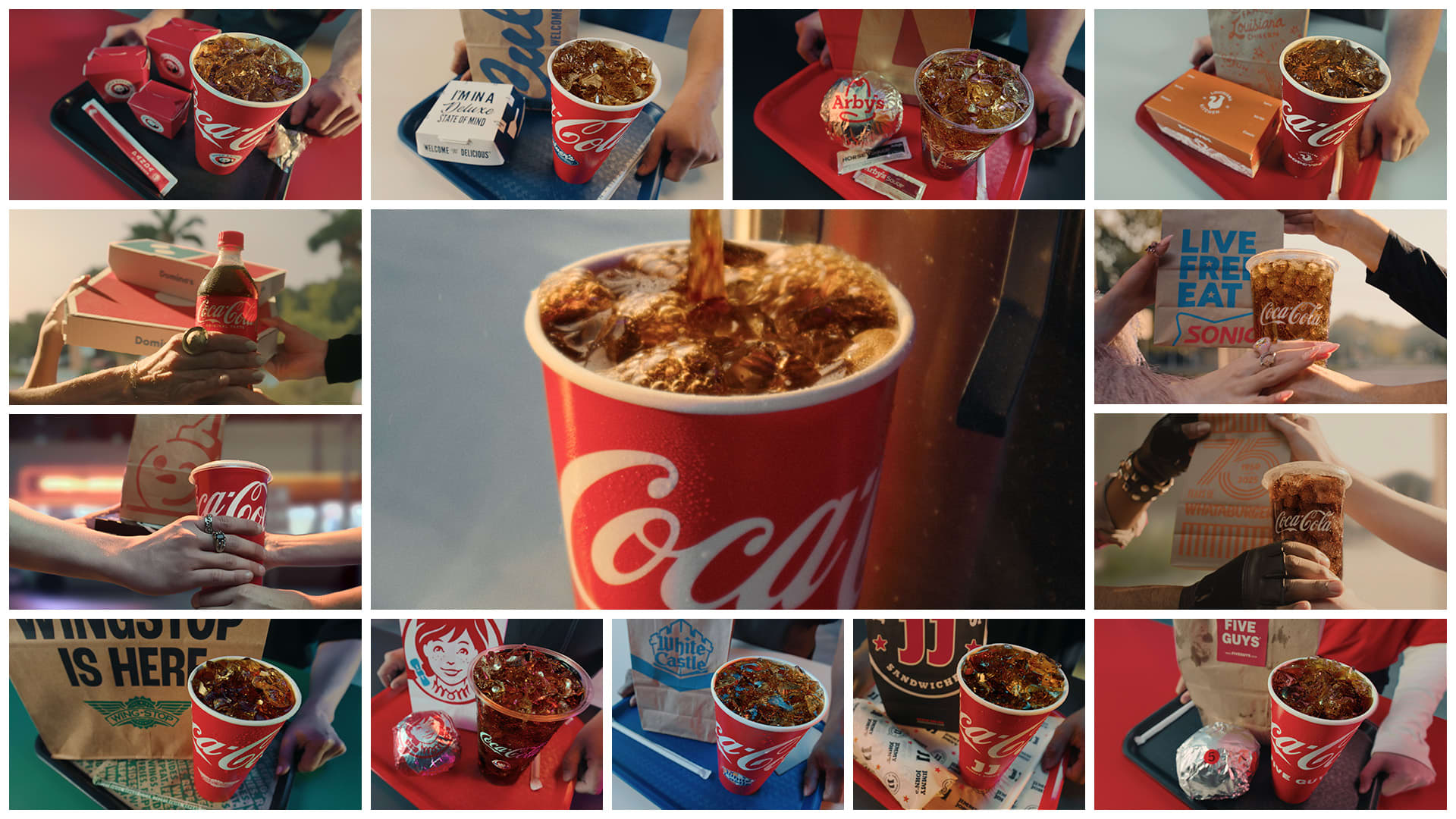
- Campaign Launch: Coca-Cola unveiled a new marketing campaign on Thursday aimed at boosting beverage sales in restaurants to tackle challenges posed by declining traffic and sluggish sales growth, marking the first time it has partnered with multiple restaurant chains for ads.
- Wide Advertising Reach: The campaign features commercials showcasing 13 different chains, including Arby's, Domino's, and Wendy's, emphasizing the importance of drinks as high-margin menu items, particularly as consumers cut back on dining out.
- Deepening Partnerships: Coca-Cola collaborates with restaurants to market combo meals, providing marketing funds to attract customers, especially amid intensified value competition in the fast-food sector, highlighting its role as a “business partner.”
- Sales Outlook: Despite a 4% organic sales growth in North America in 2025, Coca-Cola's domestic unit case volume fell by 1%, indicating weak demand, with modest sales growth projected for 2026, reflecting a challenging market environment.
See More
Market Watch: Oil Price Surge and Stock Market Turmoil

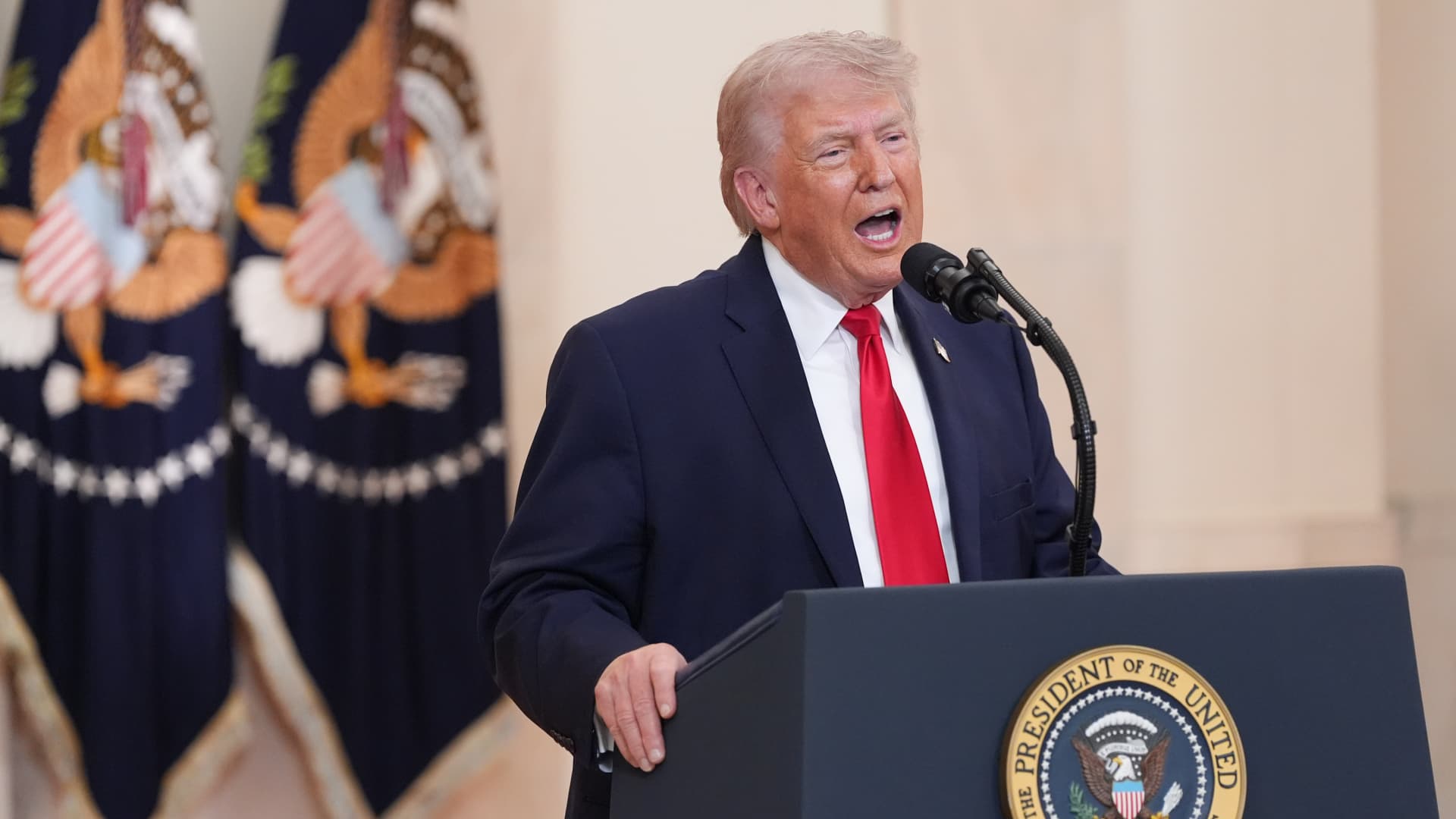
- Oil Price Surge Impact: Following President Trump's address on the Iran war, which raised escalation concerns, U.S. crude benchmark WTI surged 9% to $109 a barrel, putting downward pressure on the stock market and negatively affecting investor sentiment.
- Bank of America Upgrades Vale: Bank of America upgraded Vale from hold to buy, suggesting that now is an attractive entry point for investors in the iron ore producer, despite Vale's stock dropping nearly 7% since the Iran conflict began, while iron ore prices have risen about 8%.
- Wix's Outlook Downgraded: UBS downgraded Wix from buy to hold, with analysts believing its 2026 outlook indicates a slowdown in core business growth from 12% last year to 8% this year, and despite efforts to integrate AI capabilities, the company remains vulnerable to disruption by AI.
- Cheniere Energy Price Target Increased: Citigroup raised Cheniere Energy's price target from $280 to $330 while reiterating its buy rating, as supply disruptions in the Middle East could benefit U.S. LNG exports long-term, with shares up about 17% since the war began.
See More
Coca-Cola Launches First Multi-Chain Restaurant Ad Campaign
- Advertising Innovation: Coca-Cola has launched its first advertising campaign featuring 13 restaurant chains, including Arby's and Domino's, aimed at boosting restaurant sales by highlighting the high margins of drinks, particularly as consumer dining frequency declines.
- Market Challenges: According to Black Box Intelligence, U.S. restaurant traffic fell by 2% in February, with 38% of consumers indicating reduced spending at restaurants in Q1 2026, making Coca-Cola's marketing efforts crucial in this challenging environment.
- Strategic Partnerships: Coca-Cola has collaborated with restaurant partners to market combo meals, leveraging marketing funds to enhance the appeal of $5 value meals, aiming to drive traffic and beverage sales for mutual benefit.
- Future Outlook: The advertising campaign will debut in theaters on Friday and expand to linear TV and digital channels by mid-April, underscoring Coca-Cola's strategic significance in the restaurant industry, especially amid economic slowdowns.
See More
Del Taco Celebrates National Burrito Day with Free Classic Burritos for Rewards Members
- Free Burrito Promotion: Del Taco is offering a free Classic Burrito on April 2 for Del Yeah! Rewards members with a minimum $3 purchase, aimed at increasing customer engagement and membership activity.
- Fresh Ingredient Experience: The reintroduced Classic Burritos feature fresh ingredients and bold flavors, enhancing the dining experience and solidifying Del Taco's competitive position in the fast-food market.
- Convenient Membership Registration: Customers can easily sign up for the Del Yeah! Rewards program via the Del Taco app or website to access free burritos and other exclusive perks, thereby increasing brand loyalty.
- Enhanced Market Recognition: Del Taco was voted Best Fast Food Restaurant in USA Today's 2025 Reader's Choice Awards, reflecting its strong brand image and market recognition, which helps attract new customers and boost sales.
See More
Jack in the Box Launches Limited Edition Meal with Collectibles
- 75th Anniversary Celebration: Jack in the Box is celebrating its 75th anniversary by launching the Smashed Jack Sliders Munchie Meal, which combines bold flavors and limited-edition collectibles to attract customers and enhance brand loyalty.
- New Product Features: Each Smashed Jack Slider includes a 2oz smashed beef patty, melted American cheese, and unique Smashed Jack sauce, delivering the same delicious experience as the classic burger in a shareable format, enhancing the dining enjoyment for customers.
- Surprise Cups and Grand Prize: The meal also features a limited-edition Surprise Cup containing collectible Jack pins, with each pin offering a chance to win a $75,000 grand prize, increasing customer engagement and purchase motivation.
- Marketing Strategy: By integrating blind bag culture and digital offers, Jack in the Box not only enhances the dining experience but also boosts brand interaction through social media and its app, further driving sales growth.
See More
Del Taco Revives 90s Classics with Big Fat Tacos and Del Flipz
- Classic Food Revival: Del Taco launches 90s-inspired menu items, including the highly requested Big Fat Tacos on April 2, 2026, which is expected to draw back loyal customers and boost sales significantly.
- Diverse Options: The Big Fat Tacos come in five varieties, including seasoned beef, grilled chicken, and carne asada steak, layered with fresh ingredients, aiming to enhance the dining experience and strengthen brand loyalty.
- Limited-Time Promotion: Customers purchasing any Big Fat Tacos meal can receive Del Flipz collectible milk caps, increasing customer engagement and purchase motivation while adding a nostalgic element to the brand.
- Innovative Beverages and Desserts: Del Taco also introduces Dragon Fruit Blueberry Poppers and Mini Sweet Cream Churros, diversifying the menu offerings to attract a broader customer base and enhance overall sales performance.
See More
Coca-Cola Launches New Marketing Campaign to Boost Restaurant Sales
- Campaign Launch: Coca-Cola unveiled a new marketing campaign on Thursday aimed at boosting beverage sales in restaurants to tackle challenges posed by declining traffic and sluggish sales growth, marking the first time it has partnered with multiple restaurant chains for ads.
- Wide Advertising Reach: The campaign features commercials showcasing 13 different chains, including Arby's, Domino's, and Wendy's, emphasizing the importance of drinks as high-margin menu items, particularly as consumers cut back on dining out.
- Deepening Partnerships: Coca-Cola collaborates with restaurants to market combo meals, providing marketing funds to attract customers, especially amid intensified value competition in the fast-food sector, highlighting its role as a “business partner.”
- Sales Outlook: Despite a 4% organic sales growth in North America in 2025, Coca-Cola's domestic unit case volume fell by 1%, indicating weak demand, with modest sales growth projected for 2026, reflecting a challenging market environment.
See More
Market Watch: Oil Price Surge and Stock Market Turmoil
- Oil Price Surge Impact: Following President Trump's address on the Iran war, which raised escalation concerns, U.S. crude benchmark WTI surged 9% to $109 a barrel, putting downward pressure on the stock market and negatively affecting investor sentiment.
- Bank of America Upgrades Vale: Bank of America upgraded Vale from hold to buy, suggesting that now is an attractive entry point for investors in the iron ore producer, despite Vale's stock dropping nearly 7% since the Iran conflict began, while iron ore prices have risen about 8%.
- Wix's Outlook Downgraded: UBS downgraded Wix from buy to hold, with analysts believing its 2026 outlook indicates a slowdown in core business growth from 12% last year to 8% this year, and despite efforts to integrate AI capabilities, the company remains vulnerable to disruption by AI.
- Cheniere Energy Price Target Increased: Citigroup raised Cheniere Energy's price target from $280 to $330 while reiterating its buy rating, as supply disruptions in the Middle East could benefit U.S. LNG exports long-term, with shares up about 17% since the war began.
See More
Coca-Cola Launches First Multi-Chain Restaurant Ad Campaign
- Advertising Innovation: Coca-Cola has launched its first advertising campaign featuring 13 restaurant chains, including Arby's and Domino's, aimed at boosting restaurant sales by highlighting the high margins of drinks, particularly as consumer dining frequency declines.
- Market Challenges: According to Black Box Intelligence, U.S. restaurant traffic fell by 2% in February, with 38% of consumers indicating reduced spending at restaurants in Q1 2026, making Coca-Cola's marketing efforts crucial in this challenging environment.
- Strategic Partnerships: Coca-Cola has collaborated with restaurant partners to market combo meals, leveraging marketing funds to enhance the appeal of $5 value meals, aiming to drive traffic and beverage sales for mutual benefit.
- Future Outlook: The advertising campaign will debut in theaters on Friday and expand to linear TV and digital channels by mid-April, underscoring Coca-Cola's strategic significance in the restaurant industry, especially amid economic slowdowns.
See More
Del Taco Celebrates National Burrito Day with Free Classic Burritos for Rewards Members
- Free Burrito Promotion: Del Taco is offering a free Classic Burrito on April 2 for Del Yeah! Rewards members with a minimum $3 purchase, aimed at increasing customer engagement and membership activity.
- Fresh Ingredient Experience: The reintroduced Classic Burritos feature fresh ingredients and bold flavors, enhancing the dining experience and solidifying Del Taco's competitive position in the fast-food market.
- Convenient Membership Registration: Customers can easily sign up for the Del Yeah! Rewards program via the Del Taco app or website to access free burritos and other exclusive perks, thereby increasing brand loyalty.
- Enhanced Market Recognition: Del Taco was voted Best Fast Food Restaurant in USA Today's 2025 Reader's Choice Awards, reflecting its strong brand image and market recognition, which helps attract new customers and boost sales.
See More