Middle East Strikes Cause Major Airline Stock Declines
Written by Emily J. Thompson, Senior Investment Analyst
Updated: Mar 02 2026
0mins
Source: seekingalpha
- Airline Stock Decline: U.S. and Israeli strikes on Iran have led to significant disruptions at major Middle Eastern airports, with shares of Delta Air Lines (DAL), American Airlines (AAL), and United Airlines (UAL) all dropping over 5% as a result.
- Flight Disruptions: According to FlightAware data, thousands of flights have been affected, and global carriers are facing rising oil prices, with Brent crude increasing by 8% to $78.77 per barrel, with analysts predicting potential climbs to $100.
- Market Pressure: Airline stocks have been under pressure since mid-February due to escalating tensions in the Middle East, raising concerns over fuel costs and squeezing profit margins, which adds to the financial strain on airlines.
- Route Cancellations: British Airways has canceled services to Tel Aviv and Bahrain until Wednesday, illustrating how airlines are adapting to the current geopolitical climate, reflecting the overall uncertainty and risks within the industry.
Trade with 70% Backtested Accuracy
Stop guessing "Should I Buy UAL?" and start using high-conviction signals backed by rigorous historical data.
Sign up today to access powerful investing tools and make smarter, data-driven decisions.
Analyst Views on UAL
Wall Street analysts forecast UAL stock price to rise
16 Analyst Rating
15 Buy
1 Hold
0 Sell
Strong Buy
Current: 95.080

Low
115.00
Averages
139.07
High
156.00
Current: 95.080
Low
115.00
Averages
139.07
High
156.00
About UAL
United Airlines Holdings, Inc. is a holding company. The Company transports people and cargo throughout North America and to destinations in Asia, Europe, Africa, the Pacific, the Middle East and Latin America. The Company, through United Airlines, Inc., and its regional carriers, operates across six continents, with hubs at Chicago O'Hare International Airport (ORD), Denver International Airport (DEN), George Bush Intercontinental Airport (IAH), Los Angeles International Airport (LAX), Newark Liberty International Airport (EWR), San Francisco International Airport (SFO), Washington Dulles International Airport (IAD) and A.B. Won Pat International Airport (GUM). Its hub and spoke system allow it to transport passengers between a large number of destinations with frequent services. The Company has contractual relationships with various regional carriers to provide regional aircraft service branded as United Express. It provides freight and mail transportation services (Air Cargo).
About the author

Emily J. Thompson
Emily J. Thompson, a Chartered Financial Analyst (CFA) with 12 years in investment research, graduated with honors from the Wharton School. Specializing in industrial and technology stocks, she provides in-depth analysis for Intellectia’s earnings and market brief reports.
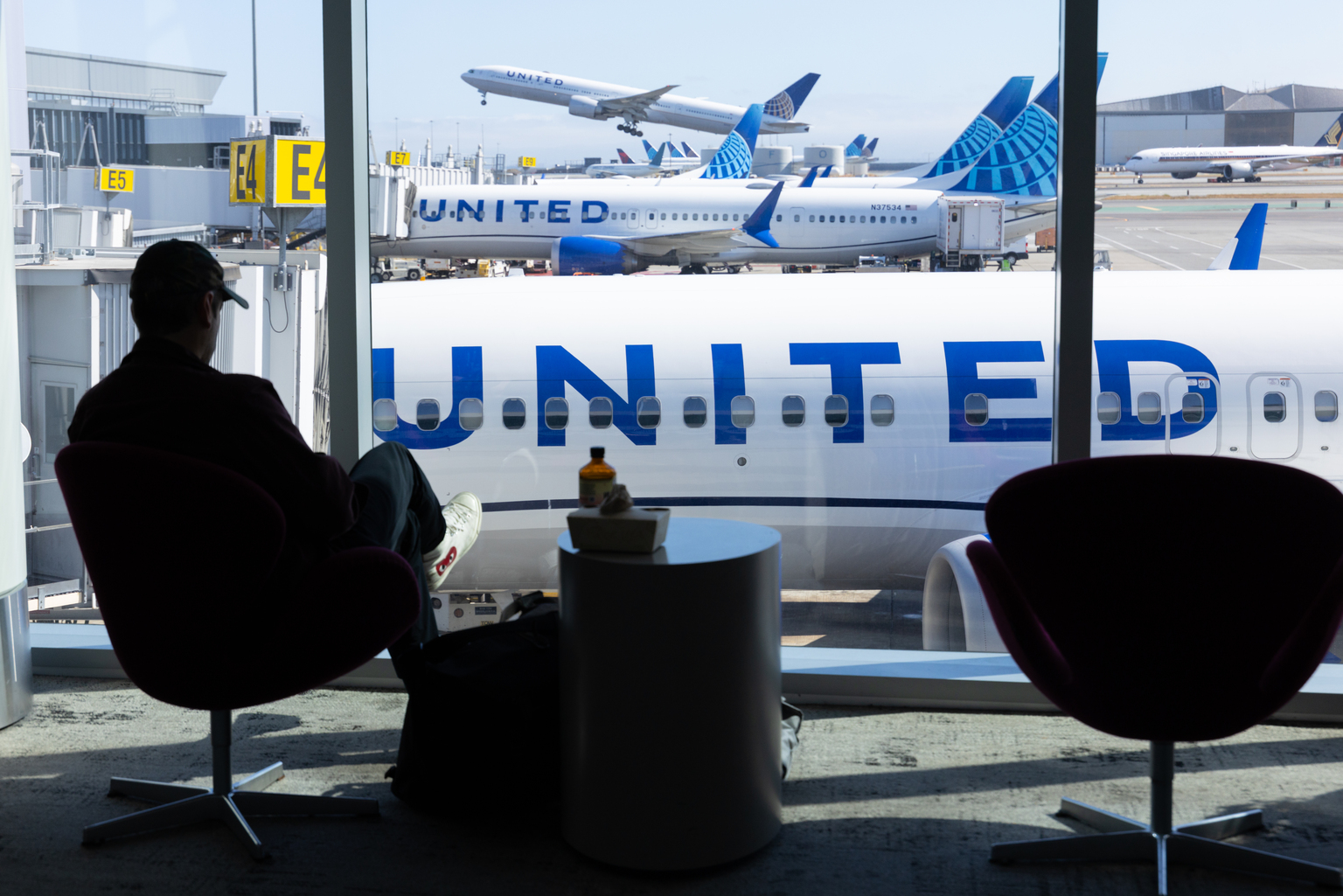
United Airlines Raises Baggage Fees Amid Rising Jet Fuel Prices

- Baggage Fee Increase: United Airlines has raised the checked baggage fee for domestic flights to $45 if paid in advance, reflecting a $10 increase due to soaring jet fuel prices linked to the Iran conflict, which significantly impacts airline profitability.
- Airport Fee Structure: Fees for checking bags at the airport start at $50, escalating to $75 at the gate, which could deter customers and potentially drive them to competitors, thereby affecting United's market share.
- New Fare Structure: The airline is introducing a tiered fare structure that includes base, standard, and flexible options for premium cabins on long-haul international and select Hawaii flights, aiming to enhance competitiveness in the premium market segment.
- Industry Trends: With global average jet fuel prices more than doubling compared to the previous month, United and other U.S. airlines like JetBlue are raising baggage fees to offset rising maintenance and labor costs, indicating broader financial pressures within the airline industry.
See More
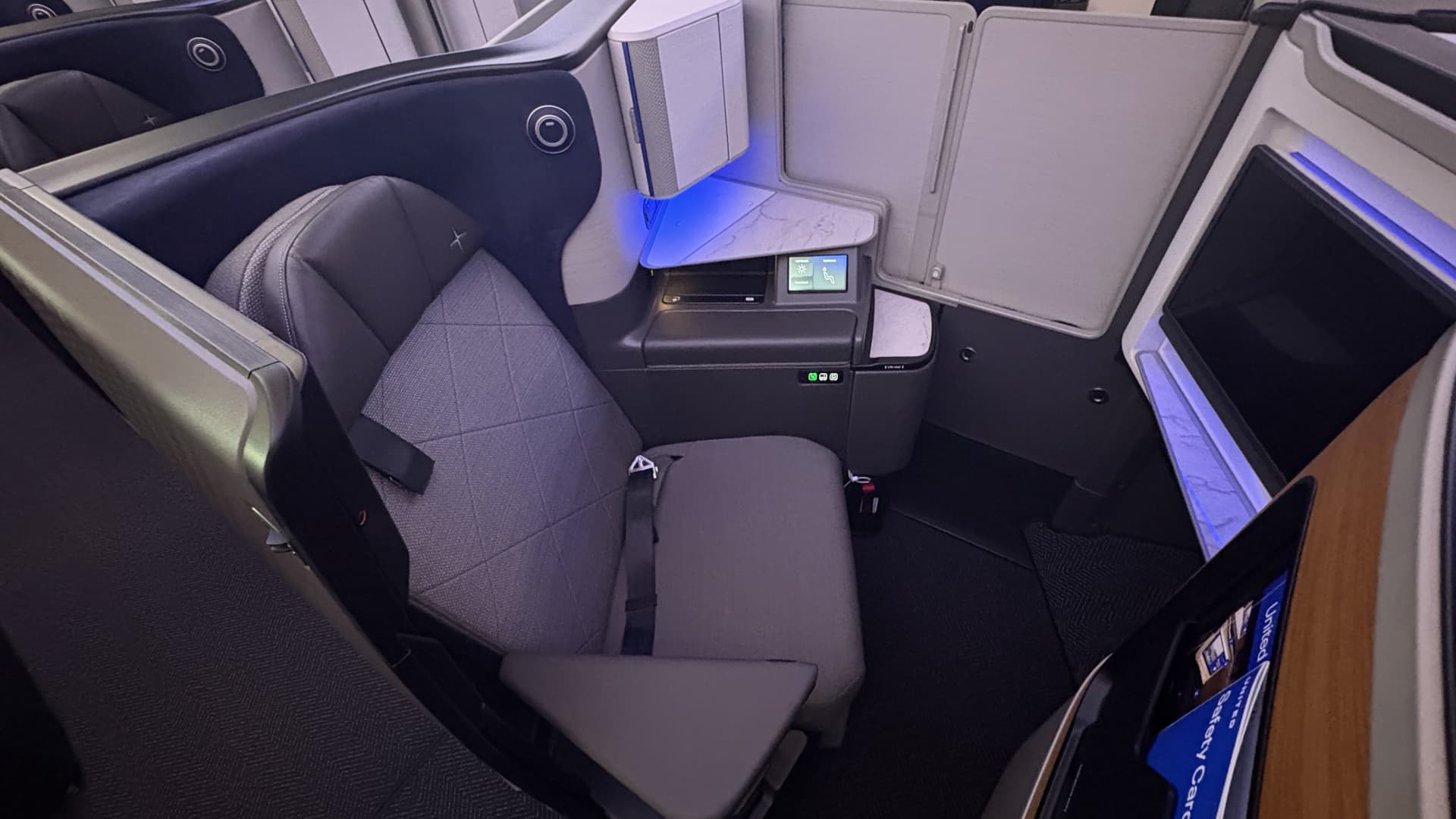
United Airlines Introduces New Luxury Fare Tiers

- New Fare Strategy: United Airlines is launching a 'Base' Polaris fare that includes lie-flat seats in long-haul business class but charges extra for seat selection, aiming to attract luxury-seeking travelers on a budget and expand its share in the premium market.
- Baggage and Lounge Policy: The new fare includes only one checked bag and access to the standard United Club lounge instead of the upscale Polaris lounge, reflecting the airline's balance between offering luxury experiences and controlling costs.
- Intensified Market Competition: With United upgrading its Polaris class to include new suites with sliding doors and larger screens, it signals a rapid push to capture high-end customers, likely prompting similar moves from competitors in the industry.
- Economy Class Adjustments: United is also planning similar segmentation for its Premium Plus class, set to launch in specific markets this month, further enhancing its competitiveness in the high-end travel sector.
See More
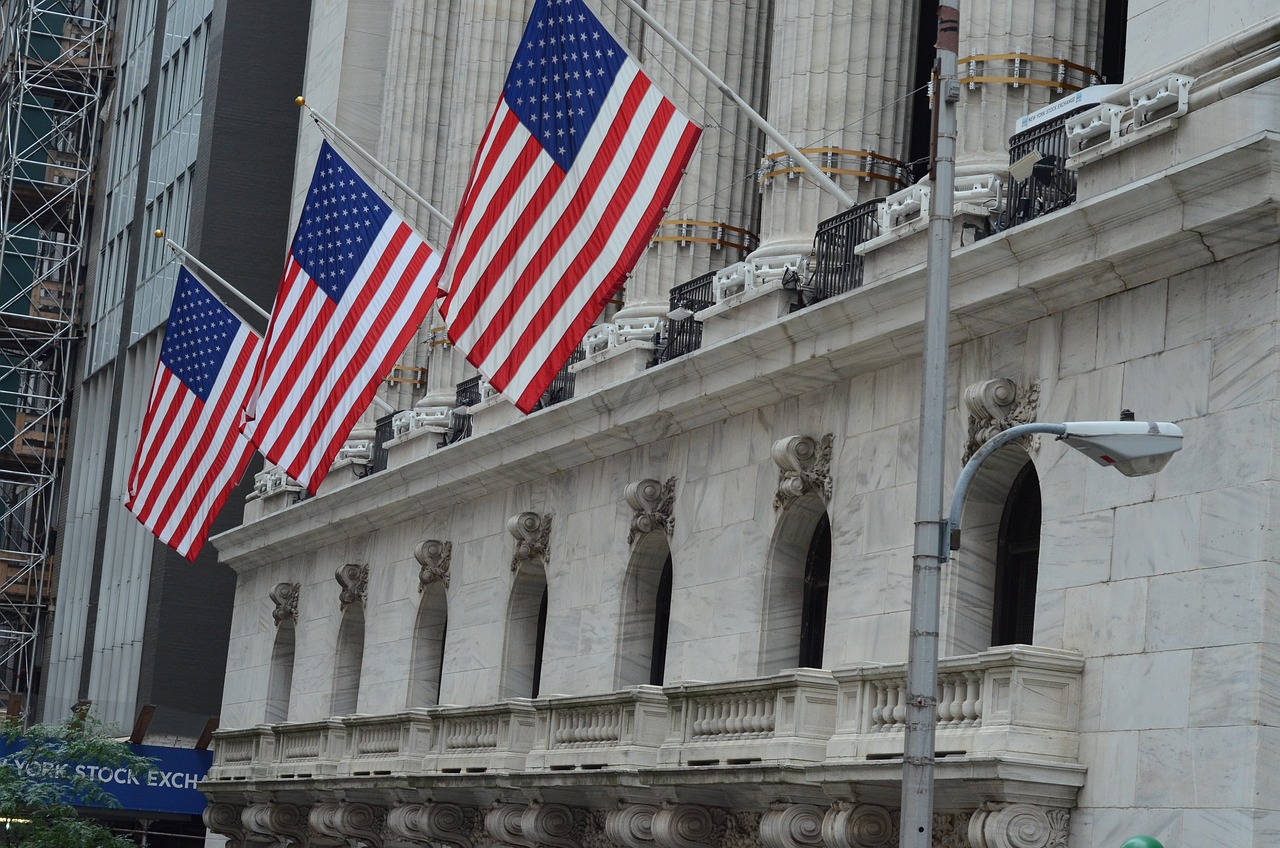
US Stocks Close Mixed Amid Oil Surge and Economic Data


- Market Fluctuations: The S&P 500 Index closed up 0.11%, while the Dow Jones Industrial Average fell 0.13%, and the Nasdaq 100 Index rose 0.11%, reflecting volatility influenced by surging oil prices and economic data.
- Positive Economic Data: Weekly initial unemployment claims unexpectedly fell by 9,000 to 202,000, indicating a stronger labor market than the anticipated increase to 212,000, which could impact the Fed's interest rate policy.
- Impact of Oil Surge: Crude oil prices soared over 11% due to President Trump's tougher stance on Iran, leading to sharp declines in airline and cruise line stocks, with United Airlines and Carnival both down more than 3%.
- Corporate Developments: SBA Communications surged over 18% as it explores potential acquisition options, while Globalstar rose over 13% amid reports of Amazon's interest in acquiring the company, highlighting market focus on M&A activity.
See More
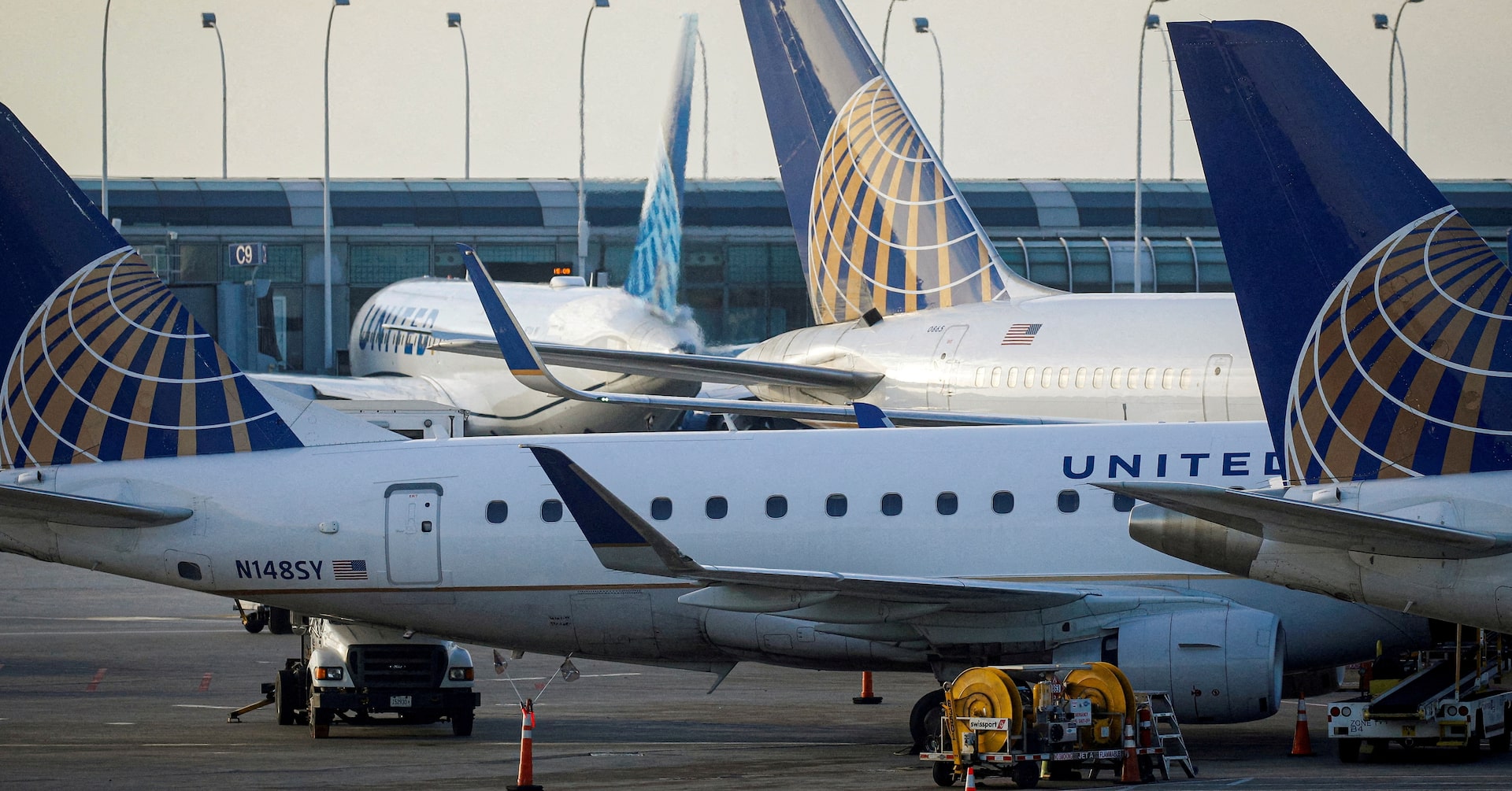
United Airlines Increases Checked Bag Fees Amid Rising Fuel Costs

- Checked Bag Fee Increase: United Airlines has announced that the first checked bag fee will be $45 if prepaid and $50 if purchased within 24 hours of the flight, reflecting the airline's response to rising fuel costs.
- Industry-Wide Price Hike: Following United's announcement, JetBlue also raised its checked bag fees by up to $9, indicating a broader trend of price increases across the airline industry due to surging fuel expenses.
- Surge in Fuel Costs: Since the U.S. and Israel's attack on Iran on February 28, jet fuel prices have skyrocketed by 80%, becoming the second-largest expense for airlines after labor, which is forcing carriers to adjust their pricing strategies.
- Customer Discount Policies: Despite the fee increases, United Airlines continues to offer free checked bags for United credit card holders, MileagePlus Premier members, active military personnel, and premium cabin travelers, highlighting its focus on retaining key customer segments.
See More
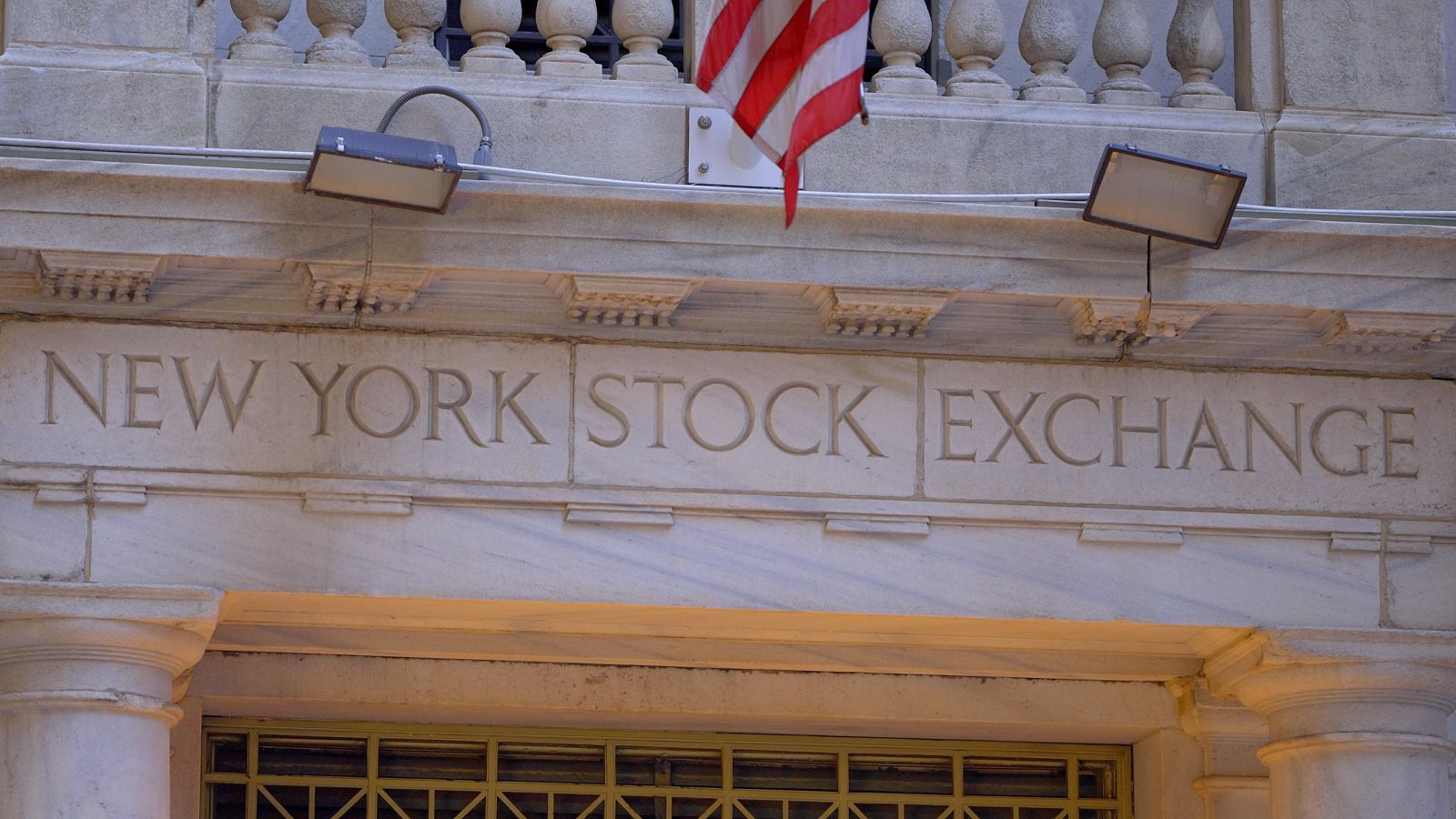
Stock Markets Pressured by Soaring Oil Prices

- Oil Price Surge Pressures Markets: Stock indexes are under pressure as crude oil prices soar over 8% following President Trump's aggressive stance on Iran, leading to a 0.06% drop in the S&P 500, a 0.23% decline in the Dow, and a 0.20% fall in the Nasdaq 100, indicating heightened inflation concerns among investors.
- Unexpected Jobless Claims Drop: Despite market pressures, initial jobless claims fell by 9,000 to 202,000, indicating a stronger labor market than anticipated, which may provide some support for stocks and alleviate investor fears of an economic slowdown.
- Divergent Energy Sector Performance: Energy producers like Diamondback Energy rose over 2% due to soaring WTI prices, while airline stocks such as American Airlines and Carnival fell more than 4% as rising fuel costs cut into profits, highlighting a clear divergence across sectors.
- Tech Stocks Decline: Chipmakers and AI infrastructure stocks retreated, with ARM Holdings leading the Nasdaq 100 down over 5%, reflecting waning confidence in tech stocks and potentially impacting future investment decisions.
See More

US Stocks Plummet as Oil Prices Surge
- Oil Price Surge: Crude oil prices soared over 13% as President Trump took a tougher stance on Iran, reaching a 3.5-week high, which not only heightened inflation fears but also pushed bond yields higher, with the 10-year T-note yield rising by 2 basis points to 4.34%.
- Unemployment Claims Drop: Weekly initial unemployment claims unexpectedly fell by 9,000 to 202,000, indicating a stronger labor market than the anticipated increase to 212,000, which could provide support for the stock market amid rising inflation concerns.
- Global Market Decline: Overseas stock markets are lower, with the Euro Stoxx 50 down 2.25%, China's Shanghai Composite down 0.74%, and Japan's Nikkei 225 sharply falling 2.38% from a two-week high, reflecting global economic uncertainty and investor caution.
- Airline Stocks Plummet: Airline stocks are sharply lower as crude oil prices surged over 10%, raising fuel costs; United Airlines and American Airlines Group both fell more than 6%, highlighting the direct impact of rising oil prices on airline profitability.
See More
United Airlines Raises Baggage Fees Amid Rising Jet Fuel Prices
- Baggage Fee Increase: United Airlines has raised the checked baggage fee for domestic flights to $45 if paid in advance, reflecting a $10 increase due to soaring jet fuel prices linked to the Iran conflict, which significantly impacts airline profitability.
- Airport Fee Structure: Fees for checking bags at the airport start at $50, escalating to $75 at the gate, which could deter customers and potentially drive them to competitors, thereby affecting United's market share.
- New Fare Structure: The airline is introducing a tiered fare structure that includes base, standard, and flexible options for premium cabins on long-haul international and select Hawaii flights, aiming to enhance competitiveness in the premium market segment.
- Industry Trends: With global average jet fuel prices more than doubling compared to the previous month, United and other U.S. airlines like JetBlue are raising baggage fees to offset rising maintenance and labor costs, indicating broader financial pressures within the airline industry.
See More
United Airlines Introduces New Luxury Fare Tiers
- New Fare Strategy: United Airlines is launching a 'Base' Polaris fare that includes lie-flat seats in long-haul business class but charges extra for seat selection, aiming to attract luxury-seeking travelers on a budget and expand its share in the premium market.
- Baggage and Lounge Policy: The new fare includes only one checked bag and access to the standard United Club lounge instead of the upscale Polaris lounge, reflecting the airline's balance between offering luxury experiences and controlling costs.
- Intensified Market Competition: With United upgrading its Polaris class to include new suites with sliding doors and larger screens, it signals a rapid push to capture high-end customers, likely prompting similar moves from competitors in the industry.
- Economy Class Adjustments: United is also planning similar segmentation for its Premium Plus class, set to launch in specific markets this month, further enhancing its competitiveness in the high-end travel sector.
See More
US Stocks Close Mixed Amid Oil Surge and Economic Data
- Market Fluctuations: The S&P 500 Index closed up 0.11%, while the Dow Jones Industrial Average fell 0.13%, and the Nasdaq 100 Index rose 0.11%, reflecting volatility influenced by surging oil prices and economic data.
- Positive Economic Data: Weekly initial unemployment claims unexpectedly fell by 9,000 to 202,000, indicating a stronger labor market than the anticipated increase to 212,000, which could impact the Fed's interest rate policy.
- Impact of Oil Surge: Crude oil prices soared over 11% due to President Trump's tougher stance on Iran, leading to sharp declines in airline and cruise line stocks, with United Airlines and Carnival both down more than 3%.
- Corporate Developments: SBA Communications surged over 18% as it explores potential acquisition options, while Globalstar rose over 13% amid reports of Amazon's interest in acquiring the company, highlighting market focus on M&A activity.
See More
United Airlines Increases Checked Bag Fees Amid Rising Fuel Costs
- Checked Bag Fee Increase: United Airlines has announced that the first checked bag fee will be $45 if prepaid and $50 if purchased within 24 hours of the flight, reflecting the airline's response to rising fuel costs.
- Industry-Wide Price Hike: Following United's announcement, JetBlue also raised its checked bag fees by up to $9, indicating a broader trend of price increases across the airline industry due to surging fuel expenses.
- Surge in Fuel Costs: Since the U.S. and Israel's attack on Iran on February 28, jet fuel prices have skyrocketed by 80%, becoming the second-largest expense for airlines after labor, which is forcing carriers to adjust their pricing strategies.
- Customer Discount Policies: Despite the fee increases, United Airlines continues to offer free checked bags for United credit card holders, MileagePlus Premier members, active military personnel, and premium cabin travelers, highlighting its focus on retaining key customer segments.
See More
Stock Markets Pressured by Soaring Oil Prices
- Oil Price Surge Pressures Markets: Stock indexes are under pressure as crude oil prices soar over 8% following President Trump's aggressive stance on Iran, leading to a 0.06% drop in the S&P 500, a 0.23% decline in the Dow, and a 0.20% fall in the Nasdaq 100, indicating heightened inflation concerns among investors.
- Unexpected Jobless Claims Drop: Despite market pressures, initial jobless claims fell by 9,000 to 202,000, indicating a stronger labor market than anticipated, which may provide some support for stocks and alleviate investor fears of an economic slowdown.
- Divergent Energy Sector Performance: Energy producers like Diamondback Energy rose over 2% due to soaring WTI prices, while airline stocks such as American Airlines and Carnival fell more than 4% as rising fuel costs cut into profits, highlighting a clear divergence across sectors.
- Tech Stocks Decline: Chipmakers and AI infrastructure stocks retreated, with ARM Holdings leading the Nasdaq 100 down over 5%, reflecting waning confidence in tech stocks and potentially impacting future investment decisions.
See More
US Stocks Plummet as Oil Prices Surge
- Oil Price Surge: Crude oil prices soared over 13% as President Trump took a tougher stance on Iran, reaching a 3.5-week high, which not only heightened inflation fears but also pushed bond yields higher, with the 10-year T-note yield rising by 2 basis points to 4.34%.
- Unemployment Claims Drop: Weekly initial unemployment claims unexpectedly fell by 9,000 to 202,000, indicating a stronger labor market than the anticipated increase to 212,000, which could provide support for the stock market amid rising inflation concerns.
- Global Market Decline: Overseas stock markets are lower, with the Euro Stoxx 50 down 2.25%, China's Shanghai Composite down 0.74%, and Japan's Nikkei 225 sharply falling 2.38% from a two-week high, reflecting global economic uncertainty and investor caution.
- Airline Stocks Plummet: Airline stocks are sharply lower as crude oil prices surged over 10%, raising fuel costs; United Airlines and American Airlines Group both fell more than 6%, highlighting the direct impact of rising oil prices on airline profitability.
See More