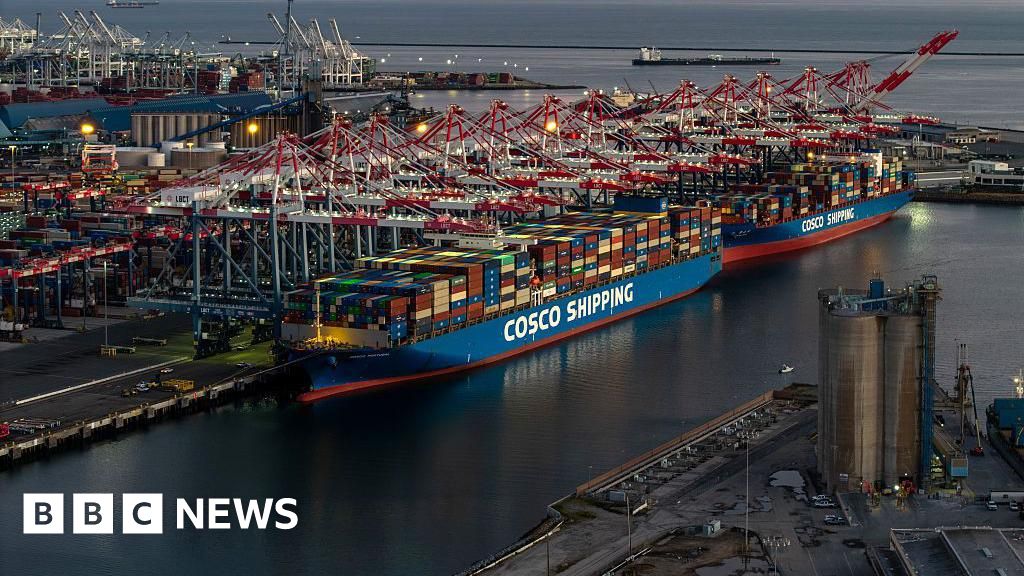
Middle East Conflict Drives Oil and Gas Prices Up
Written by Emily J. Thompson, Senior Investment Analyst
Updated: 12 hours ago
0mins
Source: Fool
- Economic Impact Intensifies: The ongoing Middle East conflict is driving up oil and gas prices, which could lead to a spike in inflation, as Motley Fool research indicates an average inflation rate of 3.8% per year; rising energy costs will affect transportation, manufacturing, and electricity production, ultimately resulting in higher consumer prices across various sectors.
- Increased Recession Risk: Consumer concerns about the economy are rising, highlighted by Target's 2.5% decline in same-store sales in Q4 2025, while Walmart's organic sales increased by 4.6% in the same period, indicating that higher oil and gas prices could exacerbate economic uncertainty, prompting consumers to cut back on spending and increasing the risk of a recession.
- Price Volatility of Oil: Although oil and gas prices are currently spiking, historical trends show that energy prices typically fall after a peak; thus, investors considering energy producers like Devon Energy should exercise caution, as stock prices may fluctuate significantly with oil price changes.
- Long-term Investment Strategy: While the short-term impact of rising oil and gas prices is painful, the economic effects will diminish over time, and investors should remember the adage, “This too shall pass,” to navigate potential economic downturns and energy price volatility.
Trade with 70% Backtested Accuracy
Stop guessing "Should I Buy WMT?" and start using high-conviction signals backed by rigorous historical data.
Sign up today to access powerful investing tools and make smarter, data-driven decisions.
Analyst Views on WMT
Wall Street analysts forecast WMT stock price to rise
26 Analyst Rating
25 Buy
1 Hold
0 Sell
Strong Buy
Current: 125.120

Low
119.00
Averages
125.75
High
136.00
Current: 125.120
Low
119.00
Averages
125.75
High
136.00
About WMT
Walmart Inc. is a technology-powered omnichannel retailer. The Company is engaged in the operation of retail and wholesale stores and clubs, as well as eCommerce Websites and mobile applications, located throughout the United States (U.S.), Africa, Canada, Central America, Chile, China, India and Mexico. It operates in three reportable segments: Walmart U.S., Walmart International and Sam's Club U.S. The Walmart U.S. segment includes the Company's mass merchandising concept in the U.S., as well as eCommerce, which includes omni-channel initiatives and certain other business offerings such as advertising services. The Walmart International segment consists of the Company's operations outside of the U.S. through its subsidiaries, as well as eCommerce and omni-channel initiatives. The Sam's Club U.S. segment includes the warehouse membership clubs in the U.S., as well as samsclub.com and omni-channel initiatives.
About the author

Emily J. Thompson
Emily J. Thompson, a Chartered Financial Analyst (CFA) with 12 years in investment research, graduated with honors from the Wharton School. Specializing in industrial and technology stocks, she provides in-depth analysis for Intellectia’s earnings and market brief reports.
Flipkart Plans IPO, Inviting Global Investment Banks for Roles

- IPO Initiative: Flipkart plans to invite global and domestic investment banks to pitch for IPO roles as early as April, following months of informal discussions, indicating a clear intent to go public that is likely to attract significant investor interest.
- Domicile Shift Approval: The company has received government approval to shift its official domicile from Singapore to India, a move that not only enhances its local presence but may also create a more favorable regulatory environment for its upcoming IPO.
- Valuation Surge: Since Walmart acquired a 77% stake in Flipkart for approximately $16 billion in 2018, the company's valuation has risen from nearly $21 billion to about $35 billion, reflecting its robust growth potential in the Indian e-commerce market.
- Competitive Landscape: In a fiercely competitive environment with rivals like Amazon India and Myntra, Flipkart has solidified its position as India's leading e-commerce platform through a diversified product range and a strong logistics network, with the upcoming IPO expected to further enhance its market competitiveness.
See More

Target's 31% Stock Surge: Analyzing the Drivers

- Stock Surge: Target (TGT) has surged 31% over the past three months, contrasting with a 1.9% decline in the S&P 500, indicating a growing investor confidence in newly appointed CEO Michael Fiddelke, despite the stock being down over 25% in the last three years.
- Sales Slowdown Challenges: Although Target's sales have significantly declined during the pandemic and operating margins have yet to recover to pre-pandemic levels, the company is working to attract consumers by enhancing in-store experiences and increasing digital sales channels, particularly under economic pressure.
- Strategic Investment Plans: The new CEO plans to open over 30 new stores this fiscal year and complete more than 130 full-store remodels, with capital expenditures set to increase by 25% compared to fiscal 2025, demonstrating the company's strong commitment to future growth.
- Dividend Stability: Target has raised its dividend for the 54th consecutive year to $1.14 per share quarterly, equating to an annual dividend of $4.56, and as a member of the 'Dividend Kings', it offers a 3.8% yield, providing a reliable income source for long-term investors.
See More

Target Reports Weak Results and 2026 Guidance Amid Spending Increase
- Weak Performance: Target's fiscal 2026 guidance indicates only 2% net sales growth, and despite a 31% stock price increase over the past three months, it remains down over 50% from its all-time high, reflecting market concerns about its recovery potential.
- Increased Spending Strategy: Amid weak consumer spending, Target plans to boost capital expenditures by 25% in fiscal 2026, opening over 30 new stores and completing more than 130 full-store remodels, aiming to enhance customer experience and drive sales.
- Dividend Stability: Target has raised its dividend for the 54th consecutive year to $1.14 per share, equating to an annual dividend of $4.56, indicating the company's ability to support its high-yield dividend from operations, appealing to long-term investors.
- Market Optimism: Despite uncertainties, the market reacts positively to new CEO Michael Fiddelke's strategic plan, believing it may help the company gradually return to growth, although it will take time to validate its effectiveness.
See More

Foreign Stocks Struggle Amid Iran Conflict: Investing in These Companies and Funds May Yield Returns.


Global Market Impact: The ongoing war with Iran is causing significant disruptions in international markets, leading to increased uncertainty for investors.
Investment Opportunities: Despite the turmoil, foreign stocks are perceived as undervalued and present potential buying opportunities for investors looking for bargains.
See More
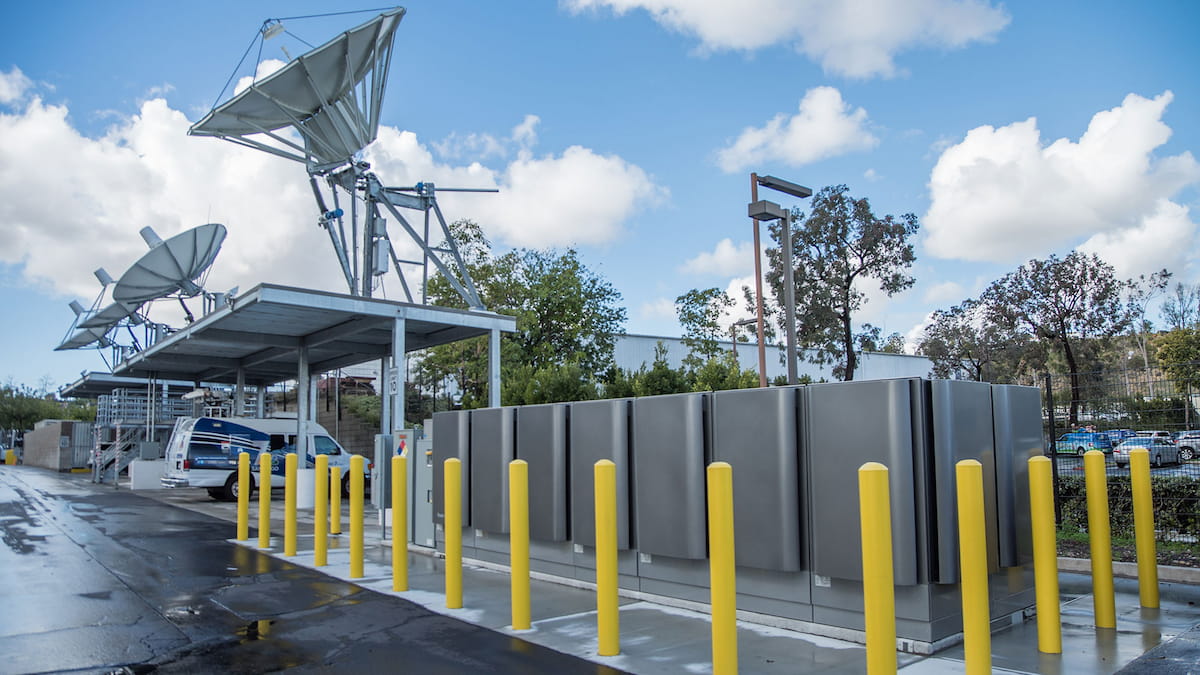
Bloom Energy Stock Surges, Optimistic Outlook Ahead

- Outstanding Stock Performance: Bloom Energy's shares have surged nearly 50% in 2026, significantly outperforming the broader market, following an astonishing 291% increase in 2025, reflecting strong market demand and investor confidence.
- Strategic Partnership: Bloom entered a $5 billion strategic partnership with Brookfield Asset Management, making Bloom's servers the preferred onsite power provider for Brookfield's AI factories, further solidifying its market position in AI infrastructure.
- Financial Condition Analysis: Despite recording a record $777 million in revenue for Q4, Bloom only achieved a net income of $1.1 million, indicating weak profitability, with total liabilities at $3.6 billion, necessitating attention to future profitability improvements.
- Market Outlook: Bloom's stock has risen 560% compared to last year, and while a potential 36% increase could push its valuation into unstable territory, the demand from data center construction is expected to drive revenue growth in 2026, becoming a key growth driver moving forward.
See More

Bloom Energy Reports Record Growth Amid Thin Profitability
- Significant Revenue Growth: Bloom Energy reported a record $777 million in revenue for Q1 2026, reflecting substantial demand in the on-site power generation market, although its net income was only $1.1 million, indicating thin profitability.
- Strong Stock Performance: The stock has surged nearly 50% in 2026 and achieved an astonishing 291% gain in 2025, with the current price reaching $200 per share, which may lead to increased volatility in future performance.
- Strategic Partnership: Bloom Energy entered a $5 billion strategic partnership with Brookfield Asset Management, positioning its servers as the preferred on-site power provider for Brookfield's AI factories, which is expected to enhance its market share.
- Tight Financial Condition: While Bloom Energy holds approximately $2.5 billion in cash and equivalents, its total liabilities stand at $3.6 billion, indicating that despite rapid growth, the company faces significant financial leverage risks, raising questions about its future profitability.
See More
Flipkart Plans IPO, Inviting Global Investment Banks for Roles
- IPO Initiative: Flipkart plans to invite global and domestic investment banks to pitch for IPO roles as early as April, following months of informal discussions, indicating a clear intent to go public that is likely to attract significant investor interest.
- Domicile Shift Approval: The company has received government approval to shift its official domicile from Singapore to India, a move that not only enhances its local presence but may also create a more favorable regulatory environment for its upcoming IPO.
- Valuation Surge: Since Walmart acquired a 77% stake in Flipkart for approximately $16 billion in 2018, the company's valuation has risen from nearly $21 billion to about $35 billion, reflecting its robust growth potential in the Indian e-commerce market.
- Competitive Landscape: In a fiercely competitive environment with rivals like Amazon India and Myntra, Flipkart has solidified its position as India's leading e-commerce platform through a diversified product range and a strong logistics network, with the upcoming IPO expected to further enhance its market competitiveness.
See More
Target's 31% Stock Surge: Analyzing the Drivers
- Stock Surge: Target (TGT) has surged 31% over the past three months, contrasting with a 1.9% decline in the S&P 500, indicating a growing investor confidence in newly appointed CEO Michael Fiddelke, despite the stock being down over 25% in the last three years.
- Sales Slowdown Challenges: Although Target's sales have significantly declined during the pandemic and operating margins have yet to recover to pre-pandemic levels, the company is working to attract consumers by enhancing in-store experiences and increasing digital sales channels, particularly under economic pressure.
- Strategic Investment Plans: The new CEO plans to open over 30 new stores this fiscal year and complete more than 130 full-store remodels, with capital expenditures set to increase by 25% compared to fiscal 2025, demonstrating the company's strong commitment to future growth.
- Dividend Stability: Target has raised its dividend for the 54th consecutive year to $1.14 per share quarterly, equating to an annual dividend of $4.56, and as a member of the 'Dividend Kings', it offers a 3.8% yield, providing a reliable income source for long-term investors.
See More
Target Reports Weak Results and 2026 Guidance Amid Spending Increase
- Weak Performance: Target's fiscal 2026 guidance indicates only 2% net sales growth, and despite a 31% stock price increase over the past three months, it remains down over 50% from its all-time high, reflecting market concerns about its recovery potential.
- Increased Spending Strategy: Amid weak consumer spending, Target plans to boost capital expenditures by 25% in fiscal 2026, opening over 30 new stores and completing more than 130 full-store remodels, aiming to enhance customer experience and drive sales.
- Dividend Stability: Target has raised its dividend for the 54th consecutive year to $1.14 per share, equating to an annual dividend of $4.56, indicating the company's ability to support its high-yield dividend from operations, appealing to long-term investors.
- Market Optimism: Despite uncertainties, the market reacts positively to new CEO Michael Fiddelke's strategic plan, believing it may help the company gradually return to growth, although it will take time to validate its effectiveness.
See More
Foreign Stocks Struggle Amid Iran Conflict: Investing in These Companies and Funds May Yield Returns.
Global Market Impact: The ongoing war with Iran is causing significant disruptions in international markets, leading to increased uncertainty for investors.
Investment Opportunities: Despite the turmoil, foreign stocks are perceived as undervalued and present potential buying opportunities for investors looking for bargains.
See More
Bloom Energy Stock Surges, Optimistic Outlook Ahead
- Outstanding Stock Performance: Bloom Energy's shares have surged nearly 50% in 2026, significantly outperforming the broader market, following an astonishing 291% increase in 2025, reflecting strong market demand and investor confidence.
- Strategic Partnership: Bloom entered a $5 billion strategic partnership with Brookfield Asset Management, making Bloom's servers the preferred onsite power provider for Brookfield's AI factories, further solidifying its market position in AI infrastructure.
- Financial Condition Analysis: Despite recording a record $777 million in revenue for Q4, Bloom only achieved a net income of $1.1 million, indicating weak profitability, with total liabilities at $3.6 billion, necessitating attention to future profitability improvements.
- Market Outlook: Bloom's stock has risen 560% compared to last year, and while a potential 36% increase could push its valuation into unstable territory, the demand from data center construction is expected to drive revenue growth in 2026, becoming a key growth driver moving forward.
See More
Bloom Energy Reports Record Growth Amid Thin Profitability
- Significant Revenue Growth: Bloom Energy reported a record $777 million in revenue for Q1 2026, reflecting substantial demand in the on-site power generation market, although its net income was only $1.1 million, indicating thin profitability.
- Strong Stock Performance: The stock has surged nearly 50% in 2026 and achieved an astonishing 291% gain in 2025, with the current price reaching $200 per share, which may lead to increased volatility in future performance.
- Strategic Partnership: Bloom Energy entered a $5 billion strategic partnership with Brookfield Asset Management, positioning its servers as the preferred on-site power provider for Brookfield's AI factories, which is expected to enhance its market share.
- Tight Financial Condition: While Bloom Energy holds approximately $2.5 billion in cash and equivalents, its total liabilities stand at $3.6 billion, indicating that despite rapid growth, the company faces significant financial leverage risks, raising questions about its future profitability.
See More