Middle East Ceasefire Expectations Impact Markets
Written by Emily J. Thompson, Senior Investment Analyst
Updated: 1 hour ago
0mins
Should l Buy TXN?
Source: Newsfilter
- Middle East Ceasefire: President Trump announced a ceasefire extension just before the current one expired, creating uncertainty as to whether Iran and Israel will agree, which keeps market risk sentiment stable while investors focus on corporate earnings and economic data.
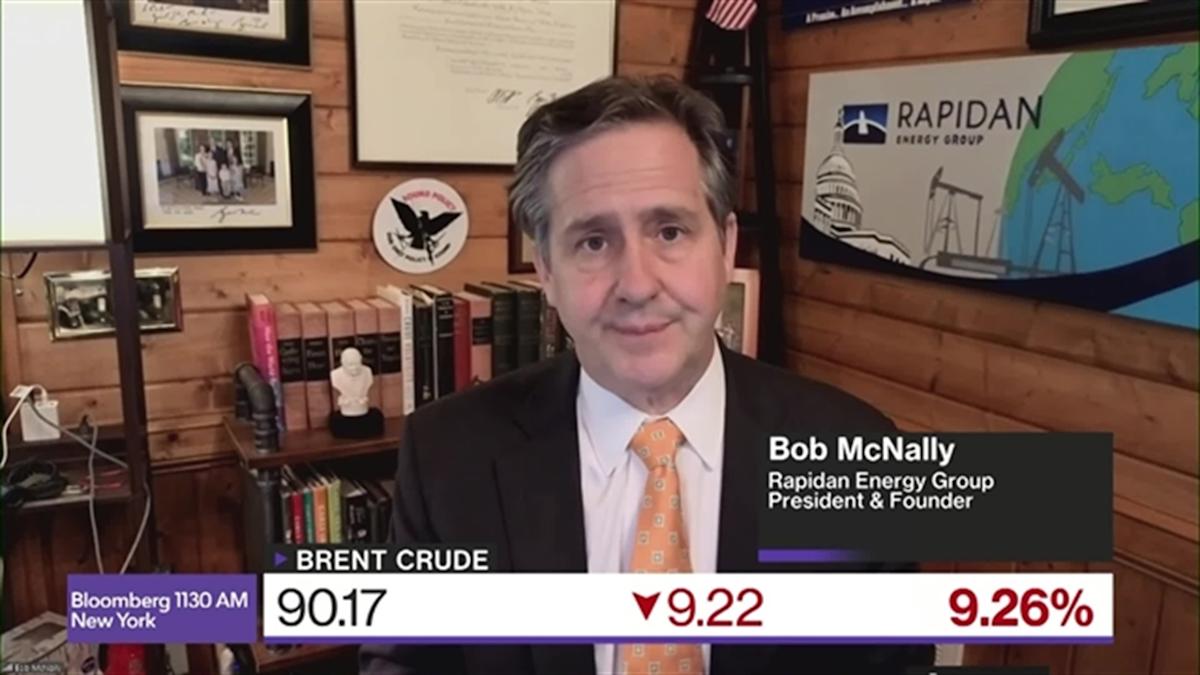
- Oil Price Volatility: With Trump continuing to blockade Iranian ports, traffic through the Strait of Hormuz is nearly at a standstill, keeping Brent crude prices around $100 per barrel; despite optimism for a peace deal, energy prices remain elevated, posing risks for inflation shocks.
- UK Inflation Report: The British inflation report for March is expected to show an increase from 3% in February to 3.3%, highlighting the local economic impact of the Middle East conflict and potentially raising concerns about future economic trends.
- Earnings Focus: Earnings reports from U.S. chipmaker Texas Instruments and Tesla will be crucial for understanding how companies navigate energy and supply chain disruptions, while developments regarding SpaceX's IPO may also capture market attention.
Trade with 70% Backtested Accuracy
Stop guessing "Should I Buy TXN?" and start using high-conviction signals backed by rigorous historical data.
Sign up today to access powerful investing tools and make smarter, data-driven decisions.
Analyst Views on TXN
Wall Street analysts forecast TXN stock price to fall
20 Analyst Rating
10 Buy
5 Hold
5 Sell
Hold
Current: 233.700

Low
125.00
Averages
193.53
High
245.00
Current: 233.700
Low
125.00
Averages
193.53
High
245.00
About TXN
Texas Instruments Incorporated is engaged in the design and manufacture of semiconductors. The Company operates through two segments, which include Analog and Embedded Processing. Its Analog segment semiconductors are used to manage power in all electronic equipment by converting, distributing, storing, discharging, isolating, and measuring electrical energy. It consists of two products, which include Power and Signal Chain. The Analog segment includes product lines, such as Power and Signal Chain. Power includes products that help customers manage power in electronic systems. Signal Chain products include amplifiers, data converters, interface products, motor drives, clocks, logic, and sensing products. Its portfolio is designed to manage power requirements across different voltage levels. The Embedded Processing segment products are designed to handle specific tasks and can be optimized for various combinations of performance, power, and cost, depending on the application.
About the author

Emily J. Thompson
Emily J. Thompson, a Chartered Financial Analyst (CFA) with 12 years in investment research, graduated with honors from the Wharton School. Specializing in industrial and technology stocks, she provides in-depth analysis for Intellectia’s earnings and market brief reports.

Texas Instruments Successfully Revitalizes Growth

- Growth Revitalization: Texas Instruments has successfully reinvigorated its growth through innovative products and market strategies, showcasing the company's strong adaptability in the highly competitive semiconductor industry.
- Stock Performance: As of the afternoon of April 16, 2026, Texas Instruments' stock price rose by 1.60%, reflecting investor confidence in the company's future growth potential and further solidifying its market position.
- Market Reaction: The video published on April 18, 2026, quickly garnered market attention, indicating the company's effectiveness in communicating its growth strategies and enhancing investor trust.
- Strategic Implications: This growth revitalization not only improves Texas Instruments' financial performance but also provides stronger funding support for future investments and R&D, ensuring the company's continued leadership in technological innovation.
See More

Middle East Ceasefire Expectations Impact Markets

- Middle East Ceasefire: President Trump announced a ceasefire extension just before the current one expired, creating uncertainty as to whether Iran and Israel will agree, which keeps market risk sentiment stable while investors focus on corporate earnings and economic data.
- Oil Price Volatility: With Trump continuing to blockade Iranian ports, traffic through the Strait of Hormuz is nearly at a standstill, keeping Brent crude prices around $100 per barrel; despite optimism for a peace deal, energy prices remain elevated, posing risks for inflation shocks.
- UK Inflation Report: The British inflation report for March is expected to show an increase from 3% in February to 3.3%, highlighting the local economic impact of the Middle East conflict and potentially raising concerns about future economic trends.
- Earnings Focus: Earnings reports from U.S. chipmaker Texas Instruments and Tesla will be crucial for understanding how companies navigate energy and supply chain disruptions, while developments regarding SpaceX's IPO may also capture market attention.
See More

Apple Appoints New CEO and Hardware Chief Amid Strategic Shift


- Executive Transition: Apple has announced that hardware chief John Ternus will take over as CEO on September 1, succeeding Tim Cook, indicating a significant leadership change that may impact the company's strategic direction.
- Chip Strategy Enhancement: Johny Srouji has been appointed as Chief Hardware Engineer, overseeing the development of Apple's in-house chips, signaling the company's commitment to reducing reliance on external suppliers and strengthening its autonomy in chip design.
- AI Capability Boost: Apple's chip team has scaled to thousands of engineers focused on enhancing AI performance on devices, which is expected to further solidify its competitive edge in the smart device market.
- Supply Chain Localization: Apple has committed to a $600 billion investment in the U.S. to establish an end-to-end silicon supply chain, reflecting its emphasis on American manufacturing while potentially enhancing supply chain stability in the global market.
See More

Apple Appoints New Hardware Chief, Strengthens Chip Strategy


- Executive Appointments: Apple has appointed Johny Srouji as Chief Hardware Officer while naming John Ternus as the new CEO, marking a significant step in the company's push towards in-house chip development, which is expected to enhance its competitive edge in the market.
- Chip Autonomy Strategy: Srouji's new role underscores Apple's commitment to in-house chip design, reducing reliance on external suppliers, particularly in the AI sector, which is anticipated to improve product performance and user experience.
- Global Engineering Team Expansion: Apple's chip team has scaled to thousands of engineers across multiple countries, including Israel, Germany, and the U.S., demonstrating its capability and resource integration in global R&D efforts.
- Future Development Direction: Apple plans to continue investing in domestic chip production over the next few years, which is expected to drive innovation in AI and other high-tech fields, further solidifying its market position.
See More

Texas Instruments Q1 Earnings Expectations
- Earnings Expectations: Texas Instruments is expected to report an EPS of $1.37 for Q1, with revenue projected to rise 11.3% to $4.53 billion, indicating signs of business recovery driven by improving orders and strong bookings.
- Market Guidance: Despite missing revenue and EPS estimates in the previous quarter, the company guided Q1 estimates above market consensus, expecting revenue between $4.32 billion and $4.68 billion, reflecting management's confidence in future performance.
- Analyst Rating Changes: Mizuho upgraded Texas Instruments from Underperform to Neutral and raised its price target from $160 to $215, reflecting a positive outlook on the company's strong demand in AI servers and industrial sectors.
- Market Competition and Opportunities: While competition in China is intensifying with local manufacturers offering lower prices, Texas Instruments is still viewed as a beneficiary of industrial recovery, with expected growth driven by data center and automotive segments.
See More

TE Connectivity and Texas Instruments Earnings Reports Expected to Impress

- TE Connectivity Earnings Outlook: TE Connectivity is expected to report a 13% year-over-year increase in Q2 sales to $4.7 billion, with earnings projected to spike 28% to $2.70 per share, indicating strong growth potential in connectivity and sensor solutions.
- Consistent Outperformance: The company has achieved or exceeded the Zacks EPS consensus for an impressive 41 consecutive quarters, with an average earnings surprise of 7.48% over the last four quarters, showcasing its excellence in profitability and market expectation management.
- Texas Instruments Earnings Forecast: Texas Instruments is projected to see an 11% year-over-year increase in Q1 sales to $4.52 billion, with EPS expected to rise 7% to $1.37, reflecting strong long-term profitability despite a slight miss in the most recent quarter.
- Growth Prospects: Both TE Connectivity and Texas Instruments are expected to see full-year EPS growth of 26% and 16%, respectively, highlighting their sustained growth potential in their respective sectors and further boosting investor confidence.
See More
Texas Instruments Successfully Revitalizes Growth
- Growth Revitalization: Texas Instruments has successfully reinvigorated its growth through innovative products and market strategies, showcasing the company's strong adaptability in the highly competitive semiconductor industry.
- Stock Performance: As of the afternoon of April 16, 2026, Texas Instruments' stock price rose by 1.60%, reflecting investor confidence in the company's future growth potential and further solidifying its market position.
- Market Reaction: The video published on April 18, 2026, quickly garnered market attention, indicating the company's effectiveness in communicating its growth strategies and enhancing investor trust.
- Strategic Implications: This growth revitalization not only improves Texas Instruments' financial performance but also provides stronger funding support for future investments and R&D, ensuring the company's continued leadership in technological innovation.
See More
Middle East Ceasefire Expectations Impact Markets
- Middle East Ceasefire: President Trump announced a ceasefire extension just before the current one expired, creating uncertainty as to whether Iran and Israel will agree, which keeps market risk sentiment stable while investors focus on corporate earnings and economic data.
- Oil Price Volatility: With Trump continuing to blockade Iranian ports, traffic through the Strait of Hormuz is nearly at a standstill, keeping Brent crude prices around $100 per barrel; despite optimism for a peace deal, energy prices remain elevated, posing risks for inflation shocks.
- UK Inflation Report: The British inflation report for March is expected to show an increase from 3% in February to 3.3%, highlighting the local economic impact of the Middle East conflict and potentially raising concerns about future economic trends.
- Earnings Focus: Earnings reports from U.S. chipmaker Texas Instruments and Tesla will be crucial for understanding how companies navigate energy and supply chain disruptions, while developments regarding SpaceX's IPO may also capture market attention.
See More
Apple Appoints New CEO and Hardware Chief Amid Strategic Shift
- Executive Transition: Apple has announced that hardware chief John Ternus will take over as CEO on September 1, succeeding Tim Cook, indicating a significant leadership change that may impact the company's strategic direction.
- Chip Strategy Enhancement: Johny Srouji has been appointed as Chief Hardware Engineer, overseeing the development of Apple's in-house chips, signaling the company's commitment to reducing reliance on external suppliers and strengthening its autonomy in chip design.
- AI Capability Boost: Apple's chip team has scaled to thousands of engineers focused on enhancing AI performance on devices, which is expected to further solidify its competitive edge in the smart device market.
- Supply Chain Localization: Apple has committed to a $600 billion investment in the U.S. to establish an end-to-end silicon supply chain, reflecting its emphasis on American manufacturing while potentially enhancing supply chain stability in the global market.
See More
Apple Appoints New Hardware Chief, Strengthens Chip Strategy
- Executive Appointments: Apple has appointed Johny Srouji as Chief Hardware Officer while naming John Ternus as the new CEO, marking a significant step in the company's push towards in-house chip development, which is expected to enhance its competitive edge in the market.
- Chip Autonomy Strategy: Srouji's new role underscores Apple's commitment to in-house chip design, reducing reliance on external suppliers, particularly in the AI sector, which is anticipated to improve product performance and user experience.
- Global Engineering Team Expansion: Apple's chip team has scaled to thousands of engineers across multiple countries, including Israel, Germany, and the U.S., demonstrating its capability and resource integration in global R&D efforts.
- Future Development Direction: Apple plans to continue investing in domestic chip production over the next few years, which is expected to drive innovation in AI and other high-tech fields, further solidifying its market position.
See More
Texas Instruments Q1 Earnings Expectations
- Earnings Expectations: Texas Instruments is expected to report an EPS of $1.37 for Q1, with revenue projected to rise 11.3% to $4.53 billion, indicating signs of business recovery driven by improving orders and strong bookings.
- Market Guidance: Despite missing revenue and EPS estimates in the previous quarter, the company guided Q1 estimates above market consensus, expecting revenue between $4.32 billion and $4.68 billion, reflecting management's confidence in future performance.
- Analyst Rating Changes: Mizuho upgraded Texas Instruments from Underperform to Neutral and raised its price target from $160 to $215, reflecting a positive outlook on the company's strong demand in AI servers and industrial sectors.
- Market Competition and Opportunities: While competition in China is intensifying with local manufacturers offering lower prices, Texas Instruments is still viewed as a beneficiary of industrial recovery, with expected growth driven by data center and automotive segments.
See More
TE Connectivity and Texas Instruments Earnings Reports Expected to Impress
- TE Connectivity Earnings Outlook: TE Connectivity is expected to report a 13% year-over-year increase in Q2 sales to $4.7 billion, with earnings projected to spike 28% to $2.70 per share, indicating strong growth potential in connectivity and sensor solutions.
- Consistent Outperformance: The company has achieved or exceeded the Zacks EPS consensus for an impressive 41 consecutive quarters, with an average earnings surprise of 7.48% over the last four quarters, showcasing its excellence in profitability and market expectation management.
- Texas Instruments Earnings Forecast: Texas Instruments is projected to see an 11% year-over-year increase in Q1 sales to $4.52 billion, with EPS expected to rise 7% to $1.37, reflecting strong long-term profitability despite a slight miss in the most recent quarter.
- Growth Prospects: Both TE Connectivity and Texas Instruments are expected to see full-year EPS growth of 26% and 16%, respectively, highlighting their sustained growth potential in their respective sectors and further boosting investor confidence.
See More