Microsoft Stock Decline Amid AI Risks
Written by Emily J. Thompson, Senior Investment Analyst
Updated: Mar 15 2026
0mins

Source: Yahoo Finance
- Stock Decline: Microsoft shares have fallen about 18% year-to-date and are down 29% from a 52-week high of $555.45, reflecting investor caution regarding risks in the AI era, which could impact the company's future financing capabilities and market confidence.
- Financial Performance: Despite a 17% year-over-year revenue increase and a 21% rise in operating income to $38.3 billion in fiscal Q2 2026, market expectations for future growth are dampened by intensifying competition, potentially leading to further valuation compression.
- Revenue Recognition Risks: Microsoft's commercial remaining performance obligations (RPOs) surged 110% year-over-year to $625 billion, but 45% of this backlog comes from OpenAI, with a mere 28% growth when excluding it, and only 25% of RPOs are expected to be recognized as revenue in the next 12 months, indicating significant future revenue uncertainty.
- Increased Competitive Pressure: With Amazon and Google Cloud rapidly expanding, Microsoft's cloud revenue growth decelerated to 38% in fiscal Q2 2026, while capital expenditures soared 66% to $37.5 billion, raising concerns about potential erosion of market share and pricing power.
Trade with 70% Backtested Accuracy
Stop guessing "Should I Buy MSFT?" and start using high-conviction signals backed by rigorous historical data.
Sign up today to access powerful investing tools and make smarter, data-driven decisions.
Analyst Views on MSFT
Wall Street analysts forecast MSFT stock price to rise
34 Analyst Rating
32 Buy
2 Hold
0 Sell
Strong Buy
Current: 416.670

Low
500.00
Averages
631.36
High
678.00
Current: 416.670
Low
500.00
Averages
631.36
High
678.00
About MSFT
Microsoft Corporation is a technology company. The Company develops and supports software, services, devices, and solutions. The Company’s segments include Productivity and Business Processes, Intelligent Cloud, and More Personal Computing. The Productivity and Business Processes segment consists of products and services in its portfolio of productivity, communication, and information services. This segment primarily comprises: Office Commercial, Office Consumer, LinkedIn, and Dynamics business solutions. The Intelligent Cloud segment consists of server products and cloud services, including Azure and other cloud services, SQL Server, Windows Server, Visual Studio, System Center, and related Client Access Licenses (CALs), and Nuance and GitHub; and Enterprise Services, including enterprise support services, industry solutions and Nuance professional services. The More Personal Computing segment primarily comprises Windows, Devices, Gaming, and search and news advertising.
About the author

Emily J. Thompson
Emily J. Thompson, a Chartered Financial Analyst (CFA) with 12 years in investment research, graduated with honors from the Wharton School. Specializing in industrial and technology stocks, she provides in-depth analysis for Intellectia’s earnings and market brief reports.
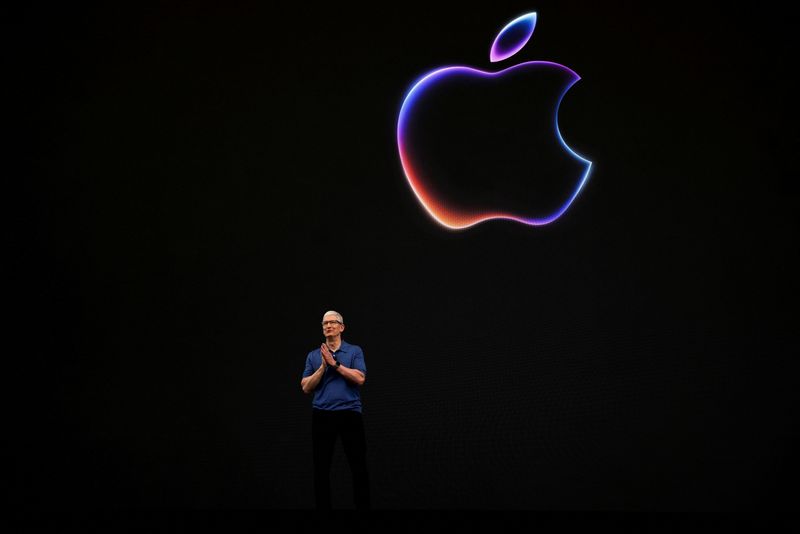
Microsoft Stock Rises 10.4% in May Amid AI Boom

- Stock Performance: Microsoft saw a 10.4% increase in May, significantly outperforming the S&P 500's 5.2% and the Nasdaq Composite's 8.4%, indicating strong market confidence in tech stocks, despite a 14% decline in 2026.
- Earnings Report Highlights: In its late April earnings report, Microsoft reported adjusted earnings per share of $4.27 on revenue of $82.89 billion, surpassing analyst expectations of $4.06 and $81.39 billion, reflecting strong performance in the AI sector.
- Market Reaction: Although the stock initially faced sell-offs post-earnings, it rebounded in May as investors returned, demonstrating confidence in Microsoft's future growth, particularly driven by advancements in AI technology.
- Macroeconomic Impact: As June began, Microsoft’s stock fell approximately 7.5%, primarily due to macroeconomic concerns and a strong jobs report, leading investors to worry about potential Federal Reserve interest rate hikes negatively impacting growth stocks.
See More
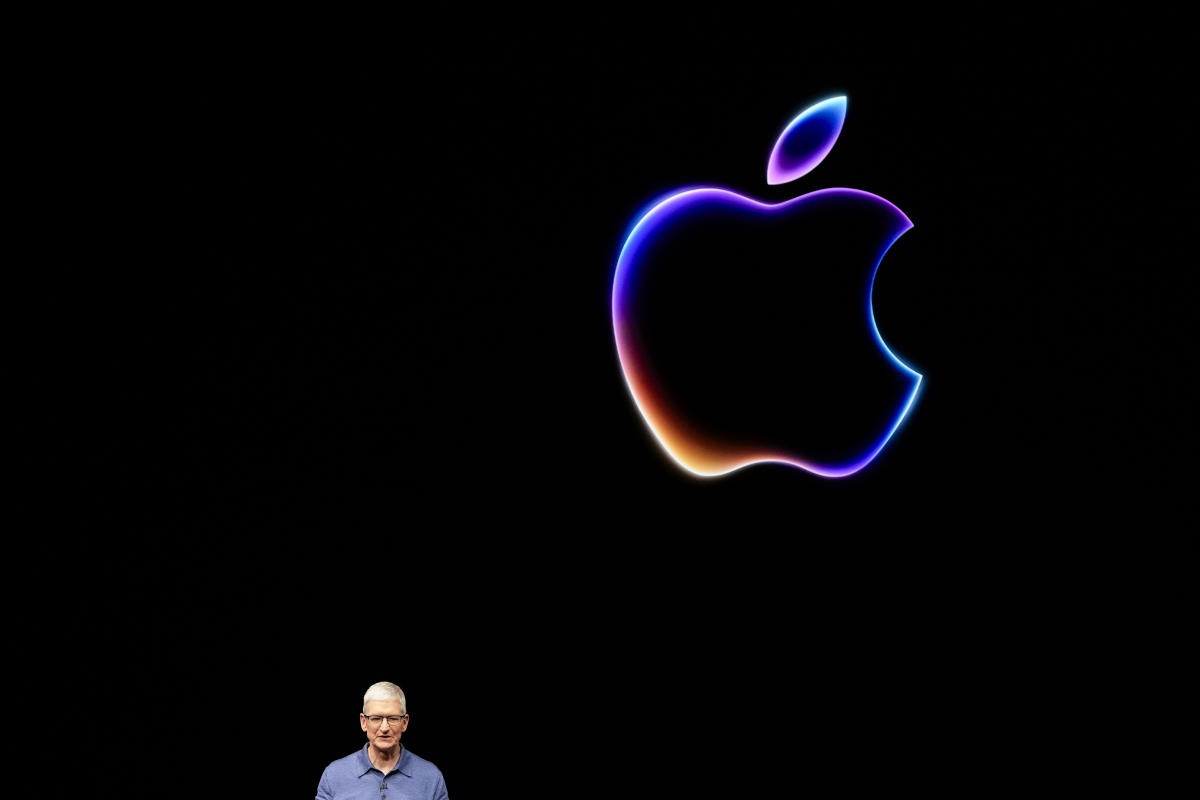
Apple's WWDC 2026 Sparks Stock Fluctuations Amid AI Developments

- Stock Fluctuation: Apple Inc. (AAPL) closed at $301.54 on Monday, down 1.89%, despite an initial surge to $317 during WWDC 2026, indicating investor reactions to the next-gen AI-powered Siri and the new 'Apple Intelligence' platform.
- Surge in Trading Volume: Trading volume reached 76.6 million shares, approximately 68% above the three-month average of 45.9 million shares, reflecting heightened market interest in Apple's AI strategy, although the stock couldn't sustain its gains.
- Market Reaction: Despite the excitement surrounding the WWDC announcements, investor response to the Siri update was lukewarm, potentially leading to a price correction that reflects caution regarding Apple's broader AI strategy.
- Long-Term Growth Potential: Since its IPO in 1980, Apple has seen a staggering 234,836% increase in stock price, and its ecosystem strategy will continue to leverage software as a growth driver, aiming to enhance user engagement with its hardware, despite facing short-term price volatility.
See More

Apple Stock Fluctuates Amid AI Strategy Analysis
- Stock Fluctuation: Apple closed at $301.54 on Monday, down 1.89%, despite reaching $317 earlier due to excitement over WWDC 2026 disclosures, indicating mixed investor sentiment towards new technology announcements.
- Surge in Trading Volume: Trading volume hit 76.6 million shares, 68% above the three-month average, reflecting heightened investor interest in Apple's AI strategy, although this did not translate into sustained price gains.
- AI Strategy Response: The introduction of next-gen AI-powered Siri and the “Apple Intelligence” platform did not generate strong enthusiasm, suggesting that investors may lack confidence in Apple's broader AI strategy and its potential for revenue growth.
- Competitive Market Pressure: In the consumer electronics sector, both Microsoft and HP saw declines in their stock prices, indicating investor caution when evaluating AI product roadmaps, with Apple's dip potentially being a “sell the news” reaction.
See More

Promising Stocks in Quantum Computing Sector


- Quantum Computing Outlook: Bernstein's analyst team believes quantum computing will represent a significant step in computing, driving future technology profits through a tri-processor architecture (CPUs, GPUs, and QPUs), highlighting its strategic importance.
- Investment Opportunities: Rigetti Computing (RGTI) and Infleqtion (INFQ) are identified as having a more attractive risk-reward ratio, with current market share expectations of only 4% and 2% respectively, indicating substantial upside potential if they capture larger market opportunities.
- Rigetti's Growth Potential: Mizuho analysts noted that Rigetti has approximately $590 million in cash and equivalents, and its newly launched 9-qubit Novera QPU could drive technological advancements, with a price target of $33 implying nearly 60% upside from current levels.
- Infleqtion's Partnership Advantage: Infleqtion's collaboration with Nvidia is seen as a key validation of technology, with Citi and BTIG assigning price targets of $20 and $22 respectively, suggesting 37% and 51% upside potential, showcasing its dual advantages in quantum computing and artificial intelligence sectors.
See More

Tech Giants Show Continued Growth Potential Amid Market Cap Milestones

- Nvidia's Market Leadership: Nvidia, with a market cap exceeding $5 trillion, maintains its dominance in AI computing hardware, with projections indicating that data center capital expenditures could surpass $1 trillion by 2027, highlighting significant growth potential.
- Microsoft's Cloud Growth: Microsoft's Azure cloud division achieved a 40% revenue growth in the latest quarter, while its AI business surpassed $37 billion in annual recurring revenue, growing at a remarkable 123%, making it a solid investment despite a 15% decline from its all-time high.
- Amazon's Cloud Expansion: Amazon plans to invest $200 billion in capital expenditures this year, primarily for data center construction, with AWS revenue rising 28% year-over-year in Q1, and expected further growth as new facilities come online, enhancing overall profitability.
- Meta's AI Investments: Meta's investments in AI and smart glasses could yield multi-billion dollar products, and despite uncertainties, its social media business remains robust, with a 33% revenue growth in Q1, demonstrating its ongoing market competitiveness.
See More
Nvidia Expects Surge in Data Center Spending
- Data Center Spending Surge: Nvidia anticipates that data center spending will exceed $1 trillion in 2027, reflecting robust demand for AI computing hardware, with a projected 40% growth next year, further solidifying its market leadership.
- Microsoft Cloud Performance: Microsoft's Azure cloud division achieved a 40% revenue growth in the latest quarter, with its AI business exceeding $37 billion in annual recurring revenue and growing at a 123% pace; despite a 15% drop from its all-time high, it remains a strong investment prospect.
- Amazon AWS Momentum: Amazon's AWS cloud segment reported a 28% year-over-year growth in Q1, and with a planned $200 billion capital expenditure to enhance data center capabilities, it is expected to drive significant overall profit growth, making it a compelling stock to buy.
- Meta's AI Investment: Meta, while achieving a 33% growth in social media ad revenue, is investing billions in smart glasses that could integrate AI with user perspectives, potentially creating a multibillion-dollar product, although its core social media business continues to perform strongly.
See More
Microsoft Stock Rises 10.4% in May Amid AI Boom
- Stock Performance: Microsoft saw a 10.4% increase in May, significantly outperforming the S&P 500's 5.2% and the Nasdaq Composite's 8.4%, indicating strong market confidence in tech stocks, despite a 14% decline in 2026.
- Earnings Report Highlights: In its late April earnings report, Microsoft reported adjusted earnings per share of $4.27 on revenue of $82.89 billion, surpassing analyst expectations of $4.06 and $81.39 billion, reflecting strong performance in the AI sector.
- Market Reaction: Although the stock initially faced sell-offs post-earnings, it rebounded in May as investors returned, demonstrating confidence in Microsoft's future growth, particularly driven by advancements in AI technology.
- Macroeconomic Impact: As June began, Microsoft’s stock fell approximately 7.5%, primarily due to macroeconomic concerns and a strong jobs report, leading investors to worry about potential Federal Reserve interest rate hikes negatively impacting growth stocks.
See More
Apple's WWDC 2026 Sparks Stock Fluctuations Amid AI Developments
- Stock Fluctuation: Apple Inc. (AAPL) closed at $301.54 on Monday, down 1.89%, despite an initial surge to $317 during WWDC 2026, indicating investor reactions to the next-gen AI-powered Siri and the new 'Apple Intelligence' platform.
- Surge in Trading Volume: Trading volume reached 76.6 million shares, approximately 68% above the three-month average of 45.9 million shares, reflecting heightened market interest in Apple's AI strategy, although the stock couldn't sustain its gains.
- Market Reaction: Despite the excitement surrounding the WWDC announcements, investor response to the Siri update was lukewarm, potentially leading to a price correction that reflects caution regarding Apple's broader AI strategy.
- Long-Term Growth Potential: Since its IPO in 1980, Apple has seen a staggering 234,836% increase in stock price, and its ecosystem strategy will continue to leverage software as a growth driver, aiming to enhance user engagement with its hardware, despite facing short-term price volatility.
See More
Apple Stock Fluctuates Amid AI Strategy Analysis
- Stock Fluctuation: Apple closed at $301.54 on Monday, down 1.89%, despite reaching $317 earlier due to excitement over WWDC 2026 disclosures, indicating mixed investor sentiment towards new technology announcements.
- Surge in Trading Volume: Trading volume hit 76.6 million shares, 68% above the three-month average, reflecting heightened investor interest in Apple's AI strategy, although this did not translate into sustained price gains.
- AI Strategy Response: The introduction of next-gen AI-powered Siri and the “Apple Intelligence” platform did not generate strong enthusiasm, suggesting that investors may lack confidence in Apple's broader AI strategy and its potential for revenue growth.
- Competitive Market Pressure: In the consumer electronics sector, both Microsoft and HP saw declines in their stock prices, indicating investor caution when evaluating AI product roadmaps, with Apple's dip potentially being a “sell the news” reaction.
See More
Promising Stocks in Quantum Computing Sector
- Quantum Computing Outlook: Bernstein's analyst team believes quantum computing will represent a significant step in computing, driving future technology profits through a tri-processor architecture (CPUs, GPUs, and QPUs), highlighting its strategic importance.
- Investment Opportunities: Rigetti Computing (RGTI) and Infleqtion (INFQ) are identified as having a more attractive risk-reward ratio, with current market share expectations of only 4% and 2% respectively, indicating substantial upside potential if they capture larger market opportunities.
- Rigetti's Growth Potential: Mizuho analysts noted that Rigetti has approximately $590 million in cash and equivalents, and its newly launched 9-qubit Novera QPU could drive technological advancements, with a price target of $33 implying nearly 60% upside from current levels.
- Infleqtion's Partnership Advantage: Infleqtion's collaboration with Nvidia is seen as a key validation of technology, with Citi and BTIG assigning price targets of $20 and $22 respectively, suggesting 37% and 51% upside potential, showcasing its dual advantages in quantum computing and artificial intelligence sectors.
See More
Tech Giants Show Continued Growth Potential Amid Market Cap Milestones
- Nvidia's Market Leadership: Nvidia, with a market cap exceeding $5 trillion, maintains its dominance in AI computing hardware, with projections indicating that data center capital expenditures could surpass $1 trillion by 2027, highlighting significant growth potential.
- Microsoft's Cloud Growth: Microsoft's Azure cloud division achieved a 40% revenue growth in the latest quarter, while its AI business surpassed $37 billion in annual recurring revenue, growing at a remarkable 123%, making it a solid investment despite a 15% decline from its all-time high.
- Amazon's Cloud Expansion: Amazon plans to invest $200 billion in capital expenditures this year, primarily for data center construction, with AWS revenue rising 28% year-over-year in Q1, and expected further growth as new facilities come online, enhancing overall profitability.
- Meta's AI Investments: Meta's investments in AI and smart glasses could yield multi-billion dollar products, and despite uncertainties, its social media business remains robust, with a 33% revenue growth in Q1, demonstrating its ongoing market competitiveness.
See More
Nvidia Expects Surge in Data Center Spending
- Data Center Spending Surge: Nvidia anticipates that data center spending will exceed $1 trillion in 2027, reflecting robust demand for AI computing hardware, with a projected 40% growth next year, further solidifying its market leadership.
- Microsoft Cloud Performance: Microsoft's Azure cloud division achieved a 40% revenue growth in the latest quarter, with its AI business exceeding $37 billion in annual recurring revenue and growing at a 123% pace; despite a 15% drop from its all-time high, it remains a strong investment prospect.
- Amazon AWS Momentum: Amazon's AWS cloud segment reported a 28% year-over-year growth in Q1, and with a planned $200 billion capital expenditure to enhance data center capabilities, it is expected to drive significant overall profit growth, making it a compelling stock to buy.
- Meta's AI Investment: Meta, while achieving a 33% growth in social media ad revenue, is investing billions in smart glasses that could integrate AI with user perspectives, potentially creating a multibillion-dollar product, although its core social media business continues to perform strongly.
See More