Microsoft Shares Experience Worst Six-Month Period Since 2009
Written by Emily J. Thompson, Senior Investment Analyst
Updated: 2 days ago
0mins

Should l Buy MSFT?
Source: Barron's
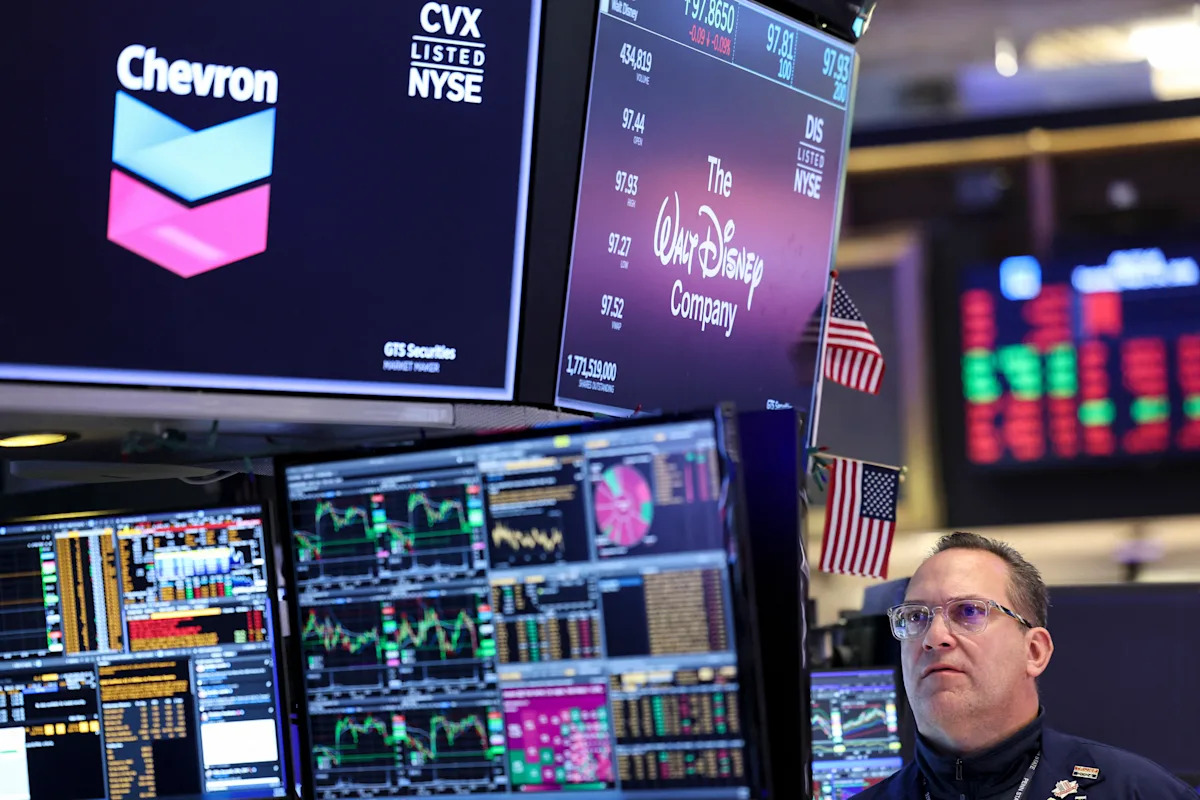
- Stock Performance: Microsoft stock is experiencing its worst six-month performance since 2009.
- Year Start: The company is facing its worst start to a year ever.
Trade with 70% Backtested Accuracy
Stop guessing "Should I Buy MSFT?" and start using high-conviction signals backed by rigorous historical data.
Sign up today to access powerful investing tools and make smarter, data-driven decisions.
Analyst Views on MSFT
Wall Street analysts forecast MSFT stock price to rise
34 Analyst Rating
32 Buy
2 Hold
0 Sell
Strong Buy
Current: 365.970

Low
500.00
Averages
631.36
High
678.00
Current: 365.970
Low
500.00
Averages
631.36
High
678.00
About MSFT
Microsoft Corporation is a technology company that develops and supports software, services, devices, and solutions. Its Productivity and Business Processes segment consists of products and services in its portfolio of productivity, communication, and information services, spanning a variety of devices and platforms. It comprises Microsoft 365 Commercial products and cloud services; Microsoft 365 Consumer products and cloud services; LinkedIn, and Dynamics products and cloud services. The Intelligent Cloud segment consists of its public, private, and hybrid server products and cloud services. It comprises server products and cloud services, including Azure, and enterprise and partner services, including Enterprise Support Services. Its More Personal Computing segment primarily comprises Windows and Devices, including Windows OEM licensing; Gaming, including Xbox hardware and Xbox content; Search and news advertising, comprising Bing and Copilot, Microsoft News, and Microsoft Edge.
About the author

Emily J. Thompson
Emily J. Thompson, a Chartered Financial Analyst (CFA) with 12 years in investment research, graduated with honors from the Wharton School. Specializing in industrial and technology stocks, she provides in-depth analysis for Intellectia’s earnings and market brief reports.
ISARA REVEALS $650 MILLION VALUATION WITH OPENAI SUPPORT - WSJ

- OpenAI's Valuation: OpenAI has achieved a valuation of $650 million, as reported by ISARA.
- Investment Backing: The valuation reflects significant backing and investment in the company, indicating strong market confidence.
See More
The Magnificent Seven Shows Signs of Fatigue

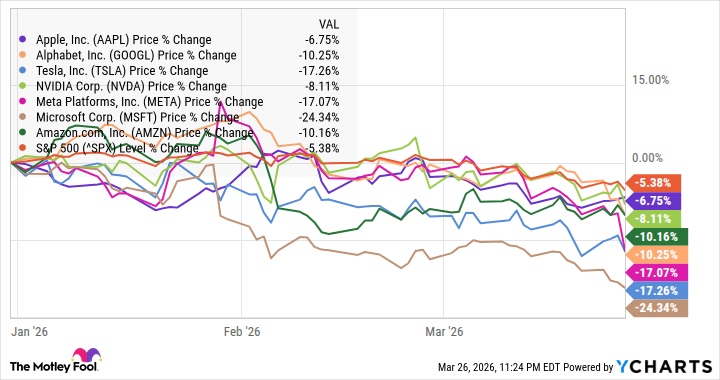
- Market Weakness: In 2026, all seven tech stocks, including Apple, Microsoft, and Amazon, have declined, underperforming the S&P 500, indicating investor concerns about AI spending and market outlook.
- Surging Capital Expenditures: The top four hyperscalers are projected to spend nearly $700 billion on AI infrastructure, a massive investment that will take years to recoup, leading to skepticism about future returns among investors.
- Small-Cap Recovery: In contrast to the Magnificent Seven, the Invesco S&P SmallCap Information Technology ETF has risen by 6%, suggesting that investors are rotating into small caps, reflecting a demand for diversified investments.
- Nvidia's Positive Outlook: Despite the overall market downturn, Nvidia's adjusted earnings per share are expected to grow from $4.77 to $8.29, with a forward P/E below 21, indicating strong growth potential in the AI sector.
See More

Nvidia, Nebius, and Microsoft Stock Outlook
- Nvidia Growth Potential: Despite Nvidia's stock lagging behind its business performance, its Q4 FY2026 revenue surged 73% year-over-year, with a projected 77% growth for Q1 FY2027, indicating strong market demand and sustained sales growth, affirming its leadership in the AI computing sector.
- Nebius Investment Outlook: Nvidia's investment in Nebius reflects confidence in its future, with Nebius expected to grow its annual revenue from $1.25 billion in 2025 to between $7 billion and $9 billion by the end of 2026, showcasing rapid expansion potential in the AI data center market.
- Microsoft Stock Decline: Despite Microsoft achieving a 17% revenue increase and a 60% rise in earnings per share in Q2 FY2026, its stock has dropped 24%, currently trading at a low P/E ratio not seen in a decade, reflecting market concerns about its future performance.
- Analyst Price Targets: Wall Street analysts set Nvidia's 12-month price target at $270, suggesting a 57% upside from the current $175, while Microsoft's target is $595, indicating a 55% potential increase, demonstrating a generally optimistic outlook for both stocks.
See More

Wall Street Analysts Bullish on Nvidia and Nebius
- Nvidia Growth Momentum: Nvidia's revenue surged 73% year-over-year in Q4 of fiscal 2026, with management forecasting a 77% growth for Q1 of fiscal 2027, demonstrating its ability to maintain rapid growth amidst insatiable demand for AI computing units, despite being the largest company by market cap.
- Price Target Analysis: The average 12-month price target for Nvidia is approximately $270, while its current trading price is $175, indicating a potential upside of about 57%, thus making it a no-brainer buy, reflecting the market's optimistic outlook on its future performance.
- Nebius Investment Potential: Nebius, which Nvidia has invested in, has a market cap of nearly $30 billion and is expected to increase its annual run rate from $1.25 billion to between $7 billion and $9 billion by the end of 2026, showcasing its rapid expansion potential in the AI data center market as a go-to partner for several hyperscalers.
- Microsoft's Market Opportunity: Despite a 24% decline in Microsoft's stock price at the start of 2026, its Q2 fiscal 2026 revenue rose 17% year-over-year with a 60% increase in earnings per share, and analysts have set an average price target of $595, 55% above current levels, indicating that investors should seize this buying opportunity given the current low P/E ratio.
See More

US Stocks Plunge as Oil Prices Surge Amid Iran Conflict


- Market Decline: The S&P 500 index fell by 1.67%, marking a 7-month low, while the Nasdaq 100 and Dow Jones Industrial Average dropped by 1.93% and 1.73%, respectively, indicating heightened concerns over economic slowdown.
- Oil Price Surge: WTI crude oil prices surged over 5% due to fears surrounding the Iran conflict, which not only exacerbates inflation expectations but may also compel the Federal Reserve to tighten monetary policy, impacting overall economic growth.
- Consumer Sentiment Drop: The University of Michigan's consumer sentiment index was revised down to 53.3 from 55.5, below the expected 54.0, reflecting a pessimistic outlook among consumers regarding future economic conditions, potentially suppressing consumer spending.
- Escalating US-China Trade Tensions: China launched investigations into US trade practices targeting restrictions on Chinese goods, which could further disrupt global supply chains and increase market uncertainty.
See More

Three Strong AI Stock Investment Opportunities

- AWS Growth Surge: Amazon's AWS segment saw a 24% year-over-year sales increase in Q4, becoming the company's most significant profit driver, contributing 50% of operating income, indicating strong growth potential in the AI sector.
- Microsoft Azure Performance: Microsoft's Azure revenue rose 39% year-over-year, with a backlog of $625 billion, reflecting massive demand for AI computing power; despite a 30% drop from its all-time high, now is an excellent time to invest.
- Nvidia's Strong Growth: Nvidia reported a 73% revenue growth in Q4 and expects a 77% increase in Q1, with its full-stack accelerated computing solutions widely deployed in data centers, demonstrating sustained demand for AI hardware.
- Optimistic AI Spending Outlook: Despite market concerns over AI spending, ongoing investments from companies like Microsoft and Amazon suggest that AI expenditures will remain high in the coming years, presenting a valuable opportunity for investors.
See More
ISARA REVEALS $650 MILLION VALUATION WITH OPENAI SUPPORT - WSJ
- OpenAI's Valuation: OpenAI has achieved a valuation of $650 million, as reported by ISARA.
- Investment Backing: The valuation reflects significant backing and investment in the company, indicating strong market confidence.
See More
The Magnificent Seven Shows Signs of Fatigue
- Market Weakness: In 2026, all seven tech stocks, including Apple, Microsoft, and Amazon, have declined, underperforming the S&P 500, indicating investor concerns about AI spending and market outlook.
- Surging Capital Expenditures: The top four hyperscalers are projected to spend nearly $700 billion on AI infrastructure, a massive investment that will take years to recoup, leading to skepticism about future returns among investors.
- Small-Cap Recovery: In contrast to the Magnificent Seven, the Invesco S&P SmallCap Information Technology ETF has risen by 6%, suggesting that investors are rotating into small caps, reflecting a demand for diversified investments.
- Nvidia's Positive Outlook: Despite the overall market downturn, Nvidia's adjusted earnings per share are expected to grow from $4.77 to $8.29, with a forward P/E below 21, indicating strong growth potential in the AI sector.
See More
Nvidia, Nebius, and Microsoft Stock Outlook
- Nvidia Growth Potential: Despite Nvidia's stock lagging behind its business performance, its Q4 FY2026 revenue surged 73% year-over-year, with a projected 77% growth for Q1 FY2027, indicating strong market demand and sustained sales growth, affirming its leadership in the AI computing sector.
- Nebius Investment Outlook: Nvidia's investment in Nebius reflects confidence in its future, with Nebius expected to grow its annual revenue from $1.25 billion in 2025 to between $7 billion and $9 billion by the end of 2026, showcasing rapid expansion potential in the AI data center market.
- Microsoft Stock Decline: Despite Microsoft achieving a 17% revenue increase and a 60% rise in earnings per share in Q2 FY2026, its stock has dropped 24%, currently trading at a low P/E ratio not seen in a decade, reflecting market concerns about its future performance.
- Analyst Price Targets: Wall Street analysts set Nvidia's 12-month price target at $270, suggesting a 57% upside from the current $175, while Microsoft's target is $595, indicating a 55% potential increase, demonstrating a generally optimistic outlook for both stocks.
See More
Wall Street Analysts Bullish on Nvidia and Nebius
- Nvidia Growth Momentum: Nvidia's revenue surged 73% year-over-year in Q4 of fiscal 2026, with management forecasting a 77% growth for Q1 of fiscal 2027, demonstrating its ability to maintain rapid growth amidst insatiable demand for AI computing units, despite being the largest company by market cap.
- Price Target Analysis: The average 12-month price target for Nvidia is approximately $270, while its current trading price is $175, indicating a potential upside of about 57%, thus making it a no-brainer buy, reflecting the market's optimistic outlook on its future performance.
- Nebius Investment Potential: Nebius, which Nvidia has invested in, has a market cap of nearly $30 billion and is expected to increase its annual run rate from $1.25 billion to between $7 billion and $9 billion by the end of 2026, showcasing its rapid expansion potential in the AI data center market as a go-to partner for several hyperscalers.
- Microsoft's Market Opportunity: Despite a 24% decline in Microsoft's stock price at the start of 2026, its Q2 fiscal 2026 revenue rose 17% year-over-year with a 60% increase in earnings per share, and analysts have set an average price target of $595, 55% above current levels, indicating that investors should seize this buying opportunity given the current low P/E ratio.
See More
US Stocks Plunge as Oil Prices Surge Amid Iran Conflict
- Market Decline: The S&P 500 index fell by 1.67%, marking a 7-month low, while the Nasdaq 100 and Dow Jones Industrial Average dropped by 1.93% and 1.73%, respectively, indicating heightened concerns over economic slowdown.
- Oil Price Surge: WTI crude oil prices surged over 5% due to fears surrounding the Iran conflict, which not only exacerbates inflation expectations but may also compel the Federal Reserve to tighten monetary policy, impacting overall economic growth.
- Consumer Sentiment Drop: The University of Michigan's consumer sentiment index was revised down to 53.3 from 55.5, below the expected 54.0, reflecting a pessimistic outlook among consumers regarding future economic conditions, potentially suppressing consumer spending.
- Escalating US-China Trade Tensions: China launched investigations into US trade practices targeting restrictions on Chinese goods, which could further disrupt global supply chains and increase market uncertainty.
See More
Three Strong AI Stock Investment Opportunities
- AWS Growth Surge: Amazon's AWS segment saw a 24% year-over-year sales increase in Q4, becoming the company's most significant profit driver, contributing 50% of operating income, indicating strong growth potential in the AI sector.
- Microsoft Azure Performance: Microsoft's Azure revenue rose 39% year-over-year, with a backlog of $625 billion, reflecting massive demand for AI computing power; despite a 30% drop from its all-time high, now is an excellent time to invest.
- Nvidia's Strong Growth: Nvidia reported a 73% revenue growth in Q4 and expects a 77% increase in Q1, with its full-stack accelerated computing solutions widely deployed in data centers, demonstrating sustained demand for AI hardware.
- Optimistic AI Spending Outlook: Despite market concerns over AI spending, ongoing investments from companies like Microsoft and Amazon suggest that AI expenditures will remain high in the coming years, presenting a valuable opportunity for investors.
See More