Microsoft Raises Xbox Console Prices Amid Component Crisis
Written by Emily J. Thompson, Senior Investment Analyst
Updated: 56 minutes ago
0mins

Source: Newsfilter
- Price Increase: Microsoft announced that starting August 1, the price of the Xbox Series S with 512GB will rise by $100 to approximately $500, while the 1TB model will increase by $150, reflecting rising component costs that put additional pressure on consumers.
- Component Crisis: The consumer electronics industry is facing a component crisis due to surging demand from AI chipmakers, resulting in memory prices increasing by over 2.5 times, with expectations of another doubling by fall 2027, intensifying market competition.
- Industry Impact: Following Apple's price hikes for MacBooks and iPads, Microsoft is also forced to raise Xbox console prices, highlighting the widespread cost pressures in the consumer electronics sector, particularly as game consoles are typically sold at a loss, affecting profit margins.
- Market Reaction: Microsoft's shares fell nearly 4% on Thursday, reflecting investor concerns about the company's future profitability, while Apple's stock also dropped 5%, indicating a pessimistic sentiment regarding the overall outlook for the consumer electronics industry.
Trade with 70% Backtested Accuracy
Stop guessing "Should I Buy AAPL?" and start using high-conviction signals backed by rigorous historical data.
Sign up today to access powerful investing tools and make smarter, data-driven decisions.
Analyst Views on AAPL
Wall Street analysts forecast AAPL stock price to rise
27 Analyst Rating
17 Buy
9 Hold
1 Sell
Moderate Buy
Current: 293.080

Low
239.00
Averages
306.89
High
350.00
Current: 293.080
Low
239.00
Averages
306.89
High
350.00
About AAPL
Apple Inc. designs, manufactures and markets smartphones, personal computers, tablets, wearables and accessories, and sells a variety of related services. Its product categories include iPhone, Mac, iPad, Wearables, Home and Accessories. Its services include advertising, AppleCare, cloud services, digital content, and payment services. The Company operates various platforms, including the App Store, that allow customers to discover and download applications and digital content, such as books, music, video, games and podcasts. It also offers digital content through subscription-based services, including Apple Arcade, Apple Fitness+, Apple Music, Apple News+, and Apple TV+. Its wearables include smartwatches, wireless headphones, and spatial computers. Its products include iPhone 16 Pro, iPhone 16, iPhone 15, iPhone 14, iPhone SE, MacBook Air, MacBook Pro, iMac, Mac mini, Mac Studio, Mac Pro, iPad Pro, iPad Air, AirPods, AirPods Pro, AirPods Max, Apple TV, Apple Vision Pro and others.
About the author

Emily J. Thompson
Emily J. Thompson, a Chartered Financial Analyst (CFA) with 12 years in investment research, graduated with honors from the Wharton School. Specializing in industrial and technology stocks, she provides in-depth analysis for Intellectia’s earnings and market brief reports.
Apple's App Store Revenue Growth Slows

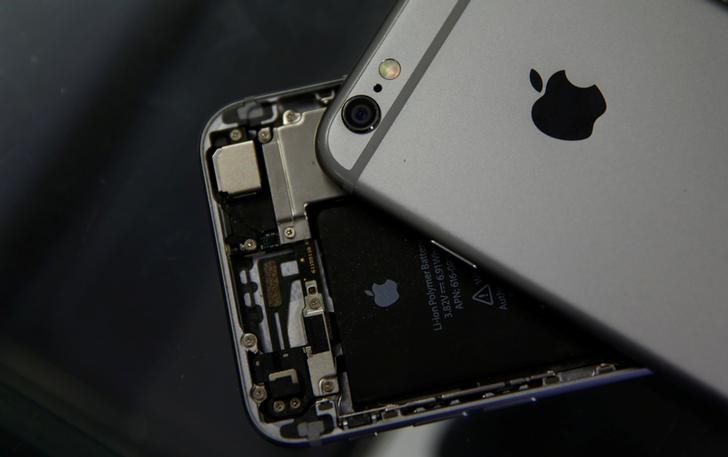
- App Store Revenue Growth: According to Morgan Stanley's data, Apple's App Store net revenue growth is at 2.4% year-over-year as of June 22, reflecting an 80bps deceleration from May, which could lead to a downward adjustment of approximately $130 million in Services revenue growth expectations.
- Services Segment Performance: Despite the slowdown in App Store growth, Apple's overall Services segment remains robust, with revenue growth rates sustained at 14-16% over the past three quarters, significantly exceeding the long-term expectation of 11-14%, indicating strong demand for services like iCloud and AppleCare.
- iPhone Production Forecast: Morgan Stanley forecasts 54 million iPhone builds in Q3 2026, suggesting flat or slightly declining production year-over-year for the second half of 2026, which aligns with expectations following a 12% increase in the first half of the year.
- iPhone 18 Pricing Strategy: The iPhone 18 family is expected to be priced about $100 higher than the iPhone 17, which Morgan Stanley believes may impact consumer demand but could also boost Apple's overall earnings in the short term.
See More
Apple Raises Device Prices Due to Memory Shortage
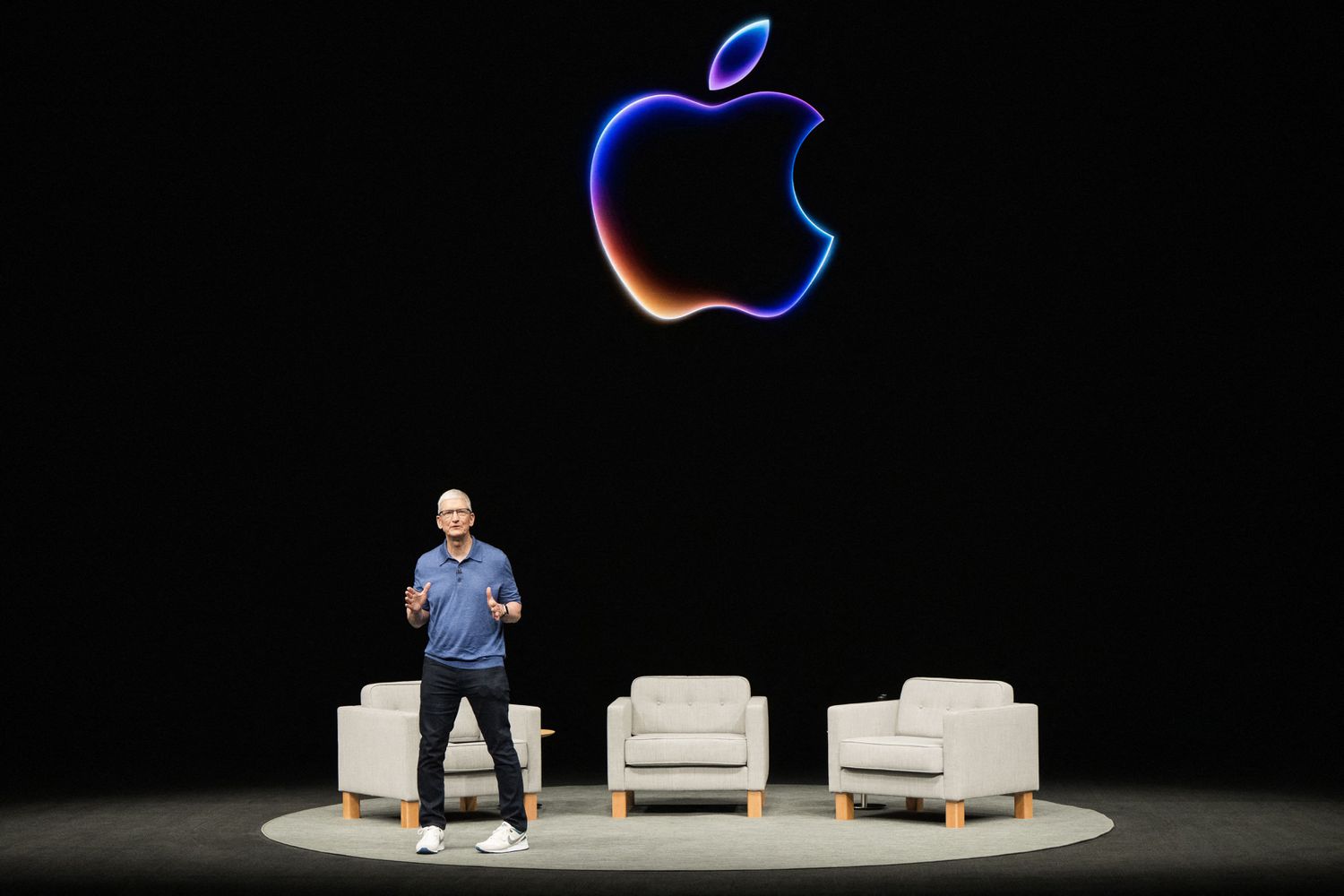
- Price Increases: Apple has raised the starting price of the MacBook Neo from $599 to $699 and the iPad Pro from $999 to $1,199, indicating significant cost pressures due to memory shortages that may affect consumer purchasing decisions.
- Multiple Product Adjustments: In addition to the MacBook Neo and iPad Pro, prices for the iPad Air, MacBook Pro, HomePod, HomePod mini, and Apple TV have also increased, reflecting Apple's struggle to cope with surging demand for memory and storage chips amid ongoing supply constraints.
- Market Reaction: Apple's shares fell 0.7% in premarket trading, indicating investor concerns over the price hikes, especially with the expectation that the upcoming iPhone lineup may also see price increases, leading to cautious market sentiment.
- CEO Statement: CEO Tim Cook stated in an interview that despite efforts to mitigate cost pressures, price increases have become unavoidable due to memory shortages, which could impact the company's long-term profitability.
See More

Apple's Buyback Program Reaches New Heights
- Net Income Margin: Apple's reported net income margin for Q2 of fiscal 2026 reached an impressive 26.6%, driven by strong pricing power and brand loyalty, which significantly enhances shareholder returns.
- Massive Buyback Scale: Since initiating its capital return program in 2012, Apple has repurchased $851 billion worth of shares, a figure that surpasses the market capitalizations of all but 18 publicly traded companies, showcasing its robust capital management capabilities.
- Increased Buyback Authorization: On April 30, Apple added $100 billion to its stock buyback capacity, complementing the remaining $64 billion from its previous authorization, which will soon push its total buybacks close to $1 trillion, further boosting investor confidence.
- Earnings Per Share Growth: Over the past decade, Apple's diluted EPS has grown at a compound annual rate of 15.5%, while the diluted share count has decreased by about 33%, indicating that buybacks have positively impacted EPS growth.
See More
Micron's Earnings Surge Drives Apple Price Hikes

- Micron's Earnings Explosion: Micron Technology reported Q3 revenues that more than quadrupled year-over-year, with earnings soaring from $1.91 to $25.11 per share, reflecting strong market demand and limited supply, which is expected to drive further stock price increases.
- Apple's Price Hike: In response to rising memory costs, Apple announced price increases across its MacBook and iPad lines, with the Neo laptop's price rising from $599 to $699, a 17% increase that may negatively impact its sales and market share.
- Market Dynamics Impact: Micron's stock surge resulted in a $233 billion increase in its market cap overnight, while Apple faced a $212 billion loss in market value, illustrating the widespread impact of memory market supply-demand imbalances on tech stocks.
- Index Reconstitution Effects: With Micron and SanDisk being added to the Russell 1000 Growth index, an estimated $150 billion in automated trading is expected, further influencing market liquidity and investor sentiment.
See More

Apple Expands Share Buyback Program Significantly
- Strong Profitability: Apple's reported net income margin of 26.6% in Q2 FY2026 highlights its robust pricing power and brand loyalty, driving bottom-line performance and enhancing investor confidence in its stock.
- Massive Buyback Scale: Since initiating its capital return program in 2012, Apple has repurchased $851 billion worth of shares, with expectations to soon surpass $1 trillion in cumulative buybacks, a figure that exceeds the market capitalizations of 18 public companies.
- Earnings Per Share Growth: Over the past decade, Apple's diluted EPS has risen at a compound annual growth rate of 15.5%, while the diluted share count has shrunk by about 33%, providing strong support for EPS and enhancing investor return expectations.
- Outstanding Stock Performance: As of June 2023, Apple's stock price has soared 1,140% over the past ten years, a performance partly attributed to the company's leadership in capital allocation, even though analysts did not include it in the current list of top investment stocks.
See More
Xbox Raises Console Prices by $150 Amid Component Crisis
- Global Price Increase: Microsoft announced that starting August 1, Xbox console prices will rise by $100 to $150 for the 512GB and 1TB models, reflecting the soaring storage and memory costs due to a global component crisis.
- Escalating Cost Pressures: Xbox stated that storage and memory prices have increased by over 2.5 times, with expectations of another doubling by fall 2027, severely impacting the hardware supply chain in the gaming sector.
- Intense Market Competition: Xbox raised console prices twice last year to cope with tariff-induced cost pressures, strong competition, and uncertain consumer spending, indicating an escalating price war within the industry.
- Layoffs and Budget Cuts: According to Bloomberg News, Xbox plans significant layoffs next month and substantial cuts to marketing and other budgets to address ongoing cost challenges and changing market conditions.
See More
Apple's App Store Revenue Growth Slows
- App Store Revenue Growth: According to Morgan Stanley's data, Apple's App Store net revenue growth is at 2.4% year-over-year as of June 22, reflecting an 80bps deceleration from May, which could lead to a downward adjustment of approximately $130 million in Services revenue growth expectations.
- Services Segment Performance: Despite the slowdown in App Store growth, Apple's overall Services segment remains robust, with revenue growth rates sustained at 14-16% over the past three quarters, significantly exceeding the long-term expectation of 11-14%, indicating strong demand for services like iCloud and AppleCare.
- iPhone Production Forecast: Morgan Stanley forecasts 54 million iPhone builds in Q3 2026, suggesting flat or slightly declining production year-over-year for the second half of 2026, which aligns with expectations following a 12% increase in the first half of the year.
- iPhone 18 Pricing Strategy: The iPhone 18 family is expected to be priced about $100 higher than the iPhone 17, which Morgan Stanley believes may impact consumer demand but could also boost Apple's overall earnings in the short term.
See More
Apple Raises Device Prices Due to Memory Shortage
- Price Increases: Apple has raised the starting price of the MacBook Neo from $599 to $699 and the iPad Pro from $999 to $1,199, indicating significant cost pressures due to memory shortages that may affect consumer purchasing decisions.
- Multiple Product Adjustments: In addition to the MacBook Neo and iPad Pro, prices for the iPad Air, MacBook Pro, HomePod, HomePod mini, and Apple TV have also increased, reflecting Apple's struggle to cope with surging demand for memory and storage chips amid ongoing supply constraints.
- Market Reaction: Apple's shares fell 0.7% in premarket trading, indicating investor concerns over the price hikes, especially with the expectation that the upcoming iPhone lineup may also see price increases, leading to cautious market sentiment.
- CEO Statement: CEO Tim Cook stated in an interview that despite efforts to mitigate cost pressures, price increases have become unavoidable due to memory shortages, which could impact the company's long-term profitability.
See More
Apple's Buyback Program Reaches New Heights
- Net Income Margin: Apple's reported net income margin for Q2 of fiscal 2026 reached an impressive 26.6%, driven by strong pricing power and brand loyalty, which significantly enhances shareholder returns.
- Massive Buyback Scale: Since initiating its capital return program in 2012, Apple has repurchased $851 billion worth of shares, a figure that surpasses the market capitalizations of all but 18 publicly traded companies, showcasing its robust capital management capabilities.
- Increased Buyback Authorization: On April 30, Apple added $100 billion to its stock buyback capacity, complementing the remaining $64 billion from its previous authorization, which will soon push its total buybacks close to $1 trillion, further boosting investor confidence.
- Earnings Per Share Growth: Over the past decade, Apple's diluted EPS has grown at a compound annual rate of 15.5%, while the diluted share count has decreased by about 33%, indicating that buybacks have positively impacted EPS growth.
See More
Micron's Earnings Surge Drives Apple Price Hikes
- Micron's Earnings Explosion: Micron Technology reported Q3 revenues that more than quadrupled year-over-year, with earnings soaring from $1.91 to $25.11 per share, reflecting strong market demand and limited supply, which is expected to drive further stock price increases.
- Apple's Price Hike: In response to rising memory costs, Apple announced price increases across its MacBook and iPad lines, with the Neo laptop's price rising from $599 to $699, a 17% increase that may negatively impact its sales and market share.
- Market Dynamics Impact: Micron's stock surge resulted in a $233 billion increase in its market cap overnight, while Apple faced a $212 billion loss in market value, illustrating the widespread impact of memory market supply-demand imbalances on tech stocks.
- Index Reconstitution Effects: With Micron and SanDisk being added to the Russell 1000 Growth index, an estimated $150 billion in automated trading is expected, further influencing market liquidity and investor sentiment.
See More
Apple Expands Share Buyback Program Significantly
- Strong Profitability: Apple's reported net income margin of 26.6% in Q2 FY2026 highlights its robust pricing power and brand loyalty, driving bottom-line performance and enhancing investor confidence in its stock.
- Massive Buyback Scale: Since initiating its capital return program in 2012, Apple has repurchased $851 billion worth of shares, with expectations to soon surpass $1 trillion in cumulative buybacks, a figure that exceeds the market capitalizations of 18 public companies.
- Earnings Per Share Growth: Over the past decade, Apple's diluted EPS has risen at a compound annual growth rate of 15.5%, while the diluted share count has shrunk by about 33%, providing strong support for EPS and enhancing investor return expectations.
- Outstanding Stock Performance: As of June 2023, Apple's stock price has soared 1,140% over the past ten years, a performance partly attributed to the company's leadership in capital allocation, even though analysts did not include it in the current list of top investment stocks.
See More
Xbox Raises Console Prices by $150 Amid Component Crisis
- Global Price Increase: Microsoft announced that starting August 1, Xbox console prices will rise by $100 to $150 for the 512GB and 1TB models, reflecting the soaring storage and memory costs due to a global component crisis.
- Escalating Cost Pressures: Xbox stated that storage and memory prices have increased by over 2.5 times, with expectations of another doubling by fall 2027, severely impacting the hardware supply chain in the gaming sector.
- Intense Market Competition: Xbox raised console prices twice last year to cope with tariff-induced cost pressures, strong competition, and uncertain consumer spending, indicating an escalating price war within the industry.
- Layoffs and Budget Cuts: According to Bloomberg News, Xbox plans significant layoffs next month and substantial cuts to marketing and other budgets to address ongoing cost challenges and changing market conditions.
See More