Boeing Secures $2 Billion Satellite Development Contract for U.S. Space Force
Written by Emily J. Thompson, Senior Investment Analyst
Updated: 1 hour ago
0mins
Source: seekingalpha
- Significant Contract Value: Boeing has been awarded a contract by the U.S. Space Force valued at up to $2 billion for the development of two narrowband communication satellites, reflecting increased government spending on military communications and space infrastructure.
- Clear Delivery Timeline: The first satellite is scheduled for delivery in 2031, providing a clear timeline that supports Boeing's ongoing growth in the defense and space sectors.
- Notable Technical Advantages: The new satellites will be built on Boeing's 702MP satellite platform, leveraging existing production lines to reduce execution risk while enhancing communication capabilities for military users, thereby reinforcing the company's strategic position in the defense market.
- Strong Market Demand: The MUOS system provides secure voice and low-bandwidth data communications for U.S. military personnel, particularly in remote areas or environments where other communication networks may be unreliable, highlighting Boeing's critical role in meeting military communication needs.
Trade with 70% Backtested Accuracy
Stop guessing "Should I Buy BA?" and start using high-conviction signals backed by rigorous historical data.
Sign up today to access powerful investing tools and make smarter, data-driven decisions.
Analyst Views on BA
Wall Street analysts forecast BA stock price to rise
16 Analyst Rating
14 Buy
1 Hold
1 Sell
Strong Buy
Current: 220.250

Low
150.00
Averages
269.14
High
298.00
Current: 220.250
Low
150.00
Averages
269.14
High
298.00
About BA
The Boeing Company is an aerospace company. Its segments include Commercial Airplanes (BCA), Defense, Space & Security (BDS), and Global Services (BGS). Its BCA segment develops, produces and markets commercial jet aircraft principally for the commercial airline industry worldwide. Its family of commercial jet aircraft in production includes the 737 narrow-body model and the 767, 777 and 787 wide-body models. Its BDS segment is engaged in the research, development, production and modification of manned and unmanned military aircraft and weapons systems for strike, surveillance and mobility. Its BGS segment provides services to its commercial and defense customers worldwide. It sustains aerospace platforms and systems with a range of products and services, including supply chain and logistics management, engineering, maintenance and modifications, upgrades and conversions, spare parts, pilot and maintenance training systems and services, technical and maintenance documents, and others.
About the author

Emily J. Thompson
Emily J. Thompson, a Chartered Financial Analyst (CFA) with 12 years in investment research, graduated with honors from the Wharton School. Specializing in industrial and technology stocks, she provides in-depth analysis for Intellectia’s earnings and market brief reports.

Boeing Secures $2 Billion Satellite Development Contract for U.S. Space Force

- Significant Contract Value: Boeing has been awarded a contract by the U.S. Space Force valued at up to $2 billion for the development of two narrowband communication satellites, reflecting increased government spending on military communications and space infrastructure.
- Clear Delivery Timeline: The first satellite is scheduled for delivery in 2031, providing a clear timeline that supports Boeing's ongoing growth in the defense and space sectors.
- Notable Technical Advantages: The new satellites will be built on Boeing's 702MP satellite platform, leveraging existing production lines to reduce execution risk while enhancing communication capabilities for military users, thereby reinforcing the company's strategic position in the defense market.
- Strong Market Demand: The MUOS system provides secure voice and low-bandwidth data communications for U.S. military personnel, particularly in remote areas or environments where other communication networks may be unreliable, highlighting Boeing's critical role in meeting military communication needs.
See More
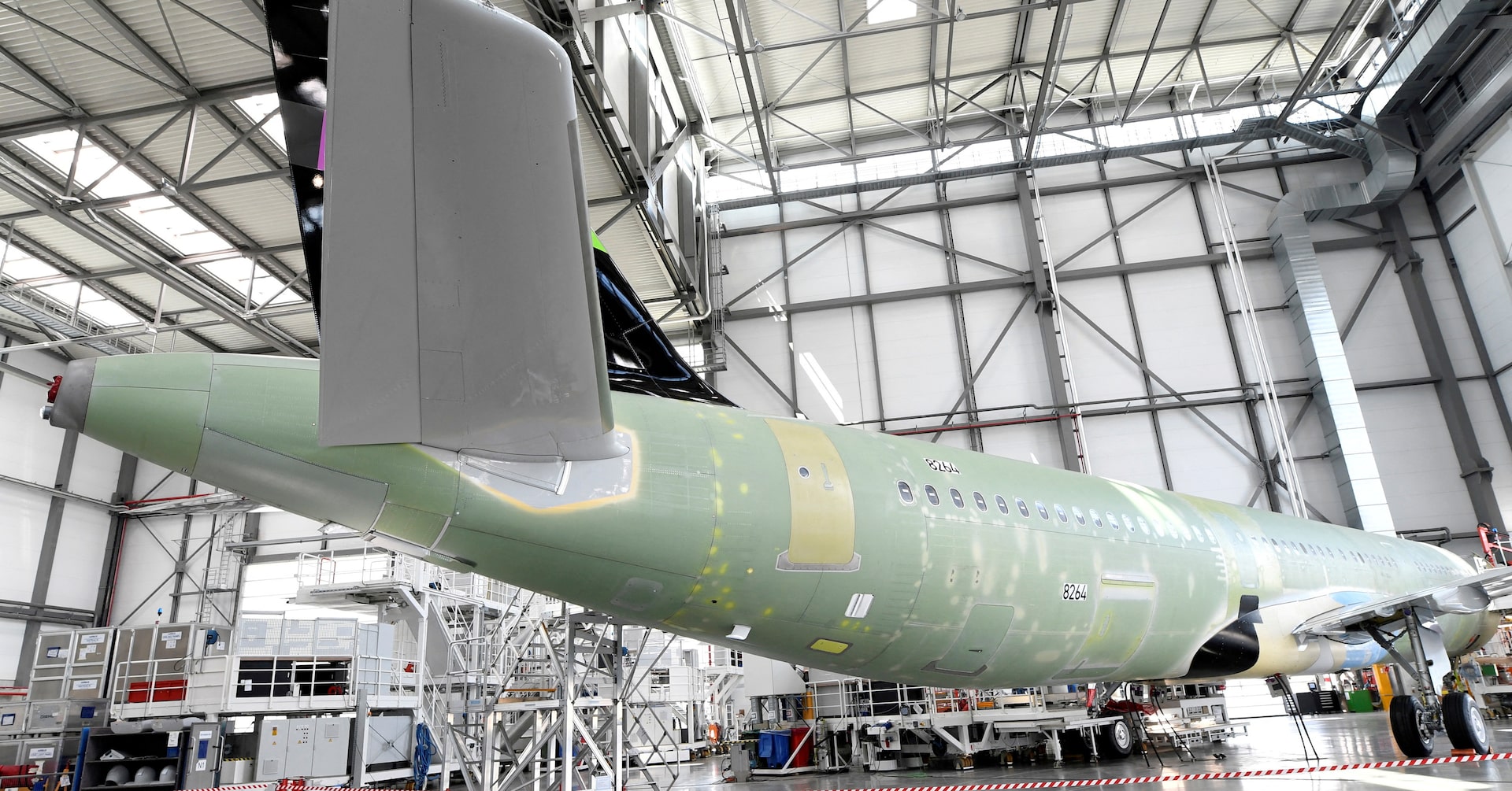
U.S. Capital Goods Orders Rebound Sharply in May
- Order Rebound: U.S. non-defense capital goods orders rose 1.6% in May, indicating that business spending on equipment will again support economic growth in the second quarter, despite a revised 0.7% decline in April orders.
- Growth Expectations: Economists forecast a 3.0% annualized GDP growth rate for the second quarter, following a 2.1% growth in the first quarter, reflecting strong business investment, particularly in artificial intelligence.
- Price Impact: While orders increased, some of the rise likely reflects higher prices, especially for memory chips, indicating supply chain disruptions from the U.S.-Israeli conflict are driving up commodity prices.
- Durable Goods Volatility: Durable goods orders fell 4.5% in May, primarily dragged down by a 51.8% plunge in non-defense aircraft and parts orders, with Boeing reporting only 27 aircraft orders in May compared to 136 in April.
See More

Honeywell Spins Off Aerospace, Alphabet Joins Dow Jones


- Honeywell Spin-off: Honeywell International is spinning off its Aerospace division on June 29, marking the final phase of breaking up its conglomerate structure to accelerate growth and enhance market competitiveness.
- Dow Jones Component Change: With Honeywell's spin-off, Alphabet will replace Verizon in the Dow Jones Industrial Average, which is expected to boost Alphabet's market recognition and investor confidence significantly.
- Alphabet's Market Position: Alphabet currently has a market cap of $4.2 trillion and a share price of $346.13, making it the sixth-largest component of the Dow with an anticipated 4.1% impact on the index, further solidifying its leadership in the tech sector.
- Diversification and High Growth: Alphabet excels in multiple areas, including cloud computing and artificial intelligence, with YouTube generating $9.9 billion in revenue in Q1 2026, showcasing its strong profitability and market potential.
See More

Alphabet Set to Join Dow Jones Index Following Honeywell Spin-Off
- Dow Component Change: Following Honeywell's spin-off of Honeywell Aerospace on June 29, Alphabet is set to replace Verizon in the Dow Jones Industrial Average, highlighting its growing influence in traditional and AI-driven sectors such as search and cloud infrastructure.
- Stock Performance and Market Position: Alphabet's stock price, currently at $346.13 after a 20-for-1 split in 2022, positions it as the sixth-largest component of the Dow with a 4.1% weighting, reflecting its strong market performance and investment appeal.
- Diversified Business Advantage: Alphabet's leadership in internet services, cloud computing, and AI chip production is underscored by YouTube generating $9.9 billion in revenue in Q1 2026, indicating significant growth potential that could see it surpass Netflix in the coming years.
- Dividend Policy and Valuation: Implementing its first-ever dividend in 2024, Alphabet's P/E ratio of 24.3 is slightly above the S&P 500's 20.8, yet its high-quality business model continues to attract investor confidence in its long-term return potential.
See More
Trump Urges Acceleration of Defense Production

- Defense Production Meeting: CEOs from Boeing, Lockheed Martin, and Honeywell met with Trump at the White House on Wednesday to address urgent needs for U.S. missile and munitions stockpiles, emphasizing the necessity to accelerate the defense industrial base's production capabilities.
- Supplemental Spending Request: The White House requested $87.6 billion in supplemental spending from Congress primarily for the Iran war, reflecting the government's urgency to replenish key weapons systems amid ongoing peace talks with Tehran.
- Production Capacity Challenges: Trump invoked the Defense Production Act earlier this month to expedite weapons production; however, systemic constraints such as limited production capacity, fragile supply chains, and long lead times complicate the administration's push for faster output, which typically takes years rather than months.
- Increased Congressional Oversight: The Senate adopted an Iran war powers resolution, symbolically rebuking Trump's military strategy and highlighting growing congressional scrutiny of military actions, while pushing defense contractors to prioritize existing Pentagon contracts and American manufacturing capacity.
See More
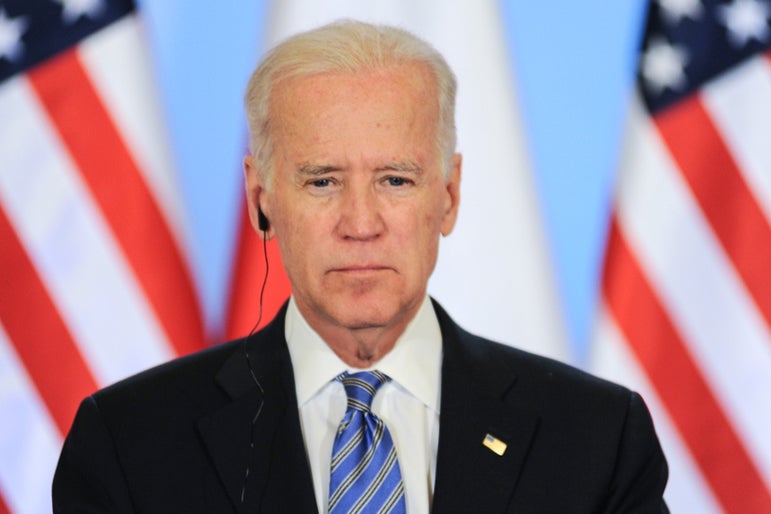
Trump Pushes for Expansion of Weapons Production Amid Geopolitical Tensions

- White House Meeting: Trump is set to meet with munitions manufacturers on Wednesday to push for expanded weapons production in response to reduced U.S. stockpiles due to military operations in Iran and other conflicts, highlighting the administration's focus on the defense industry.
- Production Agreements: Agreements with Lockheed Martin aim to triple production of Patriot interceptors and quadruple output of THAAD interceptors, reflecting the Pentagon's urgent need to accelerate production amid rising geopolitical tensions.
- Funding Pressure: Defense industry executives indicate that Congress must appropriate funds before companies can invest heavily in components and production capacity, as premature investments could negatively impact cash flow and second-half earnings.
- Defense Budget: The Senate Armed Services Committee approved a National Defense Authorization Act supporting $1.15 trillion in defense spending and providing multi-year procurement authority for various munitions and weapons, although the bill is not expected to become law until autumn.
See More
Boeing Secures $2 Billion Satellite Development Contract for U.S. Space Force
- Significant Contract Value: Boeing has been awarded a contract by the U.S. Space Force valued at up to $2 billion for the development of two narrowband communication satellites, reflecting increased government spending on military communications and space infrastructure.
- Clear Delivery Timeline: The first satellite is scheduled for delivery in 2031, providing a clear timeline that supports Boeing's ongoing growth in the defense and space sectors.
- Notable Technical Advantages: The new satellites will be built on Boeing's 702MP satellite platform, leveraging existing production lines to reduce execution risk while enhancing communication capabilities for military users, thereby reinforcing the company's strategic position in the defense market.
- Strong Market Demand: The MUOS system provides secure voice and low-bandwidth data communications for U.S. military personnel, particularly in remote areas or environments where other communication networks may be unreliable, highlighting Boeing's critical role in meeting military communication needs.
See More
U.S. Capital Goods Orders Rebound Sharply in May
- Order Rebound: U.S. non-defense capital goods orders rose 1.6% in May, indicating that business spending on equipment will again support economic growth in the second quarter, despite a revised 0.7% decline in April orders.
- Growth Expectations: Economists forecast a 3.0% annualized GDP growth rate for the second quarter, following a 2.1% growth in the first quarter, reflecting strong business investment, particularly in artificial intelligence.
- Price Impact: While orders increased, some of the rise likely reflects higher prices, especially for memory chips, indicating supply chain disruptions from the U.S.-Israeli conflict are driving up commodity prices.
- Durable Goods Volatility: Durable goods orders fell 4.5% in May, primarily dragged down by a 51.8% plunge in non-defense aircraft and parts orders, with Boeing reporting only 27 aircraft orders in May compared to 136 in April.
See More
Honeywell Spins Off Aerospace, Alphabet Joins Dow Jones
- Honeywell Spin-off: Honeywell International is spinning off its Aerospace division on June 29, marking the final phase of breaking up its conglomerate structure to accelerate growth and enhance market competitiveness.
- Dow Jones Component Change: With Honeywell's spin-off, Alphabet will replace Verizon in the Dow Jones Industrial Average, which is expected to boost Alphabet's market recognition and investor confidence significantly.
- Alphabet's Market Position: Alphabet currently has a market cap of $4.2 trillion and a share price of $346.13, making it the sixth-largest component of the Dow with an anticipated 4.1% impact on the index, further solidifying its leadership in the tech sector.
- Diversification and High Growth: Alphabet excels in multiple areas, including cloud computing and artificial intelligence, with YouTube generating $9.9 billion in revenue in Q1 2026, showcasing its strong profitability and market potential.
See More
Alphabet Set to Join Dow Jones Index Following Honeywell Spin-Off
- Dow Component Change: Following Honeywell's spin-off of Honeywell Aerospace on June 29, Alphabet is set to replace Verizon in the Dow Jones Industrial Average, highlighting its growing influence in traditional and AI-driven sectors such as search and cloud infrastructure.
- Stock Performance and Market Position: Alphabet's stock price, currently at $346.13 after a 20-for-1 split in 2022, positions it as the sixth-largest component of the Dow with a 4.1% weighting, reflecting its strong market performance and investment appeal.
- Diversified Business Advantage: Alphabet's leadership in internet services, cloud computing, and AI chip production is underscored by YouTube generating $9.9 billion in revenue in Q1 2026, indicating significant growth potential that could see it surpass Netflix in the coming years.
- Dividend Policy and Valuation: Implementing its first-ever dividend in 2024, Alphabet's P/E ratio of 24.3 is slightly above the S&P 500's 20.8, yet its high-quality business model continues to attract investor confidence in its long-term return potential.
See More
Trump Urges Acceleration of Defense Production
- Defense Production Meeting: CEOs from Boeing, Lockheed Martin, and Honeywell met with Trump at the White House on Wednesday to address urgent needs for U.S. missile and munitions stockpiles, emphasizing the necessity to accelerate the defense industrial base's production capabilities.
- Supplemental Spending Request: The White House requested $87.6 billion in supplemental spending from Congress primarily for the Iran war, reflecting the government's urgency to replenish key weapons systems amid ongoing peace talks with Tehran.
- Production Capacity Challenges: Trump invoked the Defense Production Act earlier this month to expedite weapons production; however, systemic constraints such as limited production capacity, fragile supply chains, and long lead times complicate the administration's push for faster output, which typically takes years rather than months.
- Increased Congressional Oversight: The Senate adopted an Iran war powers resolution, symbolically rebuking Trump's military strategy and highlighting growing congressional scrutiny of military actions, while pushing defense contractors to prioritize existing Pentagon contracts and American manufacturing capacity.
See More
Trump Pushes for Expansion of Weapons Production Amid Geopolitical Tensions
- White House Meeting: Trump is set to meet with munitions manufacturers on Wednesday to push for expanded weapons production in response to reduced U.S. stockpiles due to military operations in Iran and other conflicts, highlighting the administration's focus on the defense industry.
- Production Agreements: Agreements with Lockheed Martin aim to triple production of Patriot interceptors and quadruple output of THAAD interceptors, reflecting the Pentagon's urgent need to accelerate production amid rising geopolitical tensions.
- Funding Pressure: Defense industry executives indicate that Congress must appropriate funds before companies can invest heavily in components and production capacity, as premature investments could negatively impact cash flow and second-half earnings.
- Defense Budget: The Senate Armed Services Committee approved a National Defense Authorization Act supporting $1.15 trillion in defense spending and providing multi-year procurement authority for various munitions and weapons, although the bill is not expected to become law until autumn.
See More