Meta's AI Model Delay and Workforce Cuts
Written by Emily J. Thompson, Senior Investment Analyst
Updated: 1 hour ago
0mins
Should l Buy META?
Source: seekingalpha
- AI Model Delay: Meta's frontier AI model 'Avocado' has been delayed due to underperformance in internal tests, disappointing analysts who note that this delay adds pressure on Meta's significant investments and its long-term development of intelligent products compared to rivals like Google and OpenAI.
- Workforce Cuts: Meta plans to reduce over 20% of its workforce, potentially saving about $6 billion; however, this savings may not significantly impact the projected $45 billion expense growth for 2023, highlighting the challenges the company faces with rising AI infrastructure costs.
- Market Reaction: J.P. Morgan emphasized that the AI model delay is a critical component of Meta's bullish case, while Bank of America noted that the delay, although disappointing, reflects a prioritization of product quality over speed to market, indicating a more measured development cycle.
- Industry Impact: Analysts suggest that the combination of Meta's layoffs and increased AI spending indicates that AI is driving productivity improvements, which could have significant implications not only for Meta but also for the broader internet and software landscape as investors reassess the relationship between headcount, growth, and margins.
Trade with 70% Backtested Accuracy
Stop guessing "Should I Buy META?" and start using high-conviction signals backed by rigorous historical data.
Sign up today to access powerful investing tools and make smarter, data-driven decisions.
Analyst Views on META
Wall Street analysts forecast META stock price to rise
44 Analyst Rating
37 Buy
6 Hold
1 Sell
Strong Buy
Current: 613.710

Low
655.15
Averages
824.71
High
1117
Current: 613.710
Low
655.15
Averages
824.71
High
1117
About META
Meta Platforms, Inc. is building human connections, powered by artificial intelligence and immersive technologies. The Company's products enable people to connect and share with friends and family through mobile devices, personal computers, virtual reality (VR) and mixed reality (MR) headsets, augmented reality (AR), and wearables. It also helps people discover and learn about what is going on in the world around them, enabling people to share their experiences, ideas, photos, videos, and other content with audiences ranging from their closest family members and friends to the public at large. The Company's segments include Family of Apps (FoA) and Reality Labs (RL). FoA segment includes Facebook, Instagram, Messenger, WhatsApp and Threads. RL segment includes its virtual, augmented, and mixed reality related consumer hardware, software and content. Its product offerings in VR include its Meta Quest devices, as well as software and content available through the Meta Horizon Store.
About the author

Emily J. Thompson
Emily J. Thompson, a Chartered Financial Analyst (CFA) with 12 years in investment research, graduated with honors from the Wharton School. Specializing in industrial and technology stocks, she provides in-depth analysis for Intellectia’s earnings and market brief reports.
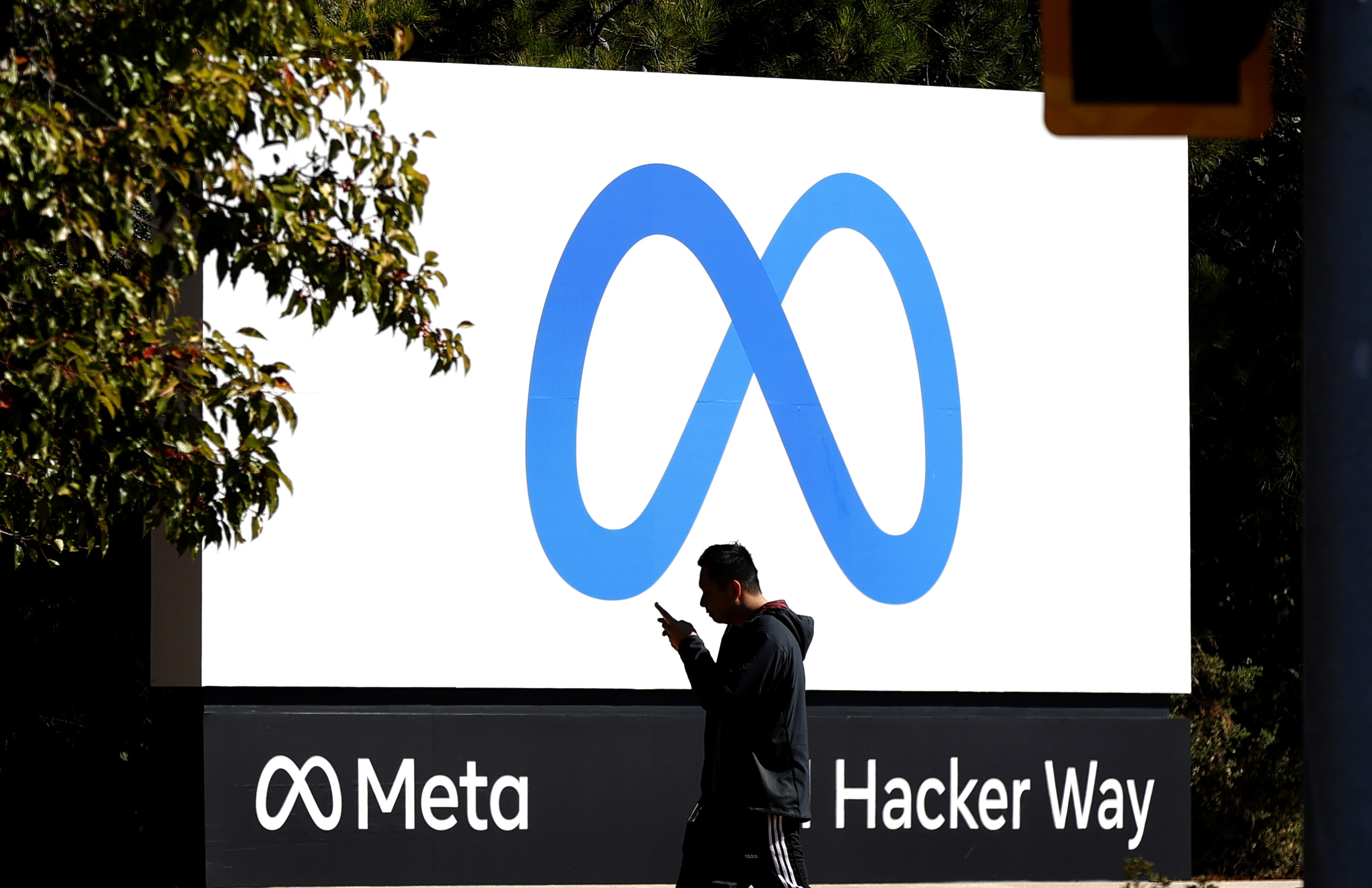
Meta's AI Model Delay and Workforce Cuts

- AI Model Delay: Meta's frontier AI model 'Avocado' has been delayed due to underperformance in internal tests, disappointing analysts who note that this delay adds pressure on Meta's significant investments and its long-term development of intelligent products compared to rivals like Google and OpenAI.
- Workforce Cuts: Meta plans to reduce over 20% of its workforce, potentially saving about $6 billion; however, this savings may not significantly impact the projected $45 billion expense growth for 2023, highlighting the challenges the company faces with rising AI infrastructure costs.
- Market Reaction: J.P. Morgan emphasized that the AI model delay is a critical component of Meta's bullish case, while Bank of America noted that the delay, although disappointing, reflects a prioritization of product quality over speed to market, indicating a more measured development cycle.
- Industry Impact: Analysts suggest that the combination of Meta's layoffs and increased AI spending indicates that AI is driving productivity improvements, which could have significant implications not only for Meta but also for the broader internet and software landscape as investors reassess the relationship between headcount, growth, and margins.
See More
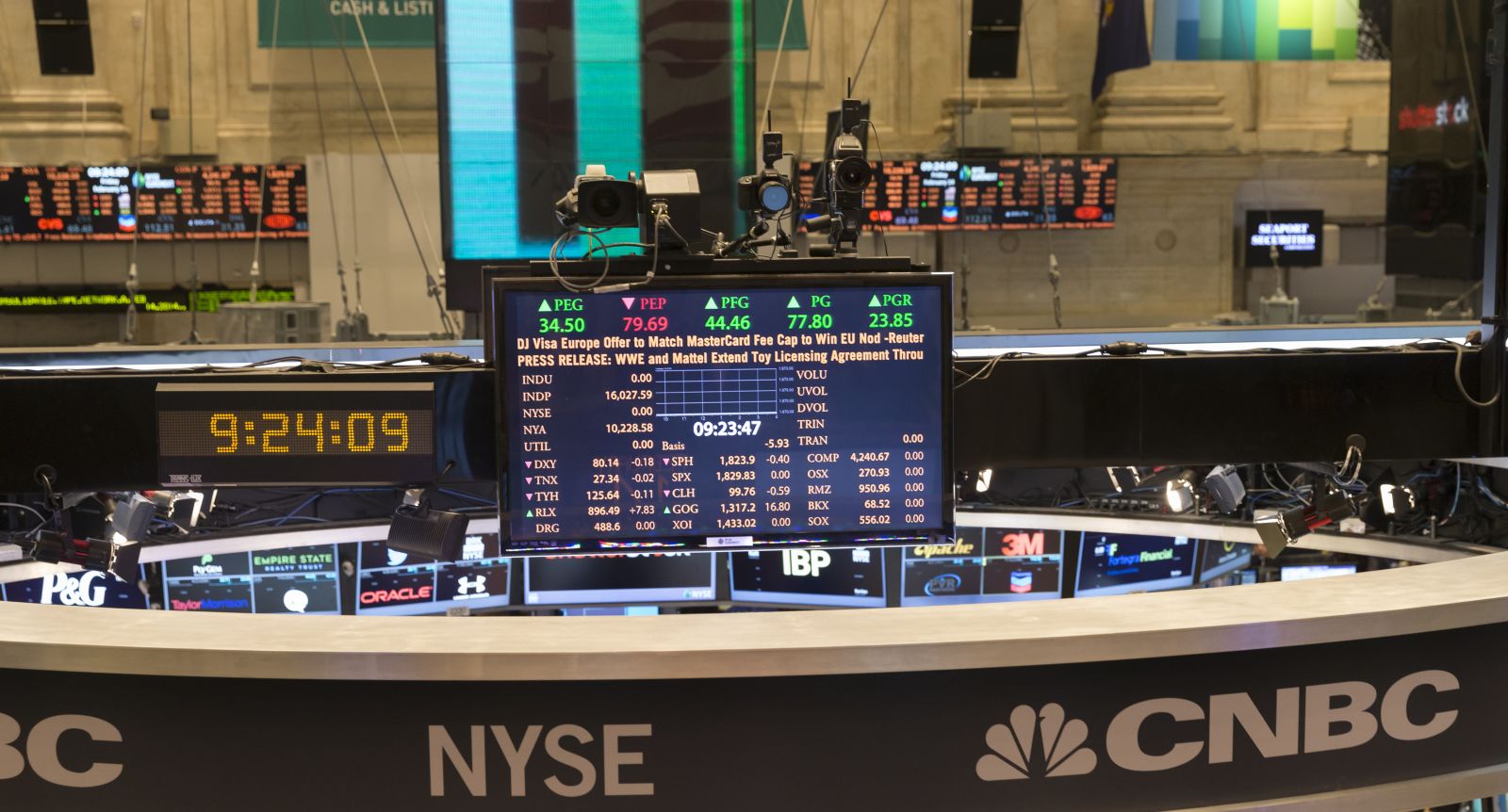
US Stocks Surge as Crude Prices Drop Sharply


- Crude Price Drop Fuels Market Rally: The successful passage of several oil tankers through the Strait of Hormuz has led to a more than 4% drop in crude prices, directly contributing to a 1.04% rise in the S&P 500, a 0.94% increase in the Dow Jones, and a 1.12% gain in the Nasdaq 100, indicating a positive market response to lower oil prices.
- Mixed Economic Data: February manufacturing production in the US rose by 0.2% month-over-month, surpassing expectations of 0.1%, while January's production was revised up to 0.8%, showcasing manufacturing resilience; however, the February Empire manufacturing survey fell to -0.2, below the expected 3.9, reflecting economic recovery uncertainties.
- Positive Chinese Economic Indicators: China's February industrial production increased by 6.3% year-over-year, exceeding expectations of 5.3%, and retail sales rose by 2.8%, also above the anticipated 2.5%, despite a rise in the unemployment rate to 5.3%, highlighting the complexities of economic recovery.
- Airline and Cruise Stocks Surge: With falling oil prices, airline and cruise line stocks are rising, with Norwegian Cruise Line up over 5% and Royal Caribbean up more than 4%, indicating optimistic market sentiment regarding future earnings prospects.
See More

Citi Research Sees Strong Upside for Nebius AI Infrastructure

- Stock Surge: Dutch company Nebius has seen its shares rise over 55% this year, with a 15% jump on Monday alone following Meta's long-term agreement, indicating strong market demand for its AI infrastructure.
- Major Agreement: Meta has committed to spending up to $27 billion over the next five years with Nebius, including $12 billion for dedicated compute capacity and $15 billion for additional capacity purchases, significantly enhancing Nebius's market position.
- Analyst Rating: Citi analyst Tyler Radke initiated coverage with a buy rating and a $169 price target, suggesting a potential 49.6% upside, reflecting strong confidence in the company's future growth prospects.
- Market Outlook: Citi forecasts AI workloads to grow from approximately 18GW in 2025 to around 110GW by 2030, with Nebius expected to scale to about 5GW of active power at a 93% CAGR, showcasing its rapid growth potential in the global AI compute market.
See More

Meta Signs $27 Billion AI Infrastructure Deal with Nebius
- Massive Infrastructure Agreement: Meta has signed a five-year deal with Nebius, which will provide $12 billion in dedicated processing capacity leveraging the first large-scale deployments of the Nvidia Vera Rubin platform, expected to be delivered by early 2027, significantly enhancing Meta's computational capabilities in AI.
- Additional Purchase Commitment: Over the next five years, Meta has committed to purchasing an additional $15 billion in compute capacity as it becomes available, bringing the total contract value to $27 billion, further solidifying Meta's leadership position in the AI infrastructure market.
- Strong Market Reaction: Following the agreement with Meta, Nebius's stock surged by 17%, pushing its market cap above $32 billion, indicating strong market demand for its neocloud services and future growth potential.
- Investment Trends in the Industry: As traditional cloud services struggle to meet the surging demand for AI services, major cloud operators like Meta are planning to spend nearly $700 billion on capex in 2026, highlighting significant market opportunities for neocloud operators like Nebius.
See More

US Stocks Rise as Oil Prices Decline
- Oil Price Decline Boosts Markets: The successful passage of oil tankers through the Strait of Hormuz has led to a more than 3% drop in crude prices, directly contributing to a 1.23% rise in the S&P 500, a 1.06% increase in the Dow Jones, and a 1.30% gain in the Nasdaq 100, reflecting market optimism about supply recovery.
- Mixed Economic Data: February manufacturing production in the US rose by 0.2% month-over-month, surpassing expectations of 0.1%, and January was revised up to 0.8%, yet the February Empire manufacturing survey showed a decline of 7.3 points to -0.2, indicating challenges in economic recovery.
- Positive Chinese Economic Indicators: China's February industrial production increased by 6.3% year-on-year, exceeding expectations of 5.3%, and retail sales rose by 2.8%, also above the 2.5% forecast, although the unemployment rate climbed to 5.3%, indicating labor market pressures.
- Shifts in Rate Expectations: The market is pricing in only a 1% chance of a 25 basis point rate cut by the Federal Reserve at the upcoming policy meeting, while expectations for a rate hike by the European Central Bank are also decreasing, reflecting investor caution regarding future monetary policy.
See More

Meta Plans 20% Workforce Reduction to Boost AI Investments
- Layoff Announcement: Meta is planning to reduce its workforce by at least 20% to redirect resources towards costly AI investments, although no specific layoff dates have been disclosed, indicating a significant shift in operational strategy.
- Executive Instructions: Top executives at Meta have been informed about the impending layoffs and instructed to prepare plans for operating with a reduced workforce, highlighting the company's structural adjustments to align with its new strategic focus.
- AI Investment Commitment: The company plans to invest approximately $600 billion by 2028 to build large-scale data centers to support its expanding AI ambitions, demonstrating a long-term strategic commitment to technology development.
- Acquisitions and Incentives: Recently, Meta acquired the social networking platform Moltbook and is offering compensation packages worth hundreds of millions to attract leading AI researchers, indicating an intensified effort to secure talent in the competitive AI landscape.
See More
Meta's AI Model Delay and Workforce Cuts
- AI Model Delay: Meta's frontier AI model 'Avocado' has been delayed due to underperformance in internal tests, disappointing analysts who note that this delay adds pressure on Meta's significant investments and its long-term development of intelligent products compared to rivals like Google and OpenAI.
- Workforce Cuts: Meta plans to reduce over 20% of its workforce, potentially saving about $6 billion; however, this savings may not significantly impact the projected $45 billion expense growth for 2023, highlighting the challenges the company faces with rising AI infrastructure costs.
- Market Reaction: J.P. Morgan emphasized that the AI model delay is a critical component of Meta's bullish case, while Bank of America noted that the delay, although disappointing, reflects a prioritization of product quality over speed to market, indicating a more measured development cycle.
- Industry Impact: Analysts suggest that the combination of Meta's layoffs and increased AI spending indicates that AI is driving productivity improvements, which could have significant implications not only for Meta but also for the broader internet and software landscape as investors reassess the relationship between headcount, growth, and margins.
See More
US Stocks Surge as Crude Prices Drop Sharply
- Crude Price Drop Fuels Market Rally: The successful passage of several oil tankers through the Strait of Hormuz has led to a more than 4% drop in crude prices, directly contributing to a 1.04% rise in the S&P 500, a 0.94% increase in the Dow Jones, and a 1.12% gain in the Nasdaq 100, indicating a positive market response to lower oil prices.
- Mixed Economic Data: February manufacturing production in the US rose by 0.2% month-over-month, surpassing expectations of 0.1%, while January's production was revised up to 0.8%, showcasing manufacturing resilience; however, the February Empire manufacturing survey fell to -0.2, below the expected 3.9, reflecting economic recovery uncertainties.
- Positive Chinese Economic Indicators: China's February industrial production increased by 6.3% year-over-year, exceeding expectations of 5.3%, and retail sales rose by 2.8%, also above the anticipated 2.5%, despite a rise in the unemployment rate to 5.3%, highlighting the complexities of economic recovery.
- Airline and Cruise Stocks Surge: With falling oil prices, airline and cruise line stocks are rising, with Norwegian Cruise Line up over 5% and Royal Caribbean up more than 4%, indicating optimistic market sentiment regarding future earnings prospects.
See More
Citi Research Sees Strong Upside for Nebius AI Infrastructure
- Stock Surge: Dutch company Nebius has seen its shares rise over 55% this year, with a 15% jump on Monday alone following Meta's long-term agreement, indicating strong market demand for its AI infrastructure.
- Major Agreement: Meta has committed to spending up to $27 billion over the next five years with Nebius, including $12 billion for dedicated compute capacity and $15 billion for additional capacity purchases, significantly enhancing Nebius's market position.
- Analyst Rating: Citi analyst Tyler Radke initiated coverage with a buy rating and a $169 price target, suggesting a potential 49.6% upside, reflecting strong confidence in the company's future growth prospects.
- Market Outlook: Citi forecasts AI workloads to grow from approximately 18GW in 2025 to around 110GW by 2030, with Nebius expected to scale to about 5GW of active power at a 93% CAGR, showcasing its rapid growth potential in the global AI compute market.
See More
Meta Signs $27 Billion AI Infrastructure Deal with Nebius
- Massive Infrastructure Agreement: Meta has signed a five-year deal with Nebius, which will provide $12 billion in dedicated processing capacity leveraging the first large-scale deployments of the Nvidia Vera Rubin platform, expected to be delivered by early 2027, significantly enhancing Meta's computational capabilities in AI.
- Additional Purchase Commitment: Over the next five years, Meta has committed to purchasing an additional $15 billion in compute capacity as it becomes available, bringing the total contract value to $27 billion, further solidifying Meta's leadership position in the AI infrastructure market.
- Strong Market Reaction: Following the agreement with Meta, Nebius's stock surged by 17%, pushing its market cap above $32 billion, indicating strong market demand for its neocloud services and future growth potential.
- Investment Trends in the Industry: As traditional cloud services struggle to meet the surging demand for AI services, major cloud operators like Meta are planning to spend nearly $700 billion on capex in 2026, highlighting significant market opportunities for neocloud operators like Nebius.
See More
US Stocks Rise as Oil Prices Decline
- Oil Price Decline Boosts Markets: The successful passage of oil tankers through the Strait of Hormuz has led to a more than 3% drop in crude prices, directly contributing to a 1.23% rise in the S&P 500, a 1.06% increase in the Dow Jones, and a 1.30% gain in the Nasdaq 100, reflecting market optimism about supply recovery.
- Mixed Economic Data: February manufacturing production in the US rose by 0.2% month-over-month, surpassing expectations of 0.1%, and January was revised up to 0.8%, yet the February Empire manufacturing survey showed a decline of 7.3 points to -0.2, indicating challenges in economic recovery.
- Positive Chinese Economic Indicators: China's February industrial production increased by 6.3% year-on-year, exceeding expectations of 5.3%, and retail sales rose by 2.8%, also above the 2.5% forecast, although the unemployment rate climbed to 5.3%, indicating labor market pressures.
- Shifts in Rate Expectations: The market is pricing in only a 1% chance of a 25 basis point rate cut by the Federal Reserve at the upcoming policy meeting, while expectations for a rate hike by the European Central Bank are also decreasing, reflecting investor caution regarding future monetary policy.
See More
Meta Plans 20% Workforce Reduction to Boost AI Investments
- Layoff Announcement: Meta is planning to reduce its workforce by at least 20% to redirect resources towards costly AI investments, although no specific layoff dates have been disclosed, indicating a significant shift in operational strategy.
- Executive Instructions: Top executives at Meta have been informed about the impending layoffs and instructed to prepare plans for operating with a reduced workforce, highlighting the company's structural adjustments to align with its new strategic focus.
- AI Investment Commitment: The company plans to invest approximately $600 billion by 2028 to build large-scale data centers to support its expanding AI ambitions, demonstrating a long-term strategic commitment to technology development.
- Acquisitions and Incentives: Recently, Meta acquired the social networking platform Moltbook and is offering compensation packages worth hundreds of millions to attract leading AI researchers, indicating an intensified effort to secure talent in the competitive AI landscape.
See More