Metals and Mining Stocks Set for a Surge, Highlighting These Top Picks
Written by Emily J. Thompson, Senior Investment Analyst
Updated: Feb 27 2026
0mins

Source: Barron's
ETF Overview: The State Street SPDR S&P Metals & Mining ETF provides exposure to trends in industrial and precious metals, reflecting the health of the U.S. metals and mining sector.
Performance Highlight: The ETF experienced a significant recovery, achieving a remarkable 141% increase during a 27-of-28-week winning streak since last April.
Trade with 70% Backtested Accuracy
Stop guessing "Should I Buy AA?" and start using high-conviction signals backed by rigorous historical data.
Sign up today to access powerful investing tools and make smarter, data-driven decisions.
Analyst Views on AA
Wall Street analysts forecast AA stock price to rise
8 Analyst Rating
2 Buy
4 Hold
2 Sell
Hold
Current: 47.480

Low
38.00
Averages
57.63
High
78.00
Current: 47.480
Low
38.00
Averages
57.63
High
78.00
About AA
Alcoa Corporation is a vertically integrated aluminum company comprised of bauxite mining, alumina refining, aluminum production (smelting and casting), and energy generation. The Company's operations are comprised of two business segments: Alumina and Aluminum. The Alumina segment primarily consists of its bauxite mines and alumina refineries, and its operations include the mining of bauxite and other aluminous ores, as well as the refining, production, and sale of smelter grade and non-metallurgical alumina. The alumina produced by this segment is sold primarily to internal and external aluminum smelter customers; a portion of the alumina is sold to external customers who process it into industrial chemical products. The Aluminum segment consists of the Company's aluminum smelting and casting operations along with the Company's energy production assets in Brazil, Canada, and the United States. It has direct and indirect ownership of over 25 operating locations across eight countries.
About the author

Emily J. Thompson
Emily J. Thompson, a Chartered Financial Analyst (CFA) with 12 years in investment research, graduated with honors from the Wharton School. Specializing in industrial and technology stocks, she provides in-depth analysis for Intellectia’s earnings and market brief reports.

US Stocks Close Lower with Mixed Tech Performance


- Market Decline: On Wednesday, the S&P 500 fell by 0.22%, the Dow Jones Industrial Average dipped by 0.03%, and the Nasdaq 100 dropped by 1.54%, indicating a market pullback after reaching a one-week high, particularly driven by sell-offs in chipmakers and AI infrastructure stocks.
- Economic Data Impact: The June ADP employment change rose by only 98,000, falling short of the expected 120,000, while the ISM manufacturing index decreased from 53.9 to 53.3, highlighting signs of economic slowdown that further pressured the market.
- Mixed Tech Performance: Despite strong performances from the Magnificent Seven tech stocks, with Meta Platforms rising over 8%, semiconductor stocks faced significant declines, as the iShares Semiconductor ETF fell more than 6%, reflecting a divergence in market confidence towards technology stocks.
- Oil Prices and Inflation Expectations: WTI crude oil prices fell by more than 1%, reaching a 4.25-month low, as positive developments in US-Iran negotiations eased market tensions, potentially influencing future inflation expectations and the Federal Reserve's monetary policy.
See More

General Mills Reports Earnings Beat, Shares Rise 8%


- Strong Earnings Report: General Mills reported adjusted earnings of $0.95 per share for the latest quarter, surpassing analysts' expectations of $0.80, indicating successful cost management and product diversification efforts.
- Stock Price Surge: Following the positive earnings report, General Mills' shares rose nearly 8% in afternoon trading, reflecting market optimism regarding the company's future growth potential.
- Strategic Adjustment Plan: The company aims to regain business by cutting costs and adding new products, intending to enhance its competitive position and meet the evolving demands of consumers.
- Positive Future Outlook: With the new fiscal year approaching, General Mills' strategic adjustments are expected to drive sales growth and further solidify its market position in the food industry.
See More

Mixed US Stock Performance as Chip Stocks Retreat

- Economic Data Impact: The June ADP employment change rose by only 98,000, falling short of the expected 120,000, indicating a weaker US labor market that pressured stocks, particularly in the chip and AI sectors.
- Manufacturing Index Decline: The June ISM manufacturing index fell by 0.7 to 53.3, below the expected 53.9, reflecting a slowdown in manufacturing activity and exacerbating market concerns about economic deceleration.
- Inflation Expectations Improve: The June ISM prices paid sub-index dropped to 73.0, a four-month low, exceeding market expectations and suggesting easing inflation pressures that could influence the Fed's monetary policy decisions.
- Optimistic Earnings Outlook: Bloomberg Intelligence forecasts a 23% increase in Q2 earnings, primarily driven by AI infrastructure stocks, indicating market confidence in future profitability despite the current poor stock performance.
See More

Meta's Cloud Business Expansion Drives Stock Surge

- Meta Cloud Business Expansion: Meta Platforms shares surged 11% on news of its plan to sell excess AI computing power to external customers, marking a significant expansion into the cloud business that is expected to enhance revenue streams and strengthen market competitiveness.
- General Mills Earnings Beat: General Mills reported fourth-quarter adjusted earnings of 95 cents per share on revenue of $4.61 billion, surpassing market expectations, and announced plans to achieve $3 billion in cumulative cost savings by fiscal year 2030, demonstrating strong profitability and cost control capabilities.
- Progress Software Strong Performance: Progress Software shares rallied over 18% after reporting second-quarter adjusted earnings of $1.62 per share on revenue of $253.5 million, both exceeding analyst expectations, with optimistic guidance for Q3 reflecting the company's sustained growth potential.
- Nike's Earnings Recovery: Nike's stock rose more than 4% as its fiscal fourth-quarter results exceeded analyst expectations despite a 12% year-over-year decline in China sales, showcasing the brand's resilience in the global market and potential for future growth.
See More

US Stocks Decline as Chip and AI Stocks Retreat
- Market Pressure Intensifies: The S&P 500 index fell by 0.47%, the Dow Jones Industrial Average by 0.22%, and the Nasdaq 100 by 1.09%, indicating market sensitivity to the retreat of chipmakers and AI stocks, reflecting investor concerns about future growth.
- Employment Data Impact: The June ADP employment change increased by only 98,000, below the expected 120,000, signaling signs of a slowdown in the US labor market, which exacerbated market worries about economic growth and led to stock market pressure.
- Oil Price Decline: WTI crude oil prices fell nearly 1%, hitting a 4.25-month low, as positive negotiations between US officials and Iran improved expectations for energy supply, potentially affecting future oil price trends.
- Optimistic Earnings Outlook: Bloomberg Intelligence forecasts a 23% increase in corporate earnings for Q2, close to the 30% growth in Q1, indicating that AI infrastructure stocks will drive S&P 500 earnings-per-share growth, boosting market confidence.
See More
Alcoa to Acquire South32's Bauxite and Alumina Assets for $5.6 Billion
- Large Transaction Size: Alcoa has agreed to acquire South32's bauxite, alumina, and aluminum assets for up to $5.6 billion, including $3.1 billion in cash, approximately $1 billion in Alcoa shares, and $750 million in net debt and lease liabilities, showcasing Alcoa's ambition in global aluminum integration.
- Divergent Market Reactions: Following the announcement, Alcoa's shares fell nearly 5% in premarket trading while South32's shares rose as much as 10%, reflecting differing investor perspectives on the short-term pressures versus the long-term strategic potential of the deal.
- Increased Production Capacity: The acquisition is expected to boost Alcoa's annual aluminum production to 3.2 million tons and alumina production to 14.8 million tons, enhancing its competitiveness in the aluminum market, particularly amid rising demand from electric vehicles and renewable energy sectors.
- Future Outlook: The deal is anticipated to close in the first half of 2027, as South32 shifts its focus towards copper, manganese, and zinc-lead-silver assets, indicating a strategic pivot while Alcoa faces challenges related to environmental opposition and declining ore grades.
See More
US Stocks Close Lower with Mixed Tech Performance
- Market Decline: On Wednesday, the S&P 500 fell by 0.22%, the Dow Jones Industrial Average dipped by 0.03%, and the Nasdaq 100 dropped by 1.54%, indicating a market pullback after reaching a one-week high, particularly driven by sell-offs in chipmakers and AI infrastructure stocks.
- Economic Data Impact: The June ADP employment change rose by only 98,000, falling short of the expected 120,000, while the ISM manufacturing index decreased from 53.9 to 53.3, highlighting signs of economic slowdown that further pressured the market.
- Mixed Tech Performance: Despite strong performances from the Magnificent Seven tech stocks, with Meta Platforms rising over 8%, semiconductor stocks faced significant declines, as the iShares Semiconductor ETF fell more than 6%, reflecting a divergence in market confidence towards technology stocks.
- Oil Prices and Inflation Expectations: WTI crude oil prices fell by more than 1%, reaching a 4.25-month low, as positive developments in US-Iran negotiations eased market tensions, potentially influencing future inflation expectations and the Federal Reserve's monetary policy.
See More
General Mills Reports Earnings Beat, Shares Rise 8%
- Strong Earnings Report: General Mills reported adjusted earnings of $0.95 per share for the latest quarter, surpassing analysts' expectations of $0.80, indicating successful cost management and product diversification efforts.
- Stock Price Surge: Following the positive earnings report, General Mills' shares rose nearly 8% in afternoon trading, reflecting market optimism regarding the company's future growth potential.
- Strategic Adjustment Plan: The company aims to regain business by cutting costs and adding new products, intending to enhance its competitive position and meet the evolving demands of consumers.
- Positive Future Outlook: With the new fiscal year approaching, General Mills' strategic adjustments are expected to drive sales growth and further solidify its market position in the food industry.
See More
Mixed US Stock Performance as Chip Stocks Retreat
- Economic Data Impact: The June ADP employment change rose by only 98,000, falling short of the expected 120,000, indicating a weaker US labor market that pressured stocks, particularly in the chip and AI sectors.
- Manufacturing Index Decline: The June ISM manufacturing index fell by 0.7 to 53.3, below the expected 53.9, reflecting a slowdown in manufacturing activity and exacerbating market concerns about economic deceleration.
- Inflation Expectations Improve: The June ISM prices paid sub-index dropped to 73.0, a four-month low, exceeding market expectations and suggesting easing inflation pressures that could influence the Fed's monetary policy decisions.
- Optimistic Earnings Outlook: Bloomberg Intelligence forecasts a 23% increase in Q2 earnings, primarily driven by AI infrastructure stocks, indicating market confidence in future profitability despite the current poor stock performance.
See More
Meta's Cloud Business Expansion Drives Stock Surge
- Meta Cloud Business Expansion: Meta Platforms shares surged 11% on news of its plan to sell excess AI computing power to external customers, marking a significant expansion into the cloud business that is expected to enhance revenue streams and strengthen market competitiveness.
- General Mills Earnings Beat: General Mills reported fourth-quarter adjusted earnings of 95 cents per share on revenue of $4.61 billion, surpassing market expectations, and announced plans to achieve $3 billion in cumulative cost savings by fiscal year 2030, demonstrating strong profitability and cost control capabilities.
- Progress Software Strong Performance: Progress Software shares rallied over 18% after reporting second-quarter adjusted earnings of $1.62 per share on revenue of $253.5 million, both exceeding analyst expectations, with optimistic guidance for Q3 reflecting the company's sustained growth potential.
- Nike's Earnings Recovery: Nike's stock rose more than 4% as its fiscal fourth-quarter results exceeded analyst expectations despite a 12% year-over-year decline in China sales, showcasing the brand's resilience in the global market and potential for future growth.
See More
US Stocks Decline as Chip and AI Stocks Retreat
- Market Pressure Intensifies: The S&P 500 index fell by 0.47%, the Dow Jones Industrial Average by 0.22%, and the Nasdaq 100 by 1.09%, indicating market sensitivity to the retreat of chipmakers and AI stocks, reflecting investor concerns about future growth.
- Employment Data Impact: The June ADP employment change increased by only 98,000, below the expected 120,000, signaling signs of a slowdown in the US labor market, which exacerbated market worries about economic growth and led to stock market pressure.
- Oil Price Decline: WTI crude oil prices fell nearly 1%, hitting a 4.25-month low, as positive negotiations between US officials and Iran improved expectations for energy supply, potentially affecting future oil price trends.
- Optimistic Earnings Outlook: Bloomberg Intelligence forecasts a 23% increase in corporate earnings for Q2, close to the 30% growth in Q1, indicating that AI infrastructure stocks will drive S&P 500 earnings-per-share growth, boosting market confidence.
See More
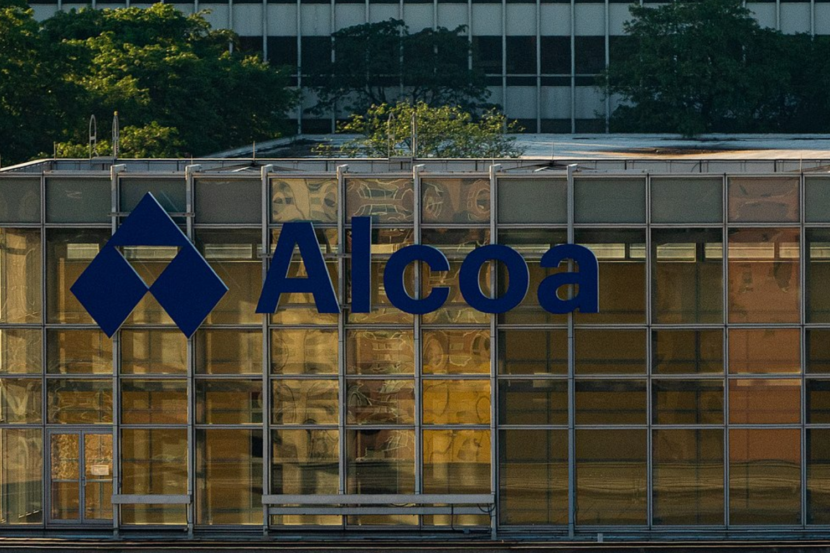
Alcoa to Acquire South32's Bauxite and Alumina Assets for $5.6 Billion
- Large Transaction Size: Alcoa has agreed to acquire South32's bauxite, alumina, and aluminum assets for up to $5.6 billion, including $3.1 billion in cash, approximately $1 billion in Alcoa shares, and $750 million in net debt and lease liabilities, showcasing Alcoa's ambition in global aluminum integration.
- Divergent Market Reactions: Following the announcement, Alcoa's shares fell nearly 5% in premarket trading while South32's shares rose as much as 10%, reflecting differing investor perspectives on the short-term pressures versus the long-term strategic potential of the deal.
- Increased Production Capacity: The acquisition is expected to boost Alcoa's annual aluminum production to 3.2 million tons and alumina production to 14.8 million tons, enhancing its competitiveness in the aluminum market, particularly amid rising demand from electric vehicles and renewable energy sectors.
- Future Outlook: The deal is anticipated to close in the first half of 2027, as South32 shifts its focus towards copper, manganese, and zinc-lead-silver assets, indicating a strategic pivot while Alcoa faces challenges related to environmental opposition and declining ore grades.
See More