Meta Launches $299 Smart Glasses Amid Market Competition
Written by Emily J. Thompson, Senior Investment Analyst
Updated: 6 days ago
0mins

Source: CNBC
- Price Advantage: Meta's newly launched smart glasses are priced at $299, which is $80 less than the second-generation Meta Ray-Ban glasses, aimed at attracting more consumers and increasing market share.
- Market Dominance: In partnership with EssilorLuxottica, Meta holds over 80% market share in the smart glasses sector, having sold millions of units since their 2021 launch, indicating strong market demand.
- Product Features: The new glasses lack a display but include a camera and personal speakers, allowing users to interact with AI for translation or to capture their surroundings, enhancing user experience.
- Future Development Direction: Meta executives have indicated that these lightweight smart glasses represent a step towards more advanced devices, with future versions potentially featuring screens and computing capabilities, further expanding their product line.
Trade with 70% Backtested Accuracy
Stop guessing "Should I Buy META?" and start using high-conviction signals backed by rigorous historical data.
Sign up today to access powerful investing tools and make smarter, data-driven decisions.
Analyst Views on META
Wall Street analysts forecast META stock price to rise
44 Analyst Rating
37 Buy
6 Hold
1 Sell
Strong Buy
Current: 550.250

Low
655.15
Averages
824.71
High
1117
Current: 550.250
Low
655.15
Averages
824.71
High
1117
About META
Meta Platforms, Inc. is building human connections, powered by artificial intelligence and immersive technologies. The Company's products enable people to connect and share with friends and family through mobile devices, personal computers, virtual reality (VR) and mixed reality (MR) headsets, augmented reality (AR), and wearables. It also helps people discover and learn about what is going on in the world around them, enabling people to share their experiences, ideas, photos, videos, and other content with audiences ranging from their closest family members and friends to the public at large. The Company's segments include Family of Apps (FoA) and Reality Labs (RL). FoA segment includes Facebook, Instagram, Messenger, WhatsApp and Threads. RL segment includes its virtual, augmented, and mixed reality related consumer hardware, software and content. Its product offerings in VR include its Meta Quest devices, as well as software and content available through the Meta Horizon Store.
About the author

Emily J. Thompson
Emily J. Thompson, a Chartered Financial Analyst (CFA) with 12 years in investment research, graduated with honors from the Wharton School. Specializing in industrial and technology stocks, she provides in-depth analysis for Intellectia’s earnings and market brief reports.
Zuckerberg Pushes Meta to Explore Partnerships in Prediction Markets

- New App Development: CEO Mark Zuckerberg has urged his team to explore partnerships with Polymarket and Kalshi to develop a prediction market app named Arena, targeting 18 to 34-year-olds with a goal of reaching 100 million monthly active users, indicating the company's focus on the younger demographic.
- Market Differentiation: Arena will differentiate itself from existing platforms like Polymarket and Kalshi by utilizing a video game-like points system instead of real-money wagers, which could attract a broader user base and lower the barriers to entry for participation.
- Internal Testing Phase: Currently, Arena is in the internal testing phase, and while its official release is uncertain, the project's advancement suggests that Meta is actively exploring new business models to adapt to the evolving market demands.
- Integration Plans: Meta plans to eventually integrate parts of Arena into Facebook and Messenger, a strategic move that could enhance user engagement and potentially create new revenue streams, further solidifying its leadership position in the social media landscape.
See More
Tech Giants Continue to Drive Market Momentum


- Google's Financial Growth: Alphabet (GOOGL) has achieved a 19% year-over-year increase in search revenue to $60.4 billion by integrating Gemini models into its core search and services, showcasing significant returns on its AI investments and boosting long-term investor confidence.
- Cloud Computing Engine: Google Cloud revenue surged 63% year-over-year to $20 billion, with operating income tripling to $6.6 billion, indicating the company's pivotal role in the shift of enterprise workloads to AI, further solidifying its market position.
- Meta's Ad Optimization: Meta Platforms (META) projects capital expenditures between $125 billion and $145 billion in 2026, leveraging advanced AI and machine learning to optimize ad targeting, resulting in a 33% year-over-year revenue increase to $56.3 billion and a 61% rise in net income to $26.8 billion, highlighting the strength of its advertising engine.
- Microsoft's Market Lock-in: Microsoft (MSFT) has established strong market lock-in through its Windows, Office, and Azure ecosystem, with total revenue growing 18.3% year-over-year to $82.9 billion, and Azure revenue increasing by 40%, reflecting robust demand for AI computing and storage, thereby enhancing the company's profitability.
See More

US Stocks Rise, Led by Technology Sector Gains

- Tech Sector Surge: Major US stock indices rose today, with the Nasdaq 100 up 1.08%, primarily driven by gains in the Magnificent Seven tech stocks, indicating strong market confidence in the technology sector that may attract further investor interest.
- Geopolitical Easing: The US and Iran reached a temporary ceasefire agreement, easing tensions in the Strait of Hormuz, which positively impacted the market as crude oil prices rose over 1%, while reducing demand for safe-haven assets, thus boosting stock prices.
- Economic Confidence Rise: The Eurozone's June economic confidence indicator increased to 95.0, surpassing expectations of 94.3, signaling signs of economic recovery that could influence future monetary policy decisions and further support market sentiment.
- Mixed Stock Performance: Stocks like Amazon and Tesla rose over 4%, while Apple saw a decline of 0.56%, reflecting varied market reactions to different companies, prompting investors to pay attention to individual stock fundamentals.
See More
US Stocks Rebound as Oil Prices Stabilize


- Market Rebound: The S&P 500 rose on Monday, bouncing back from last week's pullback, indicating resilience in the market and a recovery in investor confidence for future performance.
- Oil Price Dynamics: West Texas Intermediate crude advanced to about $70 per barrel after Iran and the U.S. agreed to a ceasefire, allowing commercial vessels to pass freely through the Strait of Hormuz, which helps stabilize oil prices and may influence bond yields.
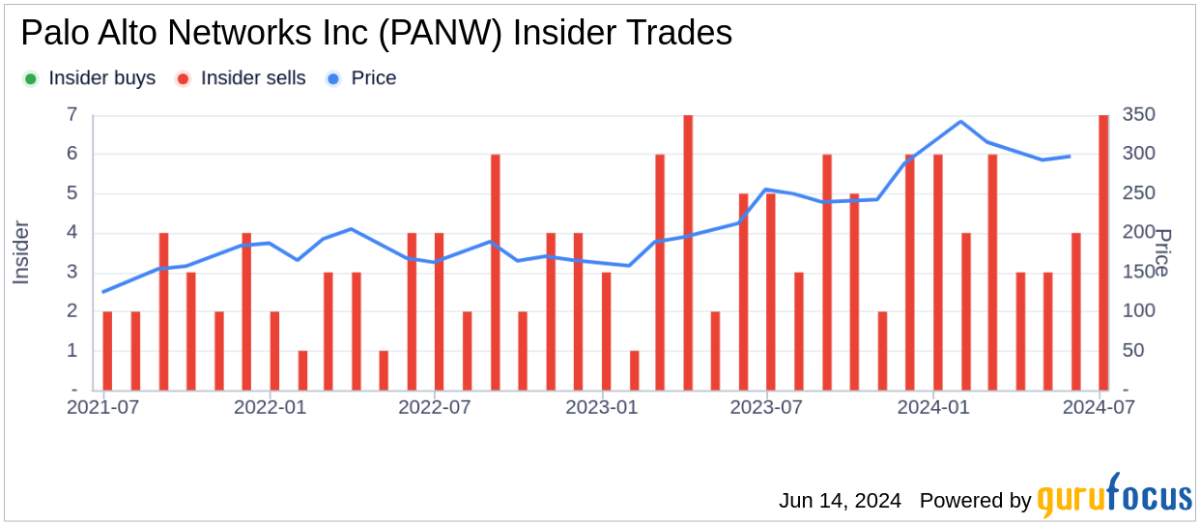
- Cybersecurity Stock Performance: Shares of Palo Alto Networks rose approximately 7.5%, while CrowdStrike jumped over 6%, driven by increased demand for cybersecurity as Chinese AI systems can now identify vulnerabilities, enhancing the urgency for robust cybersecurity measures.
- Investor Strategy: Jim Cramer noted that despite challenges faced by megacap tech stocks due to shifting market dynamics, there remains an opportunity to regain market trust through strategic adjustments, urging investors to stay informed on these developments to optimize their portfolios.
See More

Alphabet Officially Joins Dow Jones Amid AI Concerns

- Dow Inclusion: Alphabet shares rose 4% on Monday as the company officially joined the Dow Jones Industrial Average, replacing Verizon, despite ongoing stock pressure, highlighting its symbolic blue-chip status.
- Poor Stock Performance: Even with Monday's gain, Alphabet is tracking for its worst month since February last year, with six out of the past seven weeks in the red, reflecting market concerns over the returns from its AI investments.
- Insufficient Compute Capacity: Alphabet reportedly lacks the compute capacity to meet demand from enterprise clients like Meta and is turning to infrastructure rivals such as SpaceX for assistance, indicating competitive pressures in the AI sector.
- Deteriorating Financial Health: Alphabet's cash reserves are shrinking, having skipped stock buybacks in Q1 for the first time in nearly a decade, and has raised over $140 billion in debt and equity amid escalating AI capital expenditure competition, reflecting a decline in its financial health.
See More

Alphabet Officially Joins Dow Jones Industrial Average Amidst Investor Concerns
- Dow Inclusion: Alphabet officially joined the Dow Jones Industrial Average on Monday, replacing Verizon, and while the stock rose 4%, it is still tracking for its worst month since February last year.
- Investor Concerns: Investor worries center on AI execution, with compute shortages, lower-cost Chinese models, DeepMind talent exits, and reduced buybacks raising questions about the returns on Alphabet's capital expenditures.
- Compute Capacity Issues: Alphabet is struggling to meet compute demands from enterprise clients like Meta and is turning to infrastructure rivals, including SpaceX, to help close the gap, highlighting competitive pressures in the AI sector.
- Financial Strain: Alphabet's cash reserves are shrinking, having skipped buybacks in the first quarter for the first time in nearly a decade, and has raised over $140 billion in debt and equity amid escalating AI capital expenditure competition.
See More
Zuckerberg Pushes Meta to Explore Partnerships in Prediction Markets
- New App Development: CEO Mark Zuckerberg has urged his team to explore partnerships with Polymarket and Kalshi to develop a prediction market app named Arena, targeting 18 to 34-year-olds with a goal of reaching 100 million monthly active users, indicating the company's focus on the younger demographic.
- Market Differentiation: Arena will differentiate itself from existing platforms like Polymarket and Kalshi by utilizing a video game-like points system instead of real-money wagers, which could attract a broader user base and lower the barriers to entry for participation.
- Internal Testing Phase: Currently, Arena is in the internal testing phase, and while its official release is uncertain, the project's advancement suggests that Meta is actively exploring new business models to adapt to the evolving market demands.
- Integration Plans: Meta plans to eventually integrate parts of Arena into Facebook and Messenger, a strategic move that could enhance user engagement and potentially create new revenue streams, further solidifying its leadership position in the social media landscape.
See More
Tech Giants Continue to Drive Market Momentum
- Google's Financial Growth: Alphabet (GOOGL) has achieved a 19% year-over-year increase in search revenue to $60.4 billion by integrating Gemini models into its core search and services, showcasing significant returns on its AI investments and boosting long-term investor confidence.
- Cloud Computing Engine: Google Cloud revenue surged 63% year-over-year to $20 billion, with operating income tripling to $6.6 billion, indicating the company's pivotal role in the shift of enterprise workloads to AI, further solidifying its market position.
- Meta's Ad Optimization: Meta Platforms (META) projects capital expenditures between $125 billion and $145 billion in 2026, leveraging advanced AI and machine learning to optimize ad targeting, resulting in a 33% year-over-year revenue increase to $56.3 billion and a 61% rise in net income to $26.8 billion, highlighting the strength of its advertising engine.
- Microsoft's Market Lock-in: Microsoft (MSFT) has established strong market lock-in through its Windows, Office, and Azure ecosystem, with total revenue growing 18.3% year-over-year to $82.9 billion, and Azure revenue increasing by 40%, reflecting robust demand for AI computing and storage, thereby enhancing the company's profitability.
See More
US Stocks Rise, Led by Technology Sector Gains
- Tech Sector Surge: Major US stock indices rose today, with the Nasdaq 100 up 1.08%, primarily driven by gains in the Magnificent Seven tech stocks, indicating strong market confidence in the technology sector that may attract further investor interest.
- Geopolitical Easing: The US and Iran reached a temporary ceasefire agreement, easing tensions in the Strait of Hormuz, which positively impacted the market as crude oil prices rose over 1%, while reducing demand for safe-haven assets, thus boosting stock prices.
- Economic Confidence Rise: The Eurozone's June economic confidence indicator increased to 95.0, surpassing expectations of 94.3, signaling signs of economic recovery that could influence future monetary policy decisions and further support market sentiment.
- Mixed Stock Performance: Stocks like Amazon and Tesla rose over 4%, while Apple saw a decline of 0.56%, reflecting varied market reactions to different companies, prompting investors to pay attention to individual stock fundamentals.
See More
US Stocks Rebound as Oil Prices Stabilize
- Market Rebound: The S&P 500 rose on Monday, bouncing back from last week's pullback, indicating resilience in the market and a recovery in investor confidence for future performance.
- Oil Price Dynamics: West Texas Intermediate crude advanced to about $70 per barrel after Iran and the U.S. agreed to a ceasefire, allowing commercial vessels to pass freely through the Strait of Hormuz, which helps stabilize oil prices and may influence bond yields.
- Cybersecurity Stock Performance: Shares of Palo Alto Networks rose approximately 7.5%, while CrowdStrike jumped over 6%, driven by increased demand for cybersecurity as Chinese AI systems can now identify vulnerabilities, enhancing the urgency for robust cybersecurity measures.
- Investor Strategy: Jim Cramer noted that despite challenges faced by megacap tech stocks due to shifting market dynamics, there remains an opportunity to regain market trust through strategic adjustments, urging investors to stay informed on these developments to optimize their portfolios.
See More
Alphabet Officially Joins Dow Jones Amid AI Concerns
- Dow Inclusion: Alphabet shares rose 4% on Monday as the company officially joined the Dow Jones Industrial Average, replacing Verizon, despite ongoing stock pressure, highlighting its symbolic blue-chip status.
- Poor Stock Performance: Even with Monday's gain, Alphabet is tracking for its worst month since February last year, with six out of the past seven weeks in the red, reflecting market concerns over the returns from its AI investments.
- Insufficient Compute Capacity: Alphabet reportedly lacks the compute capacity to meet demand from enterprise clients like Meta and is turning to infrastructure rivals such as SpaceX for assistance, indicating competitive pressures in the AI sector.
- Deteriorating Financial Health: Alphabet's cash reserves are shrinking, having skipped stock buybacks in Q1 for the first time in nearly a decade, and has raised over $140 billion in debt and equity amid escalating AI capital expenditure competition, reflecting a decline in its financial health.
See More
Alphabet Officially Joins Dow Jones Industrial Average Amidst Investor Concerns
- Dow Inclusion: Alphabet officially joined the Dow Jones Industrial Average on Monday, replacing Verizon, and while the stock rose 4%, it is still tracking for its worst month since February last year.
- Investor Concerns: Investor worries center on AI execution, with compute shortages, lower-cost Chinese models, DeepMind talent exits, and reduced buybacks raising questions about the returns on Alphabet's capital expenditures.
- Compute Capacity Issues: Alphabet is struggling to meet compute demands from enterprise clients like Meta and is turning to infrastructure rivals, including SpaceX, to help close the gap, highlighting competitive pressures in the AI sector.
- Financial Strain: Alphabet's cash reserves are shrinking, having skipped buybacks in the first quarter for the first time in nearly a decade, and has raised over $140 billion in debt and equity amid escalating AI capital expenditure competition.
See More