Merck Shares Rebound After Acquisition of Terns Pharmaceuticals
- Stock Rebound: After six consecutive days of losses, Merck's shares rose 2.17% to $117.97 on Friday afternoon, indicating a renewed market confidence in the company's future performance.
- Acquisition Strategy: Merck's acquisition of Terns Pharmaceuticals for $53 per share, totaling approximately $6.7 billion, aims to strengthen its oncology pipeline, with analysts maintaining a Buy rating, viewing this move as crucial to offsetting the upcoming Keytruda patent expiry.
- Positive Clinical Data: Early-stage data for TERN-701 shows strong response rates outperforming existing therapies like Novartis' Scemblix, highlighting its strategic significance as a potential growth driver, despite execution and regulatory risks.
- Regulatory Approval: The European Commission approved Merck's Keytruda-based combination therapy with chemotherapy (paclitaxel) for certain adults with ovarian cancer, expanding its use in platinum-resistant disease, further solidifying Merck's market position in cancer treatment.
Trade with 70% Backtested Accuracy
Analyst Views on MRK

About MRK
About the author


EUROPEAN COMMISSION GIVES GREEN LIGHT TO MERCK'S ENFLONSIA™ (CLESROVIMAB) FOR INFANT RSV LOWER RESPIRATORY TRACT DISEASE PREVENTION IN FIRST RSV SEASON

Approval of Vaccine: The European Commission has approved Merck's Senflonasia™ (Clesrovimab) for the prevention of respiratory syncytial virus (RSV) in infants during their first RSV season.
Target Population: The vaccine is specifically aimed at lowering the risk of respiratory tract disease caused by RSV in infants, addressing a significant health concern in this vulnerable age group.

Analysis of Dividend Stocks in the Pharmaceutical Industry

- Merck's Challenges and Opportunities: Despite declining sales of its HPV vaccines due to issues in Asia, Merck's Keytruda remains the world's best-selling cancer drug, with a new subcutaneous version expected to attract more patients in the next two years, thereby sustaining sales growth and enhancing market competitiveness.
- Merck's Financial Performance: With a market cap of $285 billion and a current stock price of $118.32, Merck boasts a dividend yield of 2.88% and has increased its dividends by 93.8% over the past decade, demonstrating strong financial stability and long-term investment appeal.
- Novartis' Diversification Advantage: After losing patent exclusivity for Entresto, Novartis still managed revenue growth in 2025, with 15 of its medicines generating over $1 billion in annual sales, showcasing the depth of its product lineup and market adaptability.
- Novartis' Dividend Performance: Novartis has a market cap of $274 billion and a current stock price of $152.25, with a dividend yield of 3.17%, having raised its dividends every year since 1996, reflecting the safety and attractiveness of its dividend policy.

Merck Shares Rebound After Acquisition of Terns Pharmaceuticals
- Stock Rebound: After six consecutive days of losses, Merck's shares rose 2.17% to $117.97 on Friday afternoon, indicating a renewed market confidence in the company's future performance.
- Acquisition Strategy: Merck's acquisition of Terns Pharmaceuticals for $53 per share, totaling approximately $6.7 billion, aims to strengthen its oncology pipeline, with analysts maintaining a Buy rating, viewing this move as crucial to offsetting the upcoming Keytruda patent expiry.
- Positive Clinical Data: Early-stage data for TERN-701 shows strong response rates outperforming existing therapies like Novartis' Scemblix, highlighting its strategic significance as a potential growth driver, despite execution and regulatory risks.
- Regulatory Approval: The European Commission approved Merck's Keytruda-based combination therapy with chemotherapy (paclitaxel) for certain adults with ovarian cancer, expanding its use in platinum-resistant disease, further solidifying Merck's market position in cancer treatment.
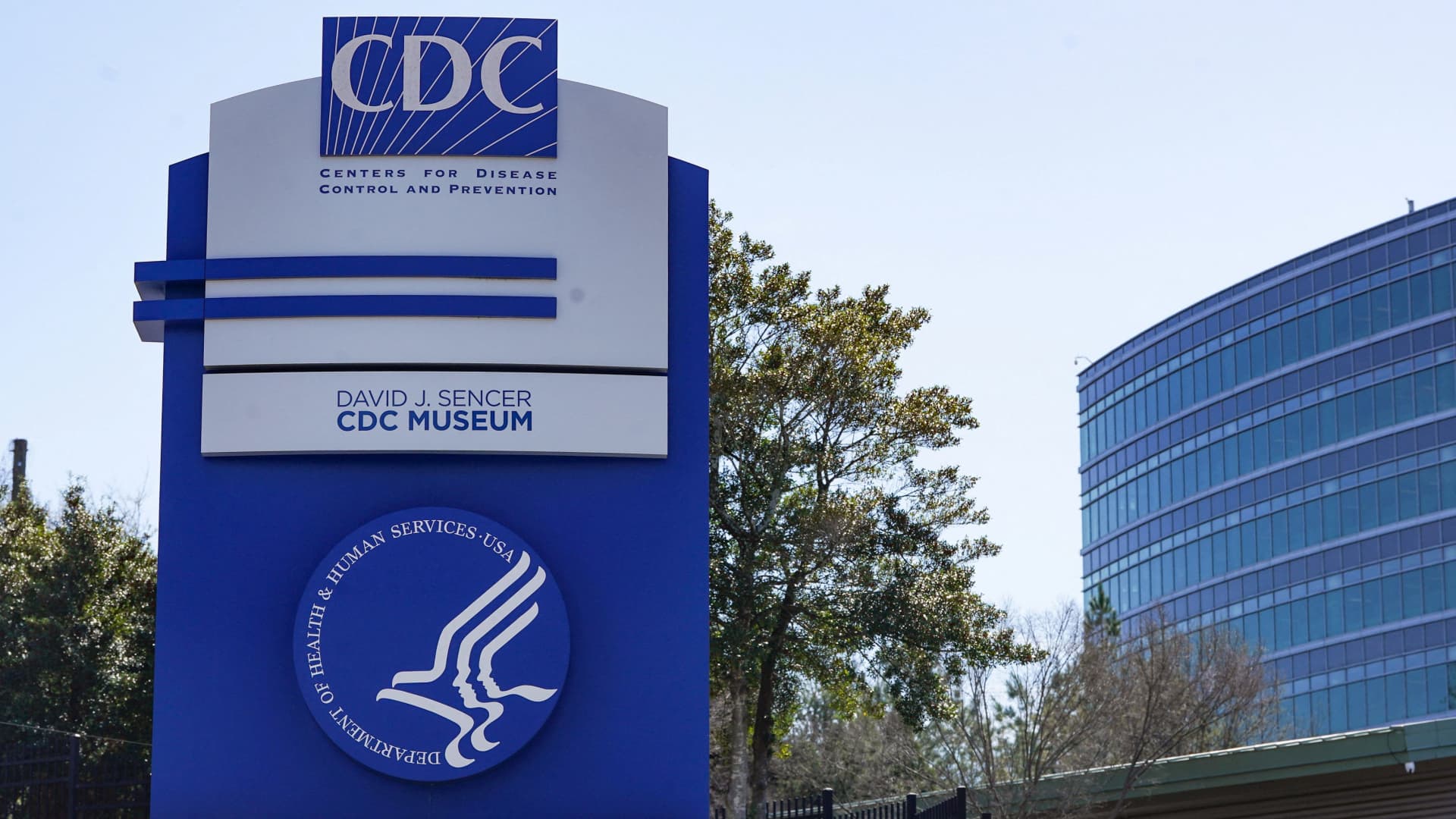
Trump Nominates New CDC Director Amid Turmoil

- Leadership Changes: Trump has nominated Erica Schwartz to serve as the CDC director, concluding a months-long search, with her confirmation pending Senate approval, which could significantly influence the agency's future direction.
- Interim Leadership Issues: Prior to Schwartz's nomination, Jay Bhattacharya served as acting director, but his term expired last month, highlighting instability within the CDC as the Vacancies Act limits interim officials to 210 days.
- Vaccine Policy Controversy: Amid leadership upheaval, declining morale, and significant staff turnover, the CDC faces major changes to U.S. vaccine policy, particularly after a judge blocked efforts to reduce the number of recommended childhood vaccinations, exacerbating public trust issues.
- Declining Public Trust: A February poll from KFF indicates a significant drop in public trust in federal health agencies during Kennedy's tenure as Secretary of Health and Human Services, which may hinder the CDC's effectiveness and implementation of future public health policies.

Analysis and Recommendations on Stocks Near Market Highs
- Allient Stock Risks: Allient (NASDAQ:ALNT) has experienced a 2.1% annual sales decline over the past two years, indicating its products have struggled to meet market demand, leading to a concerning 2.7% annual drop in earnings per share, with the current stock price at $73 and a forward P/E of 26.1, suggesting caution for investors.
- SLB Stock Warning: SLB (NYSE:SLB) has seen a 1.2% annual sales decline over the past decade, reflecting unfavorable market trends, and despite a gross margin of 21.5%, high production costs and an unfavorable asset base present challenges, with the current stock price at $52.19 and a forward P/E of 19.3, prompting investors to reassess their holdings.
- Merck Stock Advantages: Merck (NYSE:MRK) boasts a substantial revenue base of $65.09 billion, providing competitive advantages in a complex regulatory environment, with a 30.8 percentage point improvement in adjusted operating margin over the past two years, indicating efficient scaling, and a current stock price of $120.67 with a forward P/E of 23.8, making it a worthy consideration for investors.
- Market Trend Analysis: While several stocks are trading near their 52-week highs, investors should remain cautious of short-term trends, and selecting fundamentally strong stocks like Merck may yield better returns in the future.
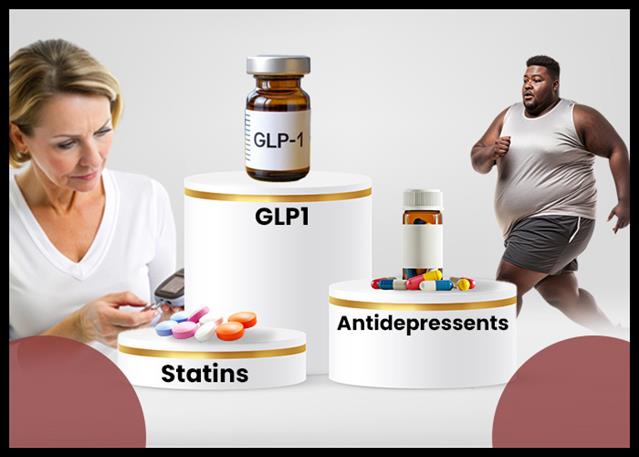
Rapid Growth of GLP-1 Drug Market

- Market Surge: According to Markets and Markets, the GLP-1 agonist market grew from $53.74 billion in 2024 to $64.42 billion in 2025, with projections reaching $170.75 billion by 2033, indicating a robust demand for obesity and diabetes treatments.
- New Drug Approval: In 2025, Novo Nordisk's Wegovy received FDA approval as the first oral GLP-1 weight-loss medication, marking a significant breakthrough in treatment options, particularly for those with trypanophobia, which is expected to further drive market demand.
- Top-Selling Drugs: In 2025, Mounjaro led the GLP-1 drug market with $22.97 billion in sales, followed by Ozempic and Zepbound with $20 billion and $13.54 billion, respectively, showcasing the strong appeal of GLP-1 therapies globally.
- Patent Protection and Competition: While Ozempic and Wegovy are protected by patents in the U.S. until around 2032, generics have already launched in India and are expected in China, intensifying market competition and potentially impacting the market share of original branded drugs.
EUROPEAN COMMISSION GIVES GREEN LIGHT TO MERCK'S ENFLONSIA™ (CLESROVIMAB) FOR INFANT RSV LOWER RESPIRATORY TRACT DISEASE PREVENTION IN FIRST RSV SEASON
Approval of Vaccine: The European Commission has approved Merck's Senflonasia™ (Clesrovimab) for the prevention of respiratory syncytial virus (RSV) in infants during their first RSV season.
Target Population: The vaccine is specifically aimed at lowering the risk of respiratory tract disease caused by RSV in infants, addressing a significant health concern in this vulnerable age group.
Analysis of Dividend Stocks in the Pharmaceutical Industry
- Merck's Challenges and Opportunities: Despite declining sales of its HPV vaccines due to issues in Asia, Merck's Keytruda remains the world's best-selling cancer drug, with a new subcutaneous version expected to attract more patients in the next two years, thereby sustaining sales growth and enhancing market competitiveness.
- Merck's Financial Performance: With a market cap of $285 billion and a current stock price of $118.32, Merck boasts a dividend yield of 2.88% and has increased its dividends by 93.8% over the past decade, demonstrating strong financial stability and long-term investment appeal.
- Novartis' Diversification Advantage: After losing patent exclusivity for Entresto, Novartis still managed revenue growth in 2025, with 15 of its medicines generating over $1 billion in annual sales, showcasing the depth of its product lineup and market adaptability.
- Novartis' Dividend Performance: Novartis has a market cap of $274 billion and a current stock price of $152.25, with a dividend yield of 3.17%, having raised its dividends every year since 1996, reflecting the safety and attractiveness of its dividend policy.
Merck Shares Rebound After Acquisition of Terns Pharmaceuticals
- Stock Rebound: After six consecutive days of losses, Merck's shares rose 2.17% to $117.97 on Friday afternoon, indicating a renewed market confidence in the company's future performance.
- Acquisition Strategy: Merck's acquisition of Terns Pharmaceuticals for $53 per share, totaling approximately $6.7 billion, aims to strengthen its oncology pipeline, with analysts maintaining a Buy rating, viewing this move as crucial to offsetting the upcoming Keytruda patent expiry.
- Positive Clinical Data: Early-stage data for TERN-701 shows strong response rates outperforming existing therapies like Novartis' Scemblix, highlighting its strategic significance as a potential growth driver, despite execution and regulatory risks.
- Regulatory Approval: The European Commission approved Merck's Keytruda-based combination therapy with chemotherapy (paclitaxel) for certain adults with ovarian cancer, expanding its use in platinum-resistant disease, further solidifying Merck's market position in cancer treatment.
Trump Nominates New CDC Director Amid Turmoil
- Leadership Changes: Trump has nominated Erica Schwartz to serve as the CDC director, concluding a months-long search, with her confirmation pending Senate approval, which could significantly influence the agency's future direction.
- Interim Leadership Issues: Prior to Schwartz's nomination, Jay Bhattacharya served as acting director, but his term expired last month, highlighting instability within the CDC as the Vacancies Act limits interim officials to 210 days.
- Vaccine Policy Controversy: Amid leadership upheaval, declining morale, and significant staff turnover, the CDC faces major changes to U.S. vaccine policy, particularly after a judge blocked efforts to reduce the number of recommended childhood vaccinations, exacerbating public trust issues.
- Declining Public Trust: A February poll from KFF indicates a significant drop in public trust in federal health agencies during Kennedy's tenure as Secretary of Health and Human Services, which may hinder the CDC's effectiveness and implementation of future public health policies.
Analysis and Recommendations on Stocks Near Market Highs
- Allient Stock Risks: Allient (NASDAQ:ALNT) has experienced a 2.1% annual sales decline over the past two years, indicating its products have struggled to meet market demand, leading to a concerning 2.7% annual drop in earnings per share, with the current stock price at $73 and a forward P/E of 26.1, suggesting caution for investors.
- SLB Stock Warning: SLB (NYSE:SLB) has seen a 1.2% annual sales decline over the past decade, reflecting unfavorable market trends, and despite a gross margin of 21.5%, high production costs and an unfavorable asset base present challenges, with the current stock price at $52.19 and a forward P/E of 19.3, prompting investors to reassess their holdings.
- Merck Stock Advantages: Merck (NYSE:MRK) boasts a substantial revenue base of $65.09 billion, providing competitive advantages in a complex regulatory environment, with a 30.8 percentage point improvement in adjusted operating margin over the past two years, indicating efficient scaling, and a current stock price of $120.67 with a forward P/E of 23.8, making it a worthy consideration for investors.
- Market Trend Analysis: While several stocks are trading near their 52-week highs, investors should remain cautious of short-term trends, and selecting fundamentally strong stocks like Merck may yield better returns in the future.
Rapid Growth of GLP-1 Drug Market
- Market Surge: According to Markets and Markets, the GLP-1 agonist market grew from $53.74 billion in 2024 to $64.42 billion in 2025, with projections reaching $170.75 billion by 2033, indicating a robust demand for obesity and diabetes treatments.
- New Drug Approval: In 2025, Novo Nordisk's Wegovy received FDA approval as the first oral GLP-1 weight-loss medication, marking a significant breakthrough in treatment options, particularly for those with trypanophobia, which is expected to further drive market demand.
- Top-Selling Drugs: In 2025, Mounjaro led the GLP-1 drug market with $22.97 billion in sales, followed by Ozempic and Zepbound with $20 billion and $13.54 billion, respectively, showcasing the strong appeal of GLP-1 therapies globally.
- Patent Protection and Competition: While Ozempic and Wegovy are protected by patents in the U.S. until around 2032, generics have already launched in India and are expected in China, intensifying market competition and potentially impacting the market share of original branded drugs.