Memory ETF Surges Driven by AI Demand
Written by Emily J. Thompson, Senior Investment Analyst
Updated: 2 days ago
0mins
Should l Buy MU?
Source: Fool
- Strong ETF Performance: The Roundhill Memory ETF has surged 39% since its April launch, reflecting robust market demand and attracting investors looking to invest in memory and storage stocks.
- Concentration Risk: With only 11 holdings, the ETF's performance is heavily reliant on just three stocks—SK Hynix, Micron Technology, and Samsung Electronics—which together account for 73% of the portfolio, raising concerns about concentration risk.
- Expense Ratio Evaluation: Although the ETF's expense ratio stands at 0.65%, higher than many other ETFs, its impressive early gains and potential for long-term growth may still appeal to growth-oriented investors.
- Market Risk Warning: As supply catches up with demand, prices for memory and storage products may decline, putting pressure on these high-flying stocks, thus investors should carefully assess the risks before considering this ETF.
Trade with 70% Backtested Accuracy
Stop guessing "Should I Buy MU?" and start using high-conviction signals backed by rigorous historical data.
Sign up today to access powerful investing tools and make smarter, data-driven decisions.
Analyst Views on MU
Wall Street analysts forecast MU stock price to fall
26 Analyst Rating
24 Buy
2 Hold
0 Sell
Strong Buy
Current: 517.160

Low
235.00
Averages
336.12
High
500.00
Current: 517.160
Low
235.00
Averages
336.12
High
500.00
About MU
Micron Technology, Inc. provides memory and storage solutions. The Company delivers a portfolio of high-performance dynamic random-access memory (DRAM), NAND, and NOR memory and storage products through its Micron and Crucial brands. The Company's products enable advancing in artificial intelligence (AI) and compute-intensive applications. Its segments include Cloud Memory Business Unit (CMBU), Core Data Center Business Unit (CDBU), Mobile and Client Business Unit (MCBU) and Automotive and Embedded Business Unit (AEBU). CMBU is focused on memory solutions for large hyperscale cloud customers, and high bandwidth memory (HBM) for all data center customers. CDBU is focused on memory solutions for mid-tier cloud, enterprise, and OEM data center customers and storage solutions for all data center customers. MCBU is focused on memory and storage solutions for mobile and client segments. AEBU is focused on memory and storage solutions for the automotive, industrial, and consumer segments.
About the author

Emily J. Thompson
Emily J. Thompson, a Chartered Financial Analyst (CFA) with 12 years in investment research, graduated with honors from the Wharton School. Specializing in industrial and technology stocks, she provides in-depth analysis for Intellectia’s earnings and market brief reports.

Micron Technology: A Key Player in the AI Wave

- Surging Market Demand: Micron Technology's high bandwidth memory (HBM) products have seen significant sales growth due to skyrocketing demand for AI infrastructure, which is expected to propel the company's market valuation towards the $1 trillion mark.
- Production Capacity Expansion: The company is increasing investments in advanced manufacturing nodes to lower long-term chip production costs while meeting AI-driven order demands, ensuring it maintains a competitive edge in a fierce market.
- Improved Profitability: By raising average selling prices and enhancing operational efficiencies, Micron's profit margins have reached new highs, marking a transformation from a cyclical storage business to a more profitable enterprise, thereby strengthening its market competitiveness.
- Future Growth Potential: Wall Street predicts that Micron's earnings per share will increase nearly fivefold over the next two years, indicating that AI infrastructure spending will serve as a multiyear catalyst, further solidifying its position in the semiconductor industry.
See More
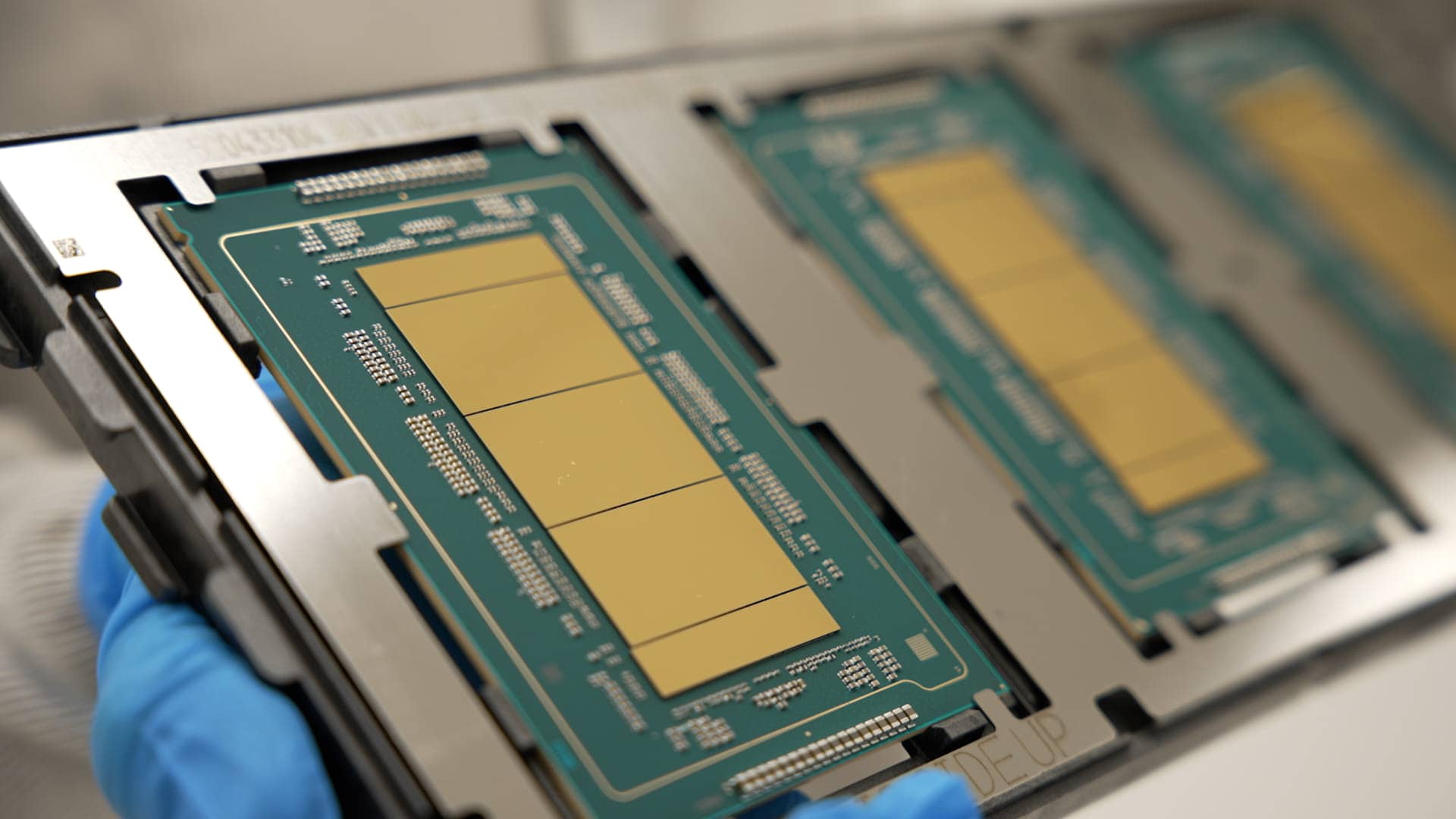
Semiconductor Stocks Surge as Market Confidence Rebounds


- Market Confidence Rebounds: After a 6.3% decline in March, the Nasdaq Semiconductor Index surged 35.2% in April, reflecting a renewed investor confidence in the AI infrastructure cycle, which has significantly improved overall market sentiment.
- Intel's Standout Performance: Intel achieved its best single-day performance since 1987 last Friday, driven by earnings that exceeded expectations and an optimistic guidance, further solidifying its leadership position in the semiconductor industry.
- Rising Demand Expectations: Analysts indicate that the growth in AI demand is translating into real revenue, leading to upward revisions in earnings estimates for semiconductor companies, particularly as investments in large AI infrastructure projects continue to rise.
- Geopolitical Impacts: Despite the market's optimistic growth narrative, the bottlenecks caused by the Iran war and the export restrictions on critical materials like helium may pose substantial risks to chip manufacturing, reminding investors to remain vigilant about potential challenges.
See More
Chip Stocks Rebound with Nasdaq Index Rising 35%
- Market Rebound: After a 6.3% decline in March, the Nasdaq Semiconductor Index rebounded by 35.2% in April, reflecting a restoration of investor confidence in the chip sector and improving overall market sentiment.
- Intel's Standout Performance: Intel achieved its best day since 1987 last Friday, driven by earnings that exceeded expectations and an optimistic guidance, further solidifying its leadership position in the semiconductor market.
- Growing Demand Signals: Analysts noted that the demand for AI infrastructure is translating into real revenue growth, fostering optimistic projections for chip companies, particularly as capital expenditures for large AI infrastructure projects remain robust.
- Geopolitical Impact: Despite the market's optimistic outlook on growth, the Iran war has created supply chain bottlenecks and restricted exports of critical materials like helium, which could significantly impact chip manufacturing, reminding investors to be aware of potential risk factors.
See More

Netlist Shares Surge 54% in April Amid Patent Wins and Market Momentum
- Significant Stock Surge: Netlist's shares soared 54% in April, marking its best month in three years, driven by patent litigation victories and broader momentum in the memory chip sector, indicating strong performance in a competitive market.
- Market Capitalization Growth: As of Thursday, Netlist's market capitalization reached $734 million, with the stock up over 400% since its 52-week low in November last year, reflecting investor confidence in its future growth potential.
- Patent Litigation Progress: Netlist is engaged in patent lawsuits against major players like Samsung and Google, with the recent affirmation of its patent validity by the U.S. Court of Appeals further solidifying its market position and potentially impacting future market share.
- Analyst Optimism: The sole analyst covering Netlist has assigned a 'Buy' rating with a price target of $3, which is 30% higher than the stock's last close, indicating a positive outlook on its future performance.
See More

Analyst Initiates Buy Rating on Micron with $1,000 Target
- Analyst Rating: DA Davidson analyst Gil Luria initiated coverage of Micron (MU) this week with a buy rating and a $1,000 price target, nearly double its current trading price, reflecting strong confidence in the company's future growth potential.
- Revenue Forecast: Luria projects that Micron could generate $393 billion in revenue in fiscal 2030, based on an earnings forecast of $139 per share and a price-to-earnings ratio of 10, indicating a significant underestimation of its future profitability by the market.
- Market Cycle Analysis: While the memory market remains cyclical, Luria believes the current expansion phase will be longer-lasting than typical, particularly due to the demand for memory chips driven by AI infrastructure development.
- Strategic Shift: Micron's strategic move to sign five-year sales agreements for high bandwidth memory (HBM) enhances visibility into future sales and earnings, which is expected to further solidify its competitive position in the DRAM market.
See More

DA Davidson Sets Micron Price Target at $1,000 Amid AI Boom
- Analyst Rating Upgrade: DA Davidson analyst Gil Luria has set a 12-month price target of $1,000 for Micron (NASDAQ: MU), nearly double its current trading price, indicating strong confidence in the company's future growth potential.
- Strong Revenue Projections: Luria anticipates that Micron could generate $393 billion in revenue for fiscal 2030, based on an earnings forecast of $139 per share, reflecting optimistic market expectations regarding Micron's future profitability.
- Market Cycle Shift: Luria notes that the current memory cycle is different from past cycles, expected to be prolonged due to the build-out of AI infrastructure, although the market still underestimates the strength and duration of this expansion phase.
- Strategic Transformation: Micron's shift to signing five-year sales agreements for high bandwidth memory (HBM) enhances its visibility into future sales and earnings, further solidifying its competitive position in the DRAM market.
See More
Micron Technology: A Key Player in the AI Wave
- Surging Market Demand: Micron Technology's high bandwidth memory (HBM) products have seen significant sales growth due to skyrocketing demand for AI infrastructure, which is expected to propel the company's market valuation towards the $1 trillion mark.
- Production Capacity Expansion: The company is increasing investments in advanced manufacturing nodes to lower long-term chip production costs while meeting AI-driven order demands, ensuring it maintains a competitive edge in a fierce market.
- Improved Profitability: By raising average selling prices and enhancing operational efficiencies, Micron's profit margins have reached new highs, marking a transformation from a cyclical storage business to a more profitable enterprise, thereby strengthening its market competitiveness.
- Future Growth Potential: Wall Street predicts that Micron's earnings per share will increase nearly fivefold over the next two years, indicating that AI infrastructure spending will serve as a multiyear catalyst, further solidifying its position in the semiconductor industry.
See More
Semiconductor Stocks Surge as Market Confidence Rebounds
- Market Confidence Rebounds: After a 6.3% decline in March, the Nasdaq Semiconductor Index surged 35.2% in April, reflecting a renewed investor confidence in the AI infrastructure cycle, which has significantly improved overall market sentiment.
- Intel's Standout Performance: Intel achieved its best single-day performance since 1987 last Friday, driven by earnings that exceeded expectations and an optimistic guidance, further solidifying its leadership position in the semiconductor industry.
- Rising Demand Expectations: Analysts indicate that the growth in AI demand is translating into real revenue, leading to upward revisions in earnings estimates for semiconductor companies, particularly as investments in large AI infrastructure projects continue to rise.
- Geopolitical Impacts: Despite the market's optimistic growth narrative, the bottlenecks caused by the Iran war and the export restrictions on critical materials like helium may pose substantial risks to chip manufacturing, reminding investors to remain vigilant about potential challenges.
See More
Chip Stocks Rebound with Nasdaq Index Rising 35%
- Market Rebound: After a 6.3% decline in March, the Nasdaq Semiconductor Index rebounded by 35.2% in April, reflecting a restoration of investor confidence in the chip sector and improving overall market sentiment.
- Intel's Standout Performance: Intel achieved its best day since 1987 last Friday, driven by earnings that exceeded expectations and an optimistic guidance, further solidifying its leadership position in the semiconductor market.
- Growing Demand Signals: Analysts noted that the demand for AI infrastructure is translating into real revenue growth, fostering optimistic projections for chip companies, particularly as capital expenditures for large AI infrastructure projects remain robust.
- Geopolitical Impact: Despite the market's optimistic outlook on growth, the Iran war has created supply chain bottlenecks and restricted exports of critical materials like helium, which could significantly impact chip manufacturing, reminding investors to be aware of potential risk factors.
See More
Netlist Shares Surge 54% in April Amid Patent Wins and Market Momentum
- Significant Stock Surge: Netlist's shares soared 54% in April, marking its best month in three years, driven by patent litigation victories and broader momentum in the memory chip sector, indicating strong performance in a competitive market.
- Market Capitalization Growth: As of Thursday, Netlist's market capitalization reached $734 million, with the stock up over 400% since its 52-week low in November last year, reflecting investor confidence in its future growth potential.
- Patent Litigation Progress: Netlist is engaged in patent lawsuits against major players like Samsung and Google, with the recent affirmation of its patent validity by the U.S. Court of Appeals further solidifying its market position and potentially impacting future market share.
- Analyst Optimism: The sole analyst covering Netlist has assigned a 'Buy' rating with a price target of $3, which is 30% higher than the stock's last close, indicating a positive outlook on its future performance.
See More
Analyst Initiates Buy Rating on Micron with $1,000 Target
- Analyst Rating: DA Davidson analyst Gil Luria initiated coverage of Micron (MU) this week with a buy rating and a $1,000 price target, nearly double its current trading price, reflecting strong confidence in the company's future growth potential.
- Revenue Forecast: Luria projects that Micron could generate $393 billion in revenue in fiscal 2030, based on an earnings forecast of $139 per share and a price-to-earnings ratio of 10, indicating a significant underestimation of its future profitability by the market.
- Market Cycle Analysis: While the memory market remains cyclical, Luria believes the current expansion phase will be longer-lasting than typical, particularly due to the demand for memory chips driven by AI infrastructure development.
- Strategic Shift: Micron's strategic move to sign five-year sales agreements for high bandwidth memory (HBM) enhances visibility into future sales and earnings, which is expected to further solidify its competitive position in the DRAM market.
See More
DA Davidson Sets Micron Price Target at $1,000 Amid AI Boom
- Analyst Rating Upgrade: DA Davidson analyst Gil Luria has set a 12-month price target of $1,000 for Micron (NASDAQ: MU), nearly double its current trading price, indicating strong confidence in the company's future growth potential.
- Strong Revenue Projections: Luria anticipates that Micron could generate $393 billion in revenue for fiscal 2030, based on an earnings forecast of $139 per share, reflecting optimistic market expectations regarding Micron's future profitability.
- Market Cycle Shift: Luria notes that the current memory cycle is different from past cycles, expected to be prolonged due to the build-out of AI infrastructure, although the market still underestimates the strength and duration of this expansion phase.
- Strategic Transformation: Micron's shift to signing five-year sales agreements for high bandwidth memory (HBM) enhances its visibility into future sales and earnings, further solidifying its competitive position in the DRAM market.
See More