Medline's IPO Marks Largest Private Equity Exit in U.S. History
Written by Emily J. Thompson, Senior Investment Analyst
Updated: Feb 03 2026
0mins


Should l Buy BX?
Source: CNBC
- Successful IPO: Medline went public on December 17, 2025, at Nasdaq, marking the largest private equity-backed IPO in U.S. history by raising over $7 billion, demonstrating strong market demand for medical supplies.
- Stock Performance: Since its debut, Medline's stock has surged nearly 30%, reflecting investor confidence in its growth potential and providing a positive signal for future IPOs of private equity-backed companies.
- Private Equity Market Dynamics: The number of global private equity exits rose 5.4% last year to 3,149, yet the total deal value declined by 21.2% year-over-year to $412.1 billion, indicating pressure and recalibration within the industry amid high interest rates.
- Investor Confidence: Due to stalled exits over recent years, private equity fundraising declined by 11% in 2025 to $490.81 billion, leading limited partners to be cautious about reinvesting, reflecting concerns over future investment returns.
Trade with 70% Backtested Accuracy
Stop guessing "Should I Buy BX?" and start using high-conviction signals backed by rigorous historical data.
Sign up today to access powerful investing tools and make smarter, data-driven decisions.
Analyst Views on BX
Wall Street analysts forecast BX stock price to rise
12 Analyst Rating
5 Buy
7 Hold
0 Sell
Moderate Buy
Current: 130.190

Low
166.00
Averages
176.60
High
205.00
Current: 130.190
Low
166.00
Averages
176.60
High
205.00
About BX
Blackstone Inc. is an alternative asset manager. Its asset management includes global investment strategies focused on real estate, private equity, infrastructure, life sciences, growth equity, credit, real assets, secondaries, and hedge funds. Its Real Estate segment comprises its management of opportunistic real estate funds, Core+ real estate funds, and real estate debt strategies. Its Private Equity segment includes its management of flagship Corporate Private Equity funds, sector and geographically focused Corporate Private Equity funds, core private equity funds, an investment platform, and others. Its Credit & Insurance segment consists of Blackstone Credit & Insurance, which is organized into three overarching strategies: private corporate credit, liquid corporate credit and infrastructure and asset-based credit. Its Multi-Asset Investing segment is organized into four investment platforms: Absolute Return, Multi-Strategy, Total Portfolio Management, and Public Real Assets.
About the author

Emily J. Thompson
Emily J. Thompson, a Chartered Financial Analyst (CFA) with 12 years in investment research, graduated with honors from the Wharton School. Specializing in industrial and technology stocks, she provides in-depth analysis for Intellectia’s earnings and market brief reports.

Blackstone Shares Surge 5.2% Following Analyst Upgrade

- Analyst Upgrade: Oppenheimer upgraded Blackstone's stock to 'Outperform,' labeling it a 'premier franchise at a very attractive valuation,' which led to a 5.2% increase in share price during the afternoon session, reflecting market optimism about its future performance.
- Price Target Increase: BMO Capital Markets raised its price target for Blackstone from $126 to $132 while maintaining an 'Outperform' rating, indicating analysts' confidence in the company's growth potential, which may attract more investor interest.
- New Investment Platform: Blackstone is advancing plans for a digital infrastructure investment platform, having filed to list the Blackstone Digital Infrastructure Trust on the NYSE, focusing on acquiring data centers, showcasing the company's strategic positioning in emerging markets to capitalize on digital transformation opportunities.
- Historic Fundraising Success: Blackstone's life sciences fund raised a record $6.3 billion, being oversubscribed and marking the largest private fund dedicated to the life sciences sector, demonstrating strong investor trust in Blackstone's investment strategy, and despite a 23.8% decline year-to-date, long-term investors still see significant returns.
See More

India's E-commerce Market Experiences Rapid Growth


- Investment Commitment: Amazon's pledge of $35 billion in India last year aims to digitize 12 million small businesses and enhance logistics infrastructure, demonstrating confidence in future market potential despite online shopping accounting for only 1.6% of GDP.
- User Growth Trend: According to Deloitte, India's e-commerce market experienced a compound annual growth of 23% from 2020 to 2025, with projections indicating it will reach $250 billion by 2030, highlighting both user growth and increased spending per shopper.
- Rise of Small City Consumers: Deloitte reports that over 60% of online shoppers come from smaller cities, marking a decisive shift in consumer dynamics and driving e-commerce order growth, indicating a rapid increase in purchasing power among these consumers.
- Quick Commerce Model: Amazon's quick commerce service, Amazon Now, sees a 25% month-over-month order growth, with Prime members tripling their shopping frequency, underscoring the significance of rapid delivery in meeting the demands of consumers in smaller cities.
See More
Amazon's Acquisition of Globalstar Boosts Space Ventures

- Core Business Growth: Amazon's stock has risen nearly 7.7% year-to-date, making it a standout performer among the 'Magnificent Seven,' reflecting strong growth in its e-commerce and cloud computing sectors, which solidifies its market leadership.
- Space Business Expansion: Amazon announced the completion of its acquisition of Globalstar, valuing the deal at $90 per share, which will enhance its low-Earth orbit satellite project by providing direct service for emergency communications.
- New Business Synergy: The partnership with Apple to integrate Globalstar's satellite connectivity into iPhones and Apple Watches is expected to enhance user experience and expand market share, further driving Amazon's diversification strategy.
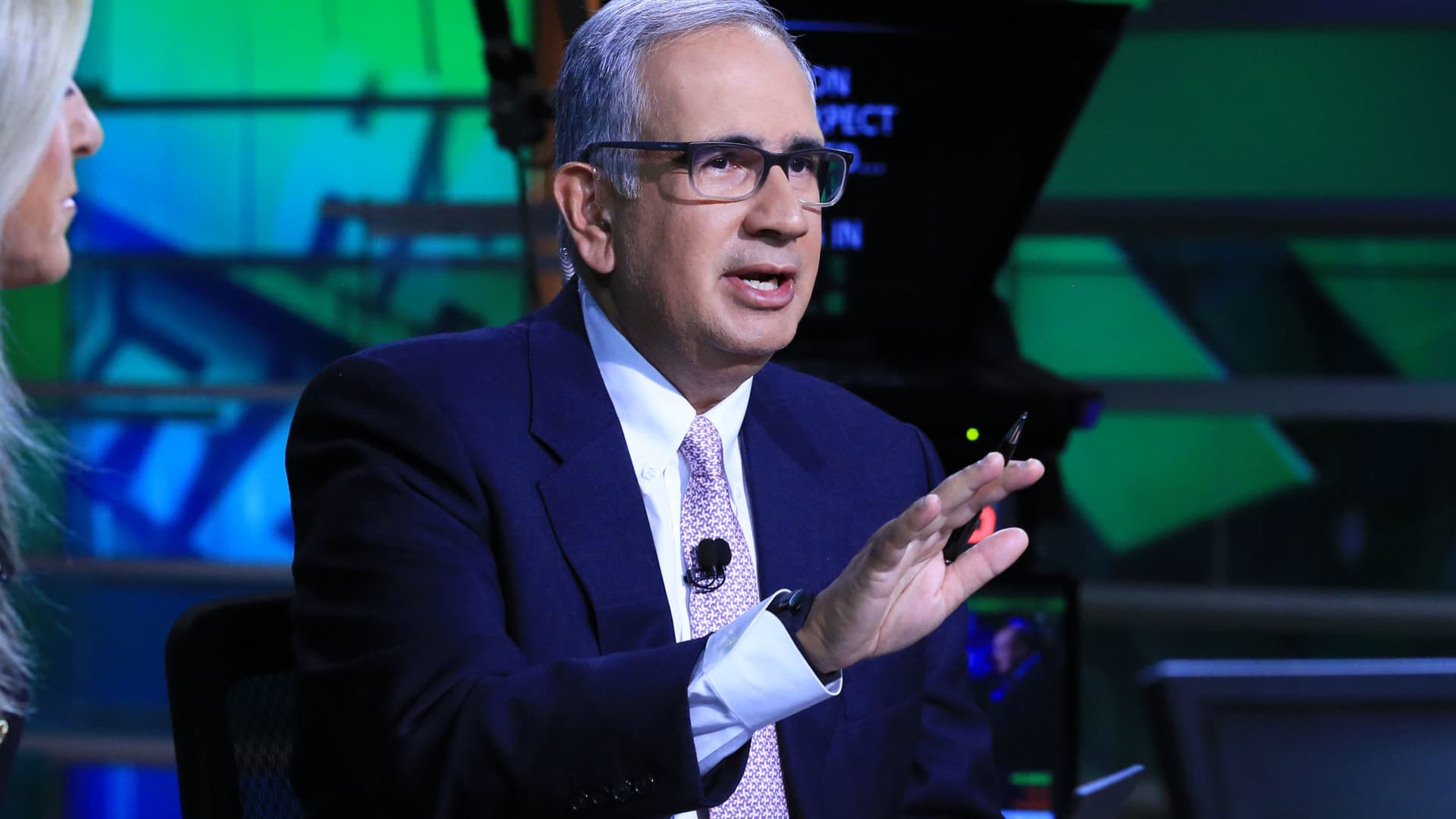
- Traditional Banking Sector Watch: While Sethi focuses on Amazon, traditional banking stocks like JPMorgan and Blackstone are also performing well, particularly JPMorgan, which beat first-quarter earnings expectations, indicating strong activity and growth potential in the overall financial market.
See More

Inflation and Private Credit Risks Intensify


- Strong Market Performance: Despite recession fears and consumer pessimism, the S&P 500 has risen nearly 30% over the past year, demonstrating market resilience and investor confidence; however, this optimism may be threatened by emerging risks.
- Rising Private Credit Risks: With increasing default rates in private credit, firms like Morgan Stanley and Blackstone have restricted investor withdrawals from their private credit funds, which could lead to liquidity crises and impact shareholder interests, highlighting vulnerabilities in the financial markets.
- Escalating Inflation Pressure: U.S. inflation surged from 2.4% to 3.3%, driven by rising oil and gas prices, which may not have been factored into private lending models, increasing the risk of borrower defaults and destabilizing related industries.
- Caution for Investors: Given the potential spread of inflation and private credit issues into the financial sector, investors should exercise caution when purchasing financial stocks or stocks of businesses vulnerable to inflation to avoid potential investment losses.
See More
The Truth Behind the Market Rally

- Market Rally Drivers: Since March 30, despite concerns over geopolitical tensions and private credit risks, the S&P 500 has rebounded close to its all-time high, demonstrating the market's resilience against negative expectations.
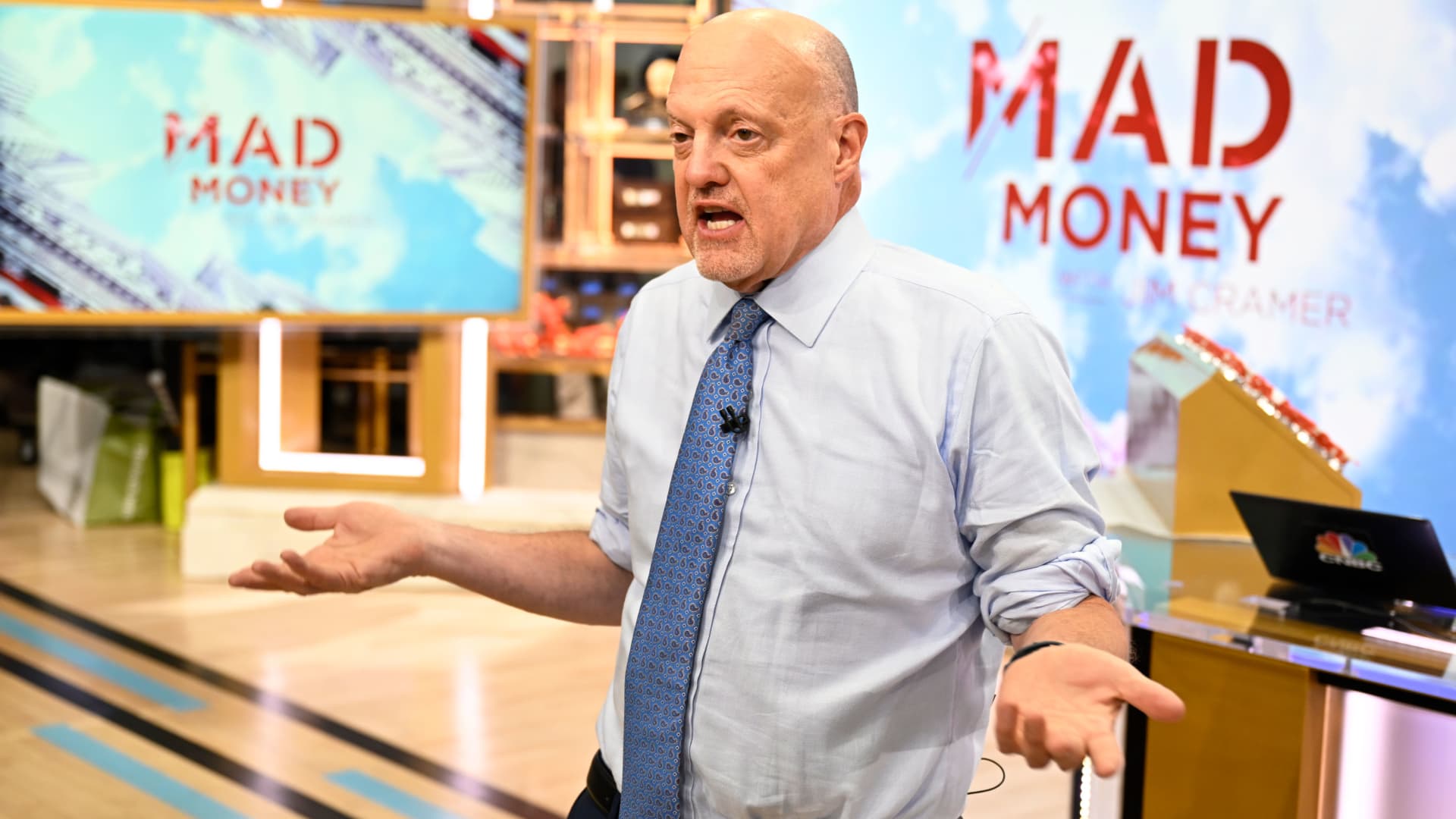
- Investor Sentiment Shift: Jim Cramer highlights that investors often flee the market out of fear, yet many of their worries have not materialized, with stable interest rates serving as a key driver of the market rally.
- Tech Stock Comeback: Major tech stocks like Nvidia, Amazon, and Alphabet have rebounded strongly despite negative narratives about competitive threats and slowing growth, with Nvidia's share price rising from $165 on March 30 to $196.51, showcasing market resilience.
- Cautious Market Outlook: Cramer warns that the current rally may be overly optimistic in the short term, advising investors to remain disciplined and avoid being pushed out of the market by fear-driven narratives.
See More

The Truth Behind the Market Rally
- Rally Analysis: Jim Cramer noted that the recent stock market rally is not based on substantial positives but rather on the failure of several negative predictions to materialize, leading to improved market sentiment, particularly with the Dow Jones Industrial Average gaining 318 points, or 0.66%.
- Geopolitical Impact: Despite investor fears that the Iran war would spike oil prices and inflation, Cramer emphasized that stable interest rates have been the real fuel for the rally, preventing the systemic collapse many anticipated.
- Tech Stock Recovery: Cramer pointed out that despite ongoing negative narratives surrounding major tech stocks like Nvidia and Amazon, these stocks have rebounded sharply, with Nvidia's price rising from $165 on March 30 to $196.51, showcasing market resilience.
- Investor Psychology: Cramer cautioned investors to remain calm and avoid being pushed out of the market by fear-driven narratives, stressing that discipline and patience in long-term investing are crucial for success.
See More
Blackstone Shares Surge 5.2% Following Analyst Upgrade
- Analyst Upgrade: Oppenheimer upgraded Blackstone's stock to 'Outperform,' labeling it a 'premier franchise at a very attractive valuation,' which led to a 5.2% increase in share price during the afternoon session, reflecting market optimism about its future performance.
- Price Target Increase: BMO Capital Markets raised its price target for Blackstone from $126 to $132 while maintaining an 'Outperform' rating, indicating analysts' confidence in the company's growth potential, which may attract more investor interest.
- New Investment Platform: Blackstone is advancing plans for a digital infrastructure investment platform, having filed to list the Blackstone Digital Infrastructure Trust on the NYSE, focusing on acquiring data centers, showcasing the company's strategic positioning in emerging markets to capitalize on digital transformation opportunities.
- Historic Fundraising Success: Blackstone's life sciences fund raised a record $6.3 billion, being oversubscribed and marking the largest private fund dedicated to the life sciences sector, demonstrating strong investor trust in Blackstone's investment strategy, and despite a 23.8% decline year-to-date, long-term investors still see significant returns.
See More
India's E-commerce Market Experiences Rapid Growth
- Investment Commitment: Amazon's pledge of $35 billion in India last year aims to digitize 12 million small businesses and enhance logistics infrastructure, demonstrating confidence in future market potential despite online shopping accounting for only 1.6% of GDP.
- User Growth Trend: According to Deloitte, India's e-commerce market experienced a compound annual growth of 23% from 2020 to 2025, with projections indicating it will reach $250 billion by 2030, highlighting both user growth and increased spending per shopper.
- Rise of Small City Consumers: Deloitte reports that over 60% of online shoppers come from smaller cities, marking a decisive shift in consumer dynamics and driving e-commerce order growth, indicating a rapid increase in purchasing power among these consumers.
- Quick Commerce Model: Amazon's quick commerce service, Amazon Now, sees a 25% month-over-month order growth, with Prime members tripling their shopping frequency, underscoring the significance of rapid delivery in meeting the demands of consumers in smaller cities.
See More
Amazon's Acquisition of Globalstar Boosts Space Ventures
- Core Business Growth: Amazon's stock has risen nearly 7.7% year-to-date, making it a standout performer among the 'Magnificent Seven,' reflecting strong growth in its e-commerce and cloud computing sectors, which solidifies its market leadership.
- Space Business Expansion: Amazon announced the completion of its acquisition of Globalstar, valuing the deal at $90 per share, which will enhance its low-Earth orbit satellite project by providing direct service for emergency communications.
- New Business Synergy: The partnership with Apple to integrate Globalstar's satellite connectivity into iPhones and Apple Watches is expected to enhance user experience and expand market share, further driving Amazon's diversification strategy.
- Traditional Banking Sector Watch: While Sethi focuses on Amazon, traditional banking stocks like JPMorgan and Blackstone are also performing well, particularly JPMorgan, which beat first-quarter earnings expectations, indicating strong activity and growth potential in the overall financial market.
See More
Inflation and Private Credit Risks Intensify
- Strong Market Performance: Despite recession fears and consumer pessimism, the S&P 500 has risen nearly 30% over the past year, demonstrating market resilience and investor confidence; however, this optimism may be threatened by emerging risks.
- Rising Private Credit Risks: With increasing default rates in private credit, firms like Morgan Stanley and Blackstone have restricted investor withdrawals from their private credit funds, which could lead to liquidity crises and impact shareholder interests, highlighting vulnerabilities in the financial markets.
- Escalating Inflation Pressure: U.S. inflation surged from 2.4% to 3.3%, driven by rising oil and gas prices, which may not have been factored into private lending models, increasing the risk of borrower defaults and destabilizing related industries.
- Caution for Investors: Given the potential spread of inflation and private credit issues into the financial sector, investors should exercise caution when purchasing financial stocks or stocks of businesses vulnerable to inflation to avoid potential investment losses.
See More
The Truth Behind the Market Rally
- Market Rally Drivers: Since March 30, despite concerns over geopolitical tensions and private credit risks, the S&P 500 has rebounded close to its all-time high, demonstrating the market's resilience against negative expectations.
- Investor Sentiment Shift: Jim Cramer highlights that investors often flee the market out of fear, yet many of their worries have not materialized, with stable interest rates serving as a key driver of the market rally.
- Tech Stock Comeback: Major tech stocks like Nvidia, Amazon, and Alphabet have rebounded strongly despite negative narratives about competitive threats and slowing growth, with Nvidia's share price rising from $165 on March 30 to $196.51, showcasing market resilience.
- Cautious Market Outlook: Cramer warns that the current rally may be overly optimistic in the short term, advising investors to remain disciplined and avoid being pushed out of the market by fear-driven narratives.
See More
The Truth Behind the Market Rally
- Rally Analysis: Jim Cramer noted that the recent stock market rally is not based on substantial positives but rather on the failure of several negative predictions to materialize, leading to improved market sentiment, particularly with the Dow Jones Industrial Average gaining 318 points, or 0.66%.
- Geopolitical Impact: Despite investor fears that the Iran war would spike oil prices and inflation, Cramer emphasized that stable interest rates have been the real fuel for the rally, preventing the systemic collapse many anticipated.
- Tech Stock Recovery: Cramer pointed out that despite ongoing negative narratives surrounding major tech stocks like Nvidia and Amazon, these stocks have rebounded sharply, with Nvidia's price rising from $165 on March 30 to $196.51, showcasing market resilience.
- Investor Psychology: Cramer cautioned investors to remain calm and avoid being pushed out of the market by fear-driven narratives, stressing that discipline and patience in long-term investing are crucial for success.
See More