McDonald's Q1 Earnings Preview: Expectations and Risks
Written by Emily J. Thompson, Senior Investment Analyst
Updated: May 06 2026
0mins
Should l Buy MCD?
Source: seekingalpha
- Earnings Expectations: McDonald's is projected to report Q1 EPS of $2.74 and revenue of $6.47 billion, reflecting an 8.6% year-over-year growth, indicating the company's stable performance in the market.
- Sales Growth: Despite global economic volatility, McDonald's achieved a 5.7% comparable sales increase in Q4, with U.S. comparable sales rising 6.8%, driven by successful marketing promotions that enhanced customer engagement.
- Analyst Perspectives: While Wall Street analysts maintain a Buy rating on McDonald's, Seeking Alpha analysts express caution, highlighting that economic volatility and inflation may impact consumer spending, leading to potential earnings pressure.
- Market Performance: Year-to-date, McDonald's stock has declined nearly 7%, contrasting with a 6% rise in the S&P 500 Index, illustrating the challenges and opportunities the company faces in the current economic landscape.
Trade with 70% Backtested Accuracy
Stop guessing "Should I Buy MCD?" and start using high-conviction signals backed by rigorous historical data.
Sign up today to access powerful investing tools and make smarter, data-driven decisions.
Analyst Views on MCD
Wall Street analysts forecast MCD stock price to rise
23 Analyst Rating
12 Buy
11 Hold
0 Sell
Moderate Buy
Current: 275.700

Low
300.00
Averages
337.63
High
375.00
Current: 275.700
Low
300.00
Averages
337.63
High
375.00
About MCD
McDonald's Corporation is a global foodservice retailer. Its segment includes U.S., International Operated Markets, and International Developmental Licensed Markets & Corporate. The U.S. segment is its largest market and is 95% franchised. The International Operated Markets segment comprises markets or countries in which it operates and franchises restaurants, including Australia, Canada, France, Germany, Italy, Poland, Spain, and the United Kingdom. This segment is 89% franchised. The International Developmental Licensed Markets & Corporate segment comprises development licensee and affiliate markets, including equity method investments in China and Japan. This segment is 99% franchised. Its menu features hamburgers and cheeseburgers, the Big Mac, the Quarter Pounder with Cheese, the Filet-O-Fish, and several chicken sandwiches, such as the McChicken and McCrispy as well as Chicken McNuggets, Fries, shakes, sundaes, cookies, soft drinks, coffee, and other beverages.
About the author

Emily J. Thompson
Emily J. Thompson, a Chartered Financial Analyst (CFA) with 12 years in investment research, graduated with honors from the Wharton School. Specializing in industrial and technology stocks, she provides in-depth analysis for Intellectia’s earnings and market brief reports.

US Consumer Confidence Remains Low Amid Economic Disruptions


- Low Consumer Confidence: The University of Michigan's survey indicates that the consumer confidence index fell to an all-time low in May, reflecting persistent pessimism among American consumers who have faced multiple economic shocks, highlighting the fragility of economic recovery.
- Inflation's Lasting Impact: Although the annual inflation rate has cooled, consumers still feel the pressure from cumulative price increases over the past decade, leading to a decrease in their willingness to spend, which negatively affects overall economic activity.
- Frequent Economic Shocks: Economists note that consumers lack the time to recover from one economic jolt before another arises, with future economic stability being crucial for restoring confidence in the coming months.
- Strong Consumer Spending: Despite low confidence, consumers continue to spend, with companies like Uber and Disney reporting robust customer spending, indicating a weakening traditional correlation between consumer sentiment and spending behavior.
See More

U.S. Consumer Sentiment Index Hits All-Time Low

- Consumer Confidence Collapse: The University of Michigan's consumer sentiment index hit an all-time low in May, indicating that American consumers have not regained confidence in the economy since the COVID-19 pandemic, highlighting the fragility of economic recovery.
- Inflation's Lasting Impact: Although the annual inflation rate has cooled, consumers remain scarred by years of rapid price increases, leading to a pessimistic outlook on future economic conditions, which in turn affects their spending behavior.
- Frequent Economic Shocks: Economists note that consumers lack the time to recover from a series of economic shocks, preventing confidence from rebounding, especially amid rising geopolitical conflicts and increasing trade tariffs.
- Strong Consumer Spending: Despite low confidence, consumer spending remains robust, with companies like Uber and Disney reporting strong customer spending, indicating a shift in the traditional relationship between sentiment and consumption.
See More
Trump Administration Responds to Economic Fallout from Iran War

- Rising Gas Prices: Since the onset of the war, U.S. gasoline prices have surged by 50%, currently averaging over $4.50 per gallon, leading to over 60% of Americans reporting financial strain, with Trump's economic approval rating dropping to 30%.
- Tax Relief Proposal: Trump has proposed suspending the federal gas tax, which could lower prices by 18 cents per gallon, aiming to address public backlash against high fuel costs, although the proposal still requires congressional approval.
- Energy Market Turmoil: The cutoff of the Strait of Hormuz by Iran has led to record U.S. oil and fuel exports, depleting inventories and prompting analysts to warn of potential fuel shortages this summer, which could further escalate prices.
- Declining Public Support: Recent polls indicate that only one in four Americans believe the war on Iran has been worth the cost, with 53% disagreeing, reflecting growing public dissatisfaction with the war and its economic repercussions.
See More

Amazon Revamps Shopping Experience with New Alexa Tool

- Strategic Shift: Amazon is shutting down its Rufus chatbot and launching the new 'Alexa for Shopping' tool, which integrates search results with a Q&A engine, allowing users to compare products side-by-side and automate purchases based on price triggers, thereby enhancing shopping efficiency and user experience.
- Advertising Revenue Protection: Despite the new system aiming to streamline the shopping process, Amazon executives confirm that Alexa will still inject ads into chat results to safeguard the company's vital advertising revenue source, ensuring profitability in a competitive market.
- Ecosystem Defense: Amazon is restricting external bots from scraping its site, forcing consumers to remain within its ecosystem to access verified customer reviews and fulfillment data, thereby enhancing user stickiness and boosting brand loyalty.
- Market Competition Pressure: This transformation may create uncertainty for third-party sellers who rely on traditional sponsored listings for advertising revenue, indicating Amazon's strategic intent to lead in generative AI shopping experiences and outpace competitors like Alphabet and OpenAI.
See More
Beyond Meat Faces Major Challenges as Stock Plummets 97%


- Declining Sales: Beyond Meat's sales have been on a downward trend since their peak in 2022, with a 15% year-over-year decline in Q1 2026, indicating significant challenges in the competitive plant-based food market and making recovery difficult.
- Profitability Pressure: Despite a gross margin of 3.4% in Q1, the operating margin plummeted to -70.6%, highlighting major difficulties in cost control and profitability, which raises concerns among investors about the company's future.
- Shrinking Market Share: Several retailers have stopped carrying Beyond Meat products, and relationships with restaurant partners like McDonald's have not yielded expected results, leading to declines in sales across both retail and fast-food service categories, affecting brand recognition.
- New Product Direction: Although the launch of new products like the plant-based protein drink Beyond Immerse represents a potential growth avenue, it remains uncertain whether these new offerings will succeed, necessitating cautious observation from investors regarding the company's recovery prospects.
See More
McDonald's Hits 52-Week Low Amid Value Push Challenges
- Stock Price Decline: McDonald's (MCD) hit a 52-week low on Monday as investors remain cautious about the company's value push in the U.S. and international business challenges, indicating market concerns about its future performance.
- Price Target Cut: JPMorgan lowered its price target for McDonald's from $325 to $305 while maintaining an Overweight rating, with analysts suggesting that the brand may struggle to capture significant sales from competitors, potentially impacting future earnings.
- Long-Term Investment Opportunity: Despite facing current headwinds, Seeking Alpha's investment group leader Samuel Smith views McDonald's as an attractive buy for long-term dividend growth investors, expecting future rewards for shareholders.
- Stock Fluctuations: McDonald's shares rose 1.2% in Tuesday morning trading to $277.70, still significantly below the 52-week high of $341.75, reflecting a cautious market sentiment regarding its value strategy.
See More
US Consumer Confidence Remains Low Amid Economic Disruptions
- Low Consumer Confidence: The University of Michigan's survey indicates that the consumer confidence index fell to an all-time low in May, reflecting persistent pessimism among American consumers who have faced multiple economic shocks, highlighting the fragility of economic recovery.
- Inflation's Lasting Impact: Although the annual inflation rate has cooled, consumers still feel the pressure from cumulative price increases over the past decade, leading to a decrease in their willingness to spend, which negatively affects overall economic activity.
- Frequent Economic Shocks: Economists note that consumers lack the time to recover from one economic jolt before another arises, with future economic stability being crucial for restoring confidence in the coming months.
- Strong Consumer Spending: Despite low confidence, consumers continue to spend, with companies like Uber and Disney reporting robust customer spending, indicating a weakening traditional correlation between consumer sentiment and spending behavior.
See More
U.S. Consumer Sentiment Index Hits All-Time Low
- Consumer Confidence Collapse: The University of Michigan's consumer sentiment index hit an all-time low in May, indicating that American consumers have not regained confidence in the economy since the COVID-19 pandemic, highlighting the fragility of economic recovery.
- Inflation's Lasting Impact: Although the annual inflation rate has cooled, consumers remain scarred by years of rapid price increases, leading to a pessimistic outlook on future economic conditions, which in turn affects their spending behavior.
- Frequent Economic Shocks: Economists note that consumers lack the time to recover from a series of economic shocks, preventing confidence from rebounding, especially amid rising geopolitical conflicts and increasing trade tariffs.
- Strong Consumer Spending: Despite low confidence, consumer spending remains robust, with companies like Uber and Disney reporting strong customer spending, indicating a shift in the traditional relationship between sentiment and consumption.
See More
Trump Administration Responds to Economic Fallout from Iran War
- Rising Gas Prices: Since the onset of the war, U.S. gasoline prices have surged by 50%, currently averaging over $4.50 per gallon, leading to over 60% of Americans reporting financial strain, with Trump's economic approval rating dropping to 30%.
- Tax Relief Proposal: Trump has proposed suspending the federal gas tax, which could lower prices by 18 cents per gallon, aiming to address public backlash against high fuel costs, although the proposal still requires congressional approval.
- Energy Market Turmoil: The cutoff of the Strait of Hormuz by Iran has led to record U.S. oil and fuel exports, depleting inventories and prompting analysts to warn of potential fuel shortages this summer, which could further escalate prices.
- Declining Public Support: Recent polls indicate that only one in four Americans believe the war on Iran has been worth the cost, with 53% disagreeing, reflecting growing public dissatisfaction with the war and its economic repercussions.
See More
Amazon Revamps Shopping Experience with New Alexa Tool
- Strategic Shift: Amazon is shutting down its Rufus chatbot and launching the new 'Alexa for Shopping' tool, which integrates search results with a Q&A engine, allowing users to compare products side-by-side and automate purchases based on price triggers, thereby enhancing shopping efficiency and user experience.
- Advertising Revenue Protection: Despite the new system aiming to streamline the shopping process, Amazon executives confirm that Alexa will still inject ads into chat results to safeguard the company's vital advertising revenue source, ensuring profitability in a competitive market.
- Ecosystem Defense: Amazon is restricting external bots from scraping its site, forcing consumers to remain within its ecosystem to access verified customer reviews and fulfillment data, thereby enhancing user stickiness and boosting brand loyalty.
- Market Competition Pressure: This transformation may create uncertainty for third-party sellers who rely on traditional sponsored listings for advertising revenue, indicating Amazon's strategic intent to lead in generative AI shopping experiences and outpace competitors like Alphabet and OpenAI.
See More
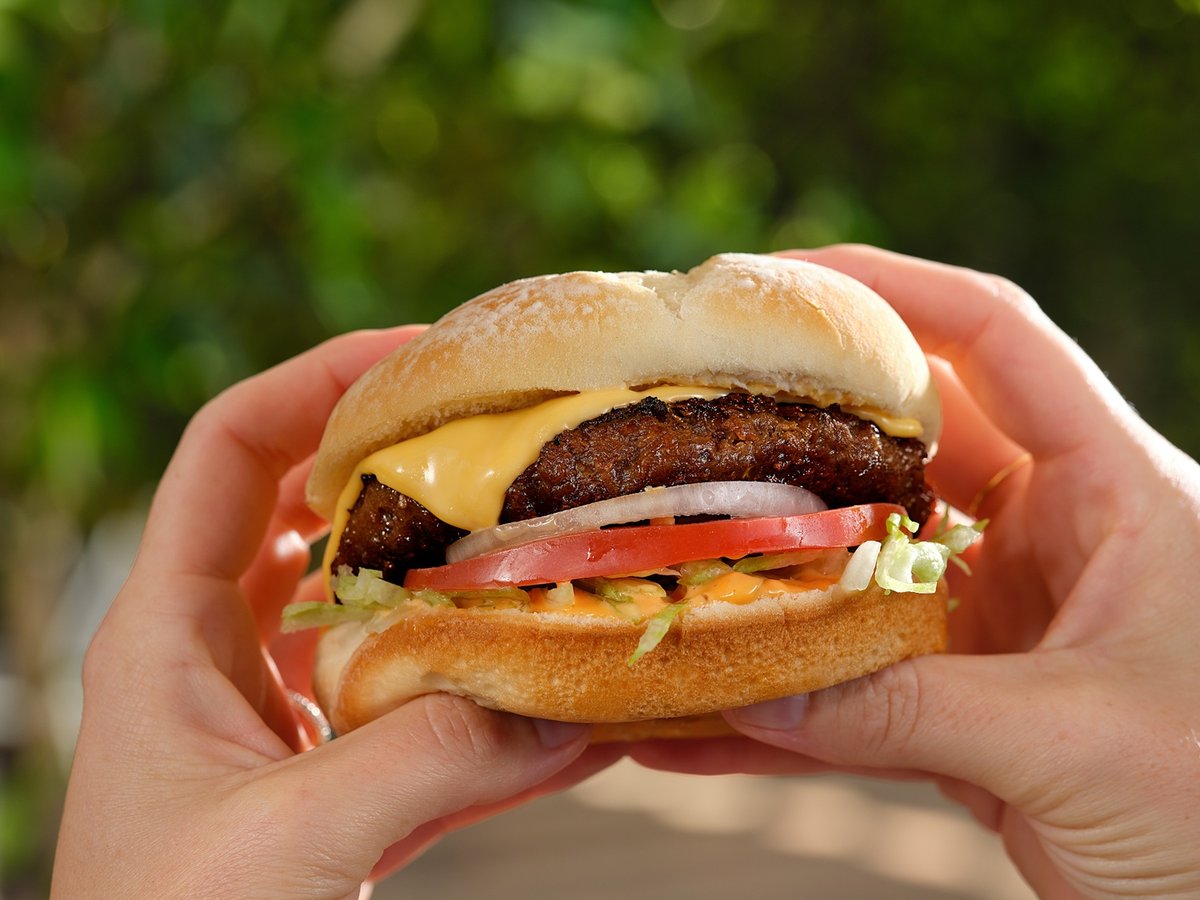
Beyond Meat Faces Major Challenges as Stock Plummets 97%
- Declining Sales: Beyond Meat's sales have been on a downward trend since their peak in 2022, with a 15% year-over-year decline in Q1 2026, indicating significant challenges in the competitive plant-based food market and making recovery difficult.
- Profitability Pressure: Despite a gross margin of 3.4% in Q1, the operating margin plummeted to -70.6%, highlighting major difficulties in cost control and profitability, which raises concerns among investors about the company's future.
- Shrinking Market Share: Several retailers have stopped carrying Beyond Meat products, and relationships with restaurant partners like McDonald's have not yielded expected results, leading to declines in sales across both retail and fast-food service categories, affecting brand recognition.
- New Product Direction: Although the launch of new products like the plant-based protein drink Beyond Immerse represents a potential growth avenue, it remains uncertain whether these new offerings will succeed, necessitating cautious observation from investors regarding the company's recovery prospects.
See More
McDonald's Hits 52-Week Low Amid Value Push Challenges
- Stock Price Decline: McDonald's (MCD) hit a 52-week low on Monday as investors remain cautious about the company's value push in the U.S. and international business challenges, indicating market concerns about its future performance.
- Price Target Cut: JPMorgan lowered its price target for McDonald's from $325 to $305 while maintaining an Overweight rating, with analysts suggesting that the brand may struggle to capture significant sales from competitors, potentially impacting future earnings.
- Long-Term Investment Opportunity: Despite facing current headwinds, Seeking Alpha's investment group leader Samuel Smith views McDonald's as an attractive buy for long-term dividend growth investors, expecting future rewards for shareholders.
- Stock Fluctuations: McDonald's shares rose 1.2% in Tuesday morning trading to $277.70, still significantly below the 52-week high of $341.75, reflecting a cautious market sentiment regarding its value strategy.
See More