Market Comparison of Royal Caribbean and Viking Holdings
Written by Emily J. Thompson, Senior Investment Analyst
Updated: Mar 07 2026
0mins

Source: NASDAQ.COM
- Market Share Comparison: Royal Caribbean has achieved a higher market capitalization than Carnival despite serving fewer passengers, establishing itself as the second-largest cruise line globally, which highlights its brand strength and market positioning success.
- Significant Revenue Growth: In 2025, Royal Caribbean reported $18 billion in revenue, an 8% year-over-year increase, driven by an impressive 110% occupancy rate, indicating strong market demand and effective pricing strategies.
- Viking's Unique Positioning: Viking Holdings has carved out a niche by offering child-free upscale experiences and learning-focused vacations, achieving over $6.5 billion in revenue in 2025, a 22% increase, despite capturing only 4% of industry revenue, showcasing its market appeal.
- Future Expansion Plans: Viking aims to launch 27 new river ships by 2028 and 10 new ocean ships by 2031, reflecting its intent to expand in the high-end market and confidence in future growth prospects.
Trade with 70% Backtested Accuracy
Stop guessing "Should I Buy RCL?" and start using high-conviction signals backed by rigorous historical data.
Sign up today to access powerful investing tools and make smarter, data-driven decisions.
Analyst Views on RCL
Wall Street analysts forecast RCL stock price to rise
16 Analyst Rating
12 Buy
4 Hold
0 Sell
Strong Buy
Current: 272.540

Low
275.00
Averages
327.80
High
400.00
Current: 272.540
Low
275.00
Averages
327.80
High
400.00
About RCL
Royal Caribbean Cruises Ltd. is a cruise company, which owns and operates three global cruise brands: Royal Caribbean, Celebrity Cruises and Silversea Cruises. It also has an interest in TUI Cruises GmbH, which operates the German brands TUI Cruises and Hapag-Lloyd Cruises. Its ships offer a selection of worldwide itineraries that call on approximately 1,000 destinations on all seven continents. Royal Caribbean offers cruises and land destinations that generally feature a casual ambiance, as well as a variety of activities and entertainment venues. Celebrity Cruises offers a range of itineraries to destinations, including Alaska, Asia, Australia, Bermuda, Canada, the Caribbean, Europe, the Galapagos Islands, Hawaii, New Zealand, the Panama Canal and South America, with cruise lengths ranging from three to 14 nights. It also offers a range of private land destinations through Perfect Day at CocoCay and Royal Beach Club collection.
About the author

Emily J. Thompson
Emily J. Thompson, a Chartered Financial Analyst (CFA) with 12 years in investment research, graduated with honors from the Wharton School. Specializing in industrial and technology stocks, she provides in-depth analysis for Intellectia’s earnings and market brief reports.

US Stocks Rise as Oil Prices Drop, Boosting Market Sentiment


- Oil Price Drop Fuels Market Rally: The S&P 500 rose 1.01%, the Dow Jones increased by 0.83%, and the Nasdaq 100 climbed 1.13% as crude oil prices fell over 5% due to hopes of tanker passage through the Strait of Hormuz, reflecting positive market sentiment towards lower energy costs.
- Mixed Economic Data: February manufacturing production in the US rose 0.2% month-over-month, surpassing expectations of 0.1%, and January's figure was revised up to 0.8%, indicating a recovery in manufacturing; however, the Empire State manufacturing index fell 7.3 points to -0.2, highlighting economic uncertainty.
- China's Economic Indicators Impact Global Outlook: China's February industrial production grew 6.3% year-on-year, exceeding expectations of 5.3%, while retail sales rose 2.8%, above the 2.5% forecast; however, the unemployment rate increased to 5.3%, indicating labor market pressures that could challenge global economic recovery.
- Airline and Cruise Stocks Surge: With falling oil prices, airline and cruise line stocks rallied, with Norwegian Cruise Line up over 5% and United Airlines up over 4%, suggesting optimistic market expectations for improved profitability due to lower fuel costs.
See More

Northern Right Capital Fully Sells Norwegian Cruise Line Shares


- Share Sale Details: Northern Right Capital Management reported on February 17, 2026, that it sold its entire holding of 790,760 shares in Norwegian Cruise Line Holdings, with an estimated transaction value of $19.48 million, indicating a complete divestment from the company.
- Impact on AUM: This sale resulted in a $19.48 million decrease in the fund's quarter-end position value, reducing its reported assets under management (AUM) from 6.0% to 5.1%, reflecting a diminished confidence in Norwegian Cruise Line's prospects.
- Industry Context: Despite the cruise industry performing well with full ships, Northern Right's sale suggests a cautious outlook on Norwegian Cruise Line's future growth potential, particularly when compared to larger competitors like Carnival and Royal Caribbean.
- Competitive Landscape: Norwegian Cruise Line, which accumulated $14.6 billion in debt during the pandemic, continues to turn a profit despite high debt service costs, yet struggles to effectively compete against upscale rivals like Viking Cruises, which have redefined the industry with a focus on premium experiences.
See More

Northern Right Capital Fully Exits Norwegian Cruise Line Holdings Stake
- Stake Change: Northern Right Capital Management disclosed in an SEC filing on February 17, 2026, that it sold its entire holding of 790,760 shares in Norwegian Cruise Line Holdings, with an estimated transaction value of $19.48 million, indicating a complete exit from the investment.
- Asset Allocation Shift: This sale reduced Norwegian Cruise Line's stake from 6.0% to 0%, while Northern Right's other major holdings include NASDAQ:NWSA ($31.24 million, 8.2% of AUM) and NASDAQ:SATS ($28.07 million, 7.4% of AUM), reflecting a significant shift in its investment strategy.
- Market Performance Analysis: As of February 17, 2026, Norwegian Cruise Line's stock price stood at $24.10, down 8.64% over the past year, underperforming the S&P 500 by 17.80 percentage points, highlighting challenges faced by the company in a competitive cruise market.
- Industry Outlook Consideration: Despite the cruise industry performing well with full ships, Northern Right's exit may indicate a cautious stance on Norwegian's future growth potential, particularly given its substantial $14.6 billion debt load, even as the company remains profitable.
See More
US Stocks Surge as Crude Prices Drop Sharply

- Crude Price Drop Fuels Market Rally: The successful passage of several oil tankers through the Strait of Hormuz has led to a more than 4% drop in crude prices, directly contributing to a 1.04% rise in the S&P 500, a 0.94% increase in the Dow Jones, and a 1.12% gain in the Nasdaq 100, indicating a positive market response to lower oil prices.
- Mixed Economic Data: February manufacturing production in the US rose by 0.2% month-over-month, surpassing expectations of 0.1%, while January's production was revised up to 0.8%, showcasing manufacturing resilience; however, the February Empire manufacturing survey fell to -0.2, below the expected 3.9, reflecting economic recovery uncertainties.
- Positive Chinese Economic Indicators: China's February industrial production increased by 6.3% year-over-year, exceeding expectations of 5.3%, and retail sales rose by 2.8%, also above the anticipated 2.5%, despite a rise in the unemployment rate to 5.3%, highlighting the complexities of economic recovery.
- Airline and Cruise Stocks Surge: With falling oil prices, airline and cruise line stocks are rising, with Norwegian Cruise Line up over 5% and Royal Caribbean up more than 4%, indicating optimistic market sentiment regarding future earnings prospects.
See More

Analysis of Oil Price Volatility Impact on Cruise Industry

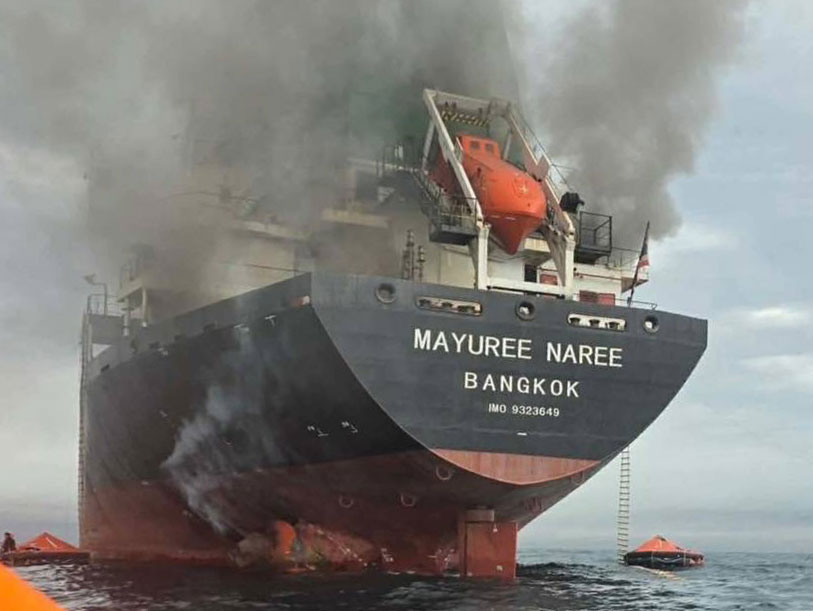
- Oil Price Impact: The closure of the Strait of Hormuz led to oil prices spiking to $115 per barrel before retreating to $88, indicating that market fears may be overblown; while high prices could affect cruise line profits, panic is premature for investors.
- Strong Demand: Despite economic concerns, record booking levels for cruise lines like Royal Caribbean and Viking Holdings show that demand exceeds supply, suggesting consumers are willing to pay even if costs rise.
- Valuation Metrics: Most cruise line stocks trade at price-to-earnings ratios below the S&P 500 average of 29, particularly Royal Caribbean and Carnival Corp, whose valuations in the teens indicate limited downside risk, largely unaffected by oil prices.
- Positive Industry Outlook: Although rising oil prices and geopolitical tensions pressure travel stocks, the ongoing demand exceeding supply allows cruise lines to pass costs to consumers, making the current oil price fluctuations a potential buying opportunity due to low valuations.
See More

Cruise Industry Faces Oil Price Volatility Challenges
- Oil Price Impact: The closure of the Strait of Hormuz led to oil prices spiking to $115 per barrel before retreating to $88, indicating that market volatility is driven by supply concerns rather than actual shortages, which could significantly impact the cruise industry's profitability.
- Strong Demand: Despite economic worries, financials from cruise lines like Royal Caribbean and Viking Holdings show record booking levels with demand exceeding supply, meaning these companies have not needed to discount heavily to fill ships, indicating robust market demand for cruises.
- Attractive Valuations: Most cruise line stocks trade at price-to-earnings ratios below the S&P 500 average of 29, particularly Royal Caribbean and Carnival Corp, whose P/E ratios are in the teens, suggesting limited downside and attracting investor interest.
- Debt Management Improvement: While cruise companies accumulated significant debt during the pandemic, they have reduced it substantially and refinanced at lower rates, indicating improved financial health in the industry amidst high demand, which may attract further investment.
See More
US Stocks Rise as Oil Prices Drop, Boosting Market Sentiment
- Oil Price Drop Fuels Market Rally: The S&P 500 rose 1.01%, the Dow Jones increased by 0.83%, and the Nasdaq 100 climbed 1.13% as crude oil prices fell over 5% due to hopes of tanker passage through the Strait of Hormuz, reflecting positive market sentiment towards lower energy costs.
- Mixed Economic Data: February manufacturing production in the US rose 0.2% month-over-month, surpassing expectations of 0.1%, and January's figure was revised up to 0.8%, indicating a recovery in manufacturing; however, the Empire State manufacturing index fell 7.3 points to -0.2, highlighting economic uncertainty.
- China's Economic Indicators Impact Global Outlook: China's February industrial production grew 6.3% year-on-year, exceeding expectations of 5.3%, while retail sales rose 2.8%, above the 2.5% forecast; however, the unemployment rate increased to 5.3%, indicating labor market pressures that could challenge global economic recovery.
- Airline and Cruise Stocks Surge: With falling oil prices, airline and cruise line stocks rallied, with Norwegian Cruise Line up over 5% and United Airlines up over 4%, suggesting optimistic market expectations for improved profitability due to lower fuel costs.
See More
Northern Right Capital Fully Sells Norwegian Cruise Line Shares
- Share Sale Details: Northern Right Capital Management reported on February 17, 2026, that it sold its entire holding of 790,760 shares in Norwegian Cruise Line Holdings, with an estimated transaction value of $19.48 million, indicating a complete divestment from the company.
- Impact on AUM: This sale resulted in a $19.48 million decrease in the fund's quarter-end position value, reducing its reported assets under management (AUM) from 6.0% to 5.1%, reflecting a diminished confidence in Norwegian Cruise Line's prospects.
- Industry Context: Despite the cruise industry performing well with full ships, Northern Right's sale suggests a cautious outlook on Norwegian Cruise Line's future growth potential, particularly when compared to larger competitors like Carnival and Royal Caribbean.
- Competitive Landscape: Norwegian Cruise Line, which accumulated $14.6 billion in debt during the pandemic, continues to turn a profit despite high debt service costs, yet struggles to effectively compete against upscale rivals like Viking Cruises, which have redefined the industry with a focus on premium experiences.
See More
Northern Right Capital Fully Exits Norwegian Cruise Line Holdings Stake
- Stake Change: Northern Right Capital Management disclosed in an SEC filing on February 17, 2026, that it sold its entire holding of 790,760 shares in Norwegian Cruise Line Holdings, with an estimated transaction value of $19.48 million, indicating a complete exit from the investment.
- Asset Allocation Shift: This sale reduced Norwegian Cruise Line's stake from 6.0% to 0%, while Northern Right's other major holdings include NASDAQ:NWSA ($31.24 million, 8.2% of AUM) and NASDAQ:SATS ($28.07 million, 7.4% of AUM), reflecting a significant shift in its investment strategy.
- Market Performance Analysis: As of February 17, 2026, Norwegian Cruise Line's stock price stood at $24.10, down 8.64% over the past year, underperforming the S&P 500 by 17.80 percentage points, highlighting challenges faced by the company in a competitive cruise market.
- Industry Outlook Consideration: Despite the cruise industry performing well with full ships, Northern Right's exit may indicate a cautious stance on Norwegian's future growth potential, particularly given its substantial $14.6 billion debt load, even as the company remains profitable.
See More
US Stocks Surge as Crude Prices Drop Sharply
- Crude Price Drop Fuels Market Rally: The successful passage of several oil tankers through the Strait of Hormuz has led to a more than 4% drop in crude prices, directly contributing to a 1.04% rise in the S&P 500, a 0.94% increase in the Dow Jones, and a 1.12% gain in the Nasdaq 100, indicating a positive market response to lower oil prices.
- Mixed Economic Data: February manufacturing production in the US rose by 0.2% month-over-month, surpassing expectations of 0.1%, while January's production was revised up to 0.8%, showcasing manufacturing resilience; however, the February Empire manufacturing survey fell to -0.2, below the expected 3.9, reflecting economic recovery uncertainties.
- Positive Chinese Economic Indicators: China's February industrial production increased by 6.3% year-over-year, exceeding expectations of 5.3%, and retail sales rose by 2.8%, also above the anticipated 2.5%, despite a rise in the unemployment rate to 5.3%, highlighting the complexities of economic recovery.
- Airline and Cruise Stocks Surge: With falling oil prices, airline and cruise line stocks are rising, with Norwegian Cruise Line up over 5% and Royal Caribbean up more than 4%, indicating optimistic market sentiment regarding future earnings prospects.
See More
Analysis of Oil Price Volatility Impact on Cruise Industry
- Oil Price Impact: The closure of the Strait of Hormuz led to oil prices spiking to $115 per barrel before retreating to $88, indicating that market fears may be overblown; while high prices could affect cruise line profits, panic is premature for investors.
- Strong Demand: Despite economic concerns, record booking levels for cruise lines like Royal Caribbean and Viking Holdings show that demand exceeds supply, suggesting consumers are willing to pay even if costs rise.
- Valuation Metrics: Most cruise line stocks trade at price-to-earnings ratios below the S&P 500 average of 29, particularly Royal Caribbean and Carnival Corp, whose valuations in the teens indicate limited downside risk, largely unaffected by oil prices.
- Positive Industry Outlook: Although rising oil prices and geopolitical tensions pressure travel stocks, the ongoing demand exceeding supply allows cruise lines to pass costs to consumers, making the current oil price fluctuations a potential buying opportunity due to low valuations.
See More
Cruise Industry Faces Oil Price Volatility Challenges
- Oil Price Impact: The closure of the Strait of Hormuz led to oil prices spiking to $115 per barrel before retreating to $88, indicating that market volatility is driven by supply concerns rather than actual shortages, which could significantly impact the cruise industry's profitability.
- Strong Demand: Despite economic worries, financials from cruise lines like Royal Caribbean and Viking Holdings show record booking levels with demand exceeding supply, meaning these companies have not needed to discount heavily to fill ships, indicating robust market demand for cruises.
- Attractive Valuations: Most cruise line stocks trade at price-to-earnings ratios below the S&P 500 average of 29, particularly Royal Caribbean and Carnival Corp, whose P/E ratios are in the teens, suggesting limited downside and attracting investor interest.
- Debt Management Improvement: While cruise companies accumulated significant debt during the pandemic, they have reduced it substantially and refinanced at lower rates, indicating improved financial health in the industry amidst high demand, which may attract further investment.
See More