

Major Tech Firms Collaborate on Defense AI Initiatives
Written by Emily J. Thompson, Senior Investment Analyst
Updated: May 01 2026
0mins

Source: Yahoo Finance
- Defense AI Collaboration: The U.S. Department of Defense has signed agreements with major tech firms including Google, Microsoft, Amazon, and NVIDIA to implement AI tools in classified environments, enhancing efficiency in intelligence, operations, and internal workflows.
- Rapid Adoption: Over 1.3 million military personnel are currently utilizing the DoD's AI platform, indicating the growing significance and swift integration of AI within defense strategies.
- Multi-Partner Approach: The Pentagon's strategy of collaborating with multiple companies rather than a single partner not only mitigates risks but also underscores the critical role of AI technology in defense, highlighting varying adaptability among firms.
- Corporate Reactions: While most companies are actively participating, Anthropic has previously expressed discomfort with access terms, reflecting the trade-offs and challenges inherent in defense AI collaborations.
Trade with 70% Backtested Accuracy
Stop guessing "Should I Buy GOOG?" and start using high-conviction signals backed by rigorous historical data.
Sign up today to access powerful investing tools and make smarter, data-driven decisions.
Analyst Views on GOOG
Wall Street analysts forecast GOOG stock price to fall
15 Analyst Rating
14 Buy
1 Hold
0 Sell
Strong Buy
Current: 358.160

Low
255.00
Averages
336.08
High
400.00
Current: 358.160
Low
255.00
Averages
336.08
High
400.00
About GOOG
Alphabet Inc. is a holding company. The Company's segments include Google Services, Google Cloud, and Other Bets. The Google Services segment includes products and services such as ads, Android, Chrome, devices, Google Maps, Google Play, Search, and YouTube. The Google Cloud segment includes infrastructure and platform services, collaboration tools, and other services for enterprise customers. Its Other Bets segment is engaged in the sale of healthcare-related services and Internet services. Its Google Cloud provides enterprise-ready cloud services, including Google Cloud Platform and Google Workspace. Google Cloud Platform provides access to solutions such as artificial intelligence (AI) offerings, including its AI infrastructure, Vertex AI platform, and Gemini for Google Cloud; cybersecurity, and data and analytics. Google Workspace includes cloud-based communication and collaboration tools for enterprises, such as Calendar, Gmail, Docs, Drive, and Meet.
About the author

Emily J. Thompson
Emily J. Thompson, a Chartered Financial Analyst (CFA) with 12 years in investment research, graduated with honors from the Wharton School. Specializing in industrial and technology stocks, she provides in-depth analysis for Intellectia’s earnings and market brief reports.

Google Partners with Intel for Custom AI Chips


- Custom Chip Strategy: Google's Tensor Processing Units (TPUs), developed over a decade ago, have become central to its AI strategy, with application-specific integrated circuits (ASICs) providing a significant competitive edge tailored for AI computations.
- Collaboration with Intel: Google has strengthened its partnership with Intel by placing an order for 3 million TPUs to be delivered by 2028, a move that reduces reliance on TSMC and mitigates supply bottlenecks amid rising AI demand.
- New Architecture Launch: At the Cloud Next conference, Google unveiled two new TPU architectures, TPU 8t and TPU 8i, dedicated to training and inference workloads respectively, enabling AI workloads to run 2 to 4 times faster at a 30% lower cost compared to previous generations.
- Market Expansion Potential: Google's decision to sell TPUs to select customers marks a significant shift in its market strategy, expected to greatly expand its total addressable market and drive its backlog to nearly double year-over-year, reaching $460 billion.
See More

Google Partners with Intel for TPU Production Amid AI Demand
- TPU Order Scale: Google has placed an order for 3 million TPUs with Intel, to be delivered by 2028, marking a significant trust in Intel and reducing reliance on TSMC, thereby ensuring a stable supply of AI chips.
- New Architecture Launch: At the Cloud Next conference, Google introduced the TPU 8t and TPU 8i, optimized for training and inference workloads respectively, achieving 2 to 4 times faster performance and 30% lower costs, significantly enhancing operational efficiency.
- Market Opportunity Expansion: Google's decision to sell TPUs to select customers represents a strategic shift that will significantly expand its total addressable market, driving future revenue growth and reflecting strong demand in the AI sector.
- Impact on Intel: This TPU order not only revitalizes Intel's foundry business but could also change its position in the AI chip market, further validating its technological capabilities and competitive strength in the AI domain.
See More
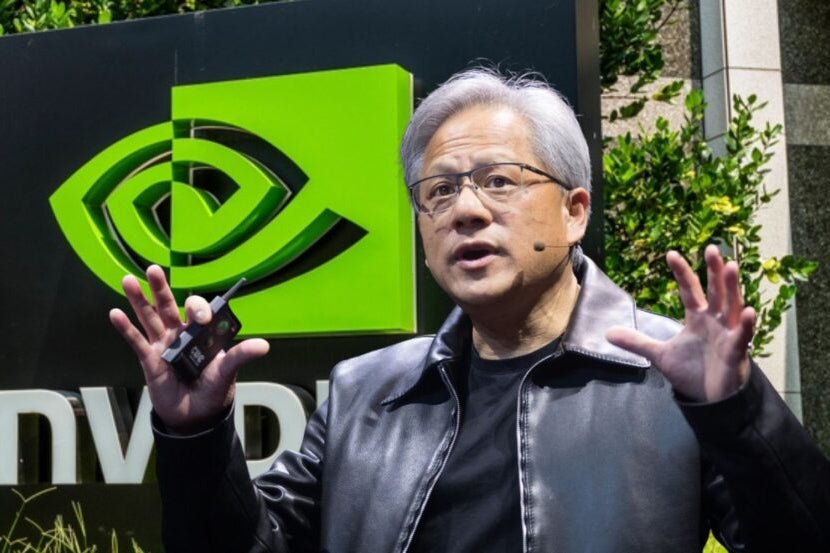
Nvidia Plans to Raise $20 Billion for AI Expansion


- Funding Size: Nvidia plans to raise $20 billion through the debt market to support its artificial intelligence (AI) build-out, indicating a significant cash requirement in the rapidly evolving AI sector.
- Market Comparison: In terms of financing scale, Nvidia ranks second, only behind Super Micro's $7 billion financing, and far below Alphabet's $85 billion, reflecting a relatively conservative strategy in capital markets.
- Investment Strategy: Although Nvidia's financing amount is less than that of Alphabet or Meta, its heavy cash commitments through loans and investments in other companies suggest potential impacts on its future financial flexibility in the AI domain.
- Industry Trend: As more hyperscale cloud companies enter the debt market, similar financing cases are expected to emerge, which may influence bond market spreads, particularly for smaller companies like Oracle and Super Micro.
See More

Wall Street Rallies on Preliminary US-Iran Peace Agreement

- Market Surge: Wall Street experienced a significant rally with the S&P 500 rising 1.9% and the Nasdaq Composite gaining 3%, reflecting investor optimism driven by the preliminary peace agreement between the U.S. and Iran.
- Dow Jones Milestone: The Dow Jones Industrial Average climbed 1.4% just before 1 p.m. ET, reaching a new all-time intraday high, indicating strong market sentiment ahead of the anticipated signing of the ceasefire agreement.
- Tech Stocks Lead: Major tech companies like Alphabet, Nvidia, and Micron Technology collectively added over $300 billion in market capitalization, showcasing the robust performance of the tech sector in the current market climate.
- Oil Price Decline Impact: Oil prices fell sharply, with West Texas Intermediate crude dropping to around $80 per barrel, potentially easing inflationary pressures and reducing the likelihood of further Federal Reserve rate hikes, thereby boosting investor confidence in riskier assets.
See More
Google Explores Samsung for Future AI Chip Production

- Collaboration Potential: Google is reportedly in talks with Samsung to manufacture memory input-output dies for its future TPU chip, codenamed Icefish, highlighting the importance of diversifying its supply chain to address tightening market demands.
- Market Tightness: The discussions reflect limited capacity at TSMC, indicating that the strong demand for advanced AI chip manufacturing may compel even major clients to seek backup options to secure supply.
- Production Complexity: While collaborating with Samsung could provide more options, splitting chip production across different manufacturers may introduce complexities and potentially affect yields and costs, which could impact Google's production efficiency.
- Strategic Goals: Google's aim is likely to ensure sufficient supply for future AI workloads, while Samsung has the opportunity to demonstrate its competitiveness in securing more advanced foundry business, thereby enhancing its market position.
See More

Zillow Faces Competitive Pressure from Google

- Stock Decline: Zillow's stock has plummeted over 50% year-to-date, indicating a significant loss of investor confidence amid macroeconomic challenges and intensified competition, raising concerns about future growth prospects.
- Increased Competitive Threat: Google's expansion of real estate search ads nationwide, displaying MLS-listed properties directly in search results, poses a substantial threat to Zillow's core business, compelling the company to reassess its market strategy to maintain competitiveness.
- Revenue Diversification: Zillow's rental business grew by 42% in Q1 2026, showcasing the company's proactive efforts to diversify revenue streams, particularly through Zillow Home Loans and a mortgage marketplace, enhancing financial stability amidst competitive pressures.
- Future Challenges: Although Zillow's Q1 revenue increased by 18% year-over-year to $708 million, the formidable competition from Google necessitates that Zillow closely monitor market dynamics over the next few quarters to evaluate its profitability and market response.
See More
Google Partners with Intel for Custom AI Chips
- Custom Chip Strategy: Google's Tensor Processing Units (TPUs), developed over a decade ago, have become central to its AI strategy, with application-specific integrated circuits (ASICs) providing a significant competitive edge tailored for AI computations.
- Collaboration with Intel: Google has strengthened its partnership with Intel by placing an order for 3 million TPUs to be delivered by 2028, a move that reduces reliance on TSMC and mitigates supply bottlenecks amid rising AI demand.
- New Architecture Launch: At the Cloud Next conference, Google unveiled two new TPU architectures, TPU 8t and TPU 8i, dedicated to training and inference workloads respectively, enabling AI workloads to run 2 to 4 times faster at a 30% lower cost compared to previous generations.
- Market Expansion Potential: Google's decision to sell TPUs to select customers marks a significant shift in its market strategy, expected to greatly expand its total addressable market and drive its backlog to nearly double year-over-year, reaching $460 billion.
See More
Google Partners with Intel for TPU Production Amid AI Demand
- TPU Order Scale: Google has placed an order for 3 million TPUs with Intel, to be delivered by 2028, marking a significant trust in Intel and reducing reliance on TSMC, thereby ensuring a stable supply of AI chips.
- New Architecture Launch: At the Cloud Next conference, Google introduced the TPU 8t and TPU 8i, optimized for training and inference workloads respectively, achieving 2 to 4 times faster performance and 30% lower costs, significantly enhancing operational efficiency.
- Market Opportunity Expansion: Google's decision to sell TPUs to select customers represents a strategic shift that will significantly expand its total addressable market, driving future revenue growth and reflecting strong demand in the AI sector.
- Impact on Intel: This TPU order not only revitalizes Intel's foundry business but could also change its position in the AI chip market, further validating its technological capabilities and competitive strength in the AI domain.
See More
Nvidia Plans to Raise $20 Billion for AI Expansion
- Funding Size: Nvidia plans to raise $20 billion through the debt market to support its artificial intelligence (AI) build-out, indicating a significant cash requirement in the rapidly evolving AI sector.
- Market Comparison: In terms of financing scale, Nvidia ranks second, only behind Super Micro's $7 billion financing, and far below Alphabet's $85 billion, reflecting a relatively conservative strategy in capital markets.
- Investment Strategy: Although Nvidia's financing amount is less than that of Alphabet or Meta, its heavy cash commitments through loans and investments in other companies suggest potential impacts on its future financial flexibility in the AI domain.
- Industry Trend: As more hyperscale cloud companies enter the debt market, similar financing cases are expected to emerge, which may influence bond market spreads, particularly for smaller companies like Oracle and Super Micro.
See More
Wall Street Rallies on Preliminary US-Iran Peace Agreement
- Market Surge: Wall Street experienced a significant rally with the S&P 500 rising 1.9% and the Nasdaq Composite gaining 3%, reflecting investor optimism driven by the preliminary peace agreement between the U.S. and Iran.
- Dow Jones Milestone: The Dow Jones Industrial Average climbed 1.4% just before 1 p.m. ET, reaching a new all-time intraday high, indicating strong market sentiment ahead of the anticipated signing of the ceasefire agreement.
- Tech Stocks Lead: Major tech companies like Alphabet, Nvidia, and Micron Technology collectively added over $300 billion in market capitalization, showcasing the robust performance of the tech sector in the current market climate.
- Oil Price Decline Impact: Oil prices fell sharply, with West Texas Intermediate crude dropping to around $80 per barrel, potentially easing inflationary pressures and reducing the likelihood of further Federal Reserve rate hikes, thereby boosting investor confidence in riskier assets.
See More
Google Explores Samsung for Future AI Chip Production
- Collaboration Potential: Google is reportedly in talks with Samsung to manufacture memory input-output dies for its future TPU chip, codenamed Icefish, highlighting the importance of diversifying its supply chain to address tightening market demands.
- Market Tightness: The discussions reflect limited capacity at TSMC, indicating that the strong demand for advanced AI chip manufacturing may compel even major clients to seek backup options to secure supply.
- Production Complexity: While collaborating with Samsung could provide more options, splitting chip production across different manufacturers may introduce complexities and potentially affect yields and costs, which could impact Google's production efficiency.
- Strategic Goals: Google's aim is likely to ensure sufficient supply for future AI workloads, while Samsung has the opportunity to demonstrate its competitiveness in securing more advanced foundry business, thereby enhancing its market position.
See More
Zillow Faces Competitive Pressure from Google
- Stock Decline: Zillow's stock has plummeted over 50% year-to-date, indicating a significant loss of investor confidence amid macroeconomic challenges and intensified competition, raising concerns about future growth prospects.
- Increased Competitive Threat: Google's expansion of real estate search ads nationwide, displaying MLS-listed properties directly in search results, poses a substantial threat to Zillow's core business, compelling the company to reassess its market strategy to maintain competitiveness.
- Revenue Diversification: Zillow's rental business grew by 42% in Q1 2026, showcasing the company's proactive efforts to diversify revenue streams, particularly through Zillow Home Loans and a mortgage marketplace, enhancing financial stability amidst competitive pressures.
- Future Challenges: Although Zillow's Q1 revenue increased by 18% year-over-year to $708 million, the formidable competition from Google necessitates that Zillow closely monitor market dynamics over the next few quarters to evaluate its profitability and market response.
See More





